Household Thermometers
How to choose household thermometers
Sub-type
First, choose sub-type. Home & Garden covers outdoor and decorative needs, Household Supplies covers appliance monitoring like fridge sticks.
Material
Material changes the tradeoff. Wood allows a painted or personalised sign, while metal, steel, or plastic stands up to weather.
Analogue vs digital
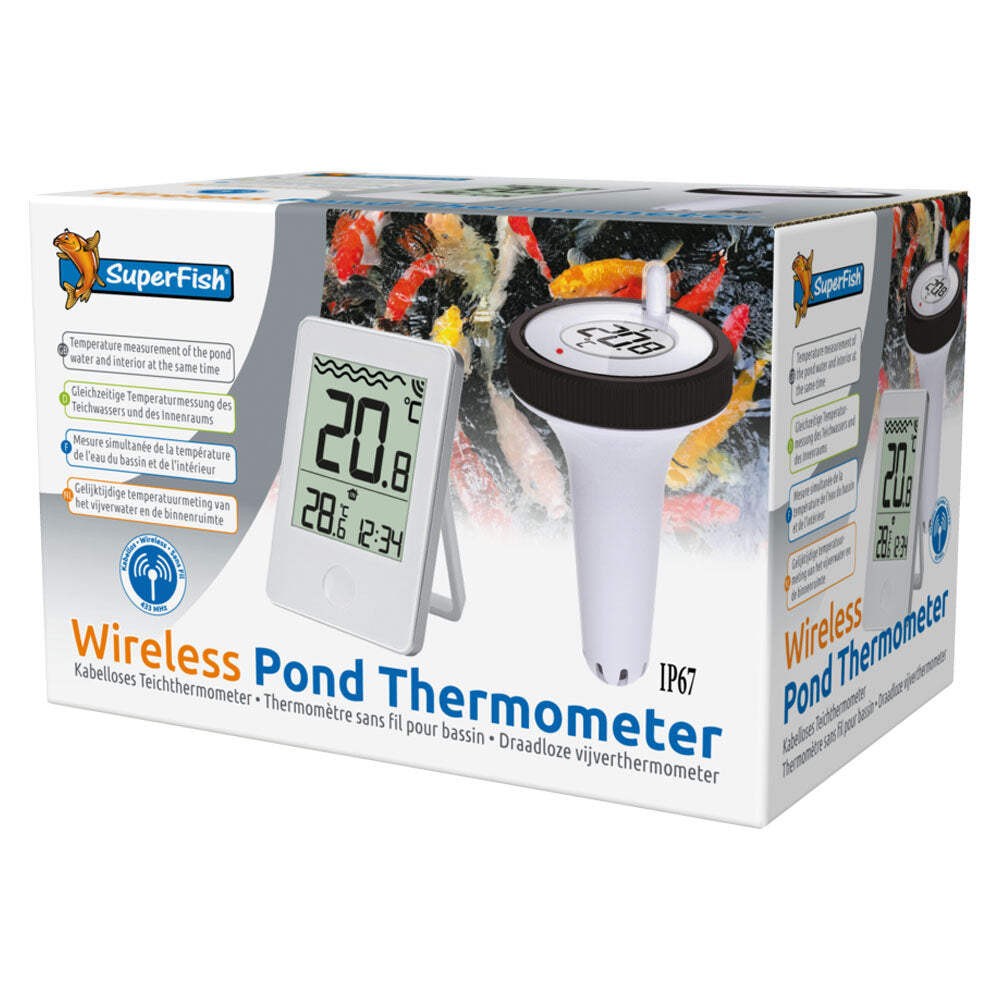
Pick analogue for battery-free use, or digital for a clear readout from indoors without stepping outside.
Colour
Colour affects visibility and decor. Red, blue, or yellow stand out, while white, grey, or brown blend with surroundings.
Size
Size matters. Jumbo wall types suit distant viewing, small stick or window types fit tight spaces like a freezer drawer.
What's good
- Home & Garden wooden thermometers double as signage, letting you label a greenhouse while checking heat.
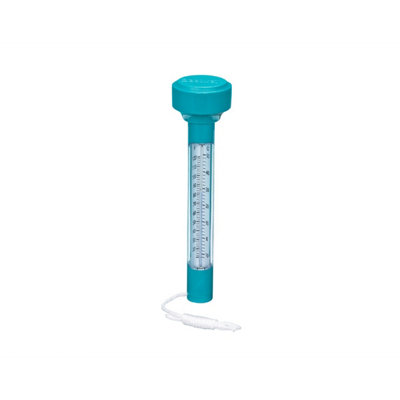
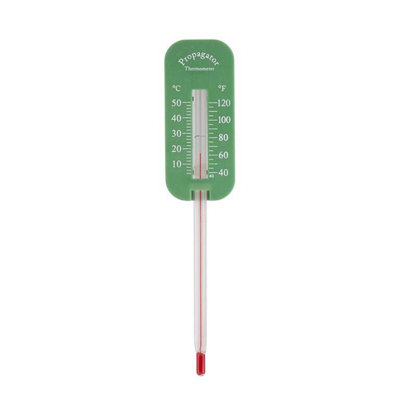
- Analogue pond or wall types need no batteries, so they keep working through winter outdoors.
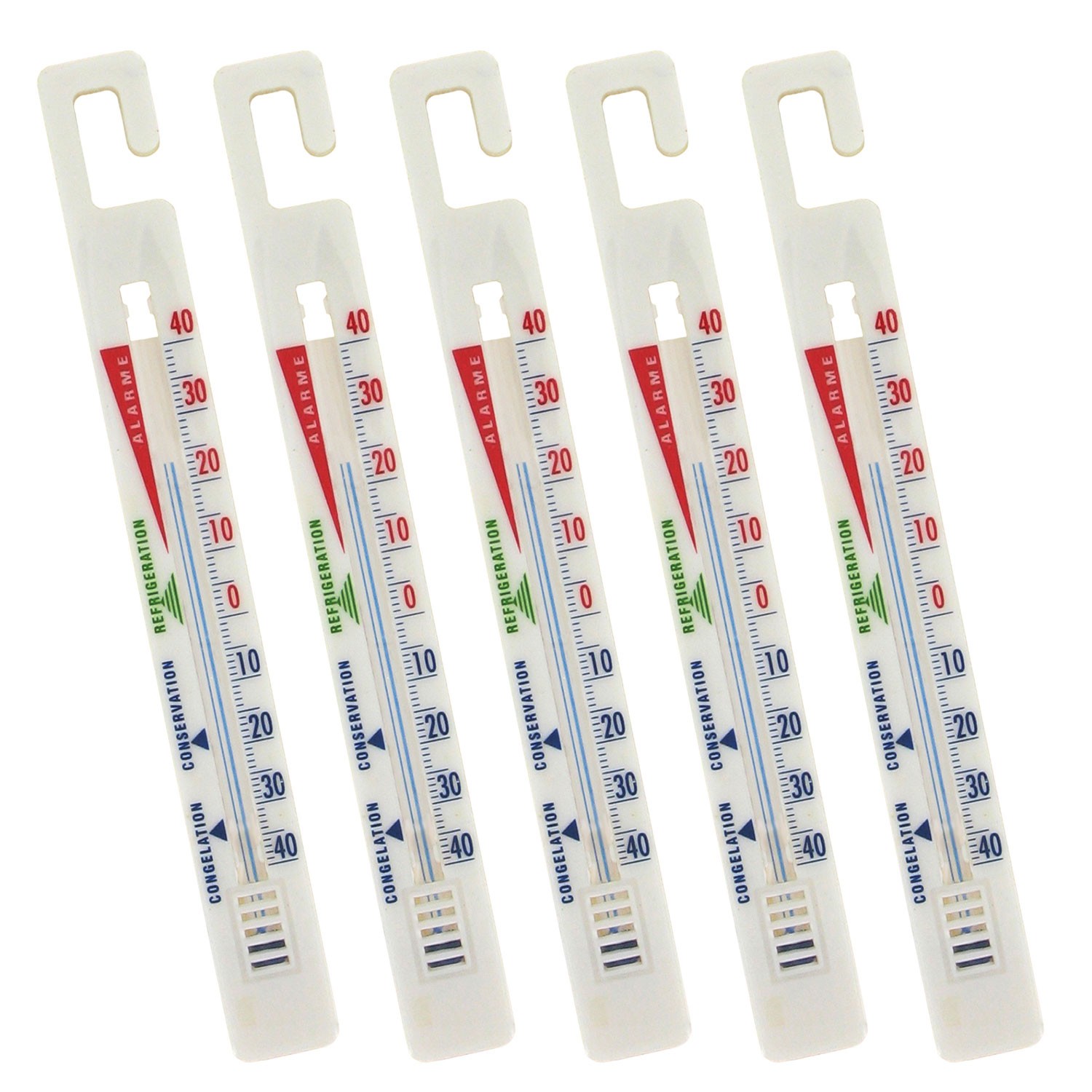
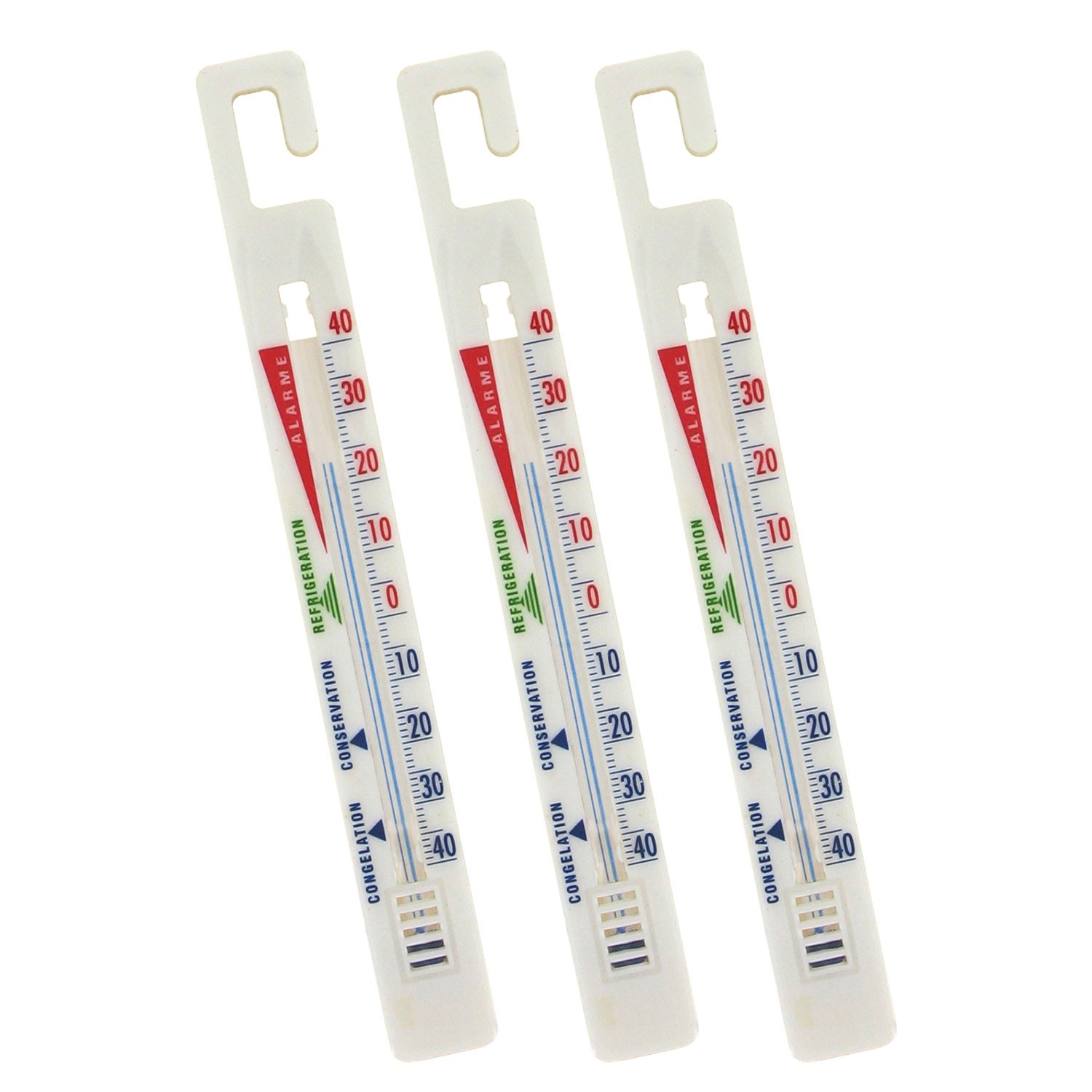
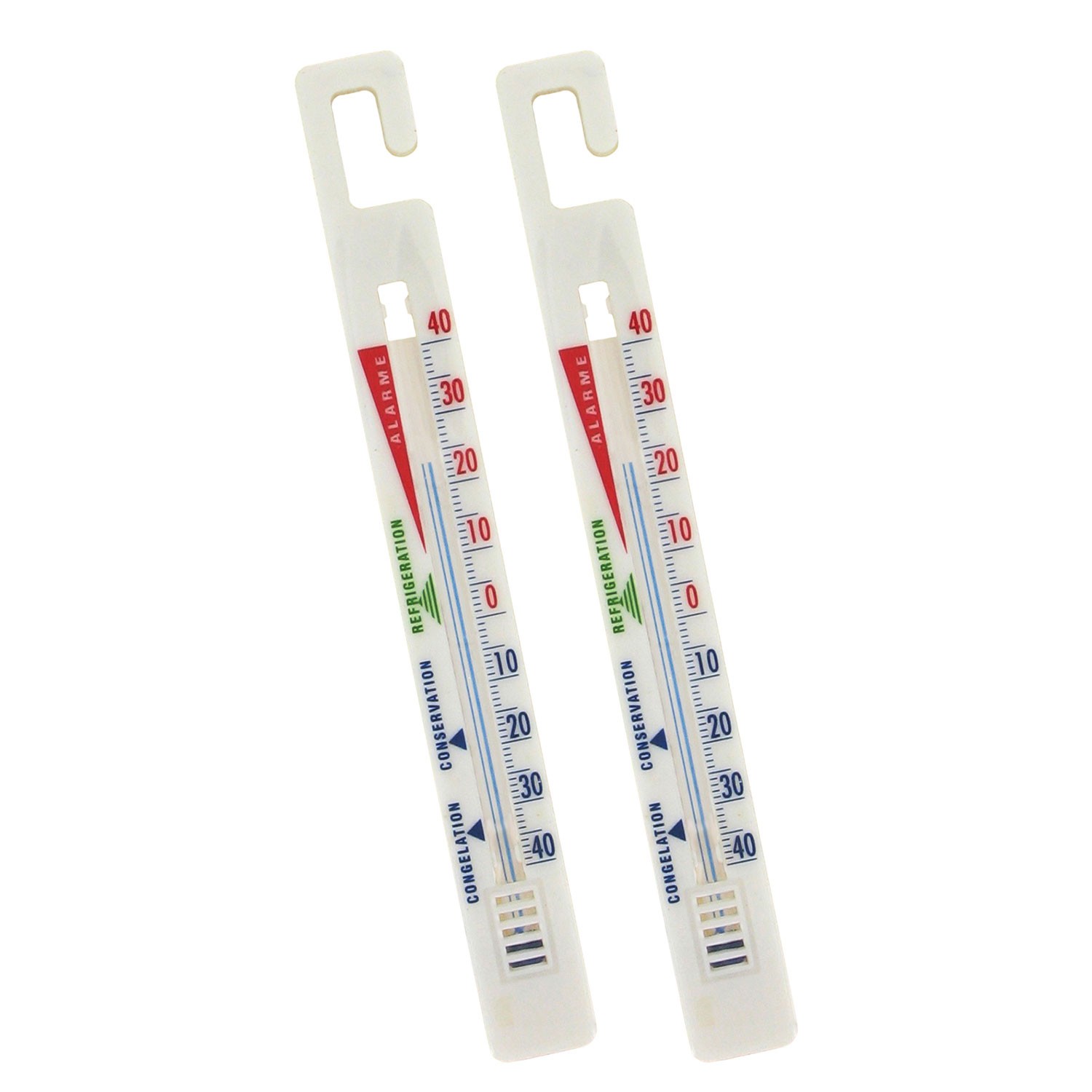
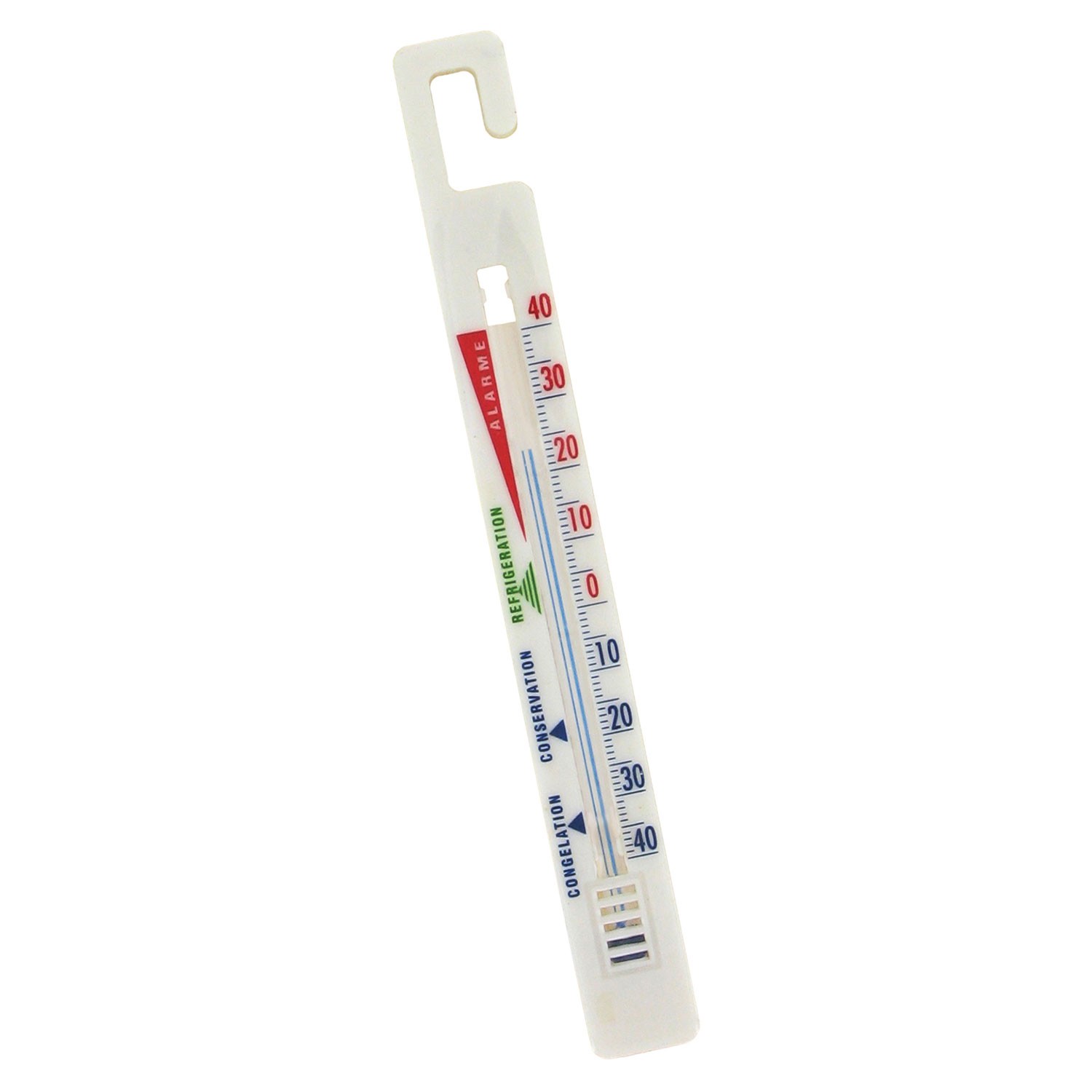
- Household Supplies stick thermometers come in multipacks, giving a spare for a second fridge drawer.
- Digital window models show the reading from inside, saving a trip to the garden.
- Metal and stainless steel builds resist rain better than plastic, suiting exposed walls.
Things to watch
- Wooden customisable thermometers look right in a greenhouse but need shelter from rain, unlike metal or plastic outdoor types.
- Analogue dials, such as jumbo wall or floating pond types, can be hard to read in dim light compared with a digital window display.
- Fridge freezer stick thermometers suit only appliances, so they are wrong for garden, pond, or sauna use.
- Bright plastic colours like red or yellow may fade in sunlight, while neutral white or grey hide dirt less easily.
- Large 40cm outdoor wall thermometers give clear distance reading but need solid fixing, unlike light digital window units.
Care & maintenance
Metal care
Wipe steel or stainless steel faces with a dry cloth to avoid water spotting.
Wood care
Keep wooden thermometers under cover or treat the surface to stop warping in damp air.
Pond care
Rinse floating pond thermometers after use to clear algae from the dial.
Digital care
Swap batteries in digital window thermometers when the screen dims.
Frequently Asked Questions
What should I look for when buying household thermometers?
When shopping for household thermometers, consider factors such as quality, price, brand reputation, and customer reviews. Compare prices across multiple retailers to ensure you're getting the best deal. Look for products that match your specific needs and budget.
How do I choose the right household thermometers?
Choosing the right household thermometers depends on your individual needs, budget, and preferences. Research different options, read customer reviews, and compare specifications. Consider what features are most important to you and look for products that offer the best value for money.
Where can I find the best deals on household thermometers?
You can find the best deals on household thermometers by comparing prices across multiple retailers. Our price comparison tool helps you find the lowest prices from trusted UK retailers including Amazon, eBay, and other major online stores. Check regularly as prices and deals change frequently.
Are household thermometers products worth the investment?
The value of household thermometers products depends on your specific needs and how you plan to use them. Quality products from reputable brands often provide better long-term value, even if they cost more initially. Consider your budget and requirements when making your decision.
What's the difference between different types of household thermometers?
Different types of household thermometers vary in features, quality, price, and intended use. Some may offer premium features while others focus on affordability. Research the specific differences between models or brands to find the option that best suits your needs and budget.