Memory Accessories
How to choose memory accessories
Sub-type
choose Memory Cases to store cards, Electronics to fix a device, or Electronics Accessories to house a drive. A card slot is wrong if you only need to carry games.
Material
leather and nylon resist tears but take more space. Plastic and acrylic are light but crack on hard impact.
Colour
black, grey, and silver hide grime in a kit bag. Yellow, red, or blue help you spot a small holder on a shelf.
Capacity
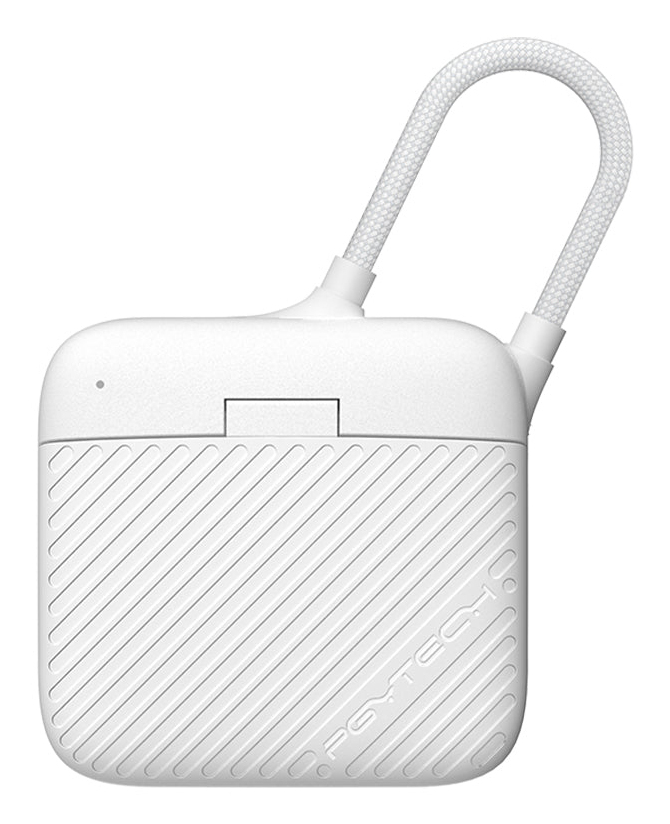
a keychain cartridge box suits travel, while a 900-card bag suits desk storage. A 10-set holder is tight for large libraries.
Format
confirm the Memory Case fits SD, TF, or Micro-SD cards. A portable game holder is wrong for standard DSLR users.
What's good
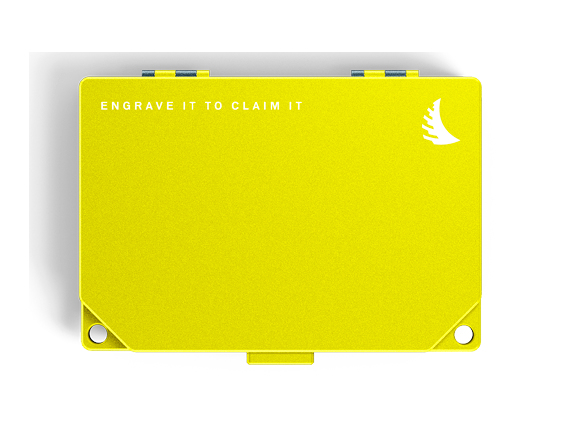
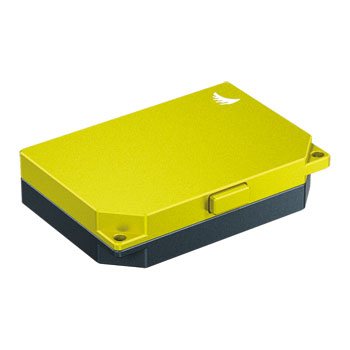
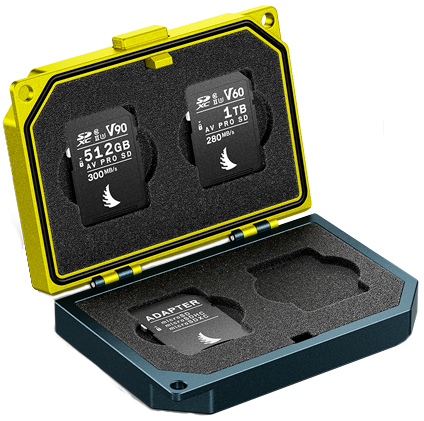
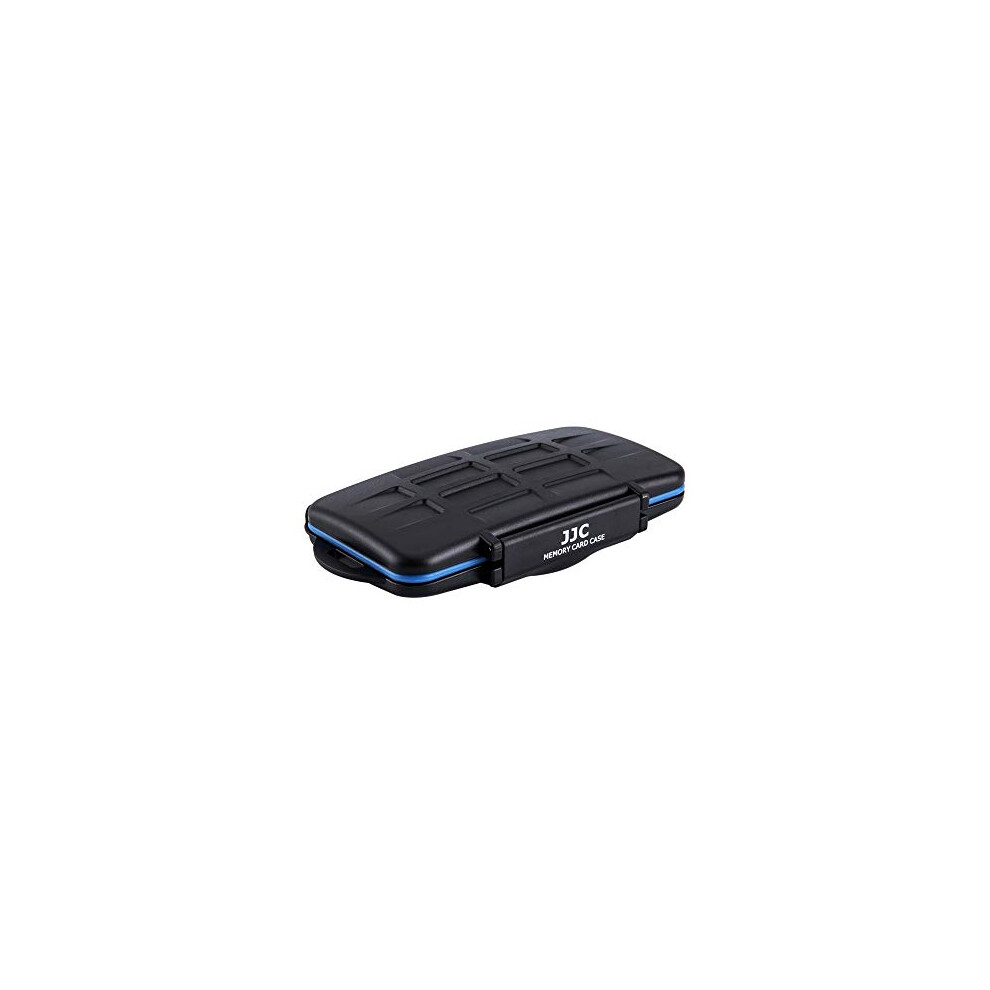
- Memory Cases such as wallets and boxes keep SD, Micro-SD, and game cards in one spot. Large bags hold around 900 cards, which suits archive keepers, while pocket holders suit field shooters.
- Electronics like card slots and sockets let you repair a camera or build a custom bay. Metal/silver parts resist wear better than paper under frequent use.
- Electronics Accessories including plastic enclosures shield USB sticks from snaps. They weigh less than leather cases but still keep a desk tidy.
Things to watch
- Leather or nylon Memory Cases add bulk to a coat pocket. Slim plastic boxes scratch easier and guard less against drops.
- Electronics such as bare card sockets need a technical fit or solder work. They are wrong for buyers who want a ready-made storage item.
- Bright colours like yellow, green, or red/yellow show scuffs faster than black or grey. White and silver hide less dirt in a camera bag.
- Paper or thin plastic materials bend under pressure. They are a poor pick for users who toss kits into a rucksack.
Care & maintenance
Wipe silicone or rubber Memory Cases with a damp cloth to stop lint reaching the card pins.
Keep metal/silver Electronics parts dry, as moisture can tarnish the contact points.
Store leather holders out of direct sun, since shades like brown or red can fade over time.
Check plastic or acrylic enclosures for clip fatigue if you open them every day.
Frequently Asked Questions
What should I look for when buying memory accessories?
When shopping for memory accessories, consider factors such as quality, price, brand reputation, and customer reviews. Compare prices across multiple retailers to ensure you're getting the best deal. Look for products that match your specific needs and budget.
How do I choose the right memory accessories?
Choosing the right memory accessories depends on your individual needs, budget, and preferences. Research different options, read customer reviews, and compare specifications. Consider what features are most important to you and look for products that offer the best value for money.
Where can I find the best deals on memory accessories?
You can find the best deals on memory accessories by comparing prices across multiple retailers. Our price comparison tool helps you find the lowest prices from trusted UK retailers including Amazon, eBay, and other major online stores. Check regularly as prices and deals change frequently.
Are memory accessories products worth the investment?
The value of memory accessories products depends on your specific needs and how you plan to use them. Quality products from reputable brands often provide better long-term value, even if they cost more initially. Consider your budget and requirements when making your decision.
What's the difference between different types of memory accessories?
Different types of memory accessories vary in features, quality, price, and intended use. Some may offer premium features while others focus on affordability. Research the specific differences between models or brands to find the option that best suits your needs and budget.