Resistors
How to choose resistors
Power
Power rating: wirewound (up to 100W) versus through-hole (under 1W). Match the rating to your current draw, not just the resistance value.
Adjustment
Fixed or adjustable: a resistor holds a set value, while a potentiometer gives user control and a trimmer allows hidden tuning. Pick fixed for stable bias.
Build
Material: metal or aluminium spreads heat, plastic/metal insulates. Choose by board environment and handling.
Appearance
Colour: gold, black, green/silver, blue/white and more are present. Select to match existing boards, as it rarely affects function.
Format
Sub-type: loose passive circuit components versus circuit boards and components. The latter suits buyers wanting pre-assembled modules.
What's good
- Wirewound resistors here go up to 100W, so they suit power supply and amplifier builds that need heat tolerance.
- Through-hole resistors with 1% tolerance give repeatable values for sensor circuits, and multipacks help batch wiring.
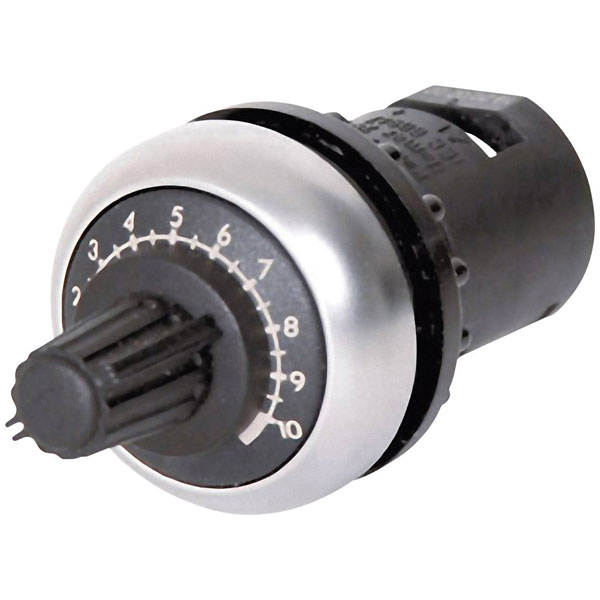
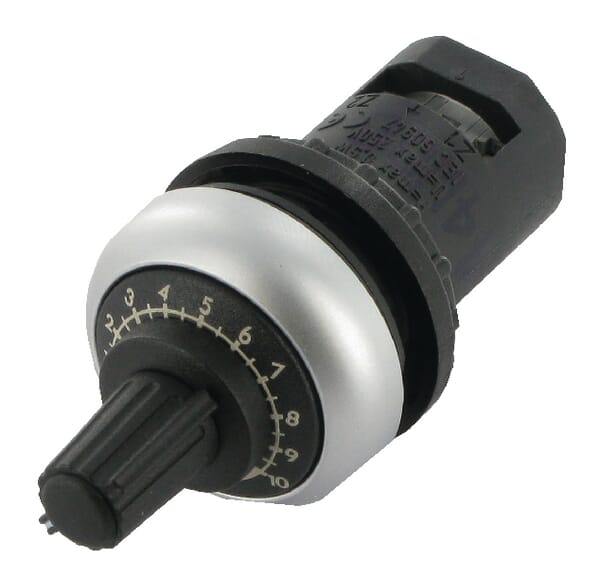
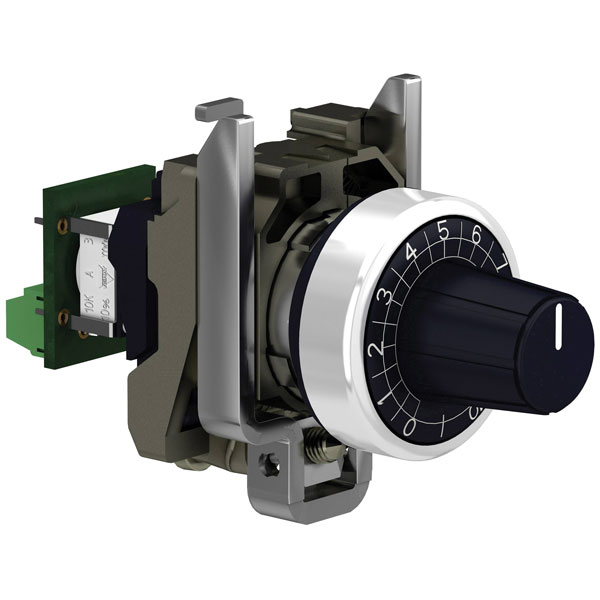
- Potentiometers and trimmers offer adjustable resistance, handy for prototyping and calibration without redesign.
- Passive circuit components need no driving circuit, keeping your board layout simple.
- Unbranded metal or plastic parts cover one-off repairs where maker traceability is not required.
Things to watch
- Wirewound resistors here go up to 100W, so they suit power supply and amplifier builds that need heat tolerance.
- Through-hole resistors with 1% tolerance give repeatable values for sensor circuits, and multipacks help batch wiring.
- Potentiometers and trimmers offer adjustable resistance, handy for prototyping and calibration without redesign.
- Passive circuit components need no driving circuit, keeping your board layout simple.
- Unbranded metal or plastic parts cover one-off repairs where maker traceability is not required.
Care & maintenance
Storage
Keep leaded parts in a dry place to stop tin/iron/steel leads from oxidising before use.
Adjustment care
Turn trimmers with a screwdriver, not fingers, to avoid chipping the housing or shifting calibration.
Cleaning
Wipe aluminium or silver bodies with a dry cloth, and keep solvents away from plastic/metal hybrids.
Inspection
Check wirewound resistors for heat staining during service, especially in enclosed cases.
Frequently Asked Questions
What should I look for when buying resistors?
When shopping for resistors, consider factors such as quality, price, brand reputation, and customer reviews. Compare prices across multiple retailers to ensure you're getting the best deal. Look for products that match your specific needs and budget.
How do I choose the right resistors?
Choosing the right resistors depends on your individual needs, budget, and preferences. Research different options, read customer reviews, and compare specifications. Consider what features are most important to you and look for products that offer the best value for money.
Where can I find the best deals on resistors?
You can find the best deals on resistors by comparing prices across multiple retailers. Our price comparison tool helps you find the lowest prices from trusted UK retailers including Amazon, eBay, and other major online stores. Check regularly as prices and deals change frequently.
Are resistors products worth the investment?
The value of resistors products depends on your specific needs and how you plan to use them. Quality products from reputable brands often provide better long-term value, even if they cost more initially. Consider your budget and requirements when making your decision.
What's the difference between different types of resistors?
Different types of resistors vary in features, quality, price, and intended use. Some may offer premium features while others focus on affordability. Research the specific differences between models or brands to find the option that best suits your needs and budget.