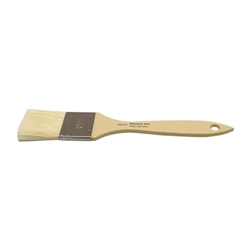
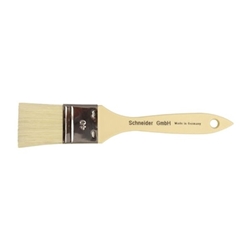
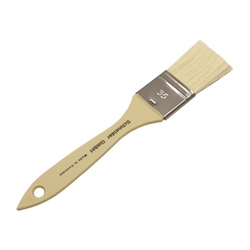
Basting Brushes
How to choose basting brushes
Head material
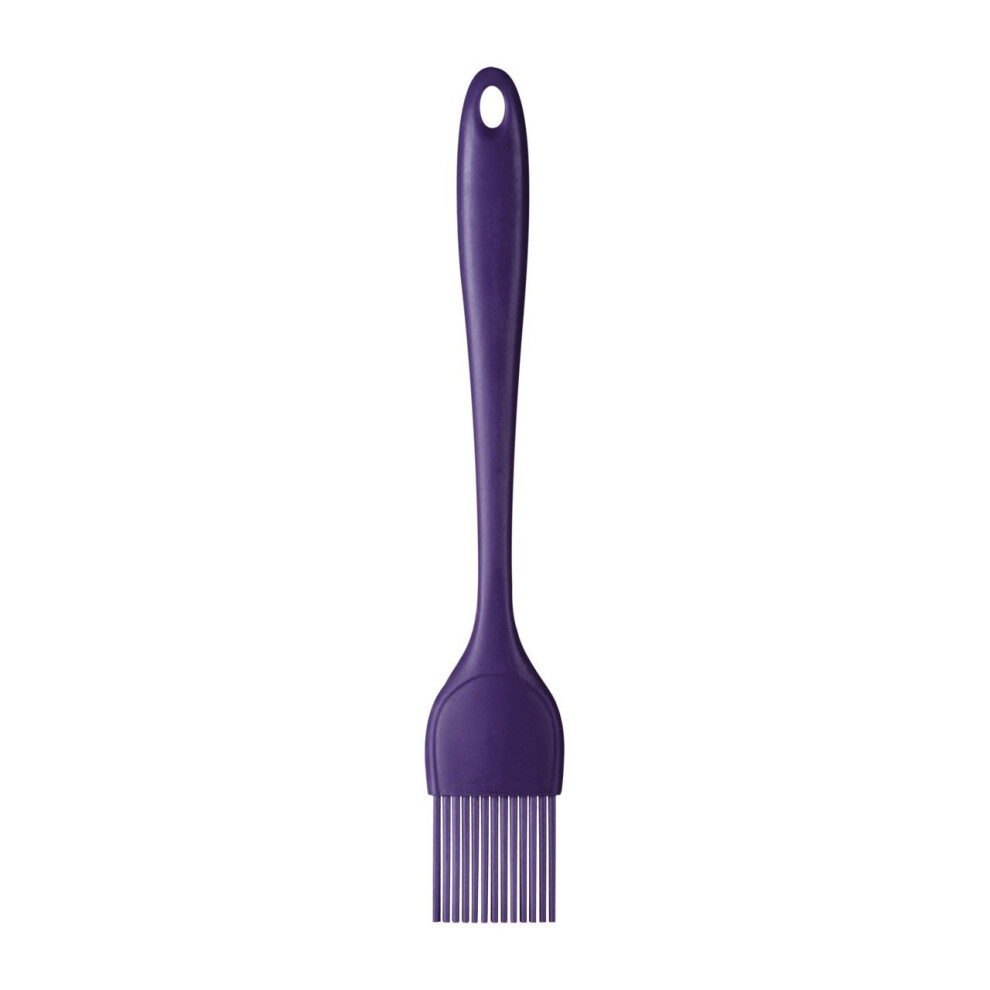
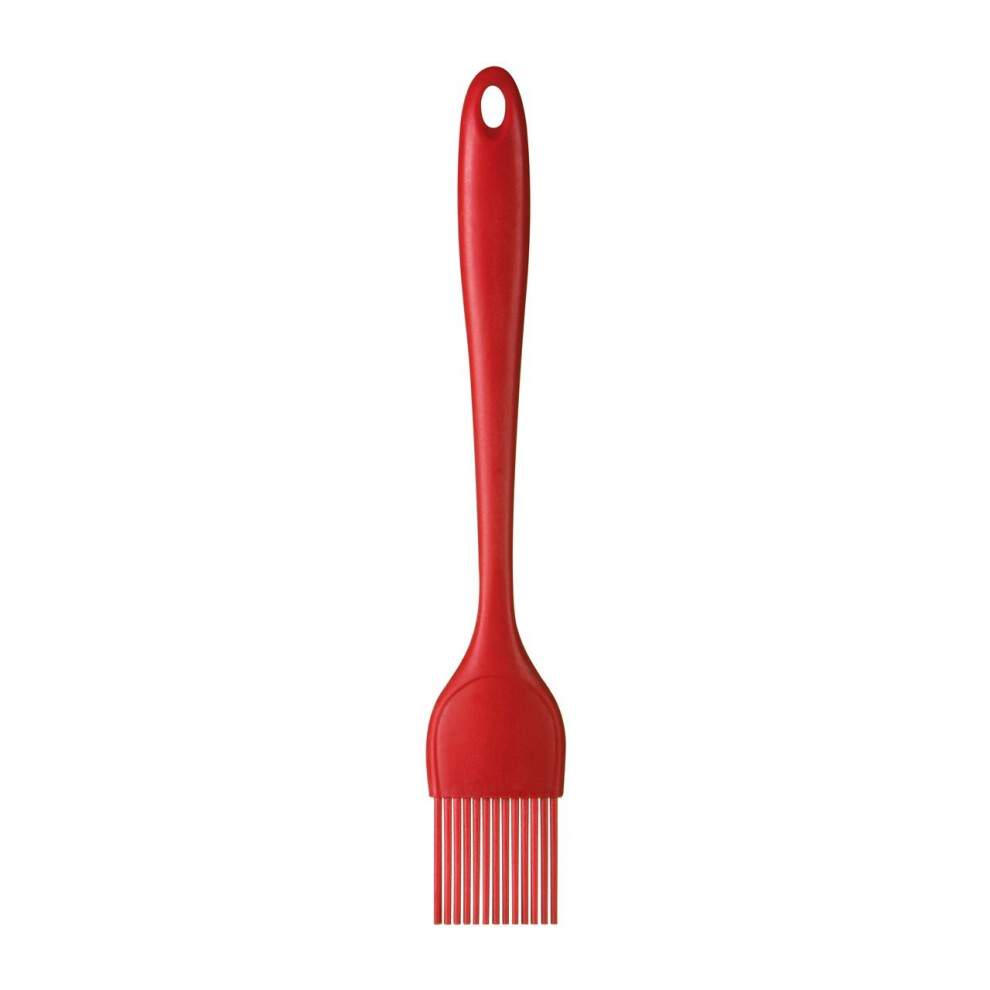
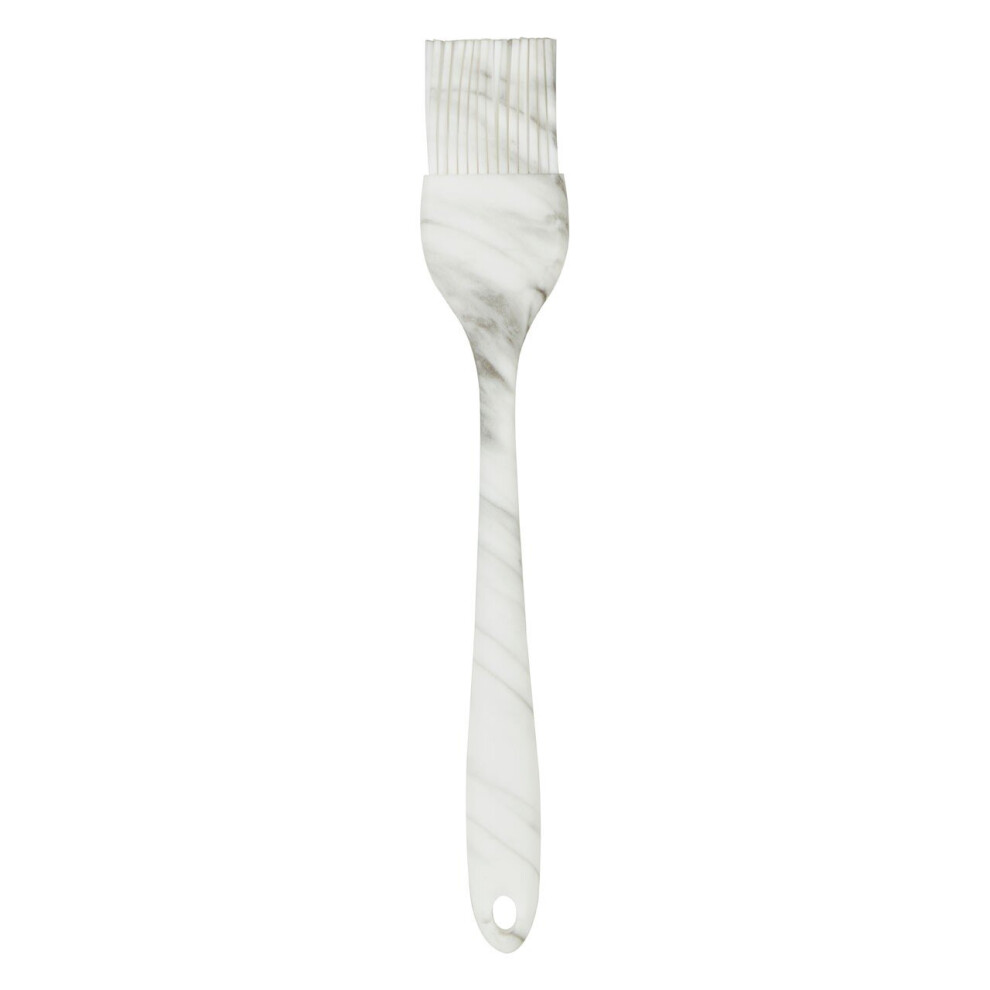
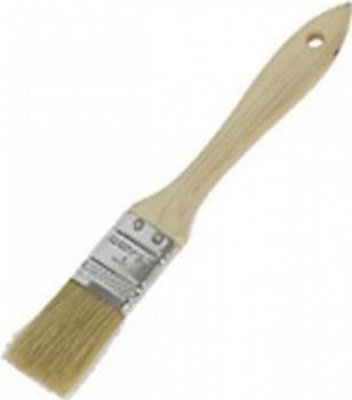
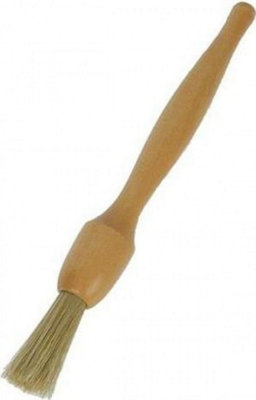
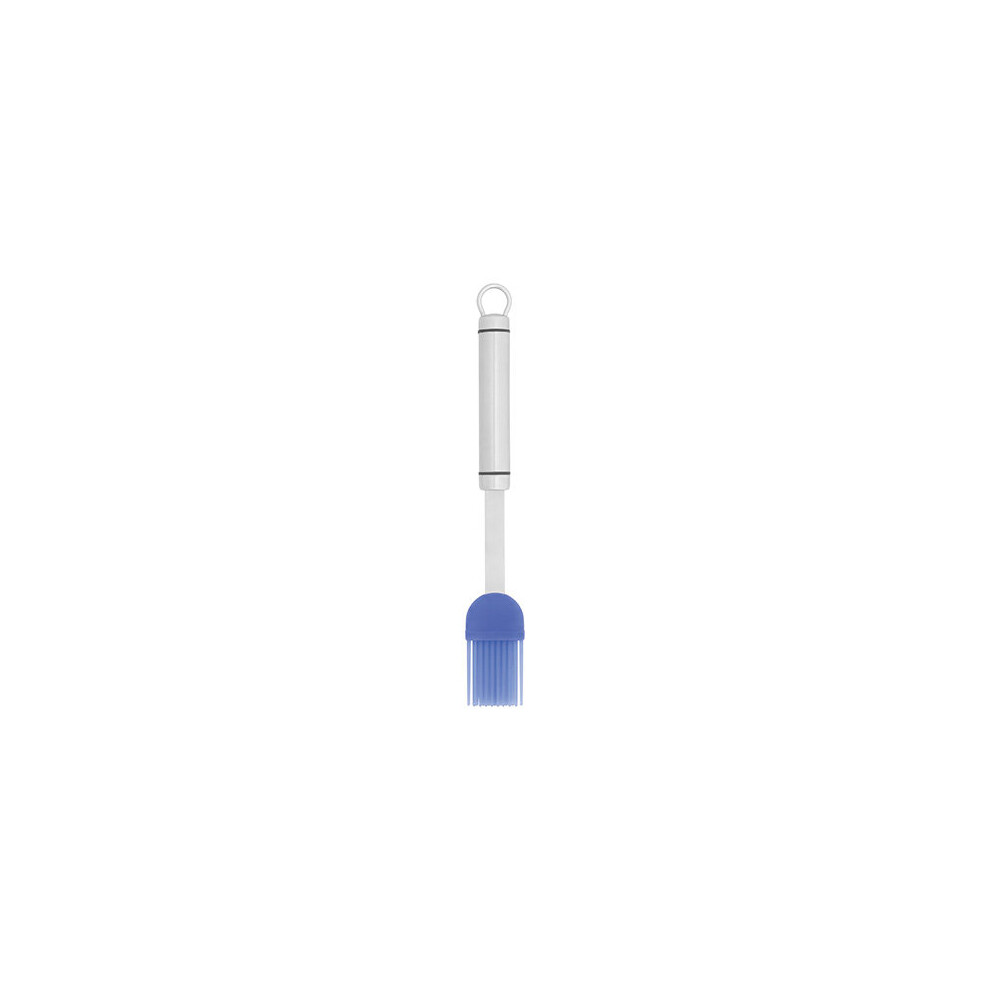
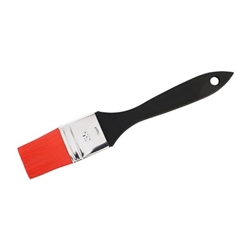
Head material drives the call: silicone for heat resistance, natural bristles for traditional finish. Pick wrong and you limit use.
Handle build
Handle choice splits between stainless steel durability and wood or bamboo lightness. Heavy users may prefer the former, kids or occasional cooks the latter.
Colour
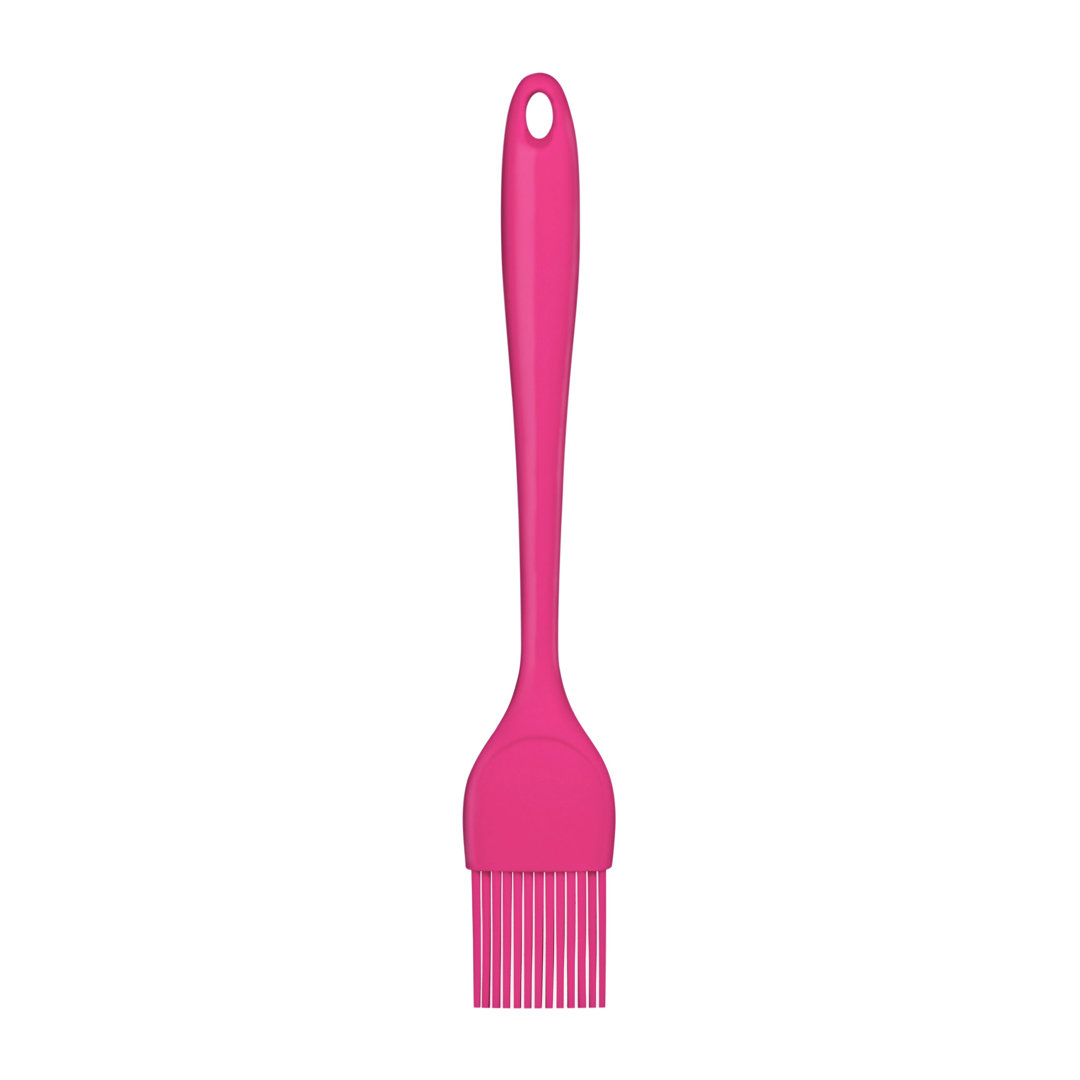
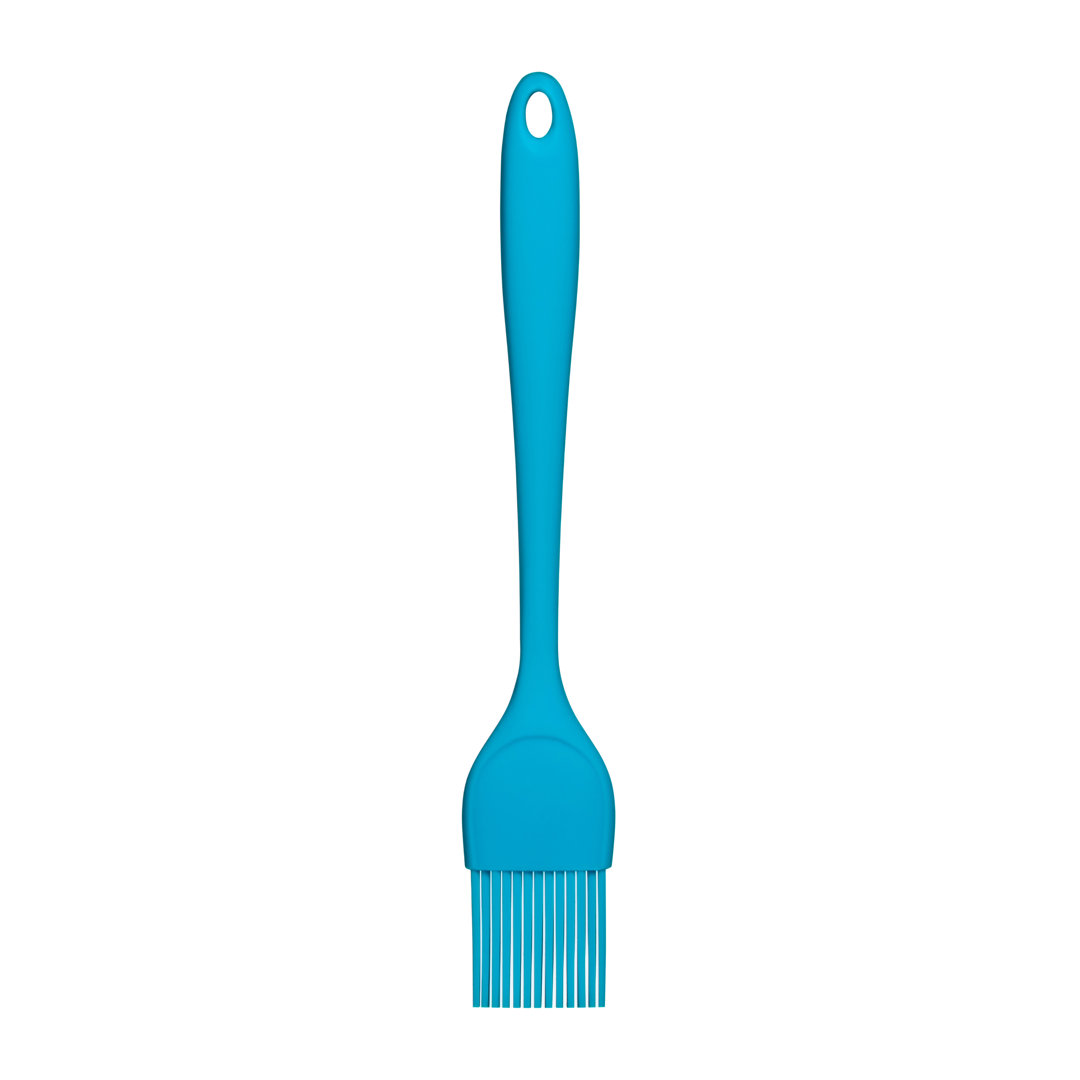
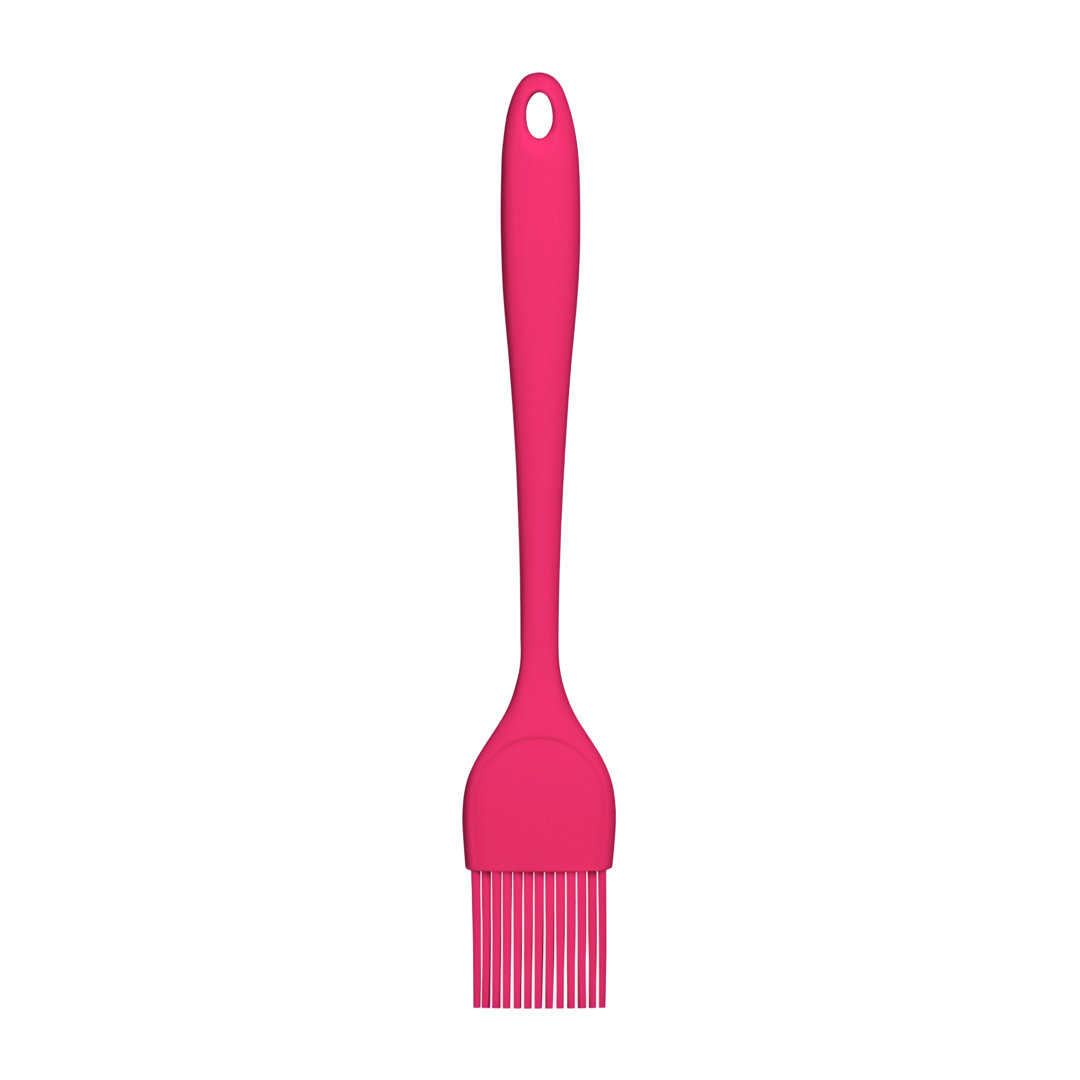
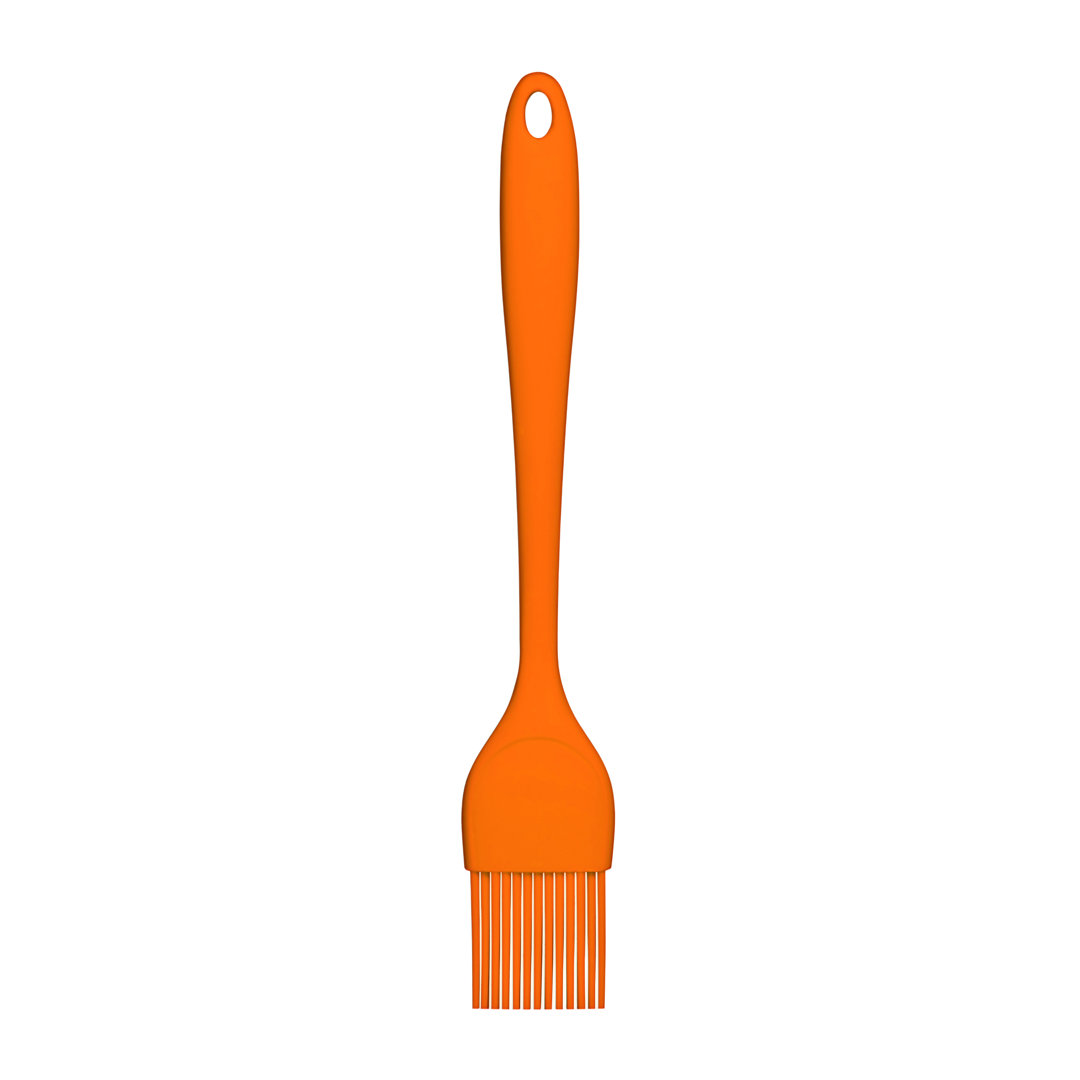
Colour runs from black, red, pink, silver, brown, white, beige, blue, green to orange. Hue is cosmetic, not functional, so match your kitchen scheme without fear.
Sub type context
Listings sit under Kitchen Tools & Utensils, Kitchen & Dining, and Home & Garden. The same tier may surface in any, so scan each context for stock.
Bristle width
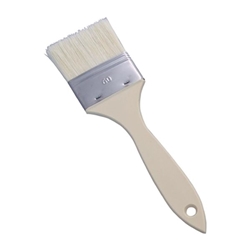
Bristle width matters: the 2.5 cm flat types suit precision work, wider heads cover trays fast. Choose by task, not habit.
What's good
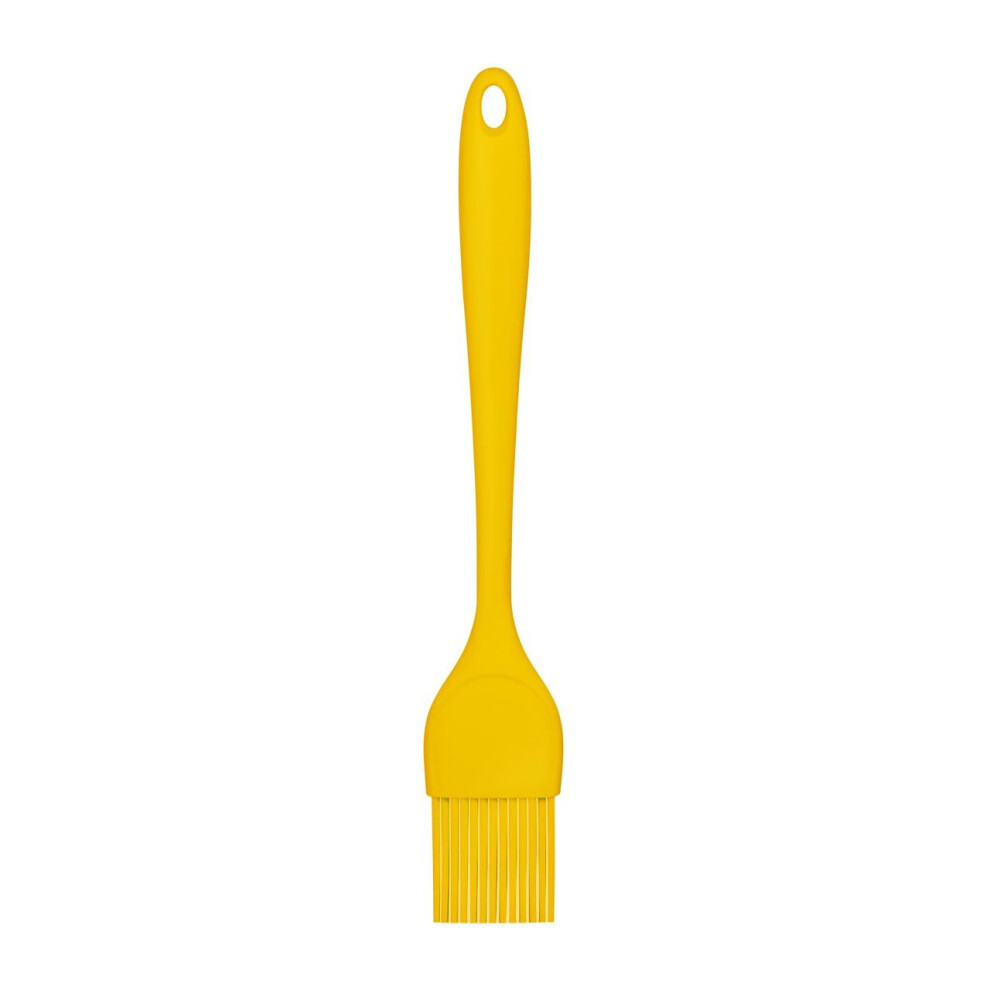
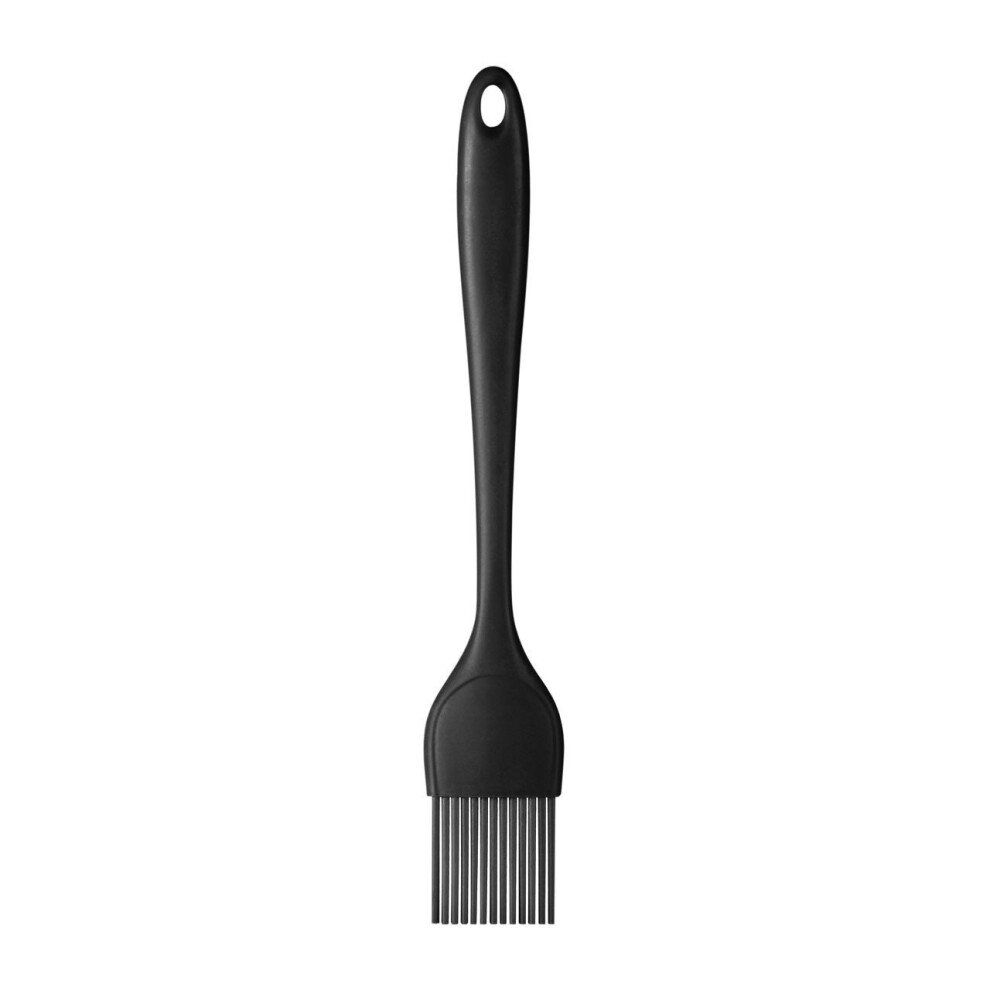
- Silicone headed brushes, including silicone/stainless steel mixes, shrug off heat and rinse clean in seconds. Good for daily cooks.
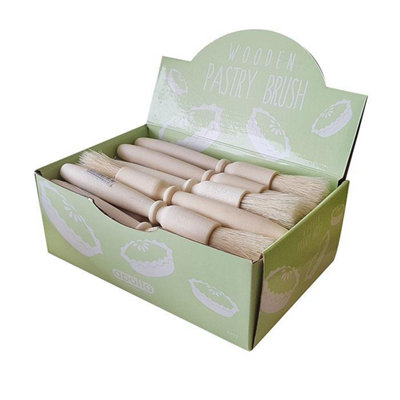
- Wood or bamboo handled types with natural bristles let traditional bakers lay a thin egg wash on pastry edges.
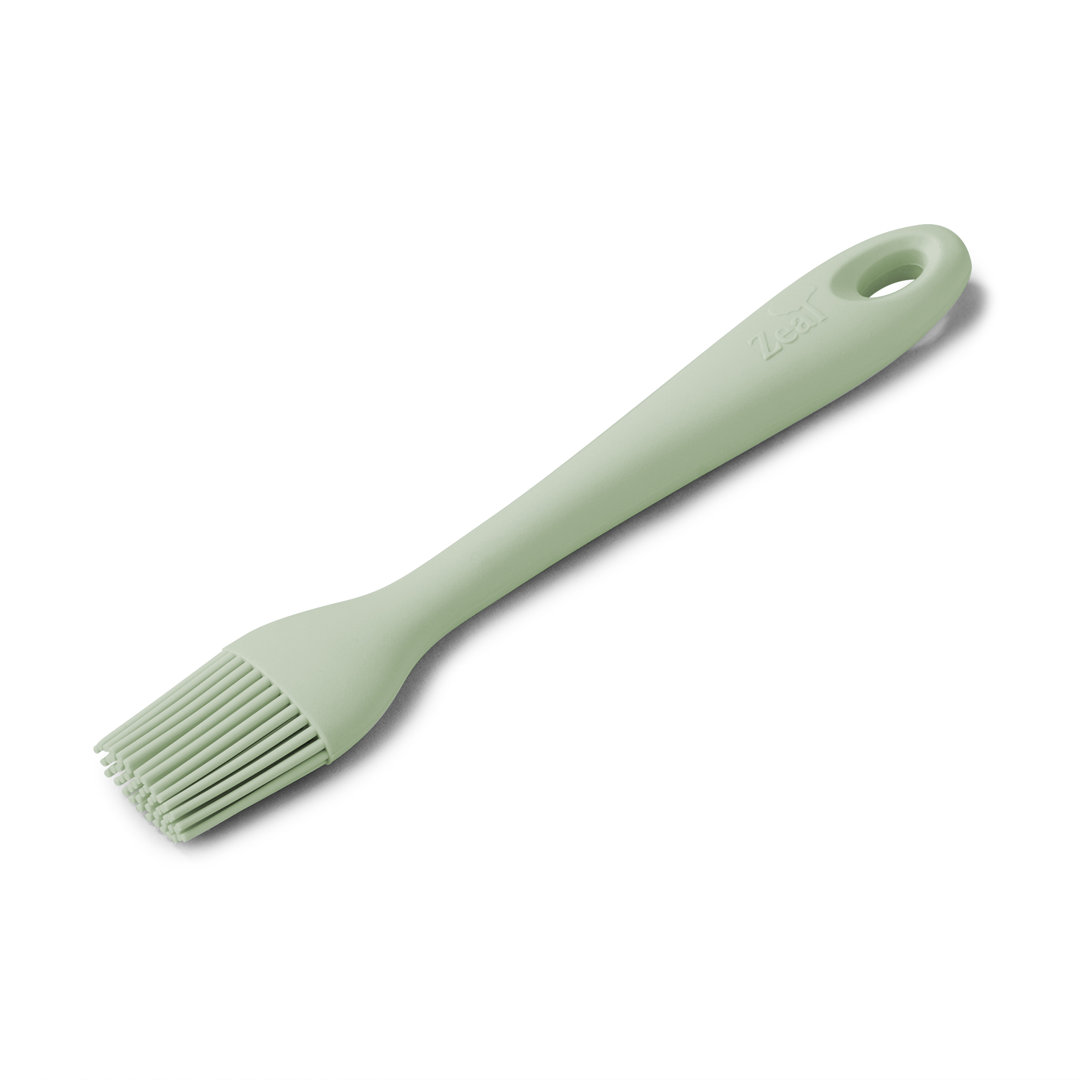
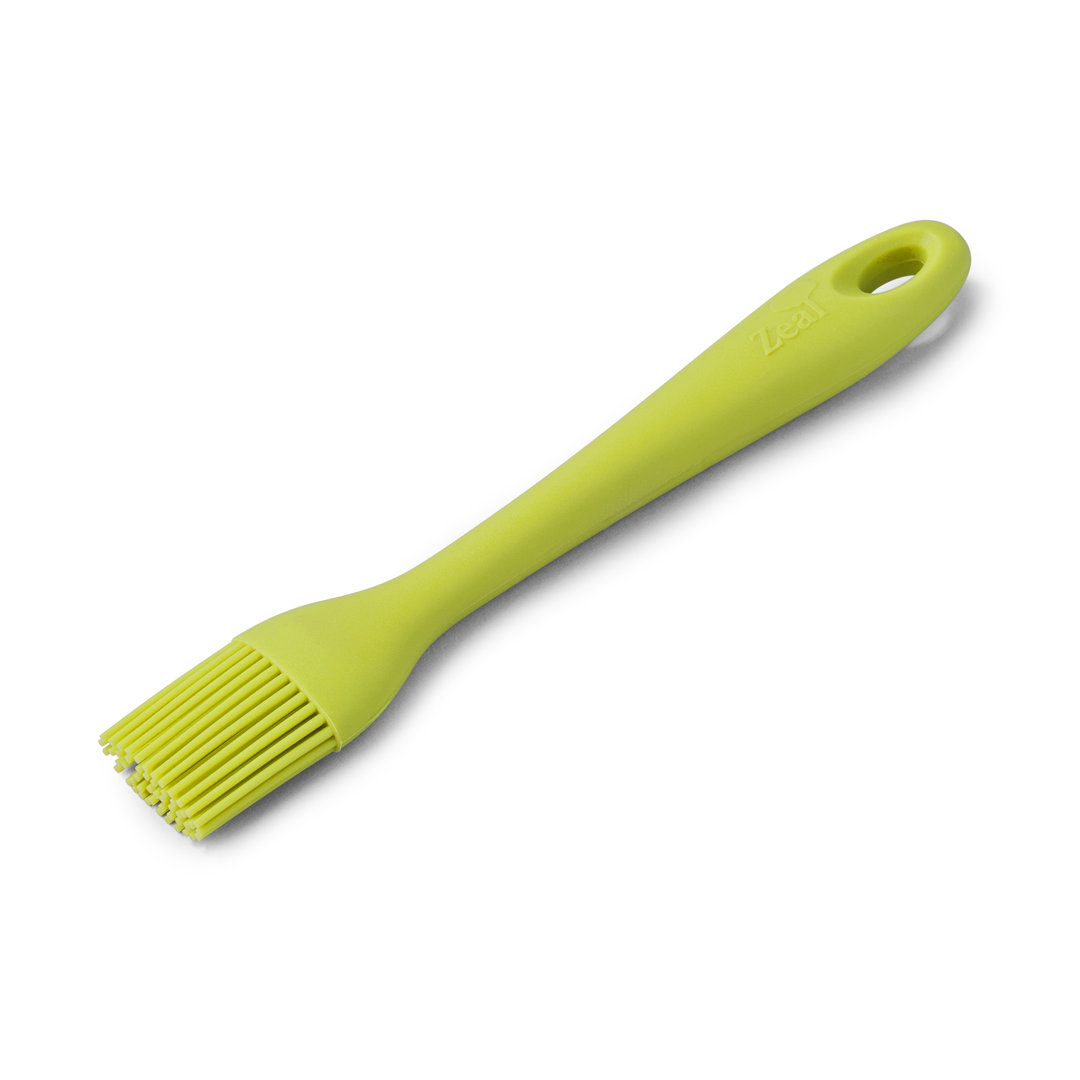
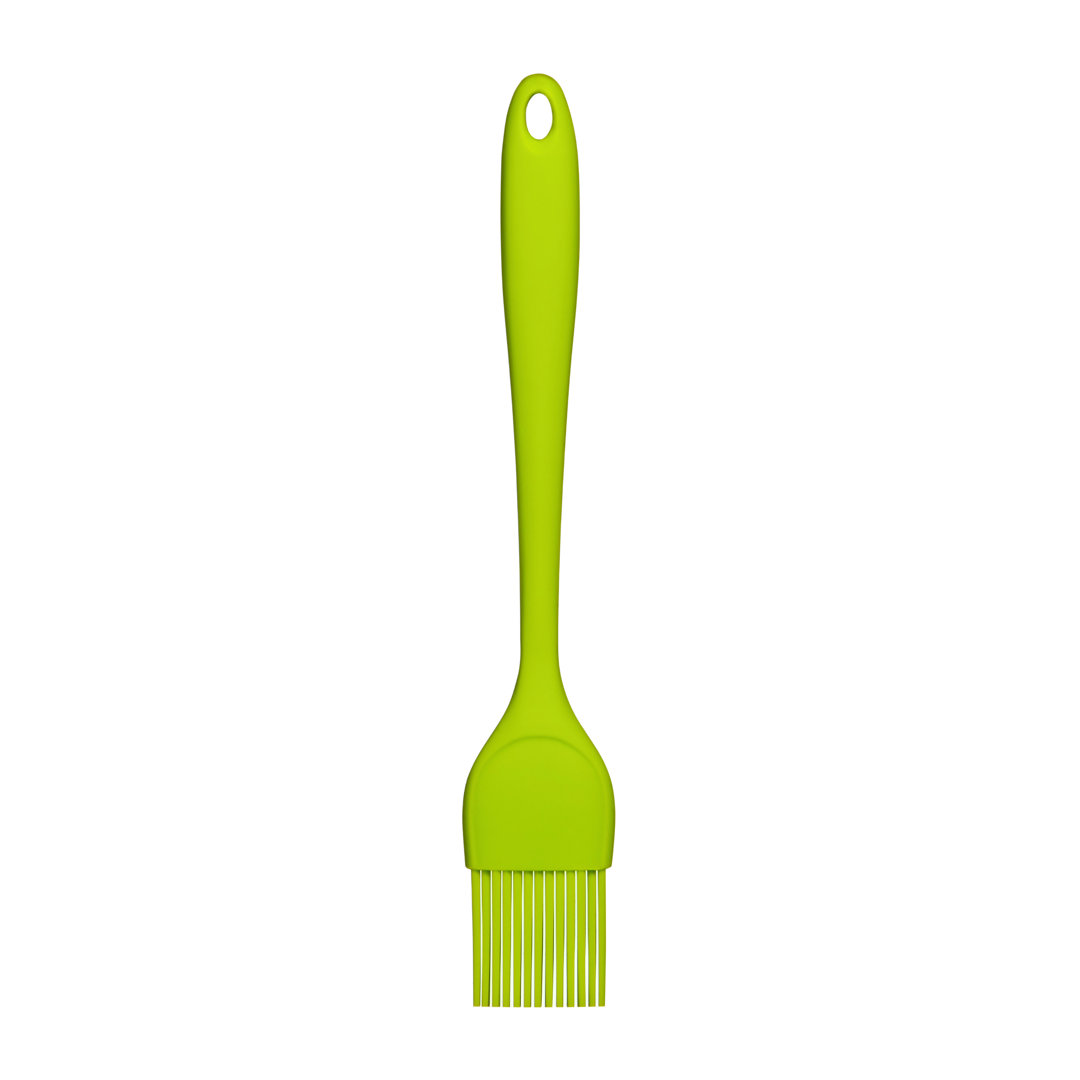
- Full silicone builds, seen in green or mustard tones, shed no bristles so food stays clean.
- Stainless steel handled tiers feel solid and survive repeated dishwasher trips.
- Two piece wooden sets suit batch baking, giving a spare while one dries.
Things to watch
- Natural bristle wood brushes hold grease if rushed, so they need prompt washing after use.
- All silicone heads can feel stiff for fine detail work on small patisserie items.
- Nylon or plastic only tiers may soften near hot trays, which limits them to cold sauces.
- Stainless steel combined with silicone adds weight, tiring the wrist during long baking sessions.
- Cloth type brushes lack spring, so they spread less evenly than bristled cousins.
Care & maintenance
Sub type context
Listings sit under Kitchen Tools & Utensils, Kitchen & Dining, and Home & Garden. The same tier may surface in any, so scan each context for stock.
Silicone care
Pop silicone heads in the dishwasher, but wipe the steel handle dry to prevent water marks.
Wood care
Hand wash wood and bamboo handles, then rub with food oil now and then to avoid cracks.
Bristle care
Rinse natural bristles in warm water straight after use, before fat hardens.
Frequently Asked Questions
What should I look for when buying basting brushes?
When shopping for basting brushes, consider factors such as quality, price, brand reputation, and customer reviews. Compare prices across multiple retailers to ensure you're getting the best deal. Look for products that match your specific needs and budget.
How do I choose the right basting brushes?
Choosing the right basting brushes depends on your individual needs, budget, and preferences. Research different options, read customer reviews, and compare specifications. Consider what features are most important to you and look for products that offer the best value for money.
Where can I find the best deals on basting brushes?
You can find the best deals on basting brushes by comparing prices across multiple retailers. Our price comparison tool helps you find the lowest prices from trusted UK retailers including Amazon, eBay, and other major online stores. Check regularly as prices and deals change frequently.
Are basting brushes products worth the investment?
The value of basting brushes products depends on your specific needs and how you plan to use them. Quality products from reputable brands often provide better long-term value, even if they cost more initially. Consider your budget and requirements when making your decision.
What's the difference between different types of basting brushes?
Different types of basting brushes vary in features, quality, price, and intended use. Some may offer premium features while others focus on affordability. Research the specific differences between models or brands to find the option that best suits your needs and budget.