Canteens
How to choose canteens
Considerations
First, pick the sub-type. Food & Beverage Carriers suit water transport, while Home & Garden leans to storage and Kitchen & Dining to table ready items.
Considerations
Material drives lifespan. Plastic is fine for light use, aluminium or stainless steel withstands rougher handling but weighs more.
Considerations
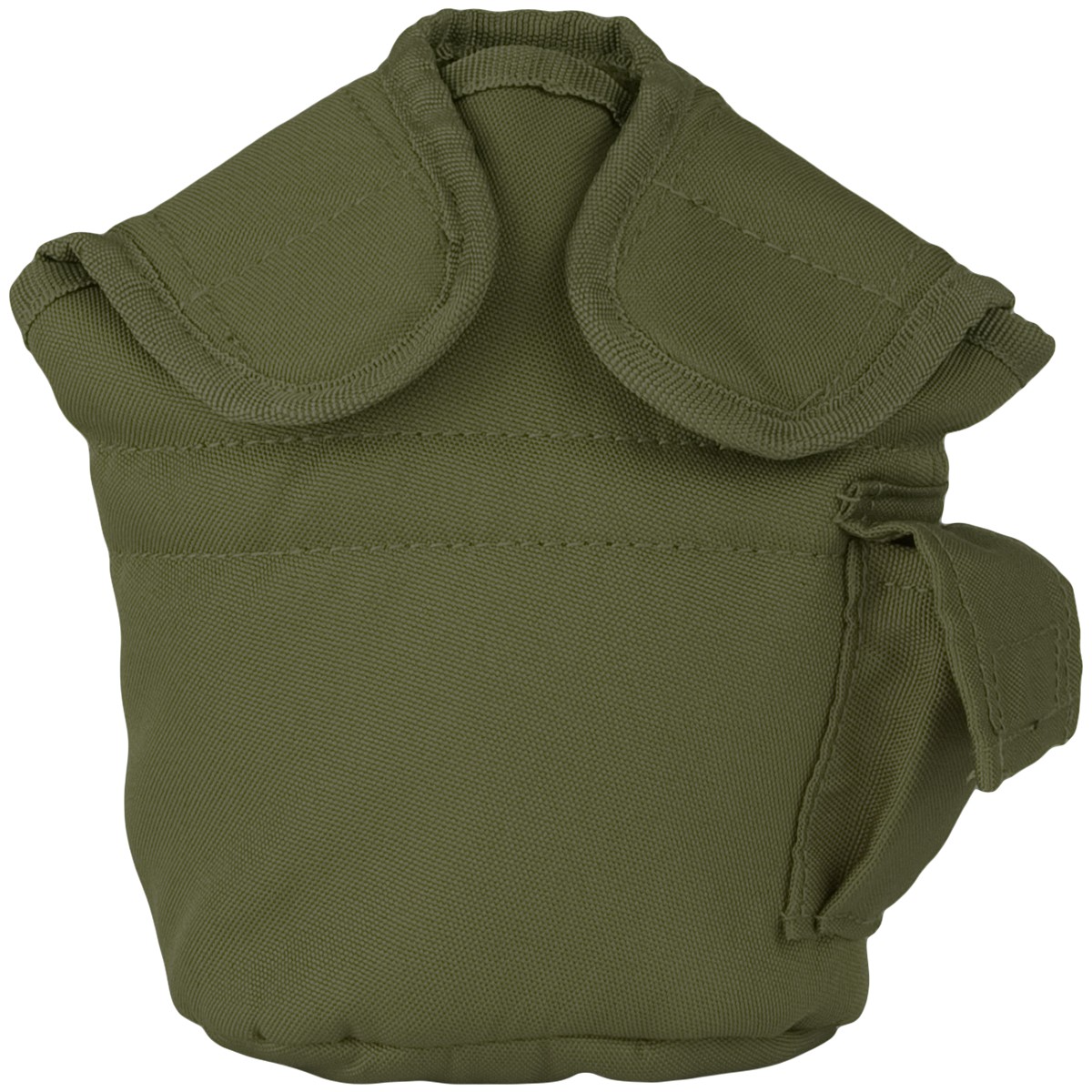
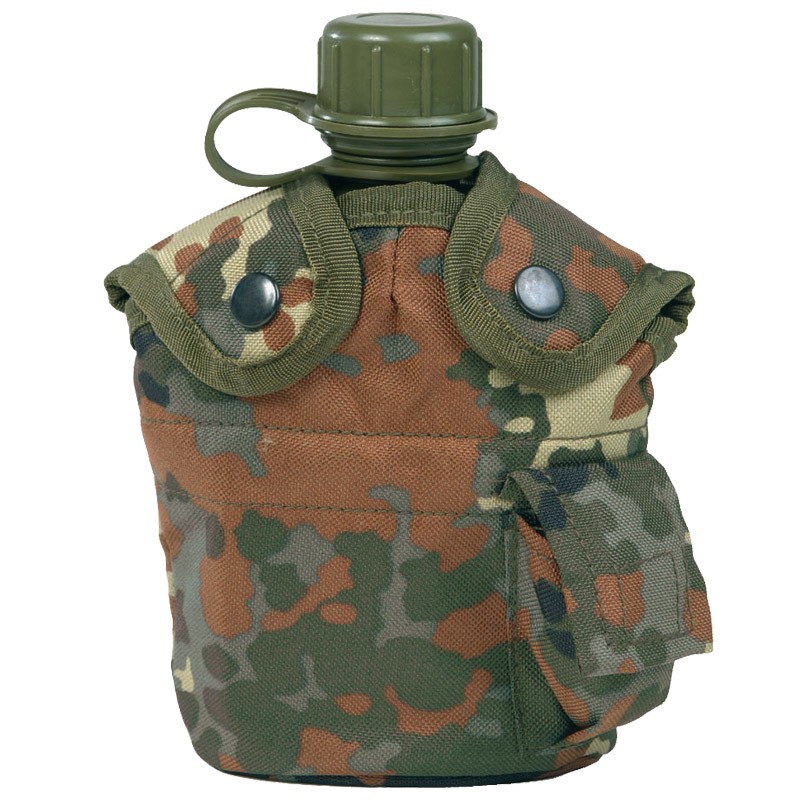
Colour is not just style. Olive or green hides dirt on a camp field, white shows it in a kitchen.
Considerations
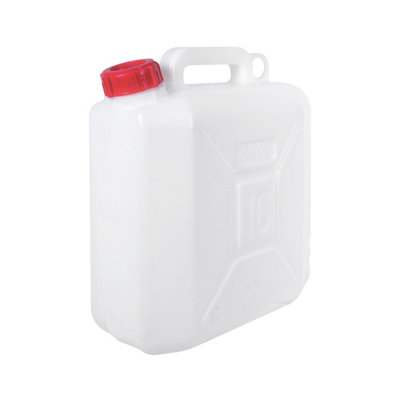
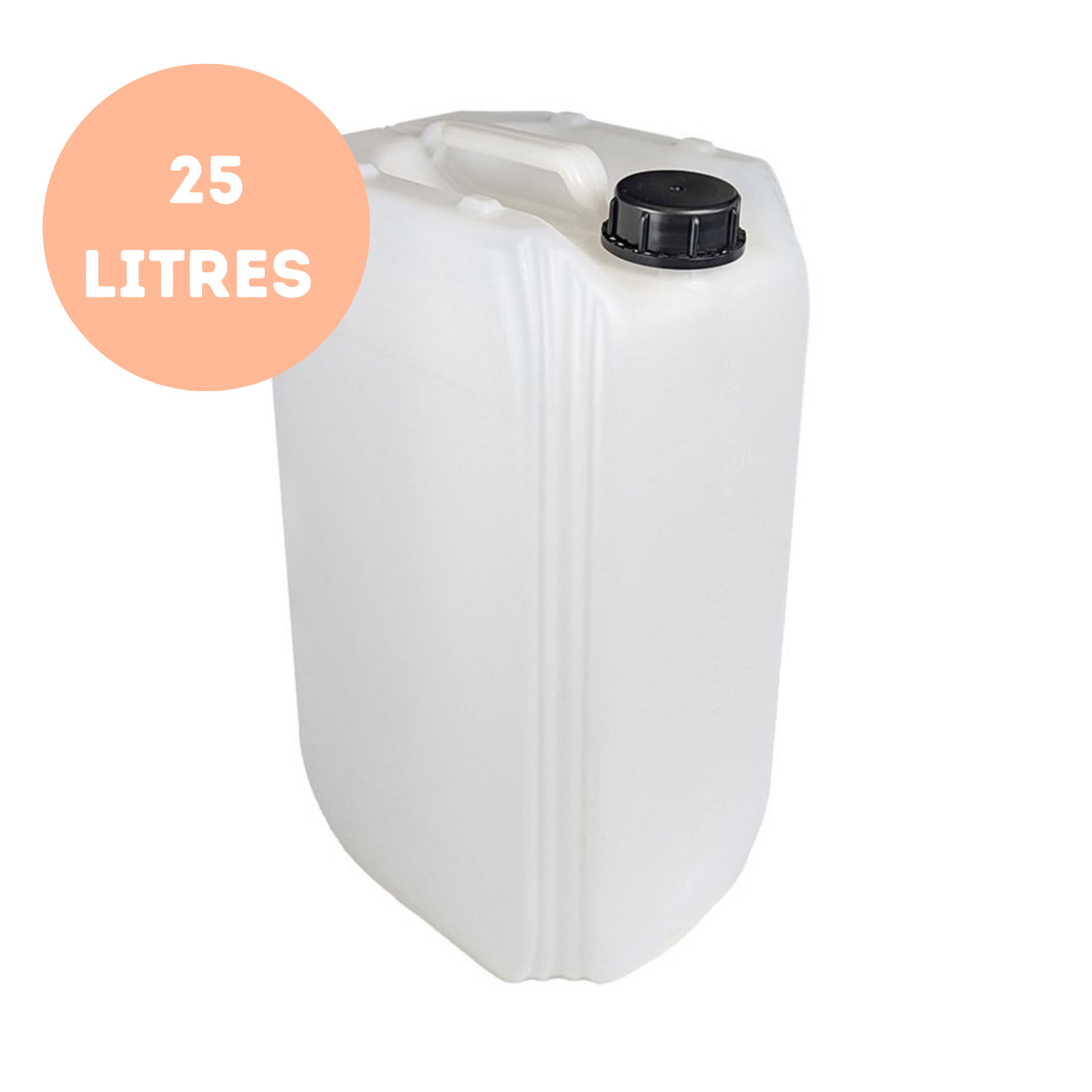
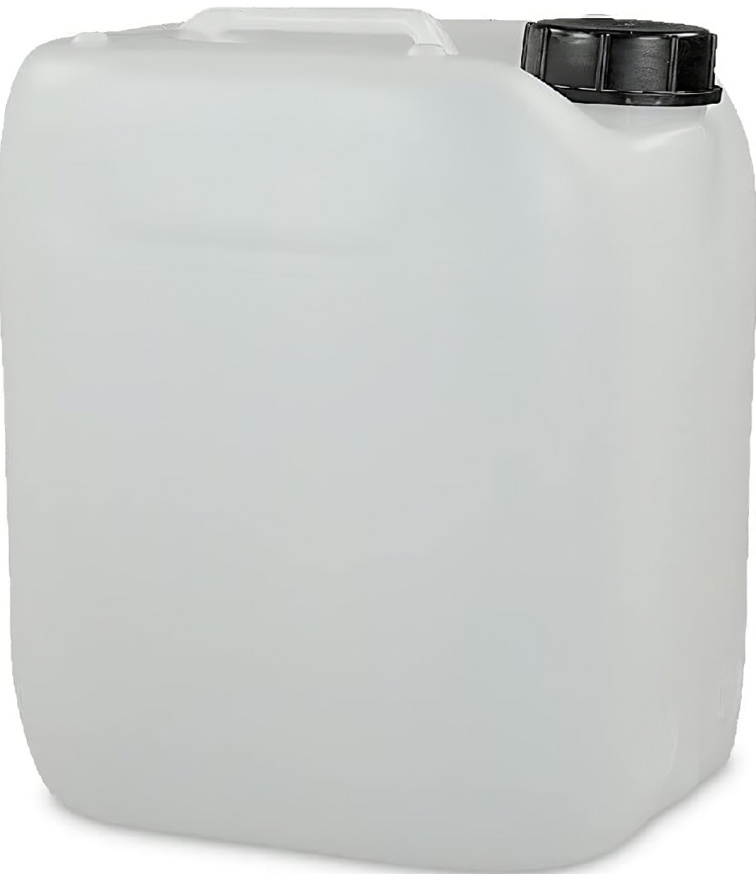
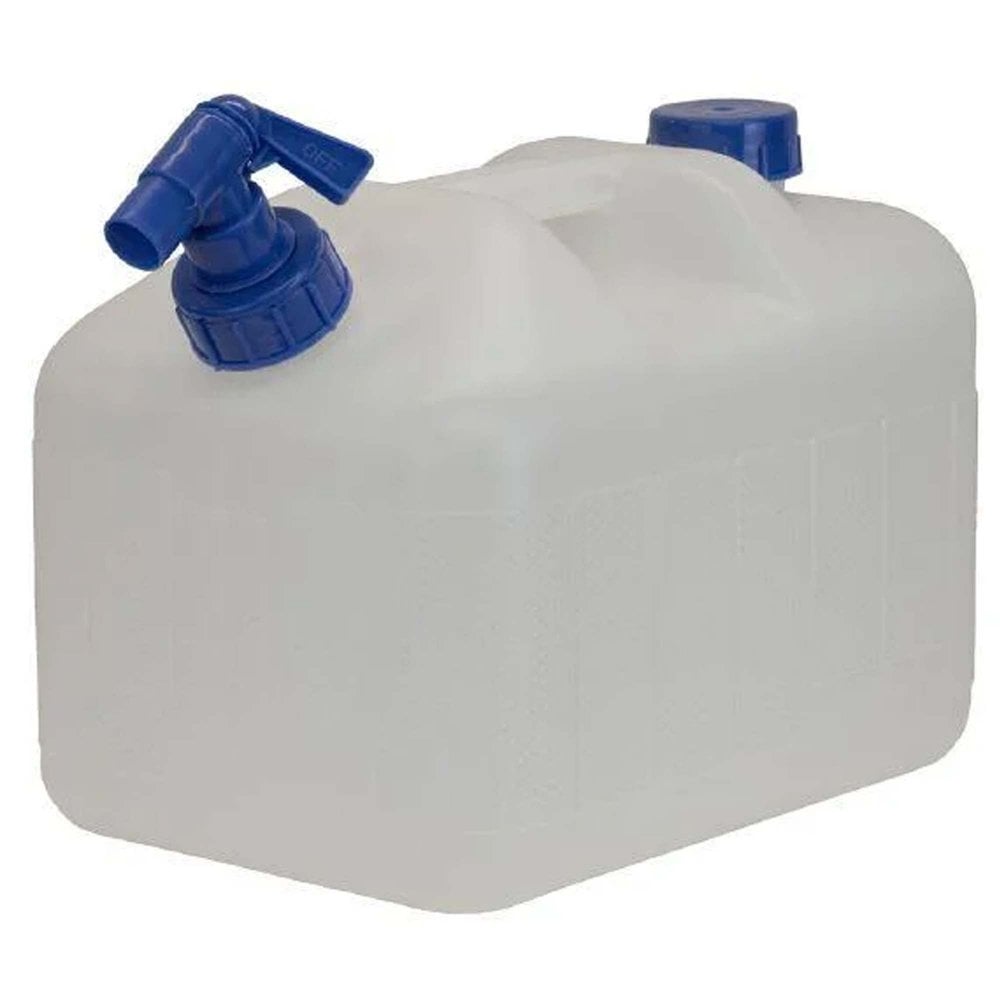
Capacity trades off against heft. A 5L or 10L plastic can is easy to move, a 23L can stores more but needs two hands.
Considerations
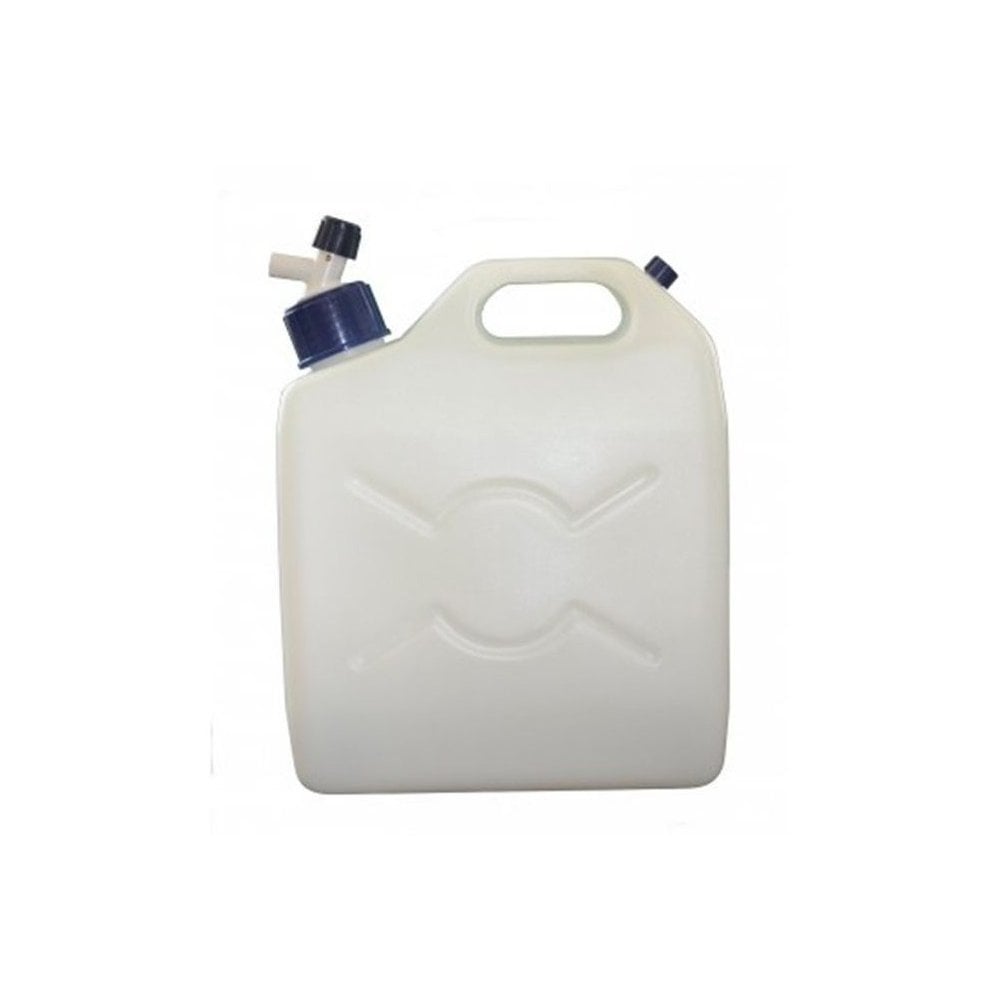
Extra features like taps suit static use, not hiking. A plain bottle type is better for movement.
What's good
- Plastic jerry cans in the Food & Beverage Carriers type often come UN certified food grade. That means they are safe for drinking water on camping trips or emergency stores.
- Metal and stainless steel builds under Kitchen & Dining resist dents from daily knocks. They suit buyers who want a canteen that survives drops on a tiled floor.
- Large capacity plastic containers, some at 10L or more, cut the number of refill runs at a campsite. They are a fit for families, not just solo walkers.
- Colour options like olive, green, black, white or brown let you match kit to use. A black or olive can hides scuffs in the garden better than white.
Things to watch
- Plastic is light but can split if stacked under heavy weight in a shed. Metal versions avoid this but add carrying heft.
- A 23L jerry can full of water is awkward to lift, even with a handle. Smaller 2L bottle types trade capacity for easy solo transport.
- Velvet material looks soft in a Kitchen & Dining setting but marks from spills are tough to shift. Stainless steel wipes clean with a cloth.
- Containers with taps and spouts (common in Food & Beverage Carriers) give controlled pouring yet have extra joints to dry. Skip them if you want a sealed simple can.
Care & maintenance
Maintenance
Rinse plastic water carriers with warm water after use, especially if they are food grade. Leftover liquid turns stale fast.
Maintenance
Dry stainless steel and metal cans with a towel to stop spots at the seams. Airing them open prevents musty smells.
Maintenance
Keep velvet finished canteens indoors or in a dry cupboard. Damp sheds lead to mould on the fabric.
Maintenance
For large jerry cans with taps, leave the cap and tap loose between trips. This stops stale air building up.
Frequently Asked Questions
What should I look for when buying canteens?
When shopping for canteens, consider factors such as quality, price, brand reputation, and customer reviews. Compare prices across multiple retailers to ensure you're getting the best deal. Look for products that match your specific needs and budget.
How do I choose the right canteens?
Choosing the right canteens depends on your individual needs, budget, and preferences. Research different options, read customer reviews, and compare specifications. Consider what features are most important to you and look for products that offer the best value for money.
Where can I find the best deals on canteens?
You can find the best deals on canteens by comparing prices across multiple retailers. Our price comparison tool helps you find the lowest prices from trusted UK retailers including Amazon, eBay, and other major online stores. Check regularly as prices and deals change frequently.
Are canteens products worth the investment?
The value of canteens products depends on your specific needs and how you plan to use them. Quality products from reputable brands often provide better long-term value, even if they cost more initially. Consider your budget and requirements when making your decision.
What's the difference between different types of canteens?
Different types of canteens vary in features, quality, price, and intended use. Some may offer premium features while others focus on affordability. Research the specific differences between models or brands to find the option that best suits your needs and budget.