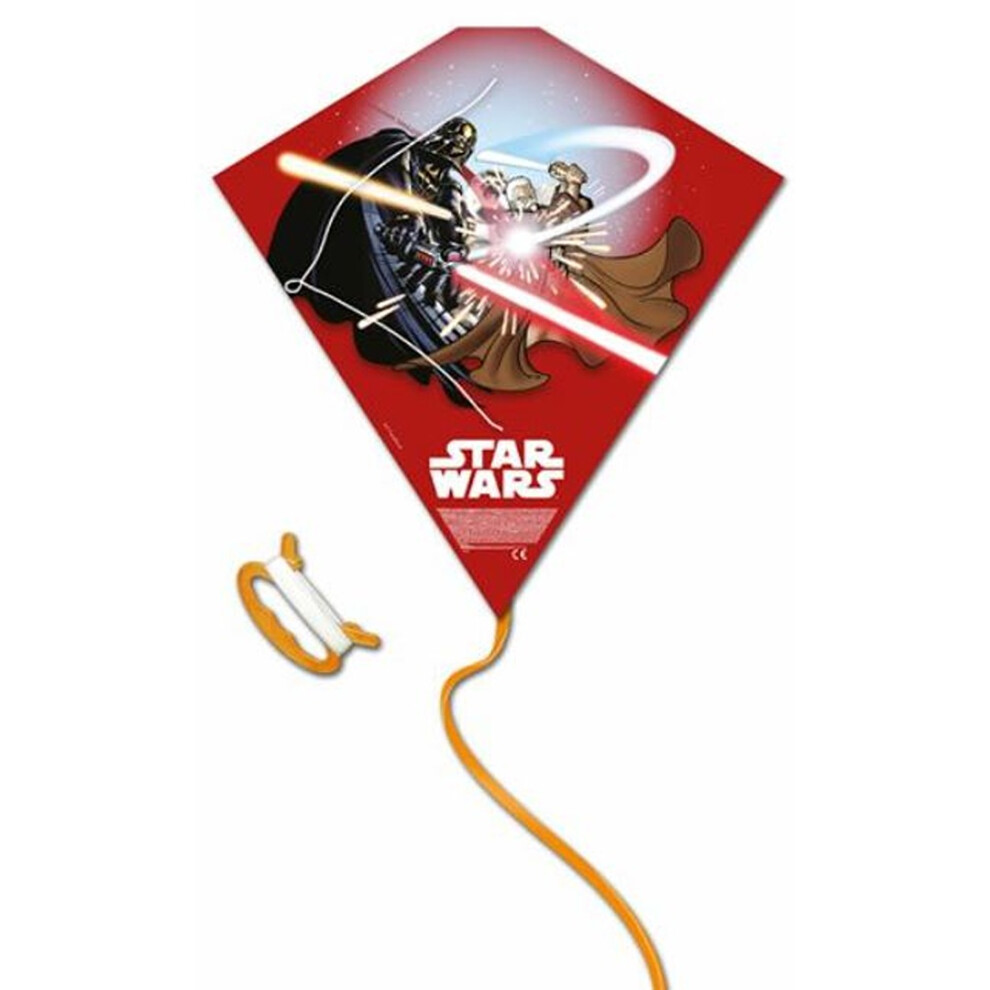
Kites
How to choose kites
Sub-type tag
The grid tags items as Toys, Toys & Games or Flying Toys. Flying Toys hold the active kites, while some craft kites sit under Toys.
Control style
Pick between single-line easy flyers and dual-line stunt types. Base it on control preference.
Material
Weigh material: ripstop nylon sail and polyester survive repeated winds. Paper suits calm garden play.
Size and space
Think about size and tail. Large delta or dragon kites need space, smaller stunt kites fit tighter spots.
Ready vs DIY
Decide if you want a ready-made multicolor kite or a blank cloth kite to paint. The DIY route adds prep time.
What's good
- Easy-fly single-line delta and dragon kites suit first-time fliers. They often come with a long tail for stability.
- Dual-line stunt kites give two-handed control for tricks. They suit buyers who want active input rather than passive drift.
- DIY blank painting kites turn the sail into a craft project. Good for school tasks or parties before any flight.
- Material choice is broad. Ripstop nylon sail handles tough outdoor use, while paper gives light, calm-day novelty.
- Colour runs from white and blue to gold and multicolor. You can match a kite to an event or taste.
Things to watch
- Large dragon or huge delta kites need open parks. They are awkward in small gardens or gusty alleys.
- Dual-line stunt kites demand skill. They are poor for relaxed family outings where hands-off flight is wanted.
- Paper and cloth/silk/wood kites lack weather resistance. A damp afternoon can end play early.
- Blank DIY kites need decorating before flight. Not right if you want instant outdoor fun.
- Nylon/wood frames add strength but increase weight. That can hinder lift in light wind.
Care & maintenance
Dry sails
Dry nylon and polyester sails after damp use. Fold loosely to avoid mildew.
Inspect frame
Check wood or plastic spars for splits before each flight. This matters for nylon/wood or plastic/polyester builds.
Paper storage
Store paper kites flat in a dry place. Rolling them tight causes creases and tears.
Line care
Rewind line onto its reel after stunt sessions. This stops tangles on the dual strings.
Frequently Asked Questions
What should I look for when buying kites?
When shopping for kites, consider factors such as quality, price, brand reputation, and customer reviews. Compare prices across multiple retailers to ensure you're getting the best deal. Look for products that match your specific needs and budget.
How do I choose the right kites?
Choosing the right kites depends on your individual needs, budget, and preferences. Research different options, read customer reviews, and compare specifications. Consider what features are most important to you and look for products that offer the best value for money.
Where can I find the best deals on kites?
You can find the best deals on kites by comparing prices across multiple retailers. Our price comparison tool helps you find the lowest prices from trusted UK retailers including Amazon, eBay, and other major online stores. Check regularly as prices and deals change frequently.
Are kites products worth the investment?
The value of kites products depends on your specific needs and how you plan to use them. Quality products from reputable brands often provide better long-term value, even if they cost more initially. Consider your budget and requirements when making your decision.
What's the difference between different types of kites?
Different types of kites vary in features, quality, price, and intended use. Some may offer premium features while others focus on affordability. Research the specific differences between models or brands to find the option that best suits your needs and budget.