Toy Cars
How to choose toy cars
Sub-type
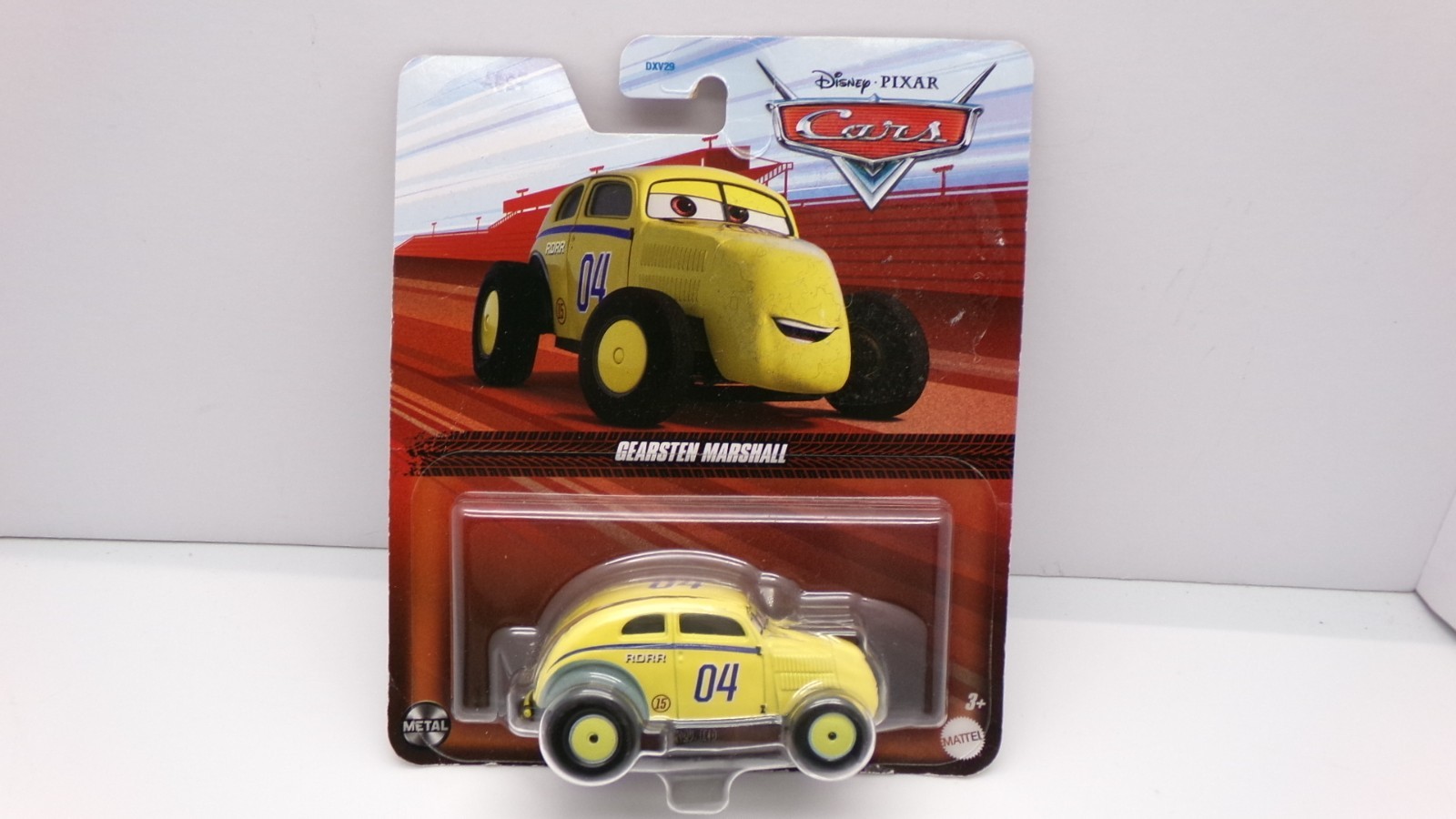
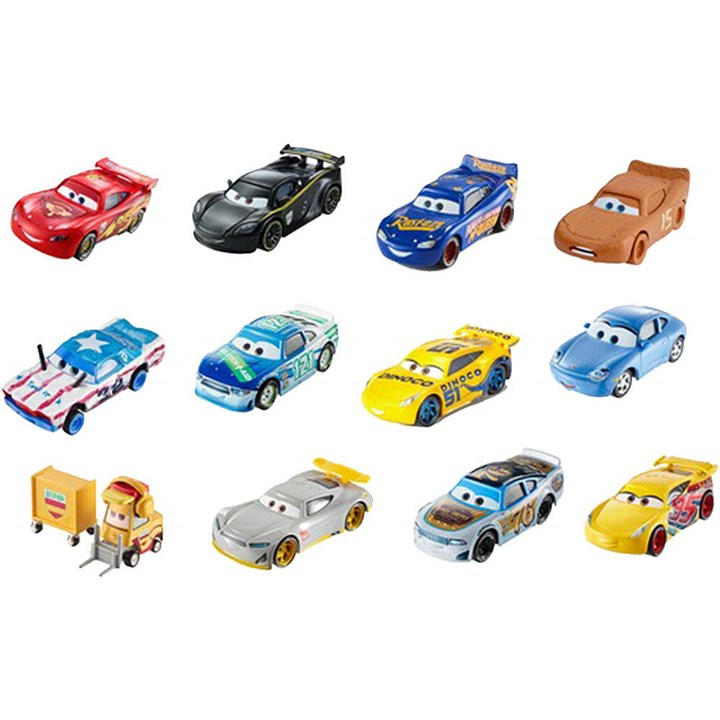
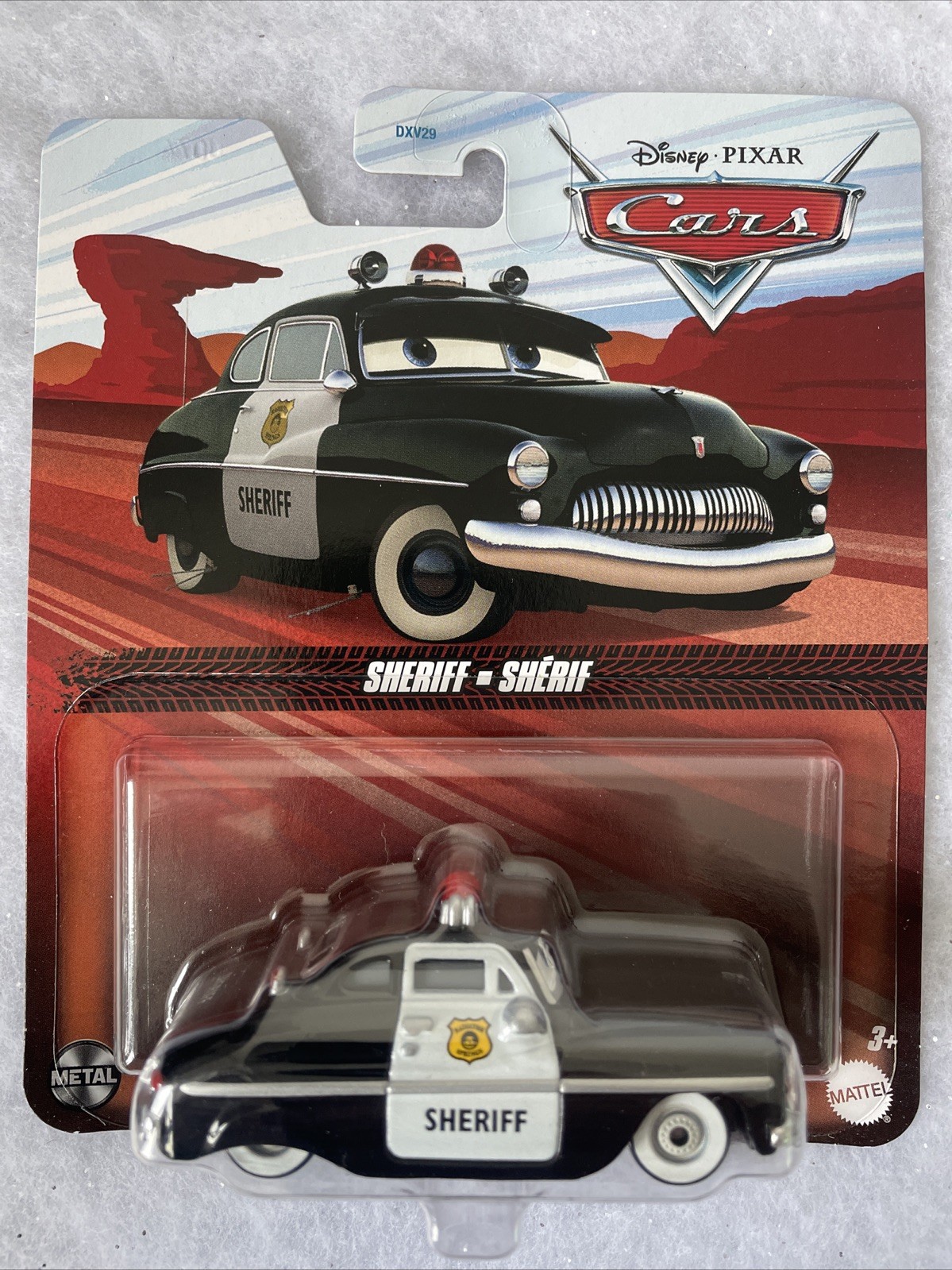
First, pick the sub-type. Toys & Games includes branded character cars, while Play Vehicles covers generic push cars.
Material
Material drives the tradeoff. Wood gives safe toddler play, die cast gives display value, plastic gives light active use.
Colour
Colour is broad here. Choose from white, red, blue, black, green, multicolor, yellow, silver, grey, brown to match taste.
Personalisation
Personalisation adds a name or logo. It helps gifts but means the model is not a standard off-the-shelf toy.
Detail tier
Scale and detail matter for older kids. Die cast metal model tiers show more realism but need careful handling.
What's good
- Wooden car toys suit toddlers who mouth objects. They use natural wood or wood/plastic mixes in brown or multicolor.
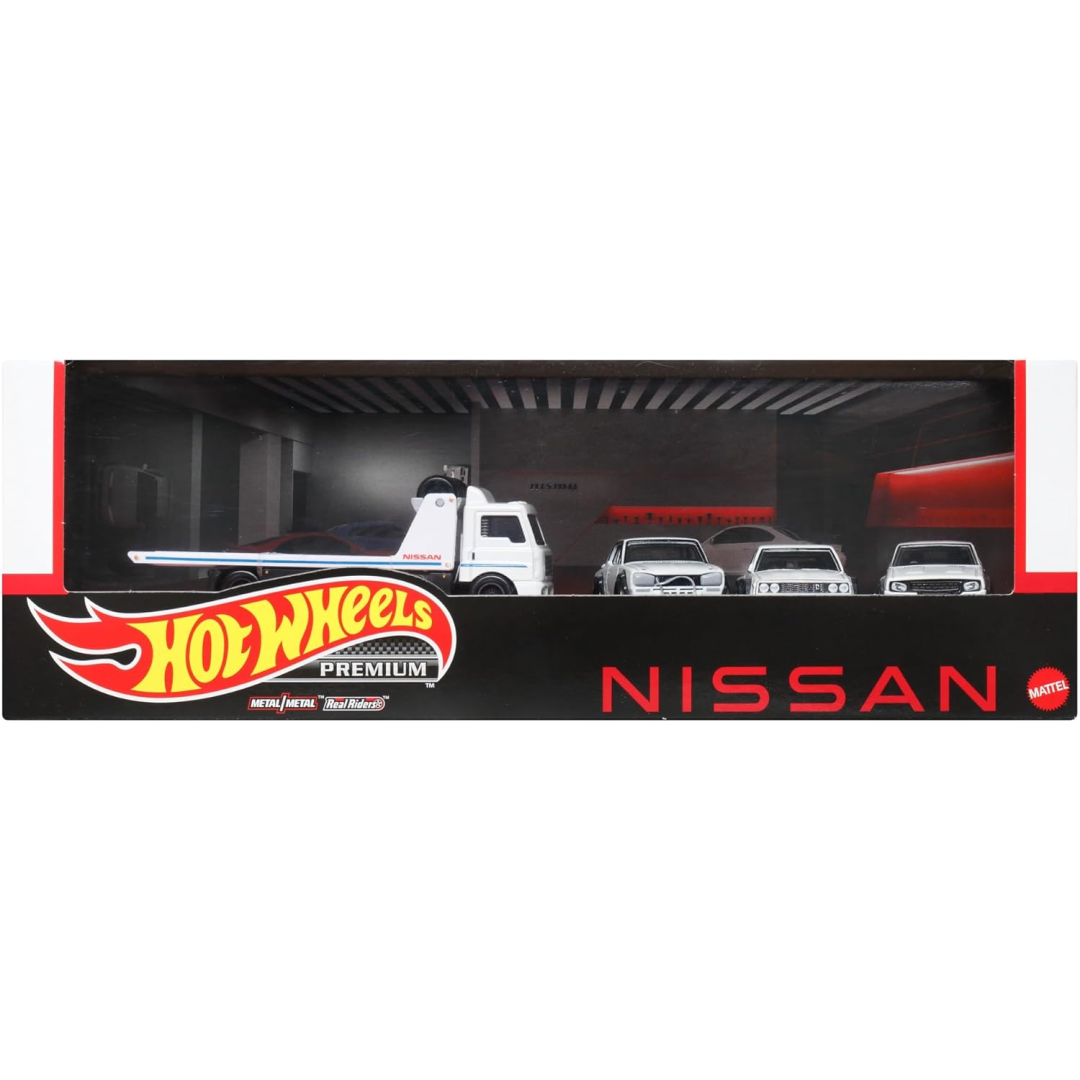
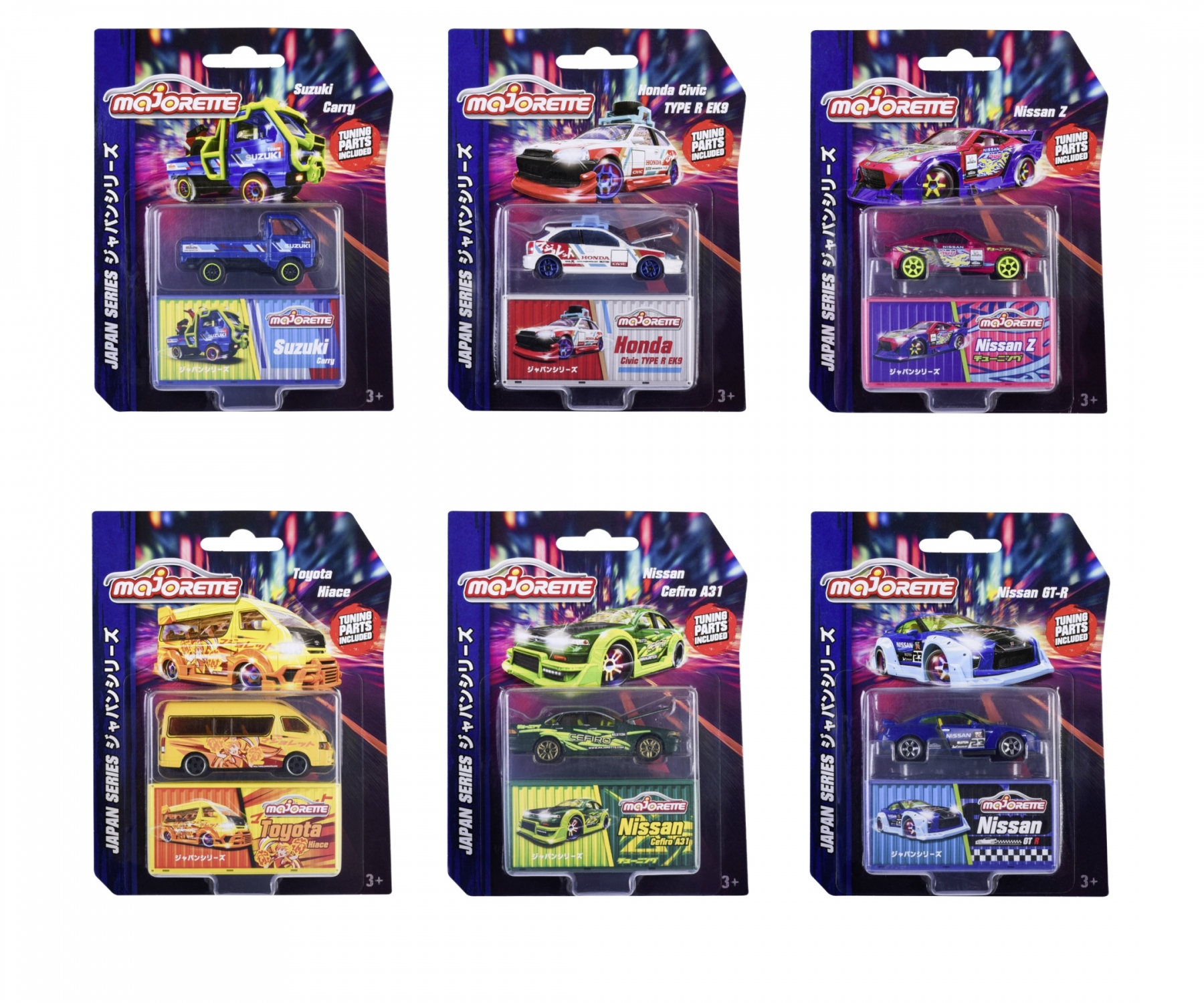
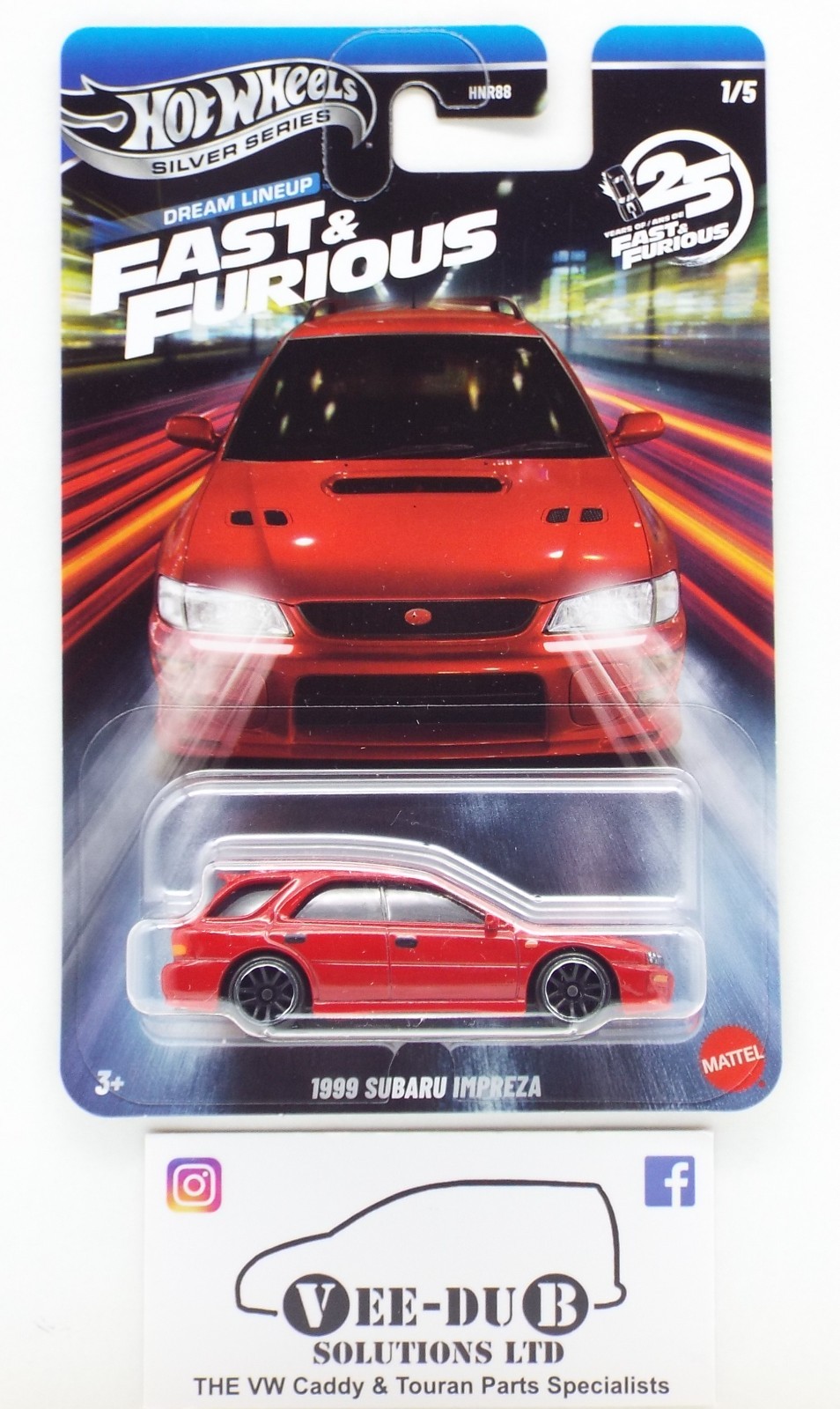
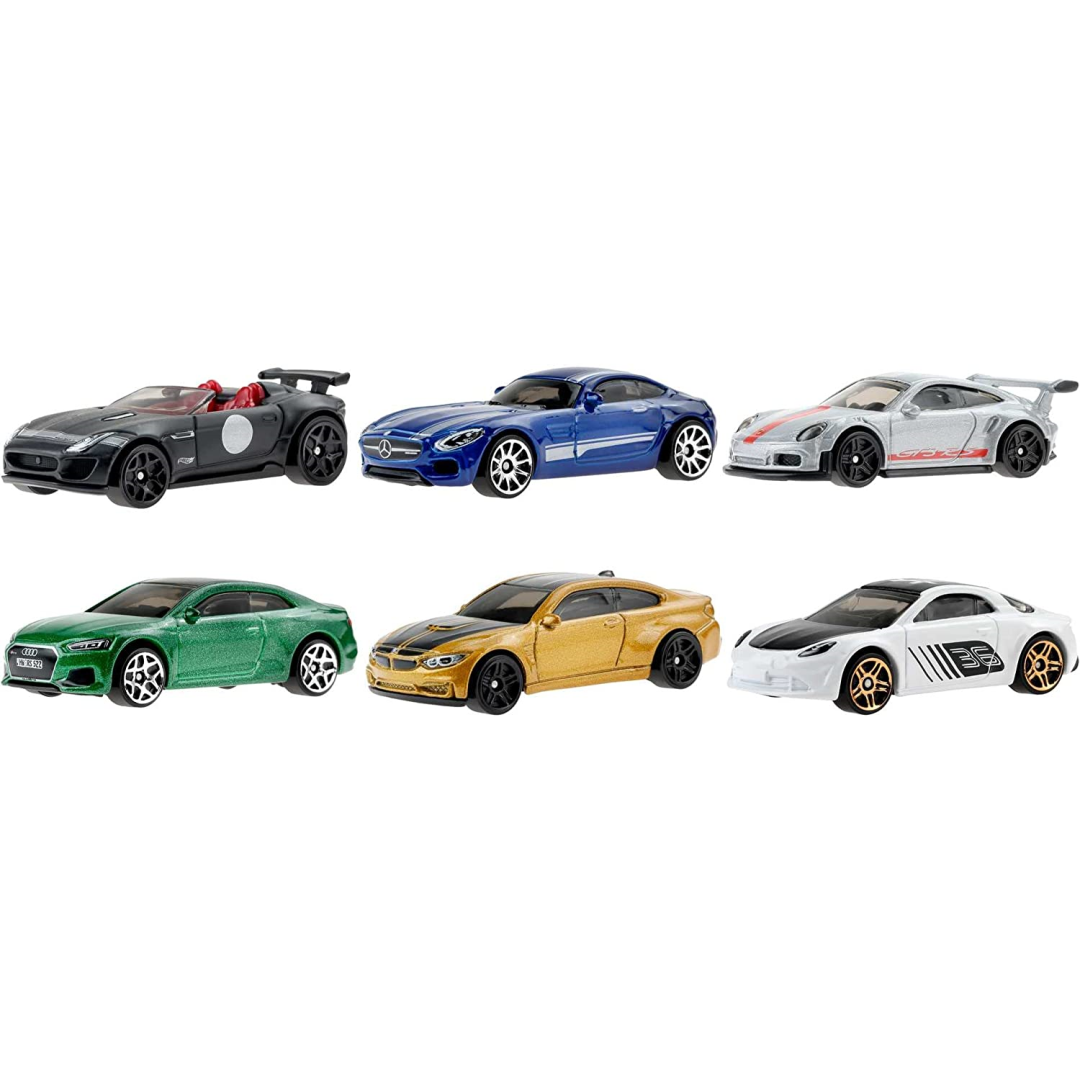
- Die cast metal models give weight and crisp detail that plastic equivalents lack. They suit collectors and older kids.
- Play Vehicles in metal/plastic or rubber roll smoothly on floors. They come in bright red, blue, yellow for visual appeal.
- Personalised custom models turn a toy car into a named gift. They cover common car and van shapes with name plates.
Things to watch
- Die cast metal models are heavy and often have small parts. They are wrong for children under three.
- Wooden toys show scuffs more than painted plastic. They rarely include moving features beyond simple roll.
- Plastic play vehicles can feel light and less solid in hand. They may not survive being left in the garden rain.
- Custom models focus on looks over play strength. They suit display or gift use more than rough toddler play.
Care & maintenance
Storage
Store multicolor plastic cars in a box to avoid sticker peel from friction.
Metal care
Dust die cast and metal cars with a dry cloth to keep silver or gold finishes bright.
Wood care
Wipe wooden toys with a damp cloth only, then dry at once. Soaking loosens glued joints.
Rubber care
Keep rubber-wheeled vehicles out of direct sunlight. Heat cracks the tyres.
Frequently Asked Questions
What should I look for when buying toy cars?
When shopping for toy cars, consider factors such as quality, price, brand reputation, and customer reviews. Compare prices across multiple retailers to ensure you're getting the best deal. Look for products that match your specific needs and budget.
How do I choose the right toy cars?
Choosing the right toy cars depends on your individual needs, budget, and preferences. Research different options, read customer reviews, and compare specifications. Consider what features are most important to you and look for products that offer the best value for money.
Where can I find the best deals on toy cars?
You can find the best deals on toy cars by comparing prices across multiple retailers. Our price comparison tool helps you find the lowest prices from trusted UK retailers including Amazon, eBay, and other major online stores. Check regularly as prices and deals change frequently.
Are toy cars products worth the investment?
The value of toy cars products depends on your specific needs and how you plan to use them. Quality products from reputable brands often provide better long-term value, even if they cost more initially. Consider your budget and requirements when making your decision.
What's the difference between different types of toy cars?
Different types of toy cars vary in features, quality, price, and intended use. Some may offer premium features while others focus on affordability. Research the specific differences between models or brands to find the option that best suits your needs and budget.