Dock Cleats
How to choose dock cleats
Material choice drives lifespan. Pick stainless steel for yacht and speedboat use, or nylon if weight matters more than raw strength.
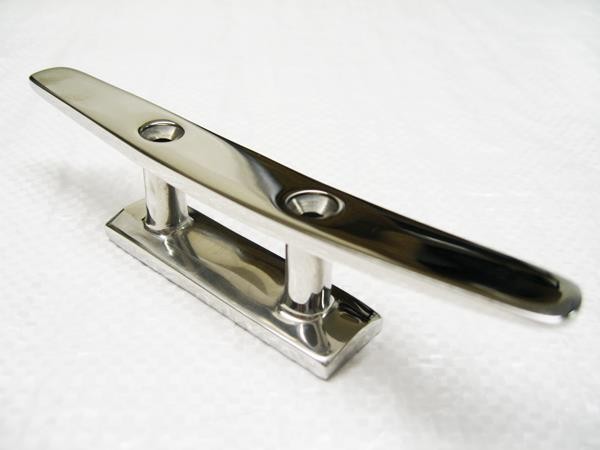
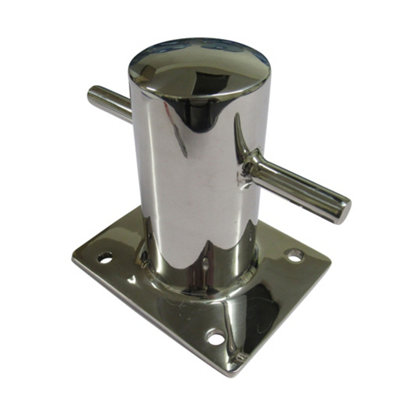
Mount style matters for your deck. Flush mount and folding types suit tidy walkways, while closed-base mooring cleats handle heavier permanent lines.
Colour is a practical call. Silver and stainless blend with metal rails, while blue or black nylon match casual craft trim.
Sub-type fit varies. Watercraft Parts & Accessories cover most boats, but some retractable cleats cross into Vehicle Parts & Accessories for RV use.
Cleat length sets the limit. A 3 inch (75mm) unit holds small lines, while 6 inch stainless types take thicker mooring ropes.
What's good
- Stainless steel cleats in the Docking & Anchoring sub-type resist corrosion. They suit coastal mooring far better than bare steel or galvanized metal.
- Foldable or retractable deck cleats save space on smaller craft. They sit flush to avoid trips, a clear win over fixed open-base types.
- Nylon cleats in black or blue offer a lightweight, non-rusting option. They fit small dinghies or temporary Watercraft Parts & Accessories setups.
- Cam cleats give quick line release for sailing and canoe use. Standard mooring cleats do not provide this.
Things to watch
- Nylon cleats lack the heavy-duty abrasion resistance of stainless steel. They are wrong for permanent harbour lines.
- Galvanized metal and bare steel versions need more upkeep in salt spray. Marine-grade stainless steel asks less of you.
- Retractable and folding mechanisms add moving parts that can jam with grit. A simple solid mooring cleat avoids this fault.
- Small 3 inch closed-base types suit calm-water craft only. They fail the larger yacht or speedboat loads seen in Vehicle Parts & Accessories.
Care & maintenance
Rinse stainless steel cleats with fresh water after marine use. This keeps the surface clear and stops salt build-up.
Check folding or retractable pivots for grit. Flush them with fresh water so they seat flush in the deck.
Inspect nylon bases for cracking each season. Black and blue colours fade under constant sun.
Tighten closed-base bolts on Vehicle Parts & Accessories mounts. Do this before each trip to avoid rattles.
Frequently Asked Questions
What should I look for when buying dock cleats?
When shopping for dock cleats, consider factors such as quality, price, brand reputation, and customer reviews. Compare prices across multiple retailers to ensure you're getting the best deal. Look for products that match your specific needs and budget.
How do I choose the right dock cleats?
Choosing the right dock cleats depends on your individual needs, budget, and preferences. Research different options, read customer reviews, and compare specifications. Consider what features are most important to you and look for products that offer the best value for money.
Where can I find the best deals on dock cleats?
You can find the best deals on dock cleats by comparing prices across multiple retailers. Our price comparison tool helps you find the lowest prices from trusted UK retailers including Amazon, eBay, and other major online stores. Check regularly as prices and deals change frequently.
Are dock cleats products worth the investment?
The value of dock cleats products depends on your specific needs and how you plan to use them. Quality products from reputable brands often provide better long-term value, even if they cost more initially. Consider your budget and requirements when making your decision.
What's the difference between different types of dock cleats?
Different types of dock cleats vary in features, quality, price, and intended use. Some may offer premium features while others focus on affordability. Research the specific differences between models or brands to find the option that best suits your needs and budget.