Ladles
How to choose ladles
Skimmer versus solid bowl
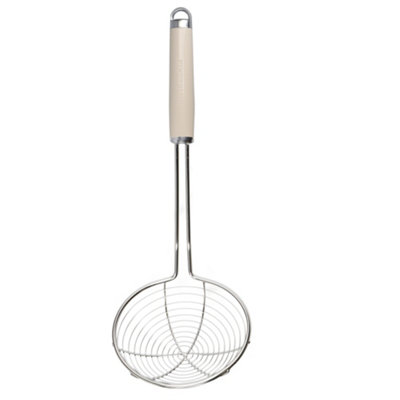
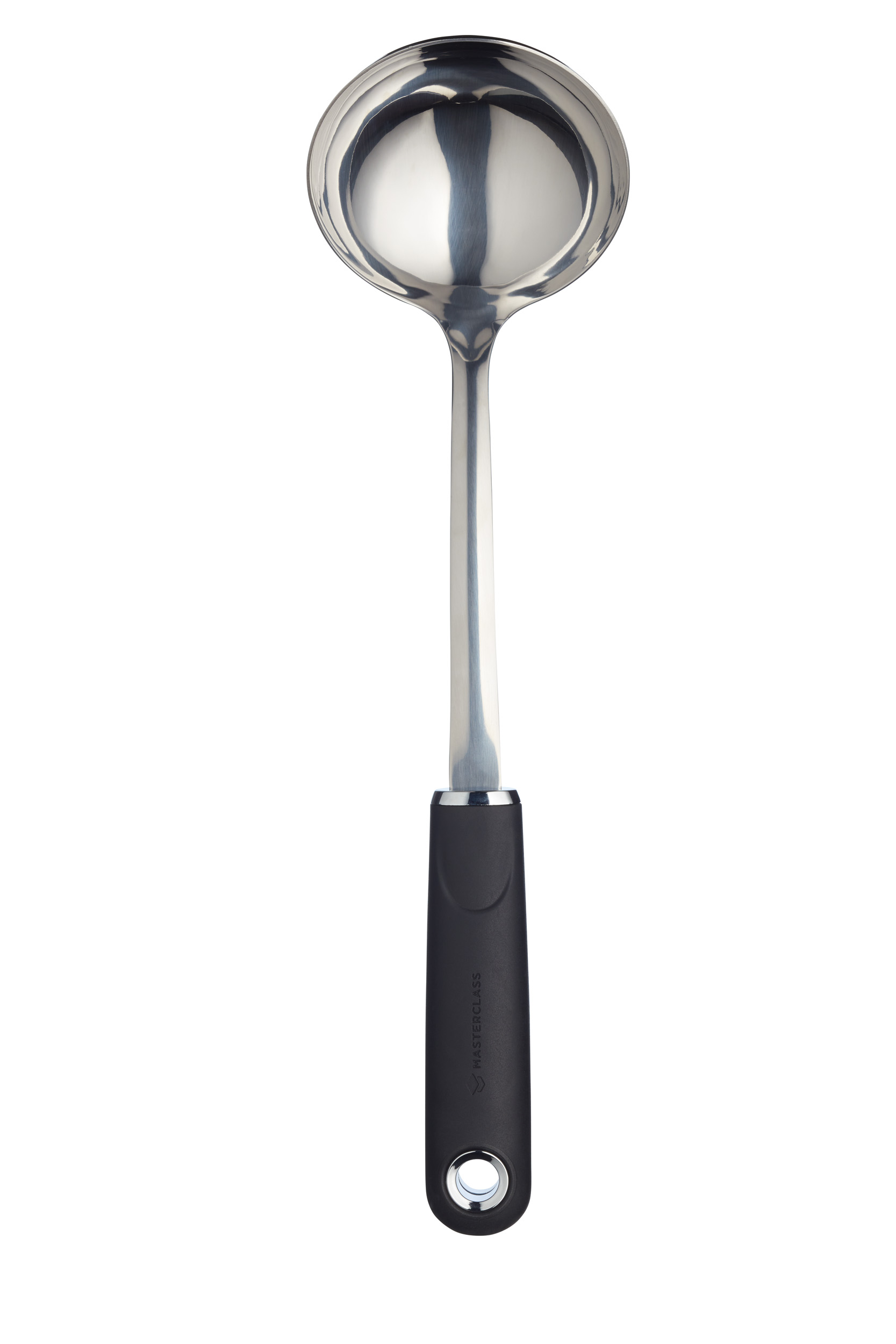
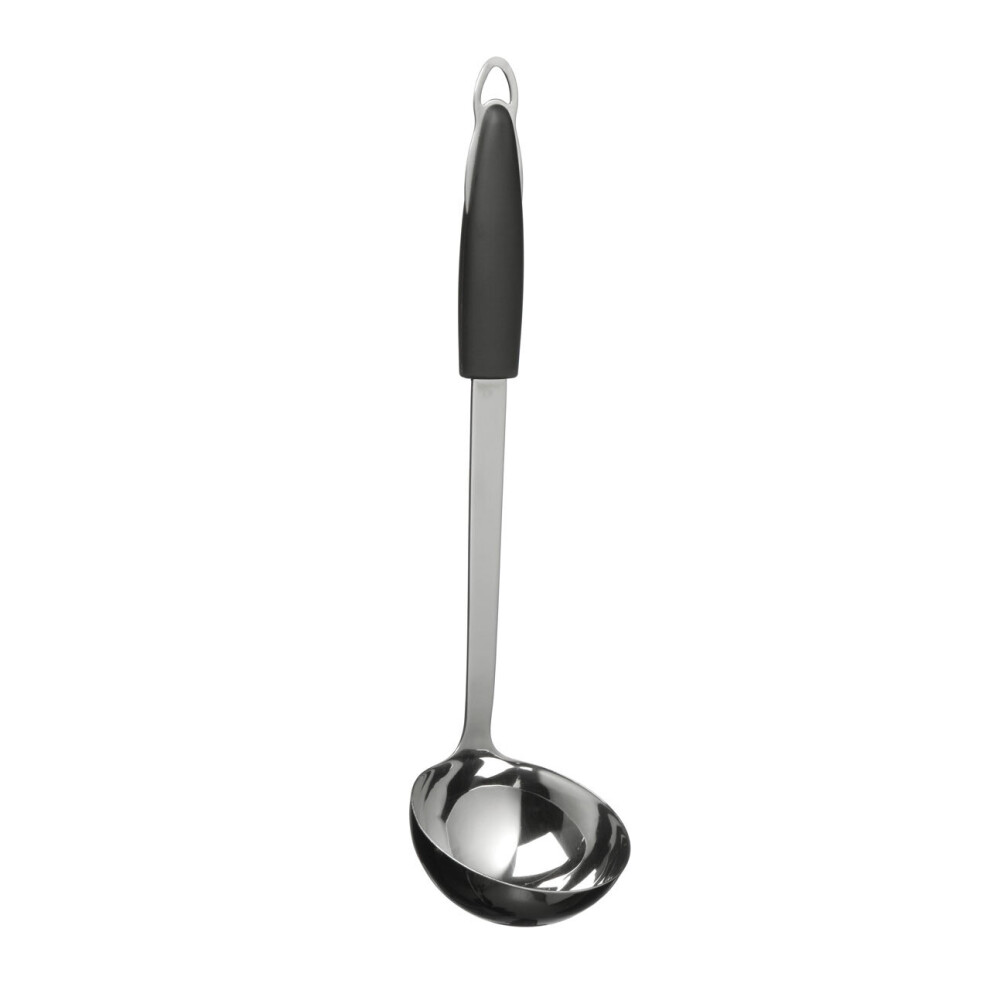
Pick a solid bowl ladle or a skimmer strainer first. Soups need one type, frying chips need the other.
Material by pan type
Match material to cookware. Silicone or nylon suits non-stick pans, stainless steel suits metal pots.
Sub-type placement
Read the sub-type tag. Kitchen Tools & Utensils holds workhorses, Home & Garden leans decorative, Kitchen & Dining sits between.
Colour match
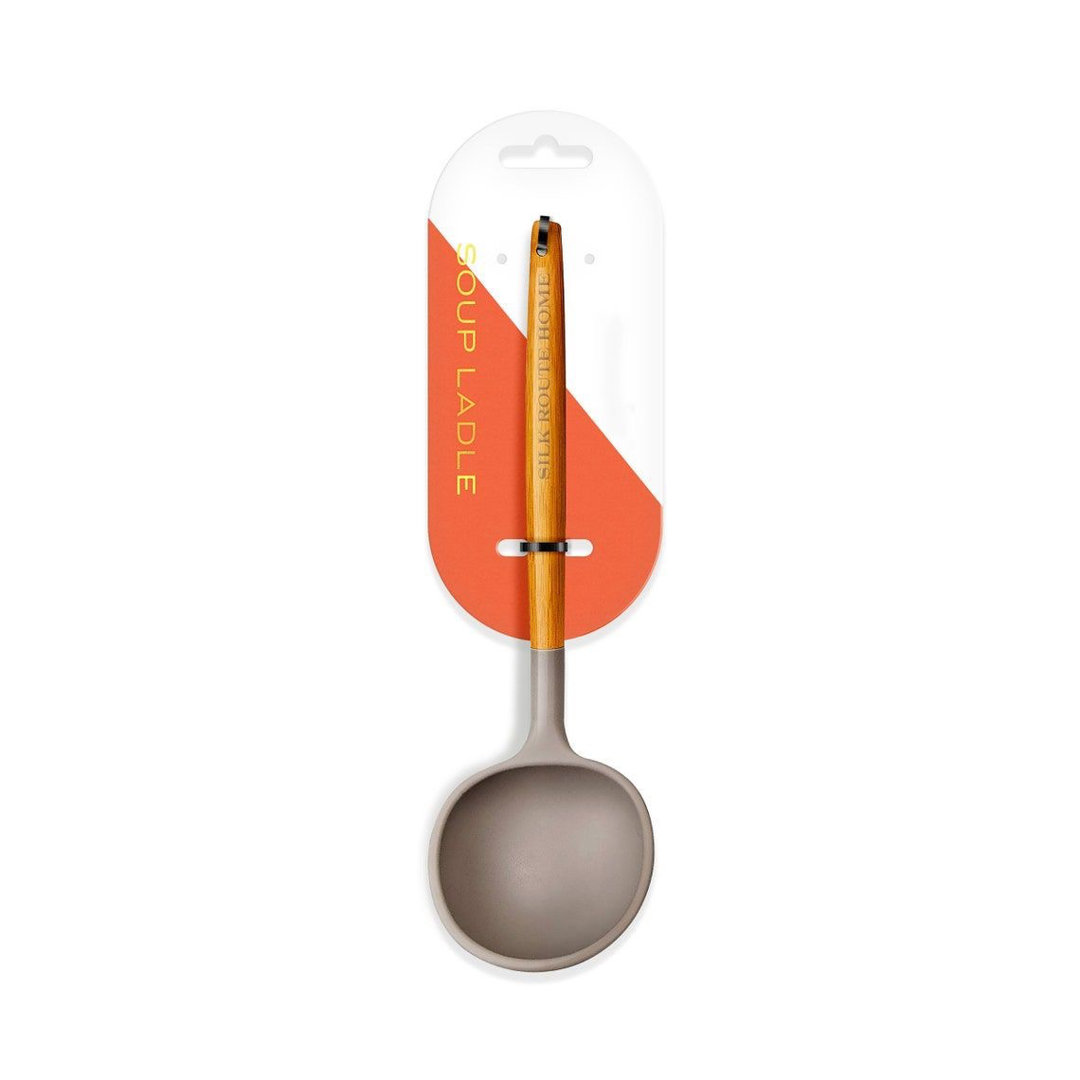
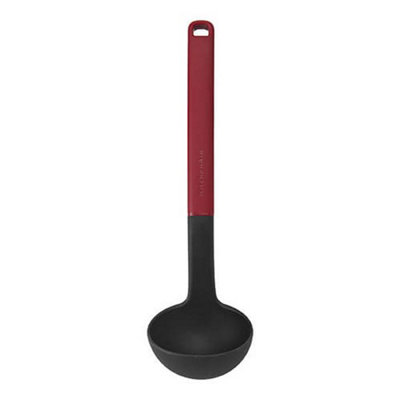
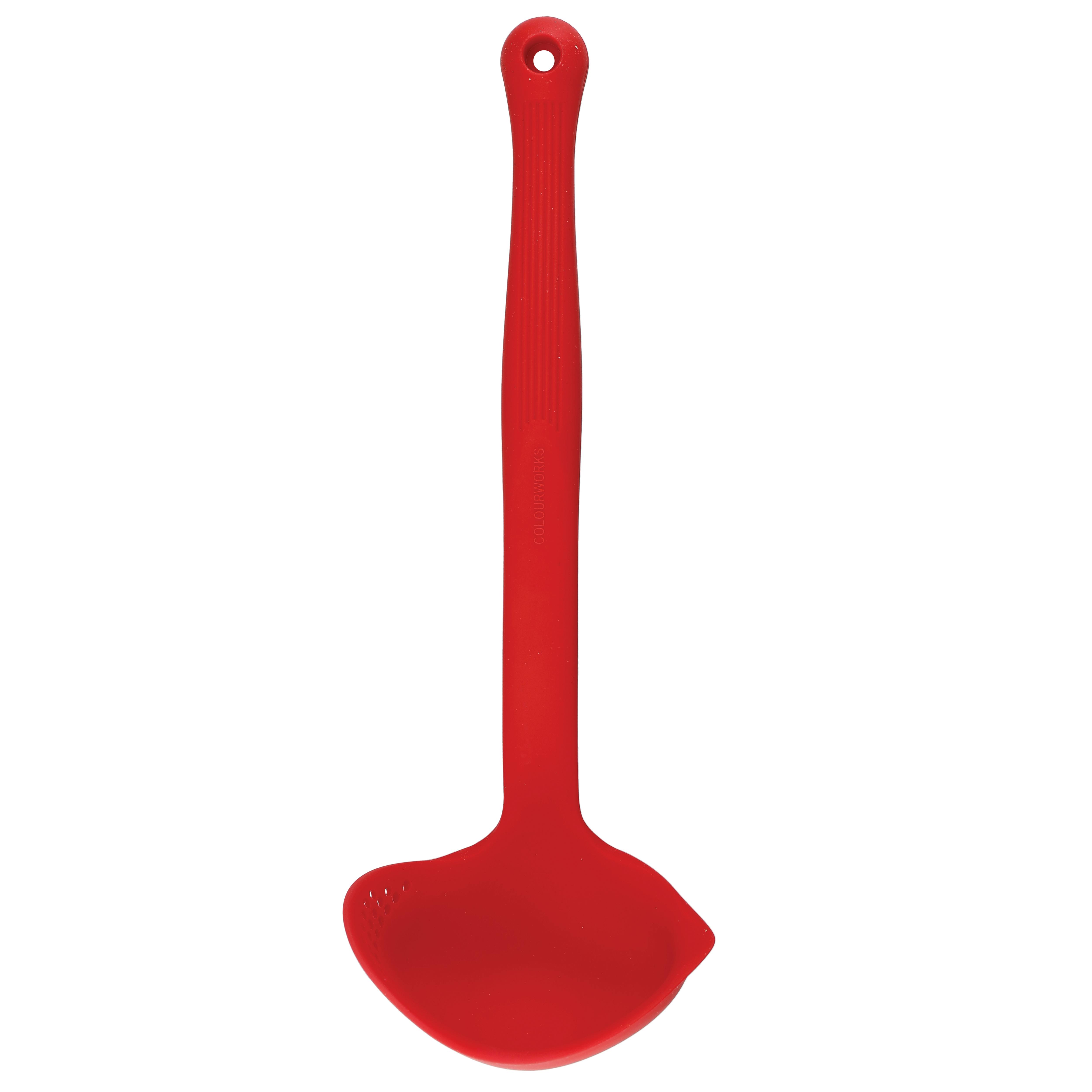
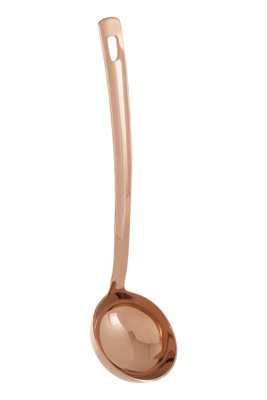
Colour matters if the ladle stays visible. Neutral or silver fits most, red or blue makes a statement, green or gold adds character.
Length and capacity
Size drives use. A long mesh skimmer suits deep fryers, a mini ladle suits condiments, neither replaces the other.
What's good
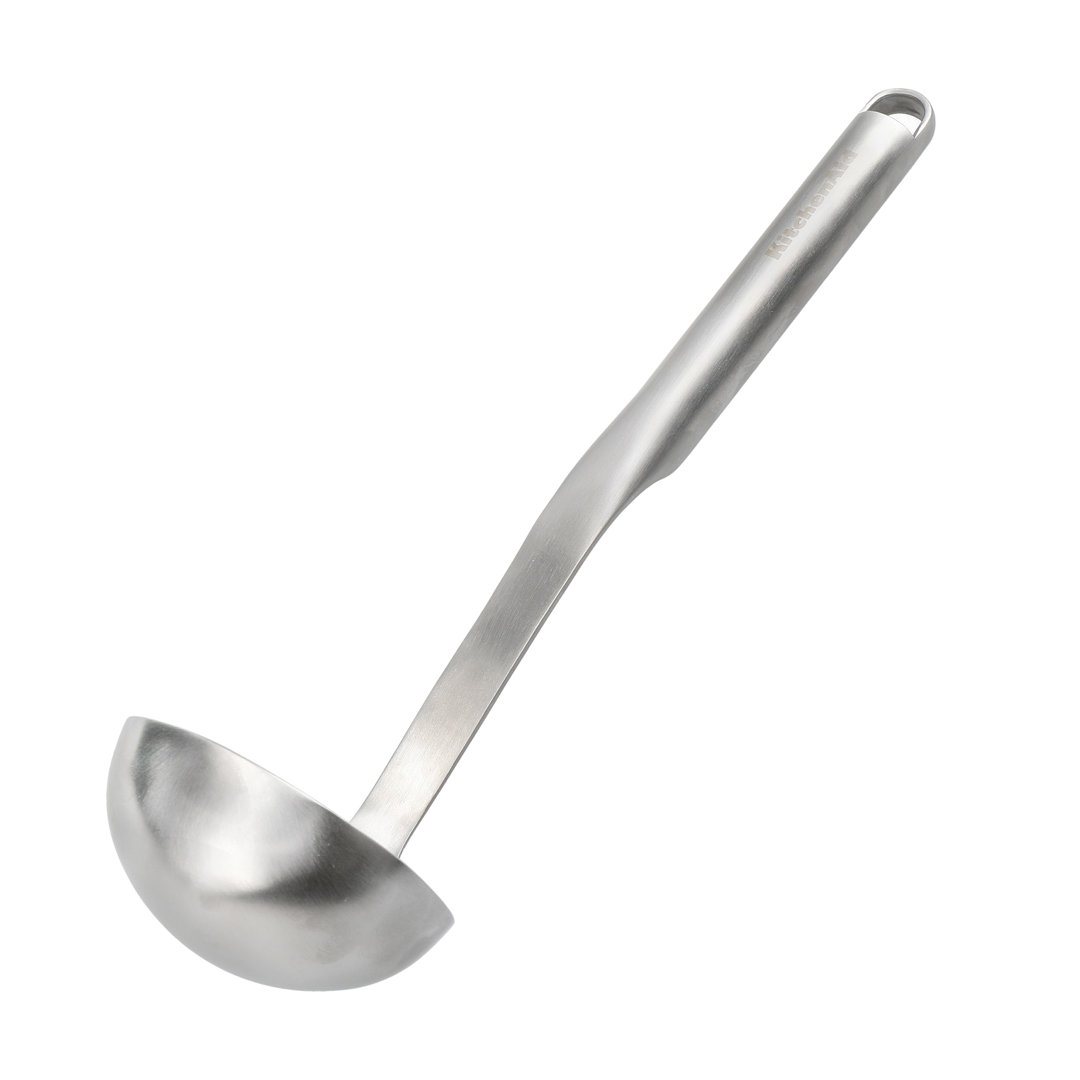
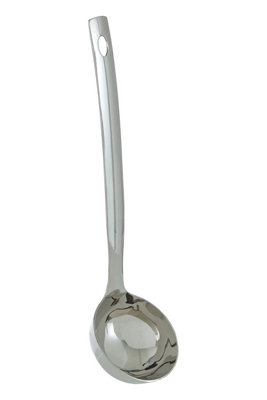
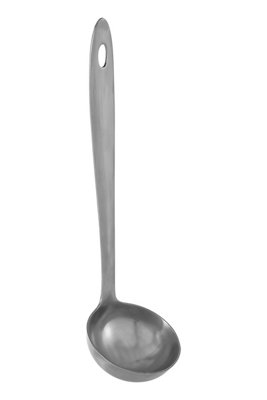
- Stainless steel and steel ladles resist warping near heat. They suit long-term daily use in the Kitchen Tools & Utensils sub-type.
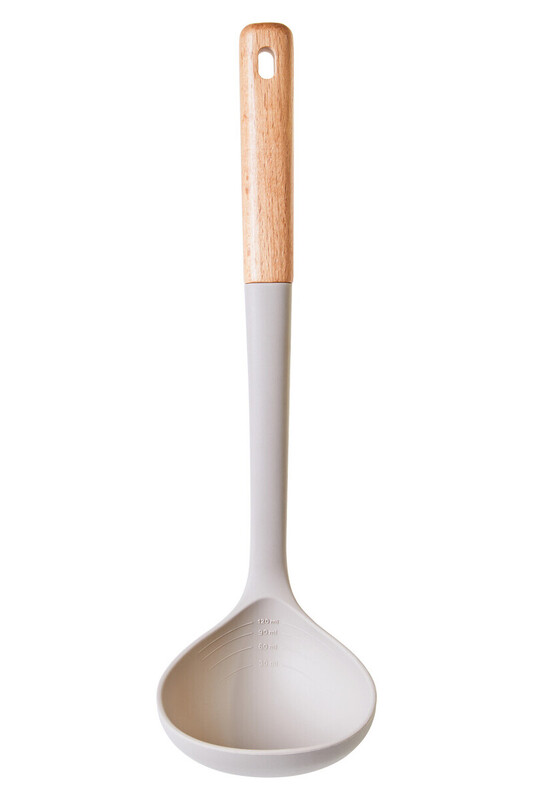
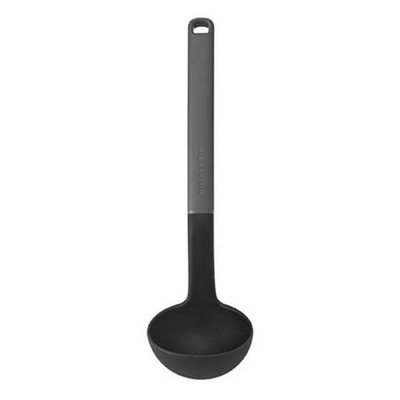
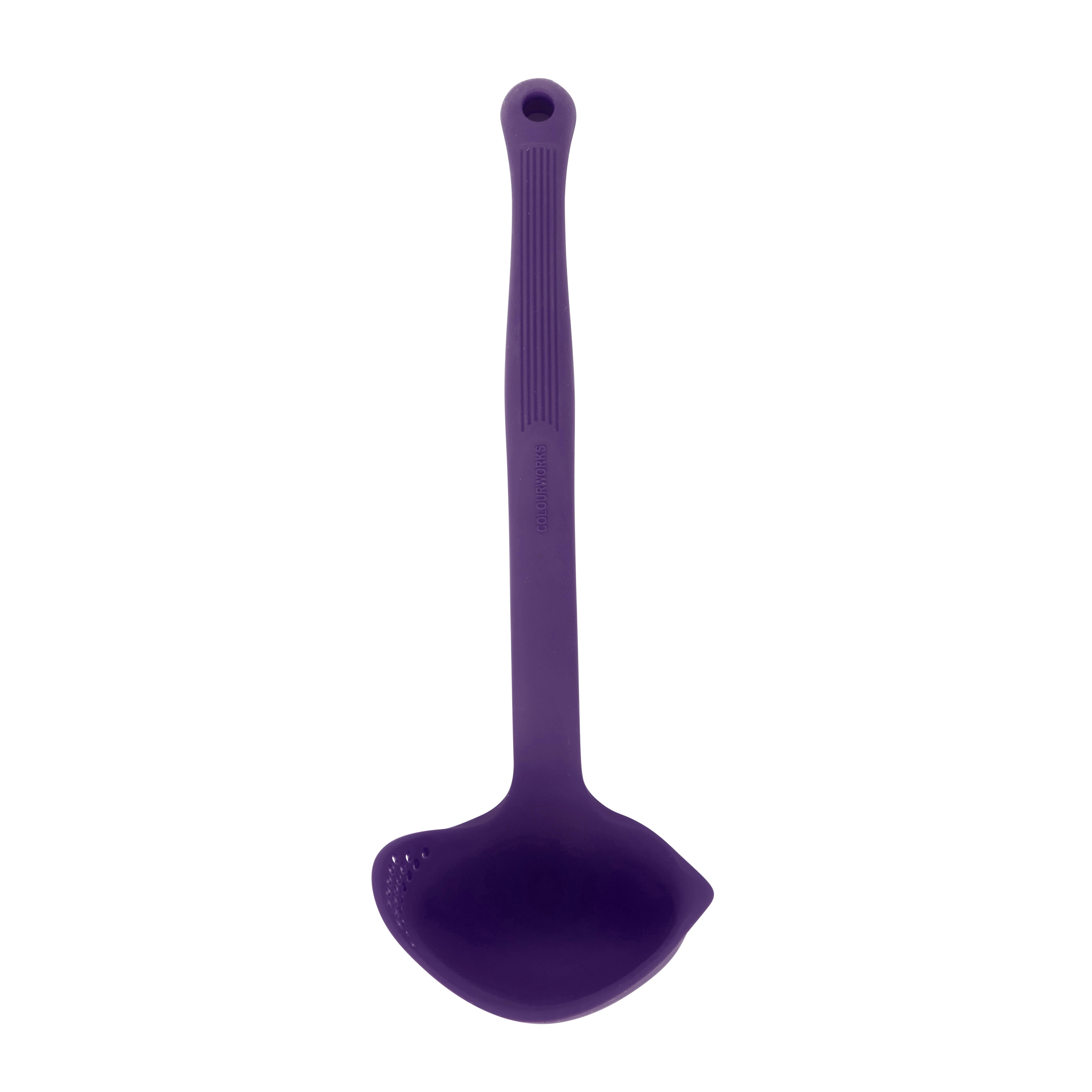
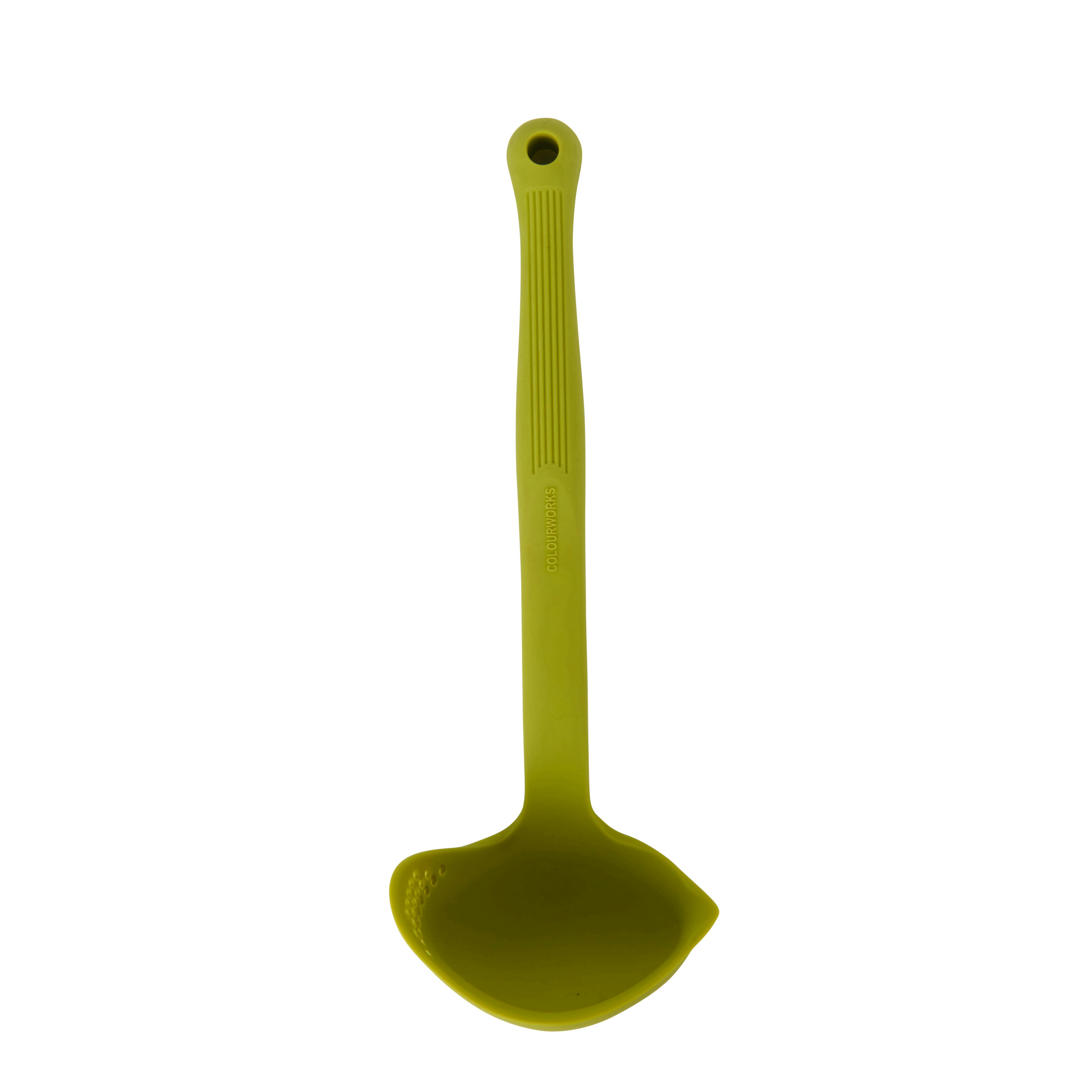
- Silicone head ladles protect non-stick coatings. They serve hot liquids without scratching pans.
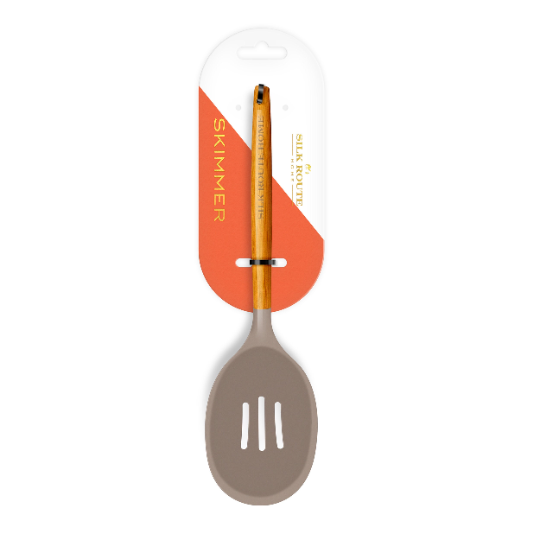
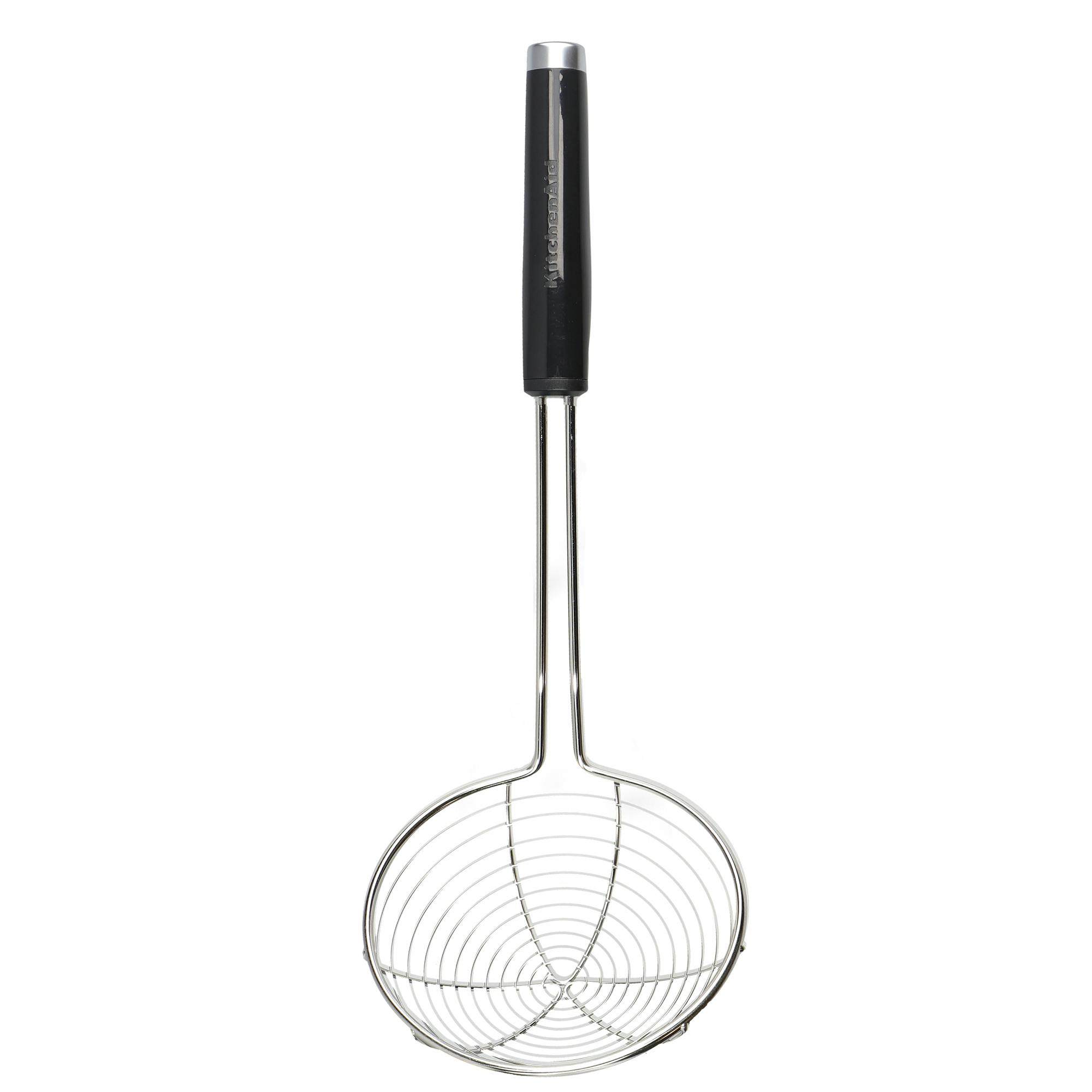
- Skimmer and strainer types lift solids from oil or water. A solid bowl ladle cannot do this.
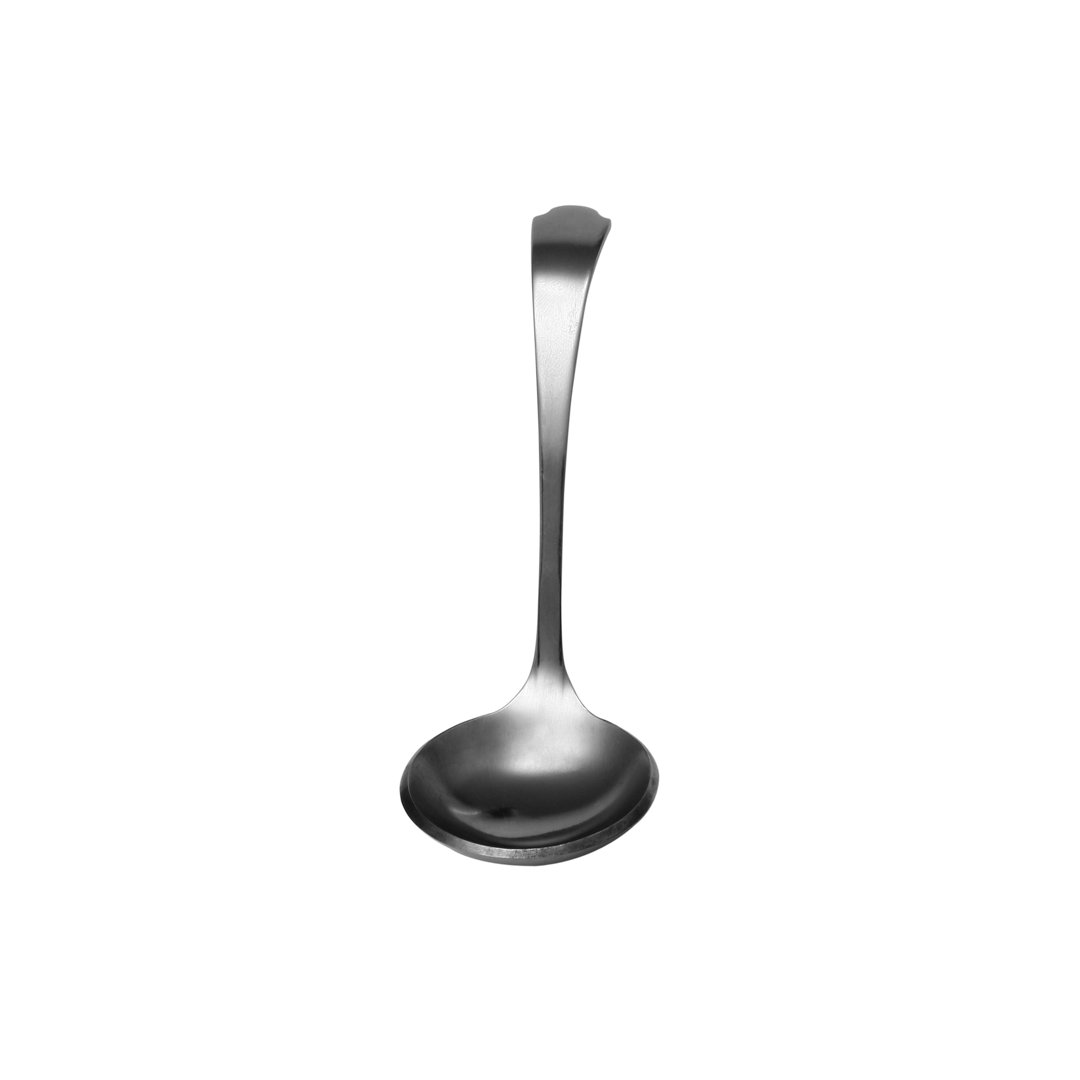
- Mini ladles give controlled pours for gravy, salsa or dips. They are wrong for bulk soup servings.
- The colour axis spans silver, black, white, brown, green, red, grey, blue, gold and neutral. This lets you match the Kitchen & Dining or Home & Garden look.
Things to watch
- All-stainless or steel ladles are heavier than plastic or nylon ones. They tire the hand over long serving sessions.
- Wood and bamboo handled pieces need careful drying after washing. Full plastic ladles avoid this extra step.
- Nylon skimmers resist heat but flex under heavy foods. Rigid stainless steel holds its shape better.
- Ladles tagged Home & Garden may suit display or light use. They often lack the deep bowl of Kitchen Tools & Utensils cooking types.
- Silicone/wood mixes give heat safety on the head. The wood part cannot take a long soak like a full steel ladle.
Care & maintenance
Dry natural handles
Wipe wood or bamboo handles dry after washing. This keeps the material sound.
Clean skimmers promptly
Rinse stainless steel mesh skimmers soon after frying. It stops oil hardening in the net.
Combined materials
Dry silicone/wood ladles thoroughly. The wood stays in good condition.
Storage
Store long-handled ladles flat or hung. The head keeps its shape.
Frequently Asked Questions
What should I look for when buying ladles?
When shopping for ladles, consider factors such as quality, price, brand reputation, and customer reviews. Compare prices across multiple retailers to ensure you're getting the best deal. Look for products that match your specific needs and budget.
How do I choose the right ladles?
Choosing the right ladles depends on your individual needs, budget, and preferences. Research different options, read customer reviews, and compare specifications. Consider what features are most important to you and look for products that offer the best value for money.
Where can I find the best deals on ladles?
You can find the best deals on ladles by comparing prices across multiple retailers. Our price comparison tool helps you find the lowest prices from trusted UK retailers including Amazon, eBay, and other major online stores. Check regularly as prices and deals change frequently.
Are ladles products worth the investment?
The value of ladles products depends on your specific needs and how you plan to use them. Quality products from reputable brands often provide better long-term value, even if they cost more initially. Consider your budget and requirements when making your decision.
What's the difference between different types of ladles?
Different types of ladles vary in features, quality, price, and intended use. Some may offer premium features while others focus on affordability. Research the specific differences between models or brands to find the option that best suits your needs and budget.