Diodes
How to choose diodes
Function first
Choose LED for light, Zener for voltage. The Semiconductors sub-type marks the latter.
Mounting
Mounting style matters: through-hole for Circuit Boards & Components prototyping, surface mount for tight Electronics layouts.
Colour and size
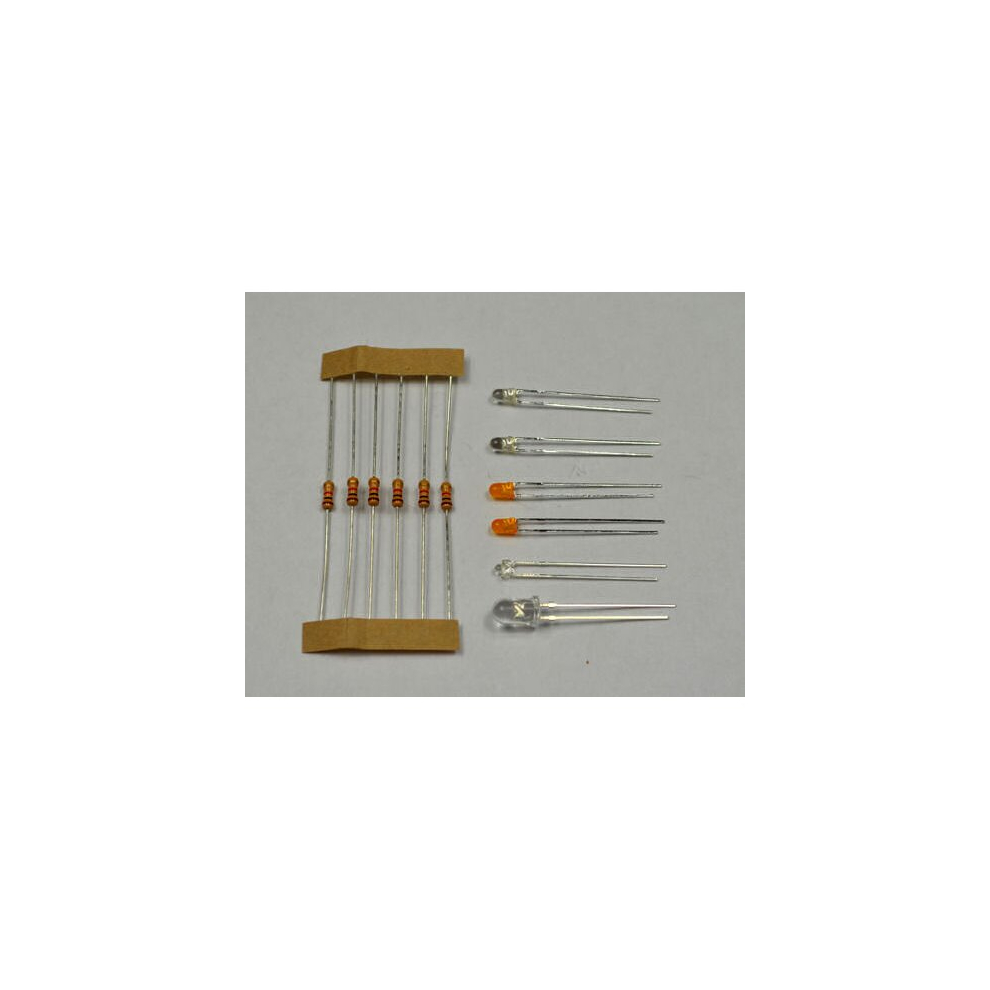
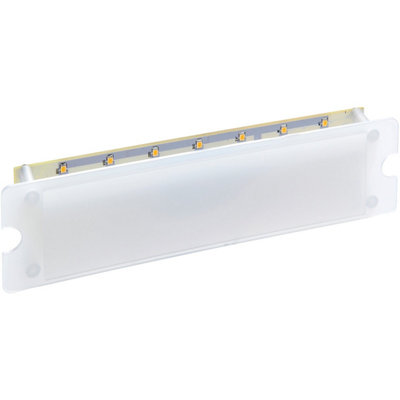
3mm red for small markers, 5mm white for warm glow, right-angle SMD for edge viewing.
Material build
Body material: lead/plastic for simple indicators, aluminium or metal for heat-prone spots.
Power and voltage
Power tier: 3V 300mW surface-mount for logic, 15V 3.25W through-hole for clamping.
What's good
- LEDs in this range typically pull 20mA, showing status without stressing your supply.
- Zener types hold a set voltage, and surface-mount versions keep compact boards clear.
- Through-hole leads fit breadboards, making prototyping quick for Electronics builds.
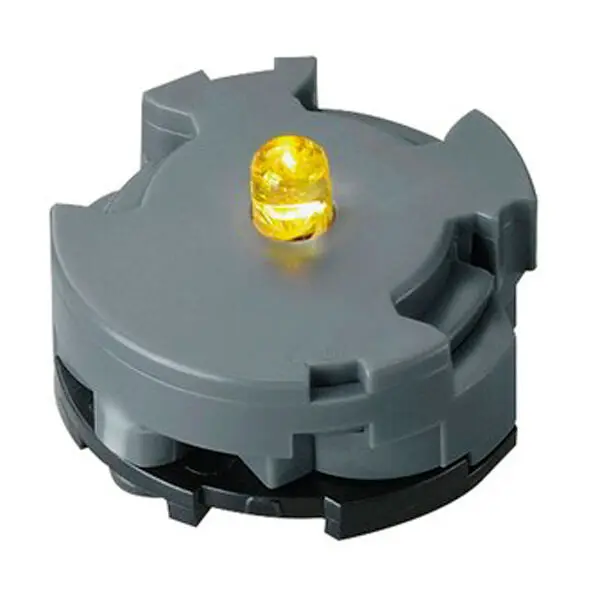
- A wide colour choice (red, yellow, white, green, amber) maps to panel codes or looks.
- Copper or metal leads shift heat away on higher-power Zeners from the Semiconductors group.
Things to watch
- Through-hole Zeners at 3.25W occupy more board space and need heat planning.
- Surface-mount LEDs are fiddly to hand-solder for newcomers to Circuit Boards & Components.
- Low-power 300mW Zeners only suit signal-level tasks, not heavier load regulation.
- Plastic LED housings can tint under sustained heat, unlike metal or copper-led builds.
- Most lines ship in multiples of 5 or 10, leaving spares if you need a single part.
Care & maintenance
Storage
Store loose diodes in a dry box to stop lead oxidation on copper or silver/metal types.
Soldering heat
Keep solder heat under the rated limit (150°C or 175°C) to protect the junction.
Polarity check
Check LED polarity with a meter before power; reverse hookup ends the indicator.
SMD handling
Leave SMD parts in their carrier tape until placement to avoid loss.
Frequently Asked Questions
What should I look for when buying diodes?
When shopping for diodes, consider factors such as quality, price, brand reputation, and customer reviews. Compare prices across multiple retailers to ensure you're getting the best deal. Look for products that match your specific needs and budget.
How do I choose the right diodes?
Choosing the right diodes depends on your individual needs, budget, and preferences. Research different options, read customer reviews, and compare specifications. Consider what features are most important to you and look for products that offer the best value for money.
Where can I find the best deals on diodes?
You can find the best deals on diodes by comparing prices across multiple retailers. Our price comparison tool helps you find the lowest prices from trusted UK retailers including Amazon, eBay, and other major online stores. Check regularly as prices and deals change frequently.
Are diodes products worth the investment?
The value of diodes products depends on your specific needs and how you plan to use them. Quality products from reputable brands often provide better long-term value, even if they cost more initially. Consider your budget and requirements when making your decision.
What's the difference between different types of diodes?
Different types of diodes vary in features, quality, price, and intended use. Some may offer premium features while others focus on affordability. Research the specific differences between models or brands to find the option that best suits your needs and budget.