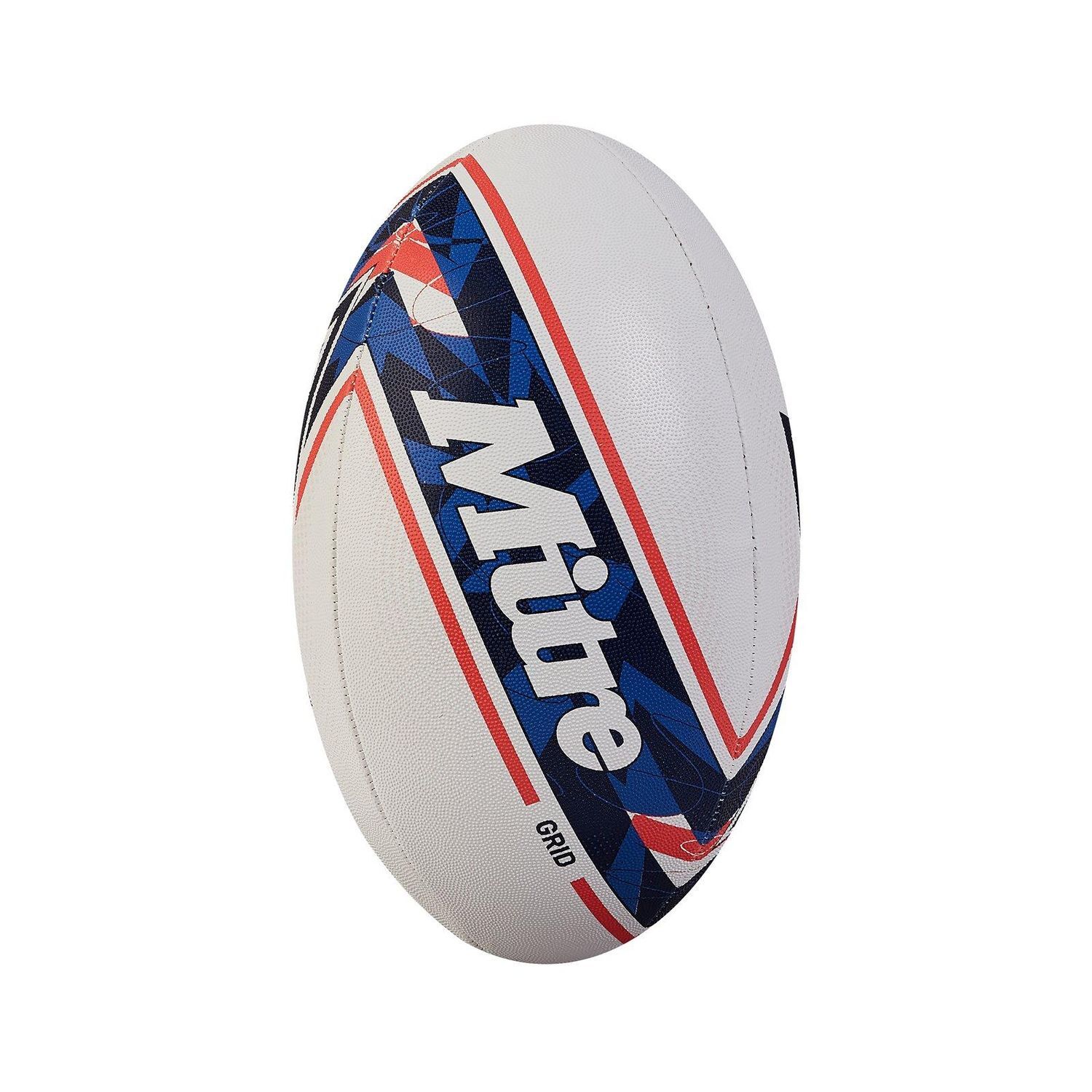
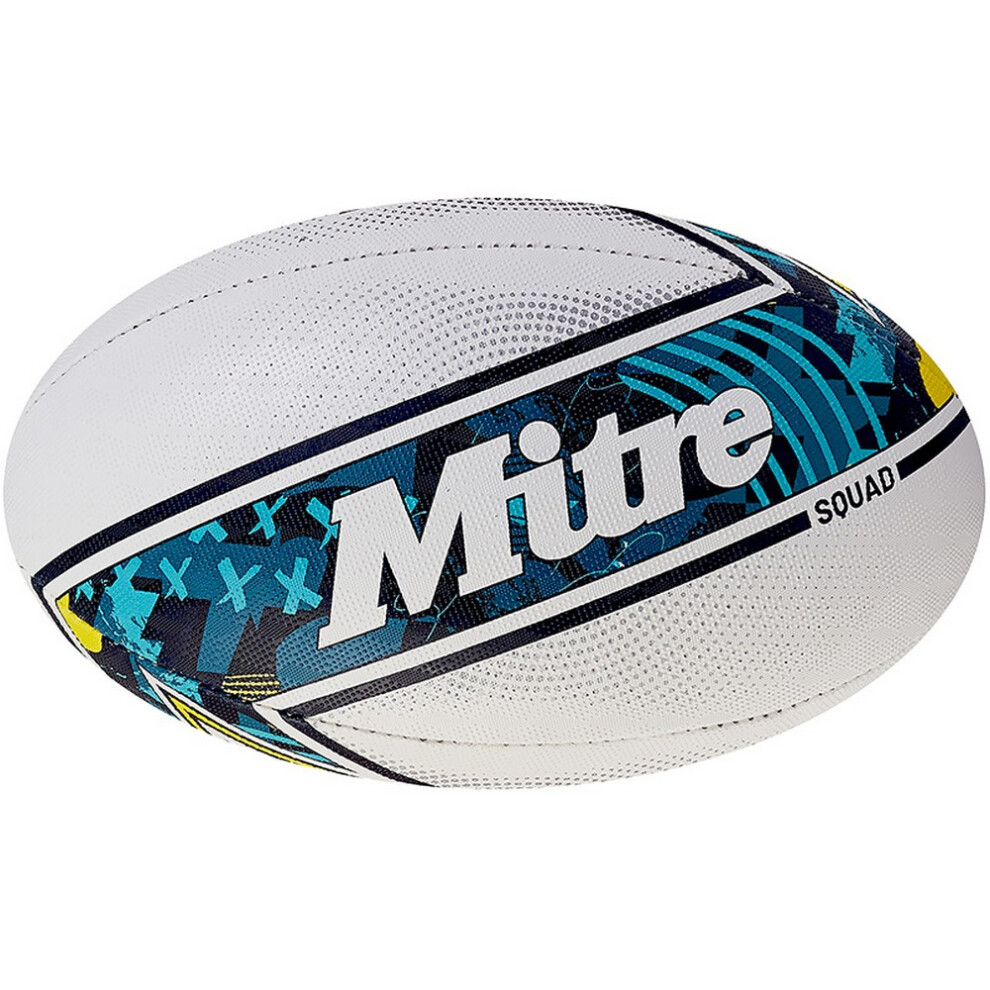
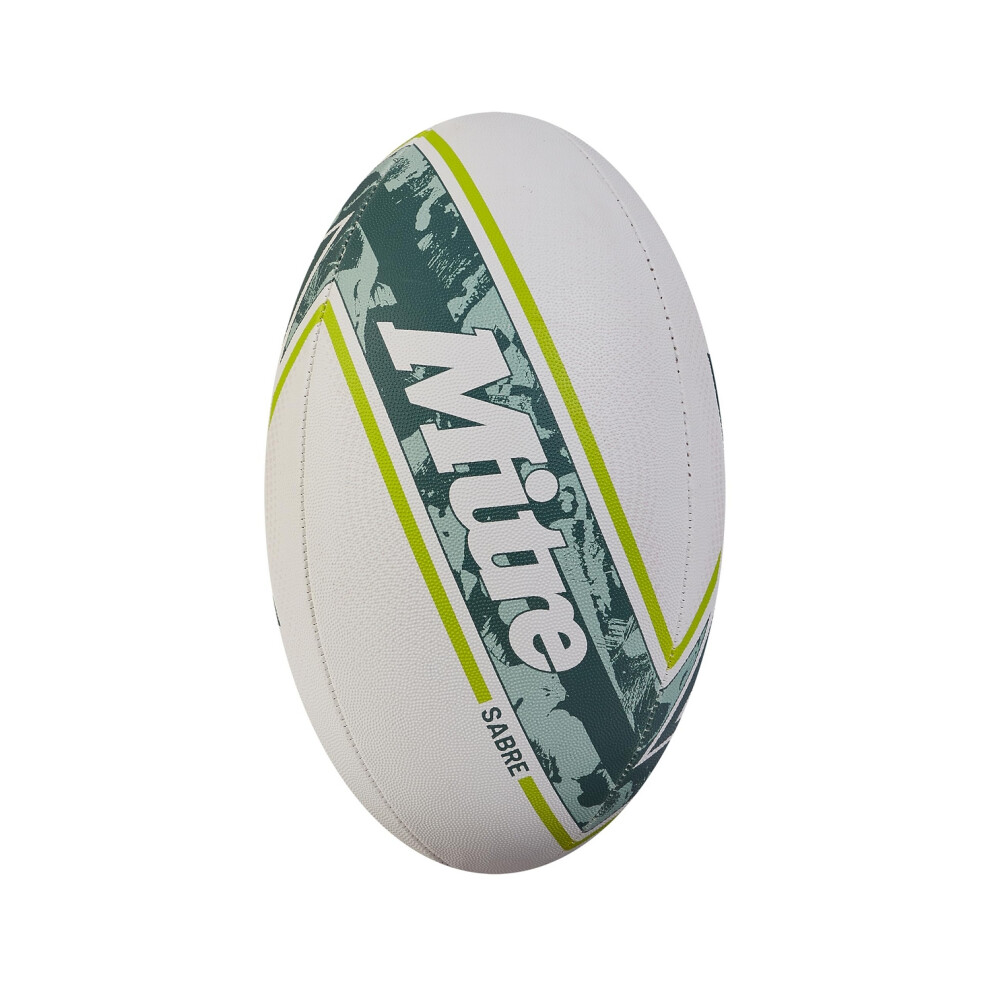
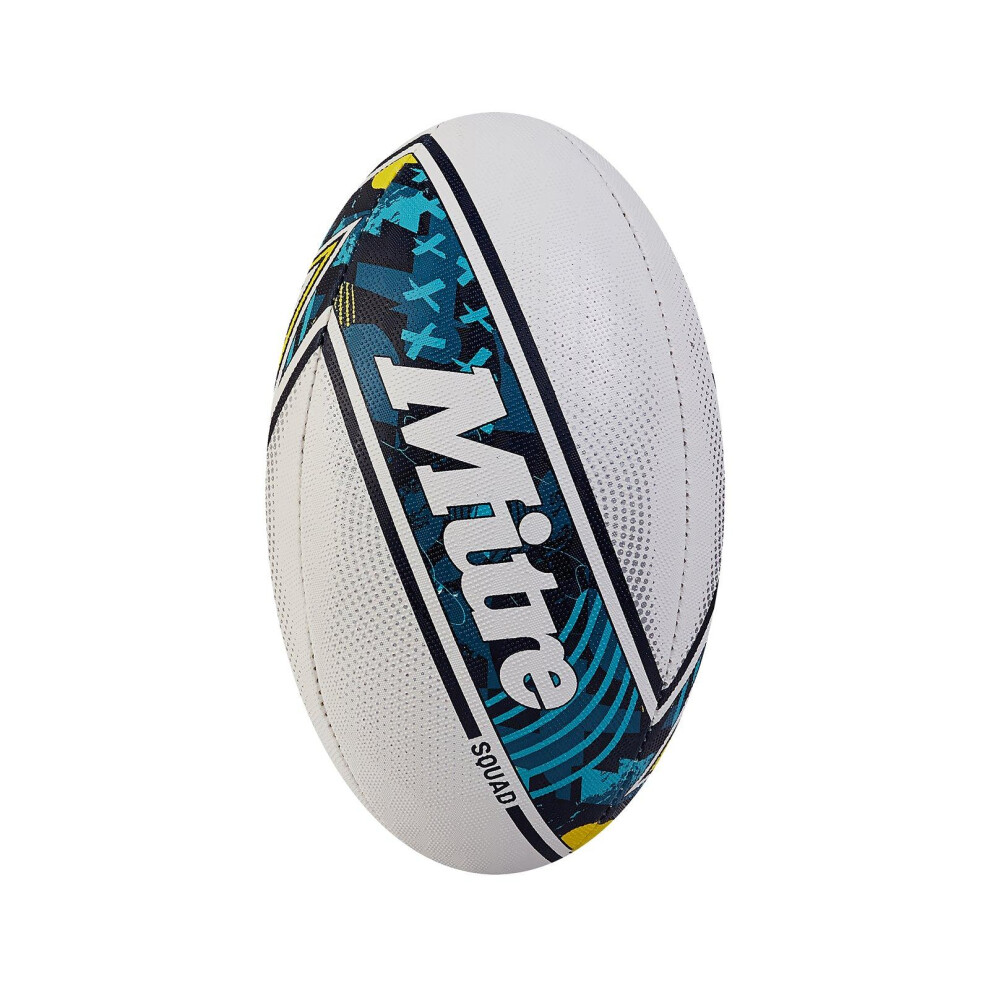
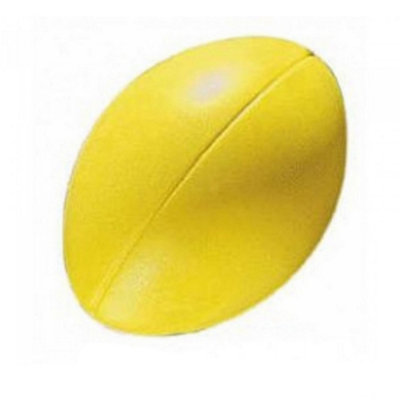
Rugby Balls
How to choose rugby balls
Sub-type
Sub-type sets the use: Rugby for contact drills, Athletics for bowls, Sporting Goods for casual kickabouts.
Material
Material splits the tradeoff: leather for traditional feel, latex/rubber for tougher wear.
Colour
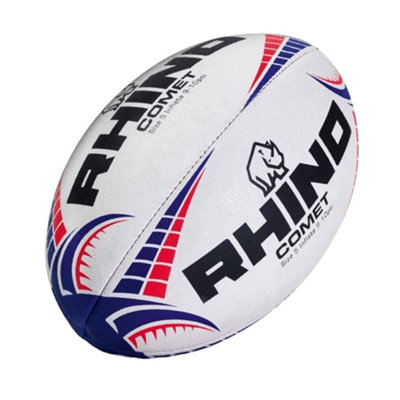
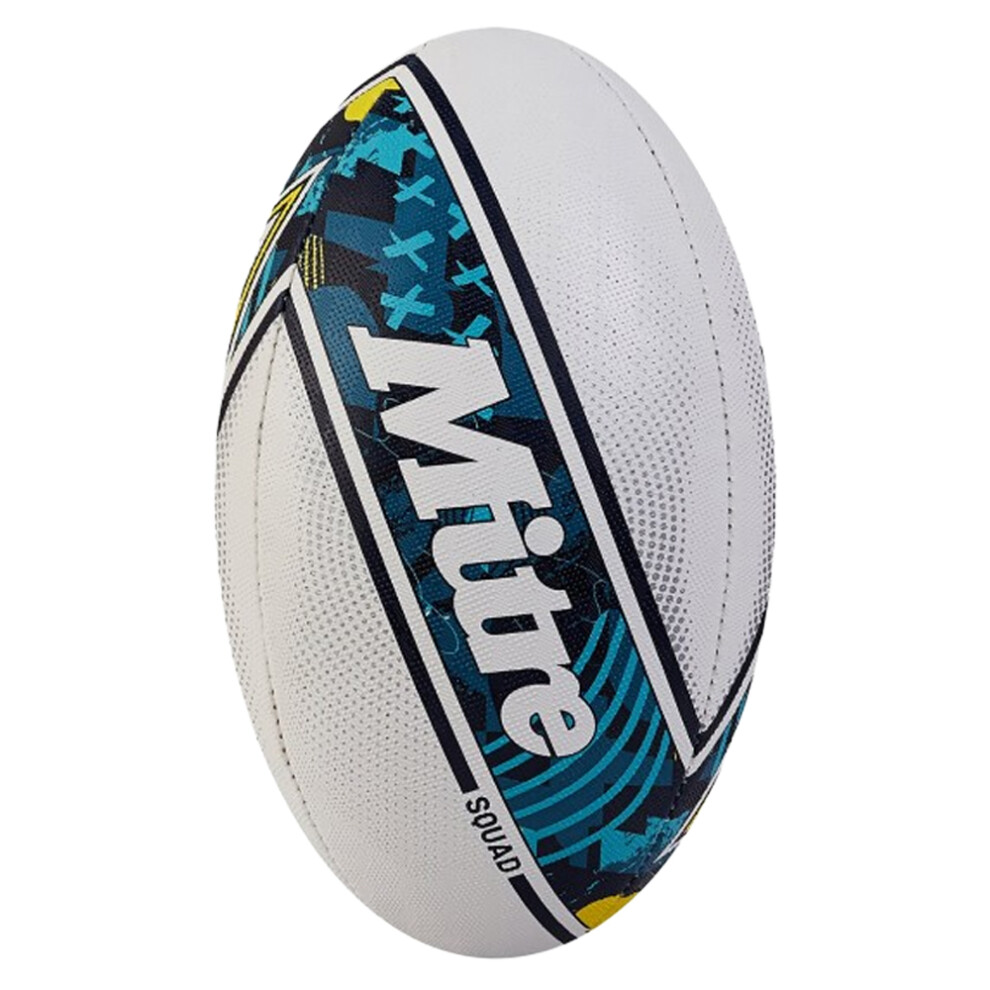
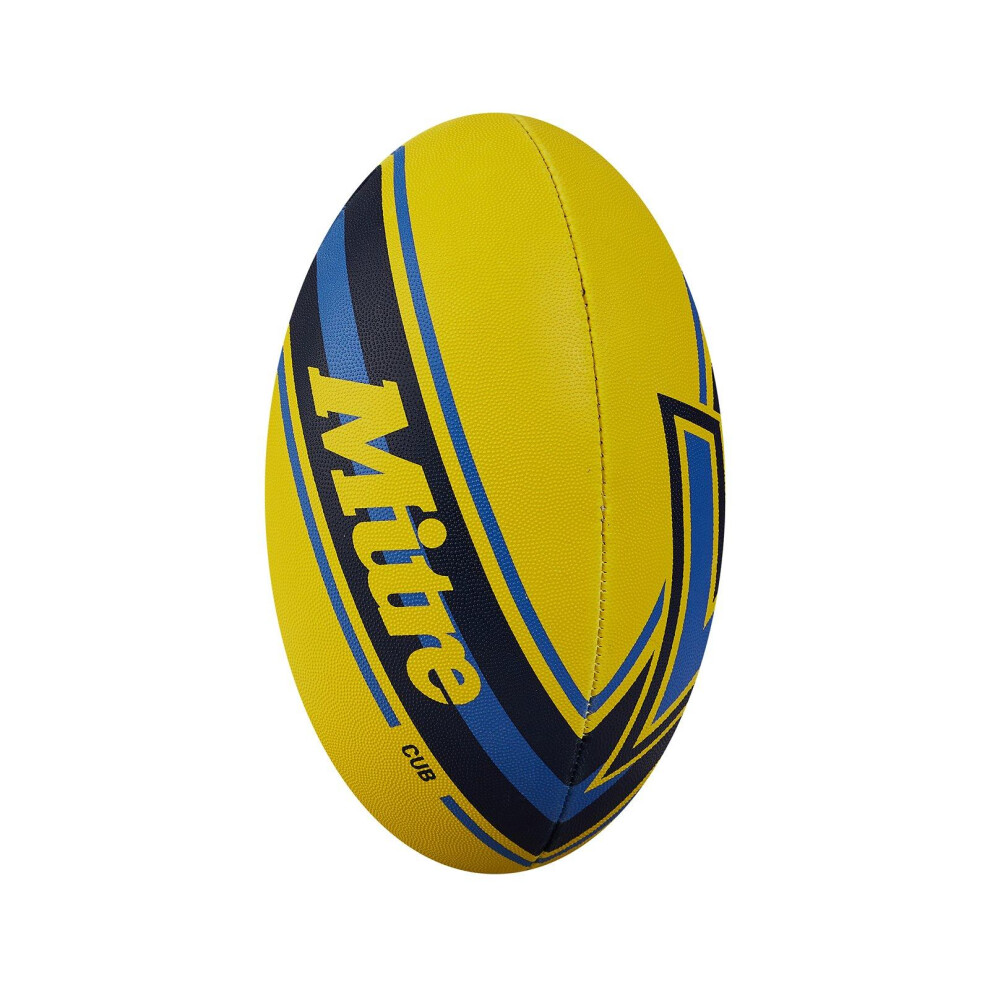
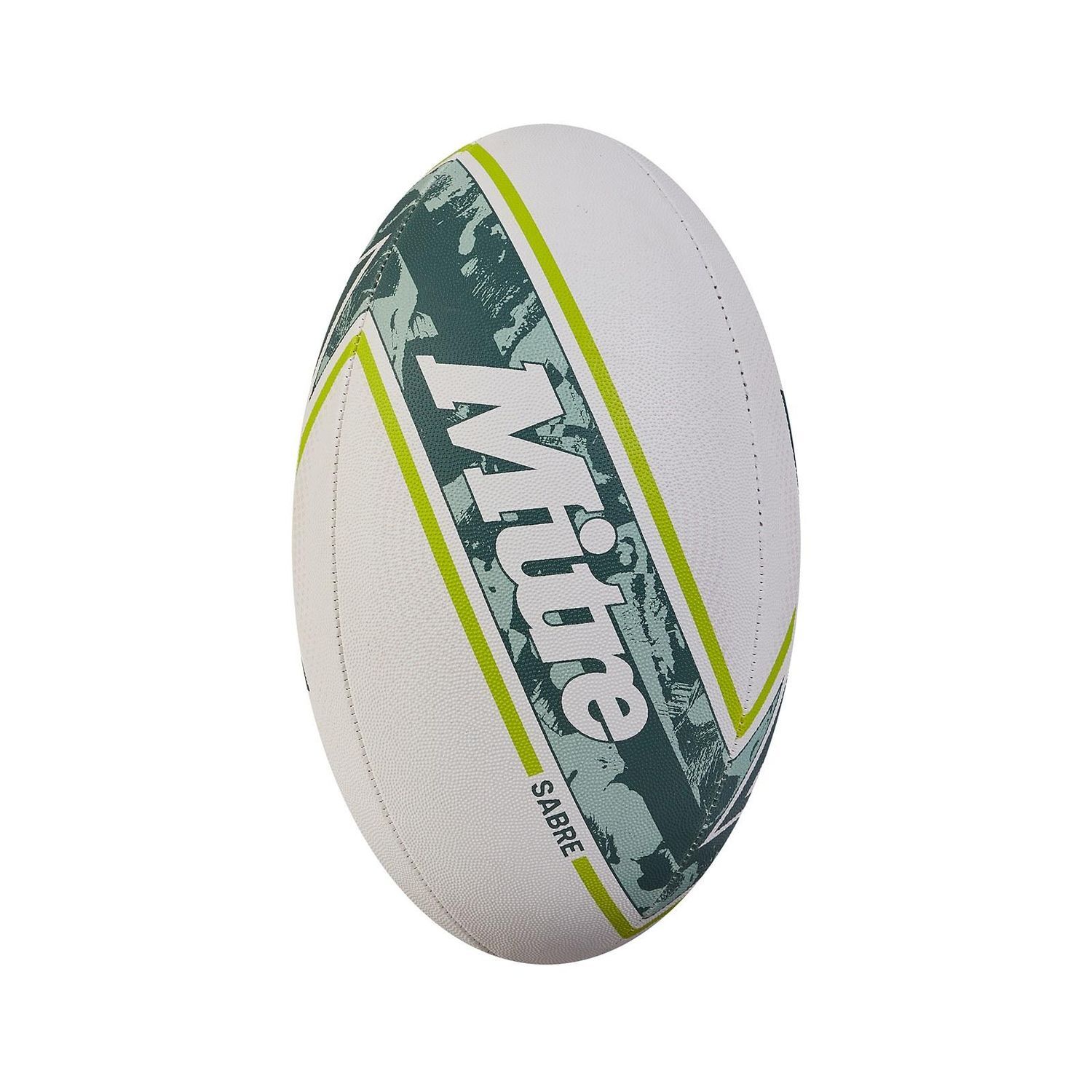
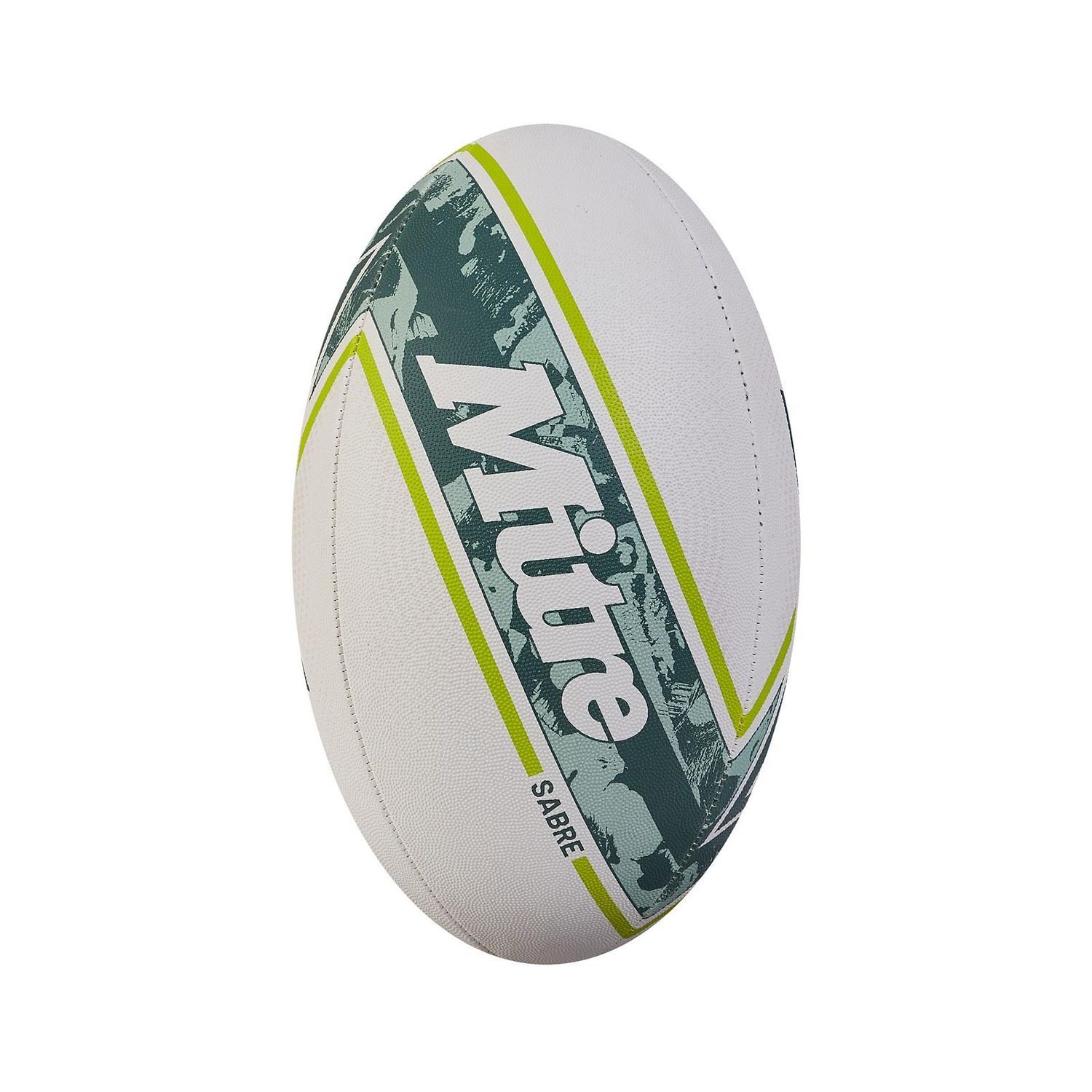
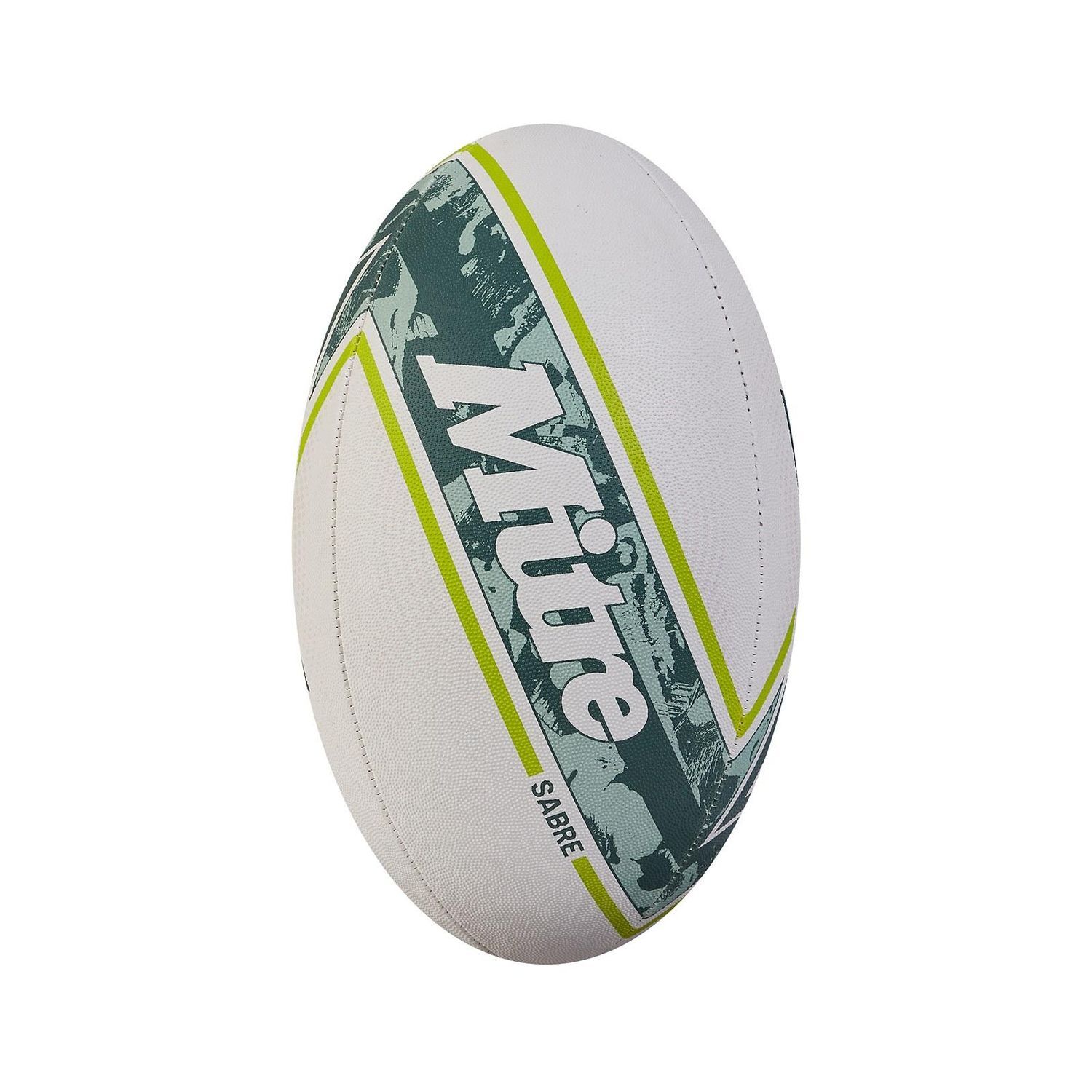
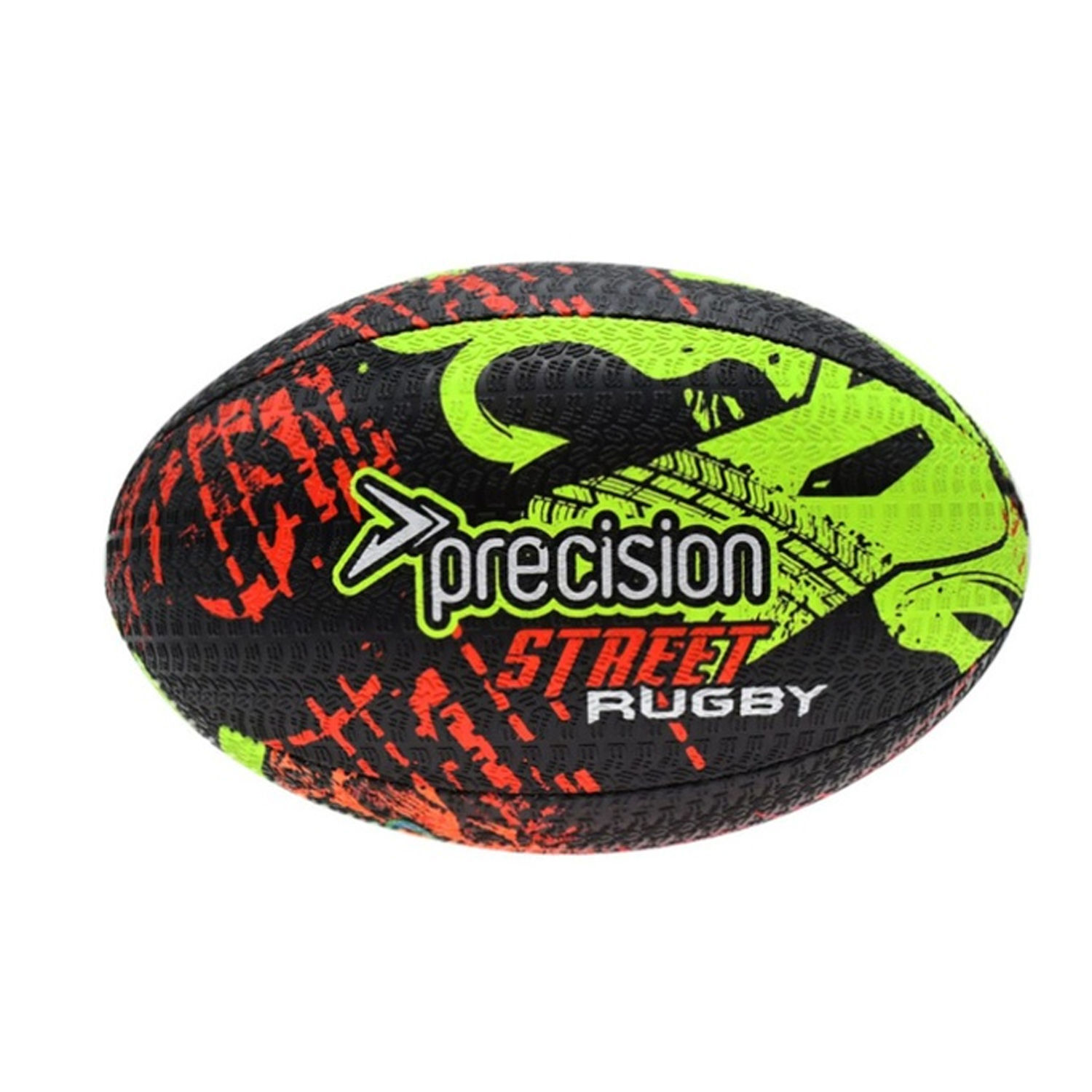
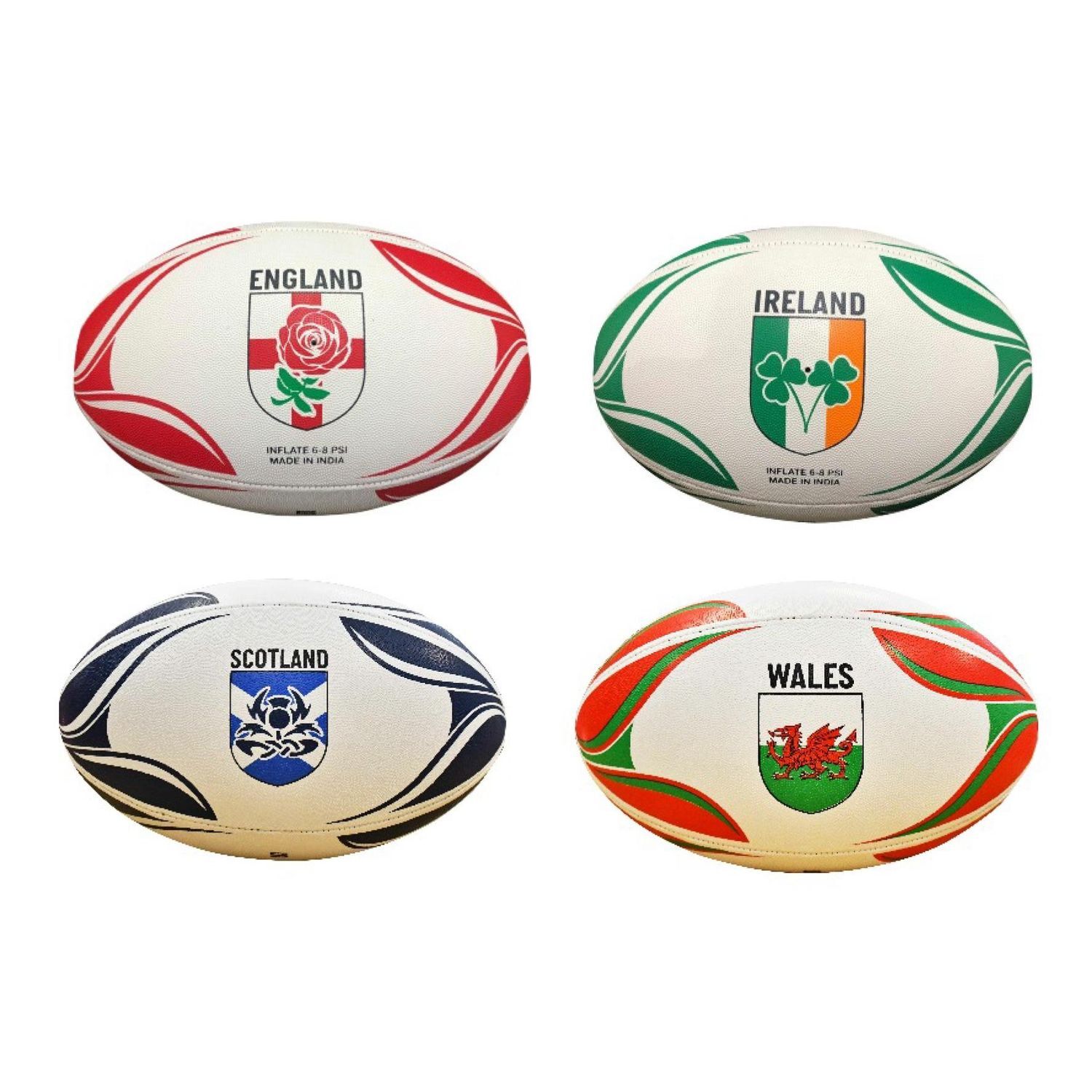
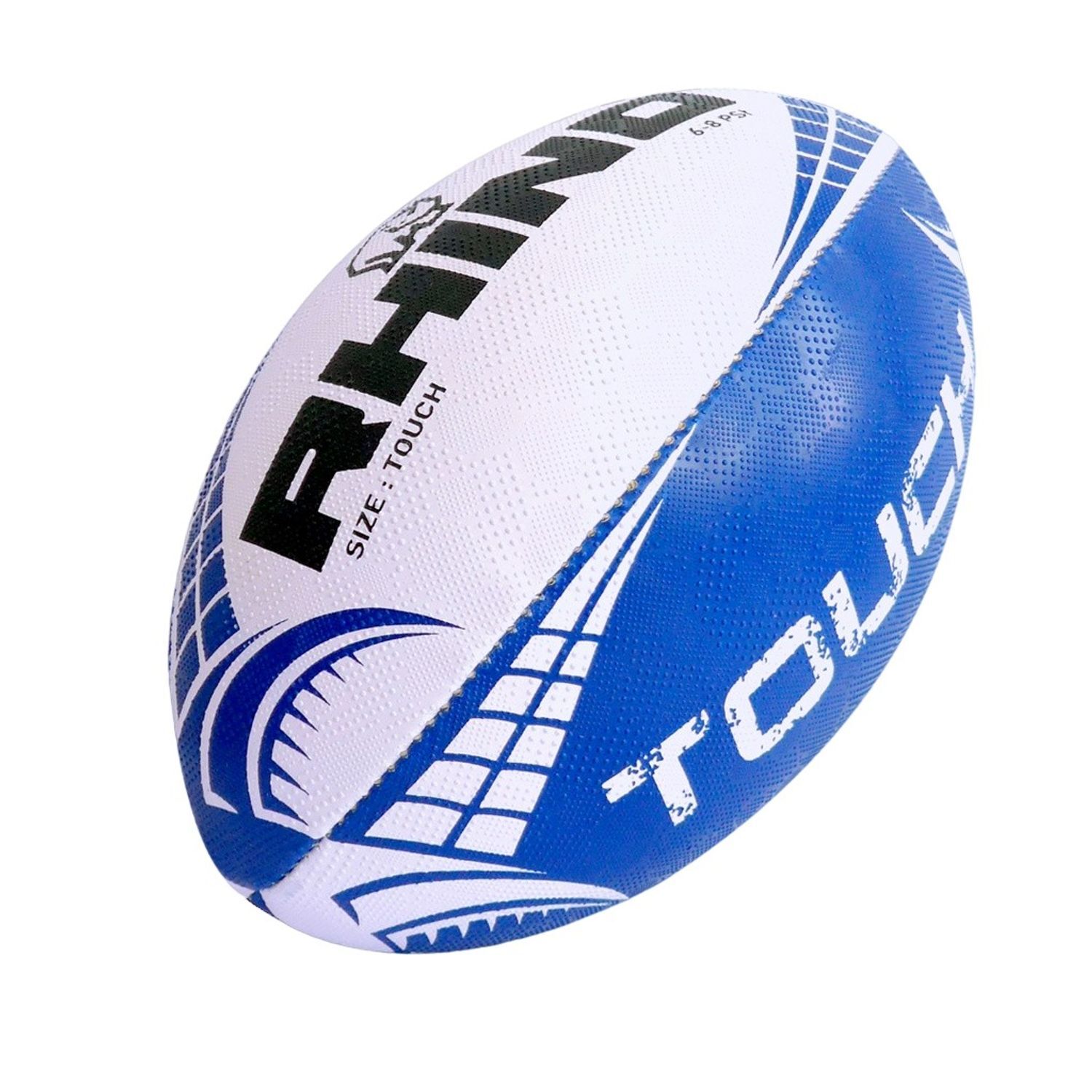
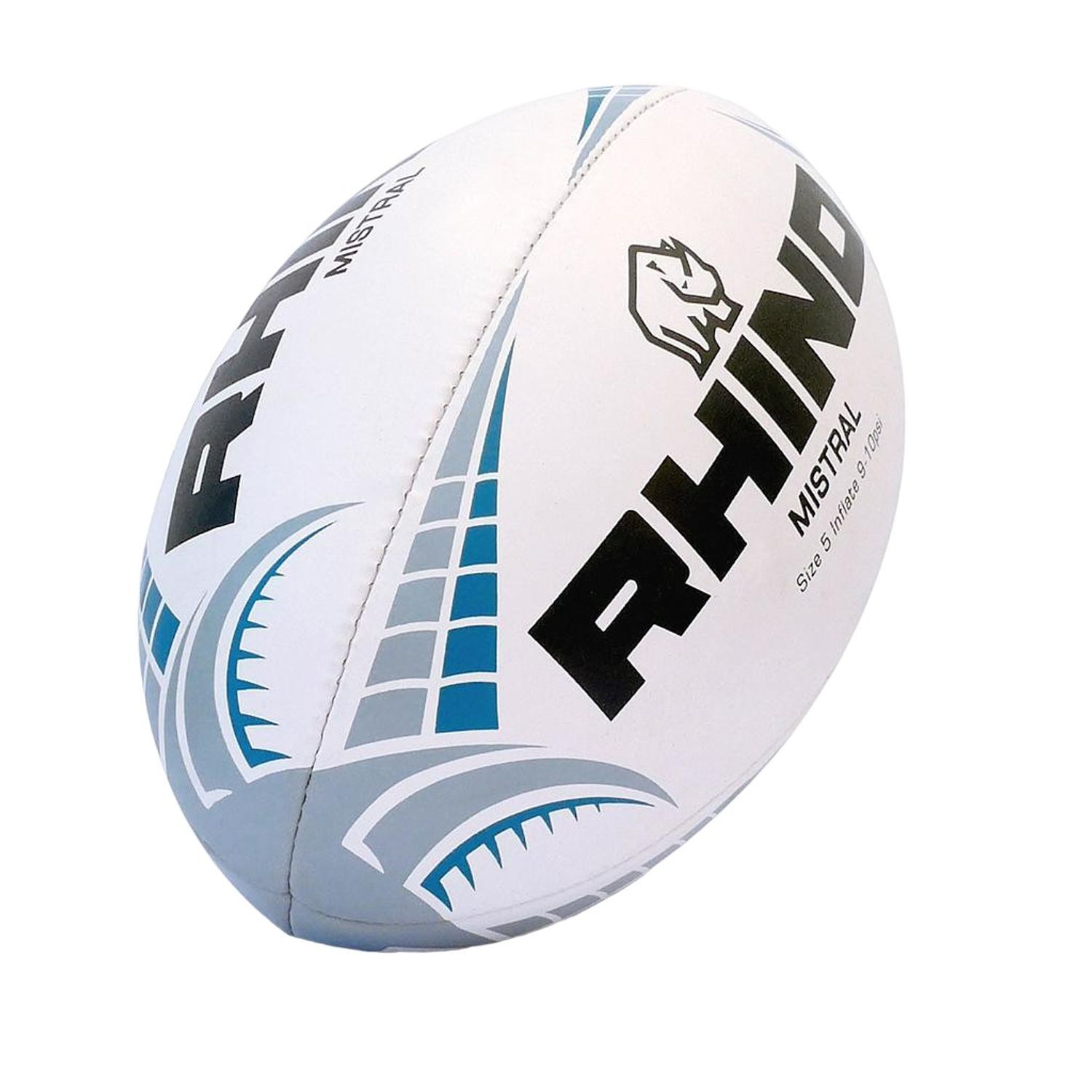
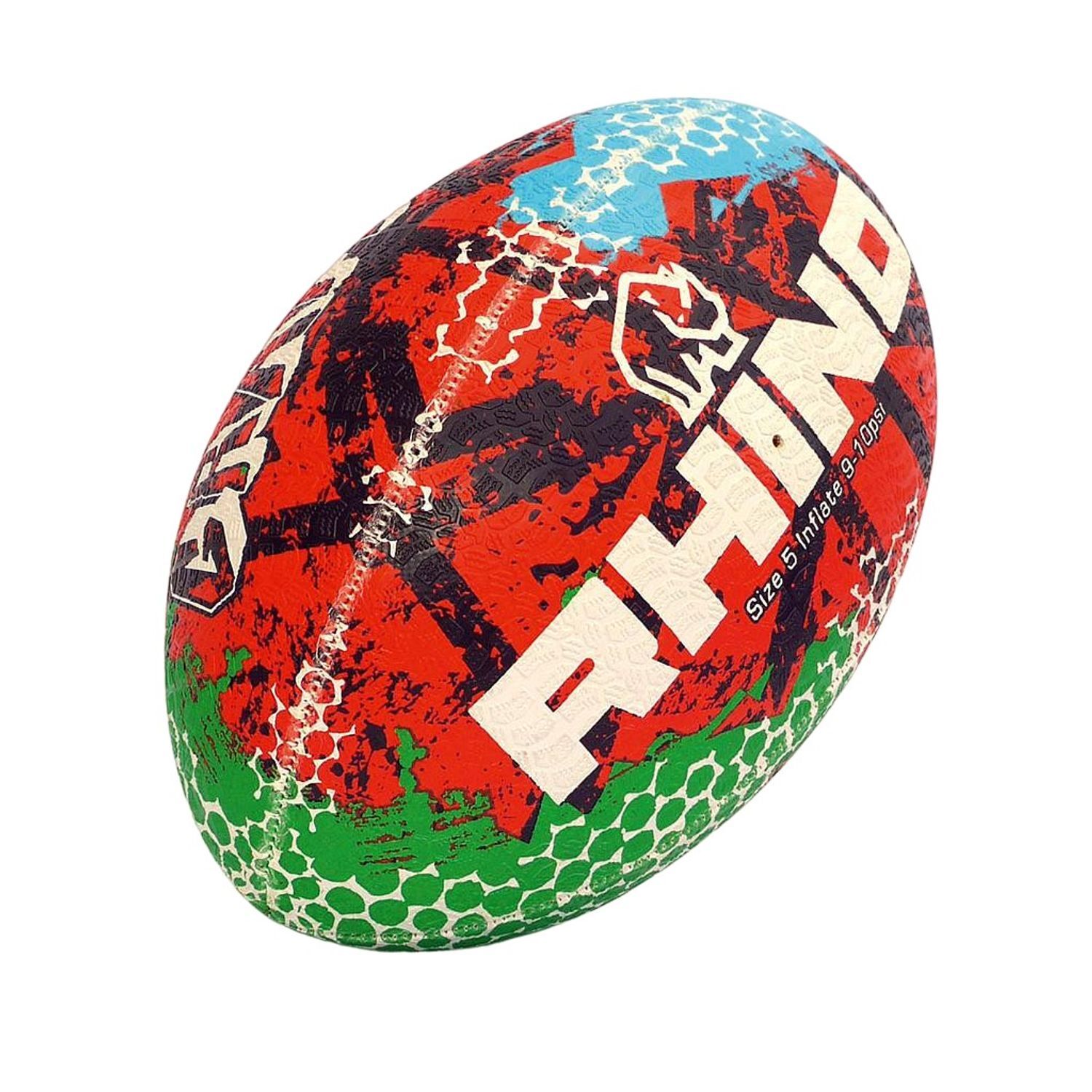
Colour changes sighting: white/red or orange lift visibility, black hides dirt.
Size
Size 5 appears across the rugby listings, so confirm it fits the player's age group.
Construction
Cotton/rubber or polyester/latex builds alter weight and grip, worth handling before you choose.
What's good
- Rugby balls built with latex/rubber hold their shape through wet training.
- Leather versions give a softer touch for players used to match-day feel.
- Athletics items such as white bowls jacks offer a neutral target on the green.
- Sporting Goods pieces in multi or bright colours help casual users track the ball outside.
Things to watch
- Leather balls mark quickly on abrasive pitches and need regular treatment.
- Latex and rubber/latex builds feel slick before they scuff in, which hurts grip-focused drills.
- Athletics pieces such as white bowls jacks are no use for rugby practice, so check the sub-type first.
- Cotton blend covers (cotton/polyester/viscose) soak up rain and get heavy in winter sessions.
- Black or neutral colourways hide mud but drop visibility in poor light.
Care & maintenance
Wipe down
Wipe rubber and latex/rubber balls with a damp cloth after muddy use.
Dry leather
Dry leather balls at room temperature, never next to direct heat.
Indoor storage
Store rugby balls indoors so cotton blend panels do not stay damp.
White care
Wipe white athletics items soon after play to stop grass dye settling.
Frequently Asked Questions
What should I look for when buying rugby balls?
When shopping for rugby balls, consider factors such as quality, price, brand reputation, and customer reviews. Compare prices across multiple retailers to ensure you're getting the best deal. Look for products that match your specific needs and budget.
How do I choose the right rugby balls?
Choosing the right rugby balls depends on your individual needs, budget, and preferences. Research different options, read customer reviews, and compare specifications. Consider what features are most important to you and look for products that offer the best value for money.
Where can I find the best deals on rugby balls?
You can find the best deals on rugby balls by comparing prices across multiple retailers. Our price comparison tool helps you find the lowest prices from trusted UK retailers including Amazon, eBay, and other major online stores. Check regularly as prices and deals change frequently.
Are rugby balls products worth the investment?
The value of rugby balls products depends on your specific needs and how you plan to use them. Quality products from reputable brands often provide better long-term value, even if they cost more initially. Consider your budget and requirements when making your decision.
What's the difference between different types of rugby balls?
Different types of rugby balls vary in features, quality, price, and intended use. Some may offer premium features while others focus on affordability. Research the specific differences between models or brands to find the option that best suits your needs and budget.