Vehicle Paint
How to choose vehicle paint
Format
Decide between Vehicle Maintenance, Care & Decor enamel litres and Vehicle Parts & Accessories touch-up pots. Large area means litres, small chip means pots.
Finish
Weigh finish type from the examples: gloss, satin, matt. Matt hides dents but shows road grime, gloss looks sharp but reveals flaws.
Colour
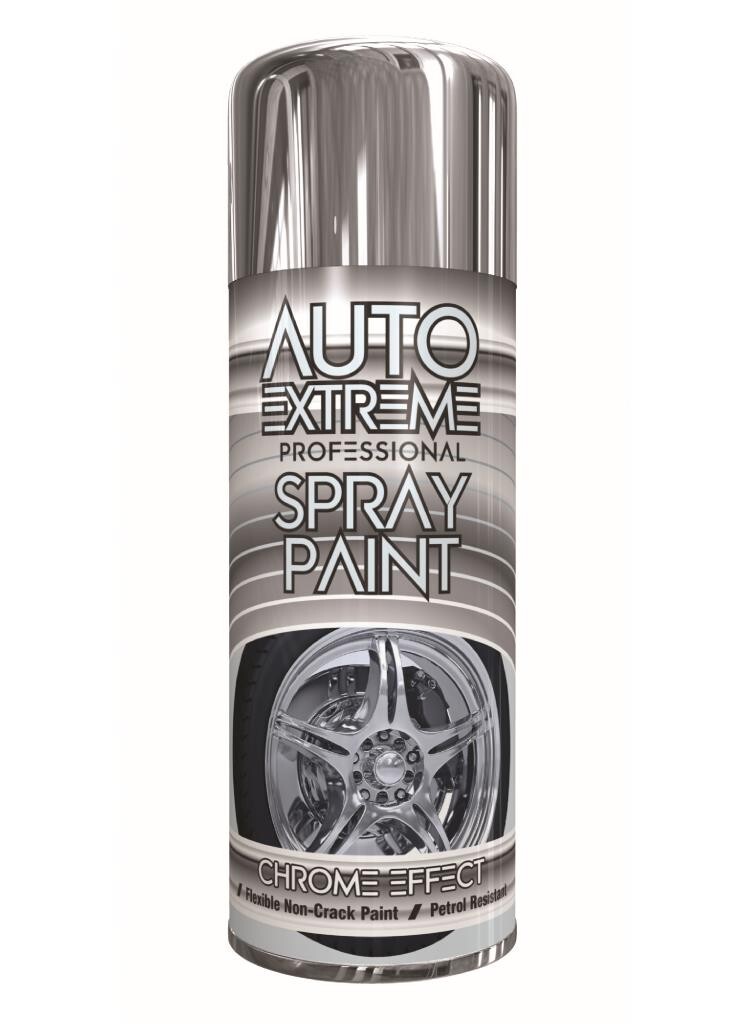
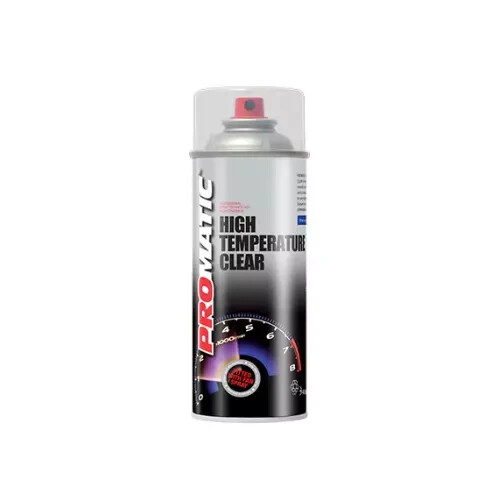
Use the colour axis to match need: clear for protection, gold or green for statement, silver or grey for fleet. Pearlescent needs more skill than plain shades.
Material
Check material attribute: acrylic or plastic for flexible parts, metal or steel for rigid panels. This prevents peeling later.
Sub-type
The category also lists Vehicles & Parts alongside the care and accessory sub-types. If you want paint only, the narrower tiers avoid unused components.
What's good
- Enamel paints in 1 litre and 2.5 litre tins give enough volume for full panels or machinery. This tier suits restoration jobs within Vehicle Maintenance, Care & Decor.
- Small 12.5ml touch-up pots handle chip repairs on specific car shades. They fit buyers browsing Vehicle Parts & Accessories who want a precise match.
- The colour axis includes black, white, silver, red, blue, grey, green, yellow, gold, and clear. That spread covers most factory finishes and custom work.
- Material attributes list acrylic, plastic, metal, and steel options. You can pick a formula aligned with the surface, from bumper to body panel.
Things to watch
- Those 12.5ml touch-up pots are wrong for rust patches, as the volume only fills minor scratches.
- Enamel in the 2.5 litre size is heavy to stir and wasteful for a single door. Matt and satin finishes also need thorough prep to avoid uneven sheen.
- Pearlescent or metallic colours from the axis are harder to blend than flat black or white. Expect a visible line if you freehand a large area.
- Items tagged with tin, lead, or rubber in the material axis may be unsuitable for modern plastic trim. Check the attribute before buying for a bumper.
Care & maintenance
Storage
Store enamel tins upright in a cool, dry place to stop gloss or satin paint skinning over.
Caps
Keep touch-up brushes capped after use, since clear and pearlescent shades dry fast in the 12.5ml pot.
Cleaning
Rinse brushes used on acrylic or acrylic/wood tagged paints before the residue hardens.
Frequently Asked Questions
What should I look for when buying vehicle paint?
When shopping for vehicle paint, consider factors such as quality, price, brand reputation, and customer reviews. Compare prices across multiple retailers to ensure you're getting the best deal. Look for products that match your specific needs and budget.
How do I choose the right vehicle paint?
Choosing the right vehicle paint depends on your individual needs, budget, and preferences. Research different options, read customer reviews, and compare specifications. Consider what features are most important to you and look for products that offer the best value for money.
Where can I find the best deals on vehicle paint?
You can find the best deals on vehicle paint by comparing prices across multiple retailers. Our price comparison tool helps you find the lowest prices from trusted UK retailers including Amazon, eBay, and other major online stores. Check regularly as prices and deals change frequently.
Are vehicle paint products worth the investment?
The value of vehicle paint products depends on your specific needs and how you plan to use them. Quality products from reputable brands often provide better long-term value, even if they cost more initially. Consider your budget and requirements when making your decision.
What's the difference between different types of vehicle paint?
Different types of vehicle paint vary in features, quality, price, and intended use. Some may offer premium features while others focus on affordability. Research the specific differences between models or brands to find the option that best suits your needs and budget.