Spreaders
How to choose spreaders
Capacity
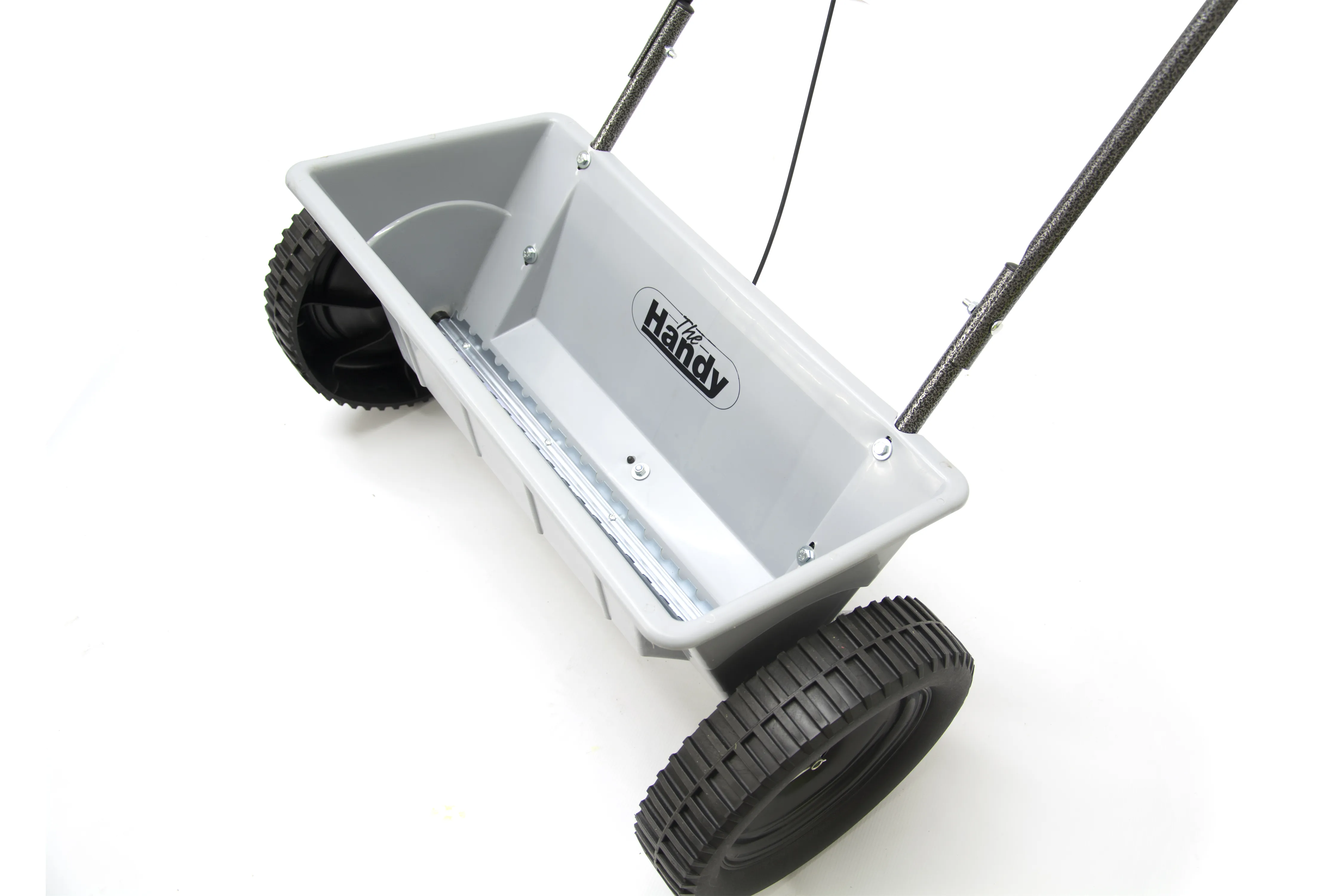
a 15L walk-behind unit suits a short path, while a 36Kg cart fits a long private road or field.
Material
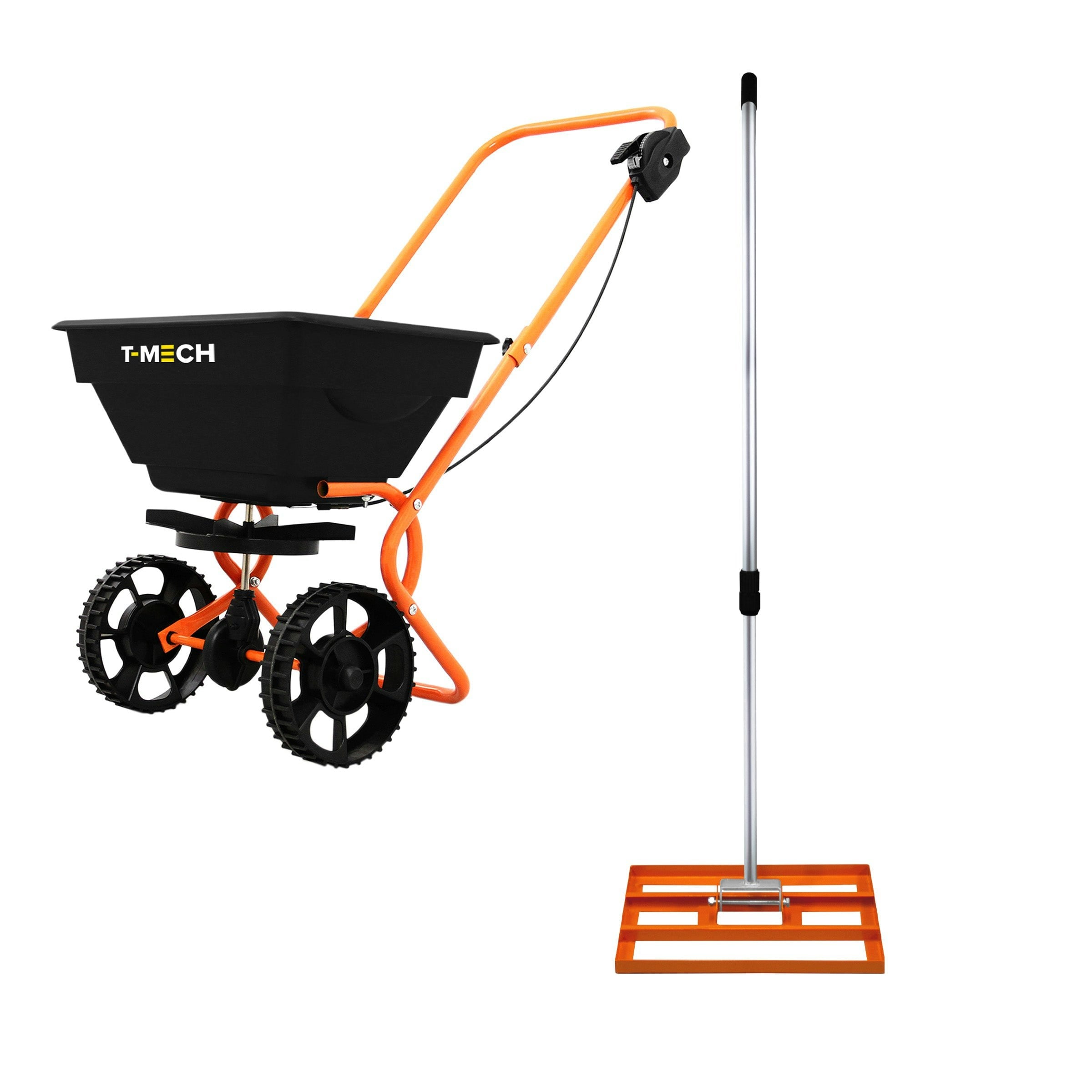
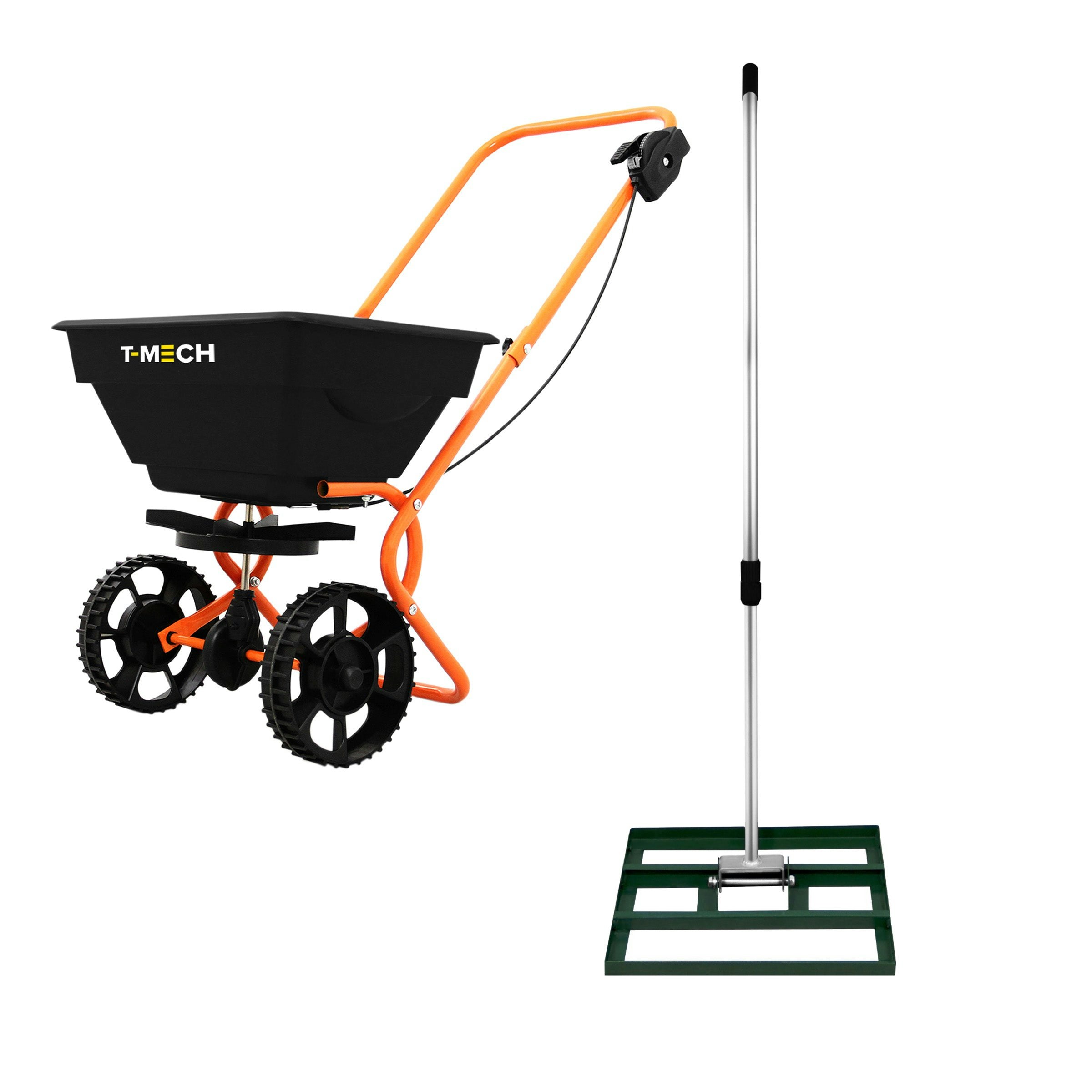
pick stainless steel/metal for durability, or plastic/aluminium to keep a levelling rake light.
Action
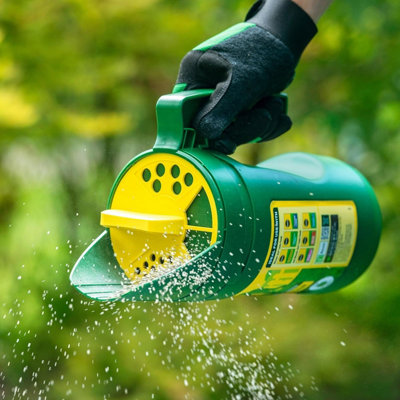
rotary spinners suit lawn feed, but a roller or shaker works better for top dressing and compost.
Sub-type fit
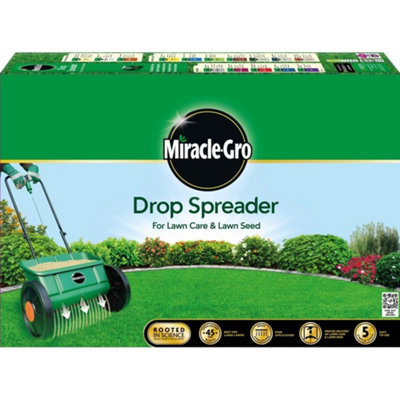
Lawn & Garden wheeled units cover ground fast, while Gardening handhelds give control in tight beds.
Colour
mostly cosmetic, but bright orange or red models are easier to spot in a busy shed.
What's good
- Walk-behind carts in the Lawn & Garden sub-type cover large grass areas faster than a handheld shaker from Gardening Tools.
- Plastic and polypropylene builds resist rust from winter salt, where bare steel frames will corrode.
- Handheld seeders and static grass applicators in Home & Garden give precise control for model scenery or small beds.
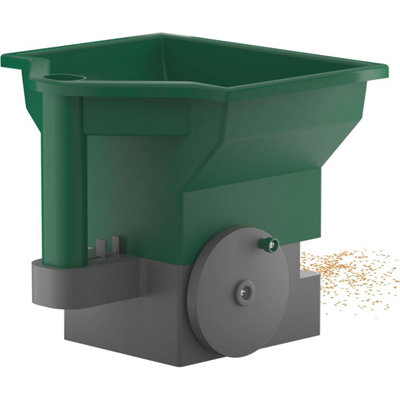
- Roller style compost spreaders handle wet peat moss that a rotary spinner would clog on.
Things to watch
- Steel or stainless steel/metal frames are tough but heavier to push than aluminium/plastic carts.
- Broadcast spreaders throw product wide, which wastes feed near borders or paths.
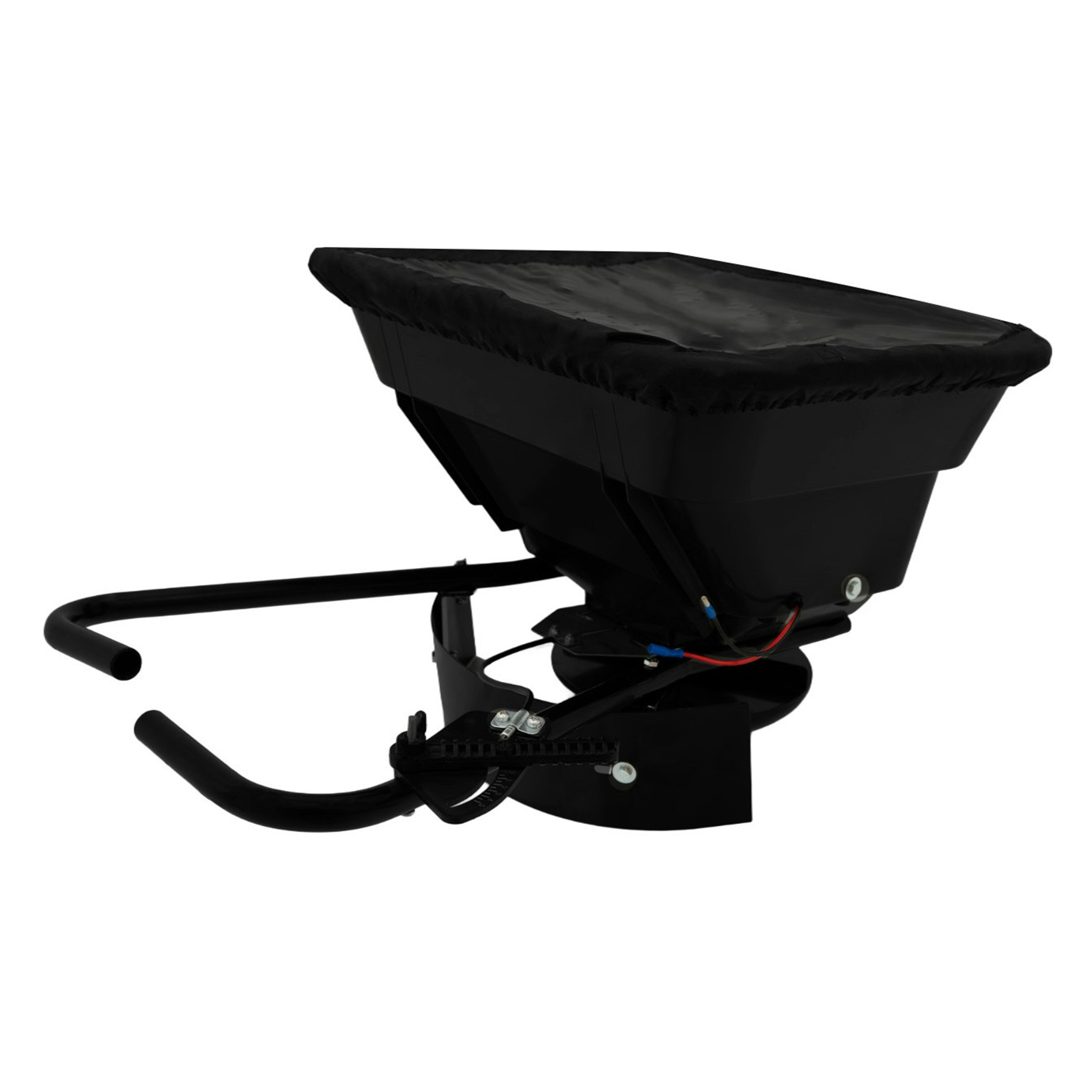
- Small 15L walk-behind salt spreaders need frequent refills on long driveways.
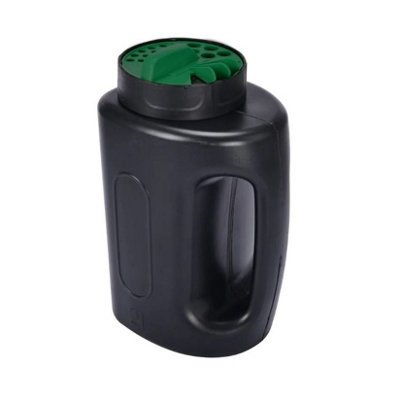
- Manual shakers need arm effort and lack the even pattern of a wheeled rotary unit.
Care & maintenance
Wash hoppers
Rinse steel and polypropylene hoppers after salt or fertiliser use to prevent corrosion and blockages.
Inspect wheels
Check tyres and axle on wheeled carts before storing for the off season.
Dry handles
Wipe latex or plastic handles dry so grip stays sound on handheld types.
Store flat
Keep aluminium/plastic models flat so the hopper does not warp under weight.
Frequently Asked Questions
What should I look for when buying spreaders?
When shopping for spreaders, consider factors such as quality, price, brand reputation, and customer reviews. Compare prices across multiple retailers to ensure you're getting the best deal. Look for products that match your specific needs and budget.
How do I choose the right spreaders?
Choosing the right spreaders depends on your individual needs, budget, and preferences. Research different options, read customer reviews, and compare specifications. Consider what features are most important to you and look for products that offer the best value for money.
Where can I find the best deals on spreaders?
You can find the best deals on spreaders by comparing prices across multiple retailers. Our price comparison tool helps you find the lowest prices from trusted UK retailers including Amazon, eBay, and other major online stores. Check regularly as prices and deals change frequently.
Are spreaders products worth the investment?
The value of spreaders products depends on your specific needs and how you plan to use them. Quality products from reputable brands often provide better long-term value, even if they cost more initially. Consider your budget and requirements when making your decision.
What's the difference between different types of spreaders?
Different types of spreaders vary in features, quality, price, and intended use. Some may offer premium features while others focus on affordability. Research the specific differences between models or brands to find the option that best suits your needs and budget.