Work Benches
How to choose work benches
Sub-type and footprint
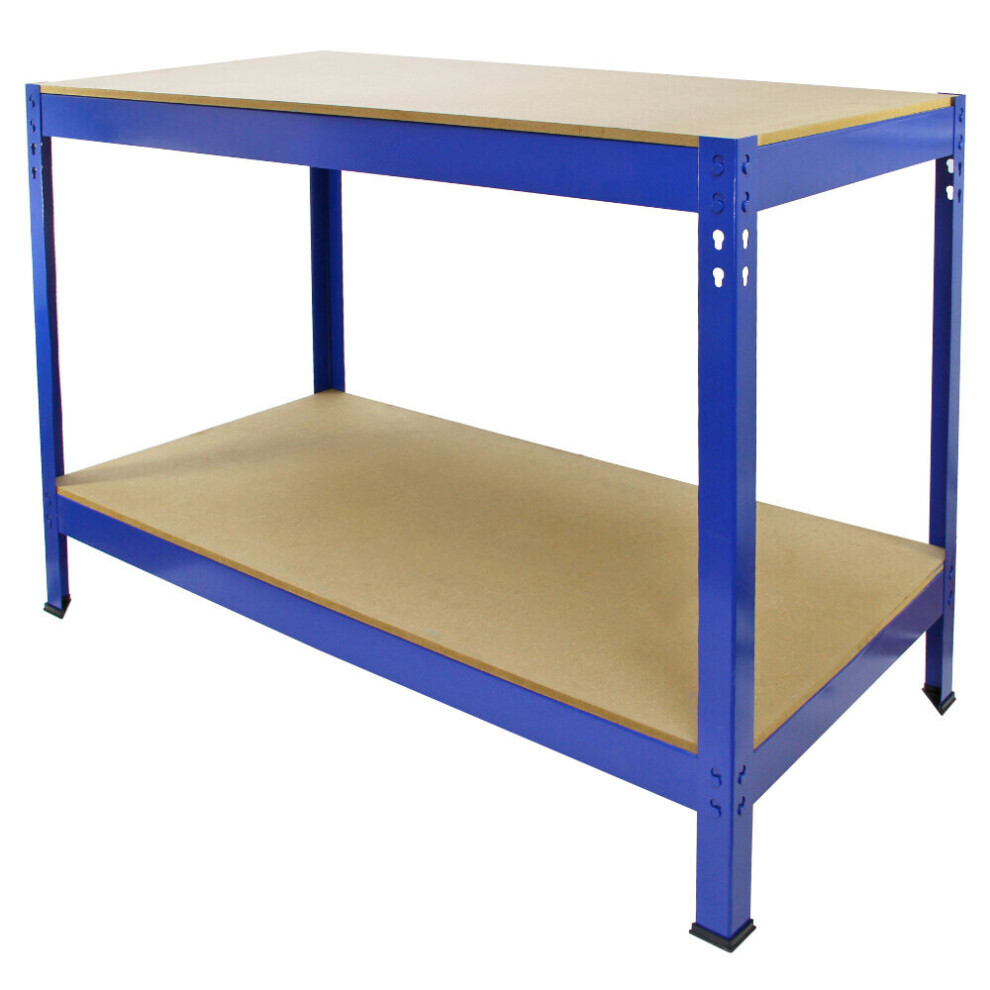
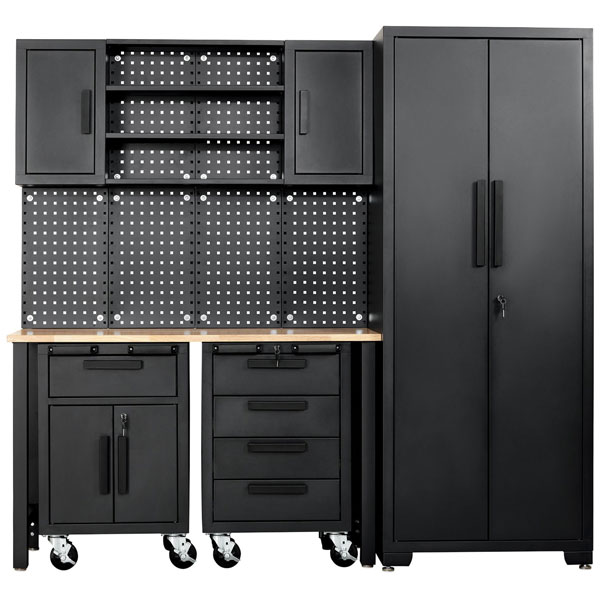
First, decide between a plain hardware bench and a tool storage and organisation type. The second adds storage but reduces clear floor space.
Material choice
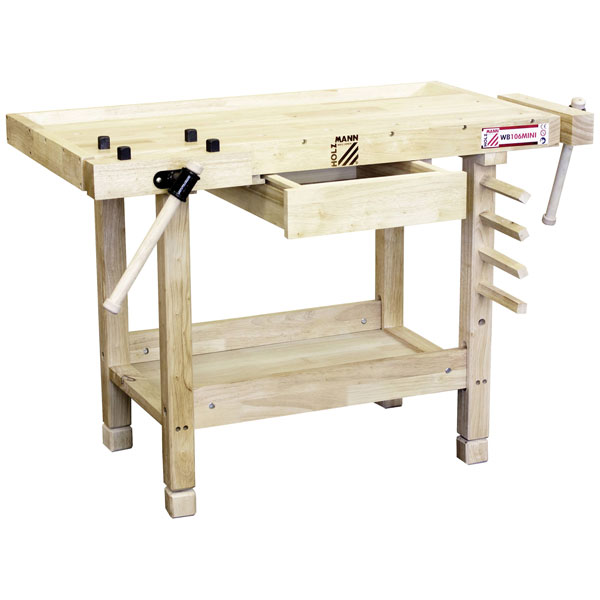
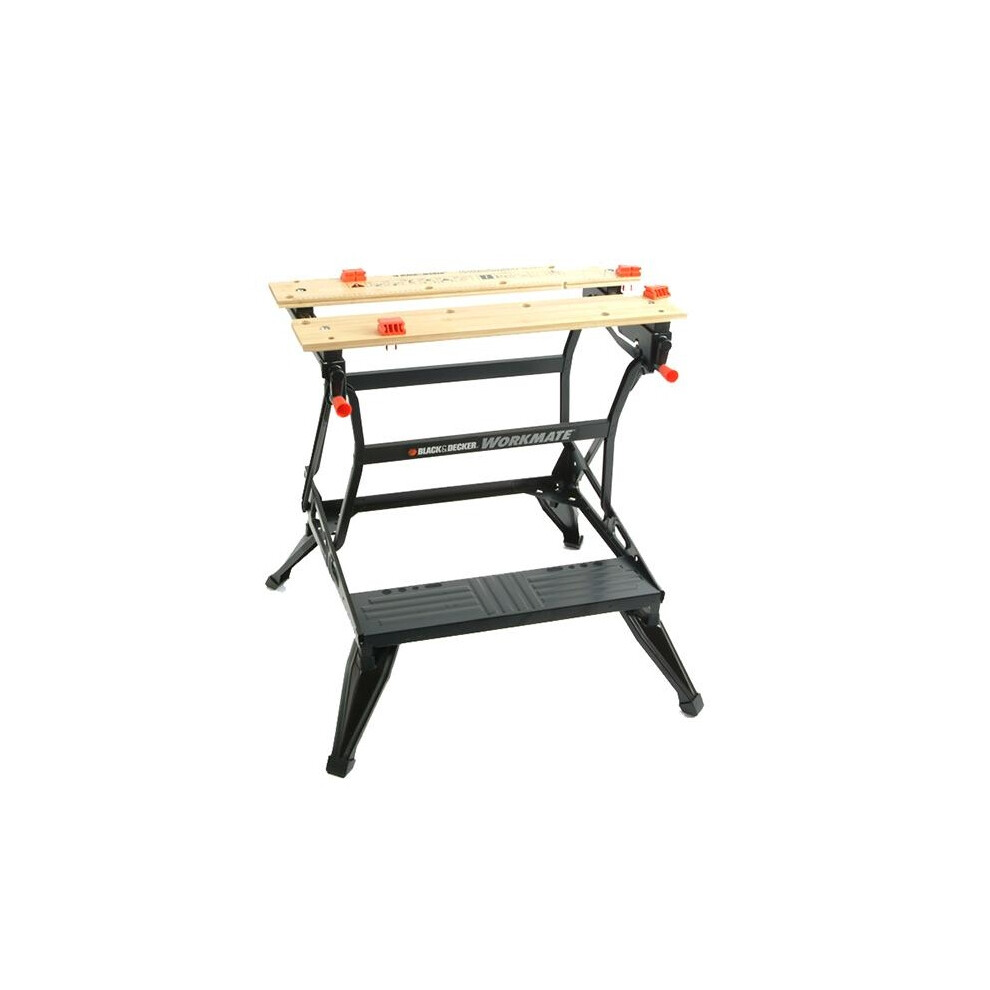
Material drives longevity. Steel resists knocks, wood cushions delicate parts, steel/wood blends both for general use.
Load capacity
Capacity should match your task. 200kg suits electronics and modelling, while 400kg copes with vice work and stacked stock.
Colour and upkeep
Colour is not just looks. Grey or black hide workshop grime, while white or green need regular wiping to stay smart.
Physical size
Size varies widely, from depths around 610 mm for alcoves to widths over 2000 mm for full sheet work. Pick the footprint your room allows.
What's good
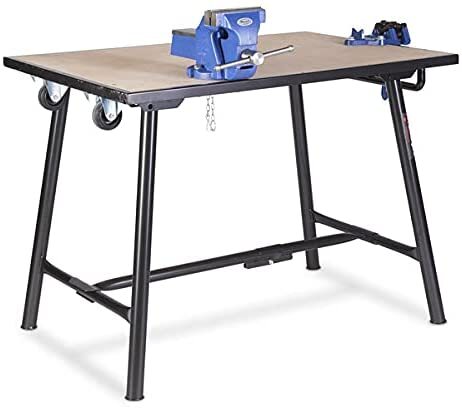
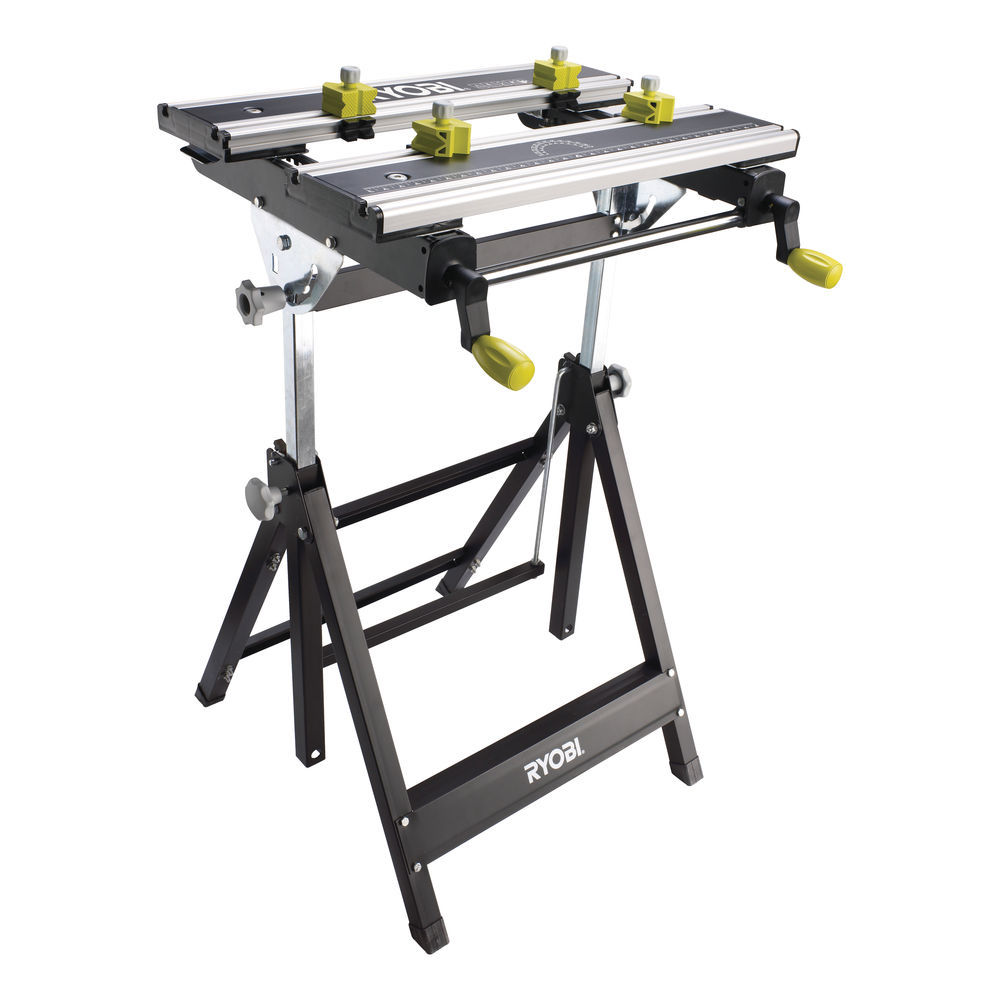
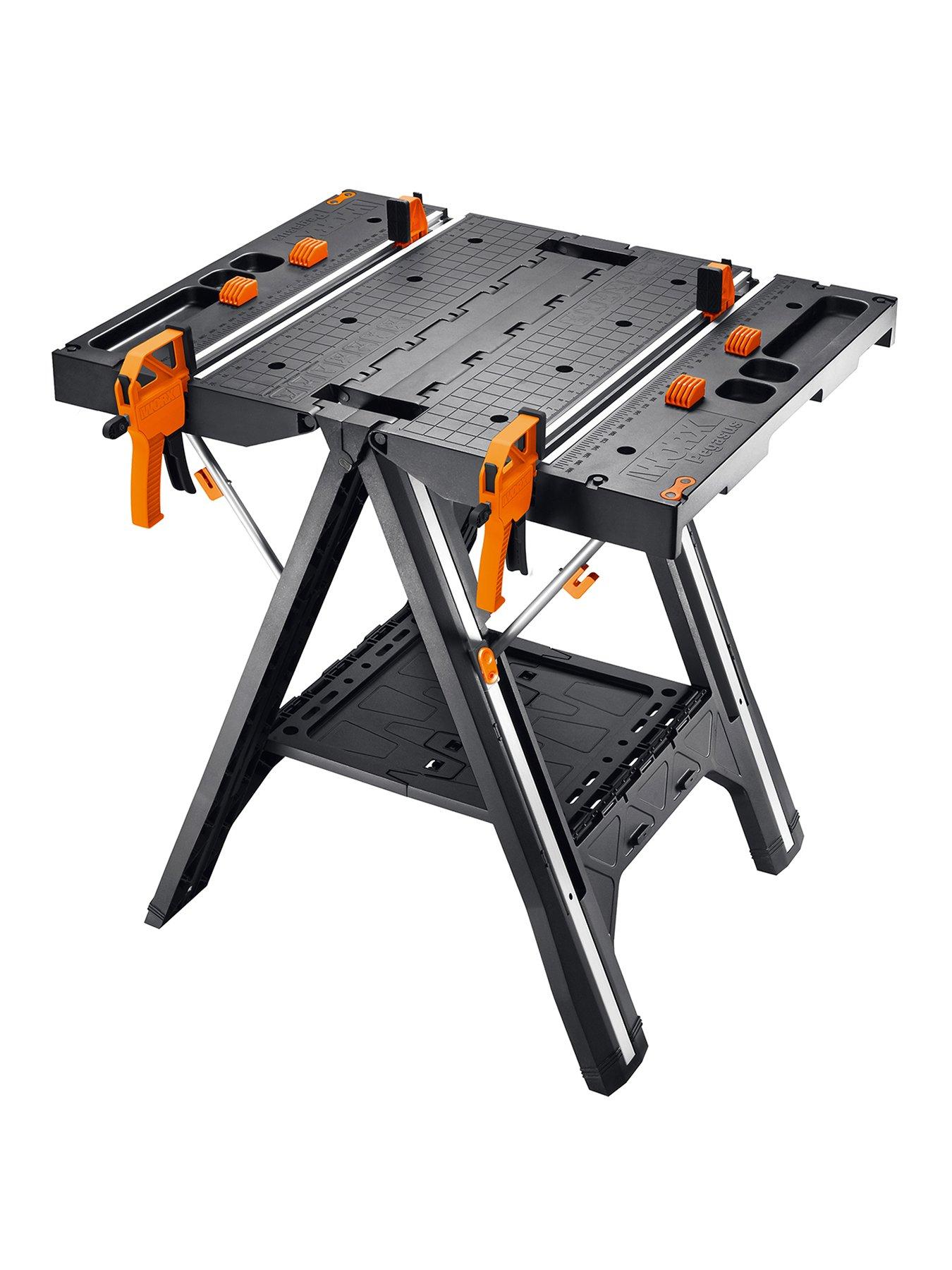
- Steel and steel/wood benches with 400kg capacity hold heavy tools and vice work without flexing. They suit trade users and serious DIYers.
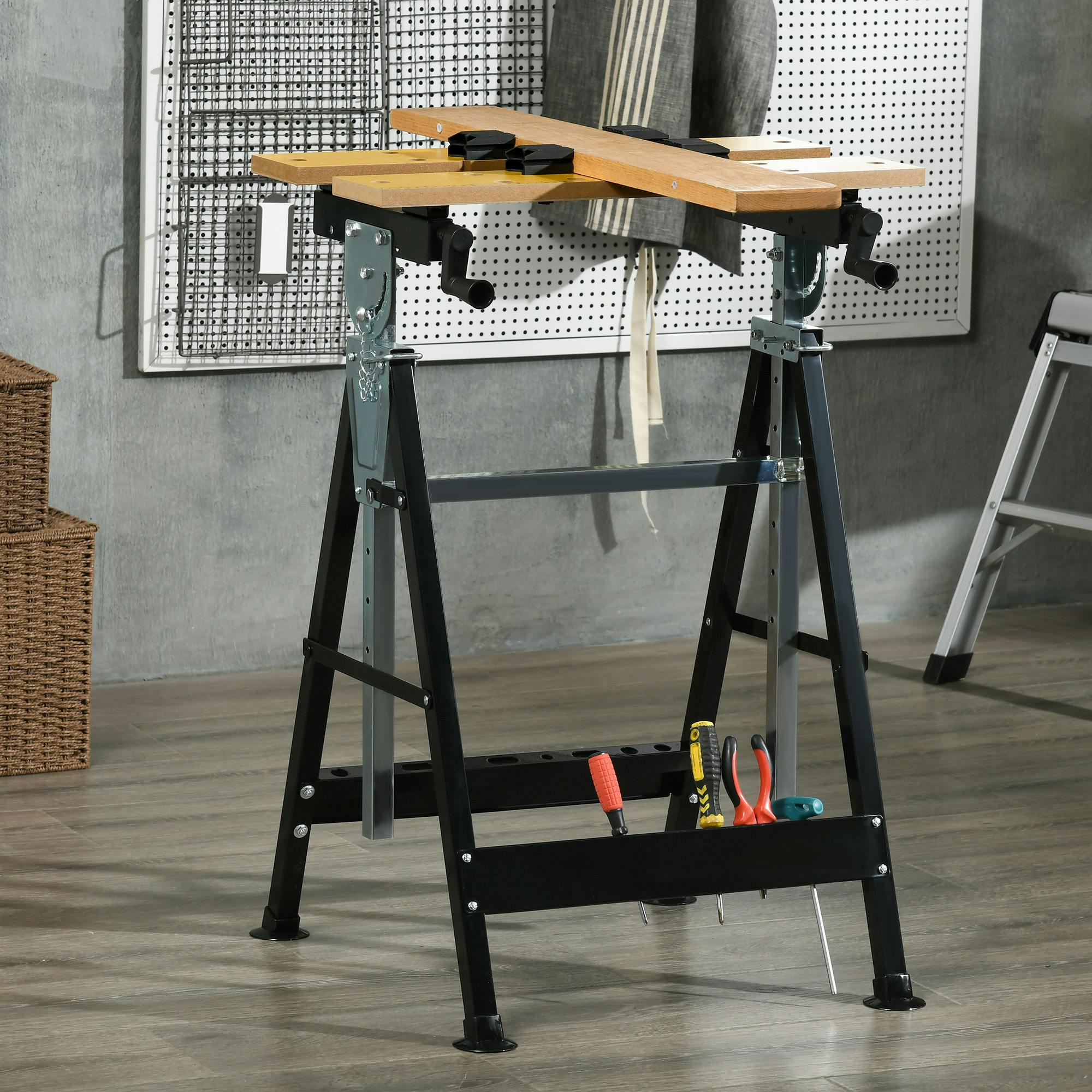
- Tool storage and organisation models build shelves or cabinets into the frame. They keep hardware within arm's reach and cut clutter in a busy garage.
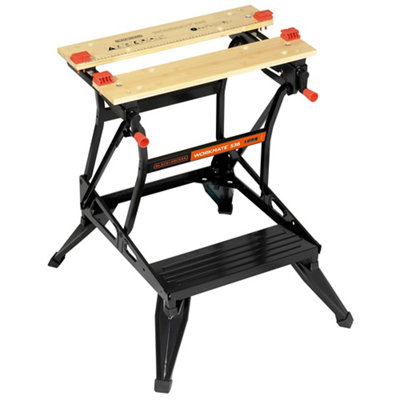
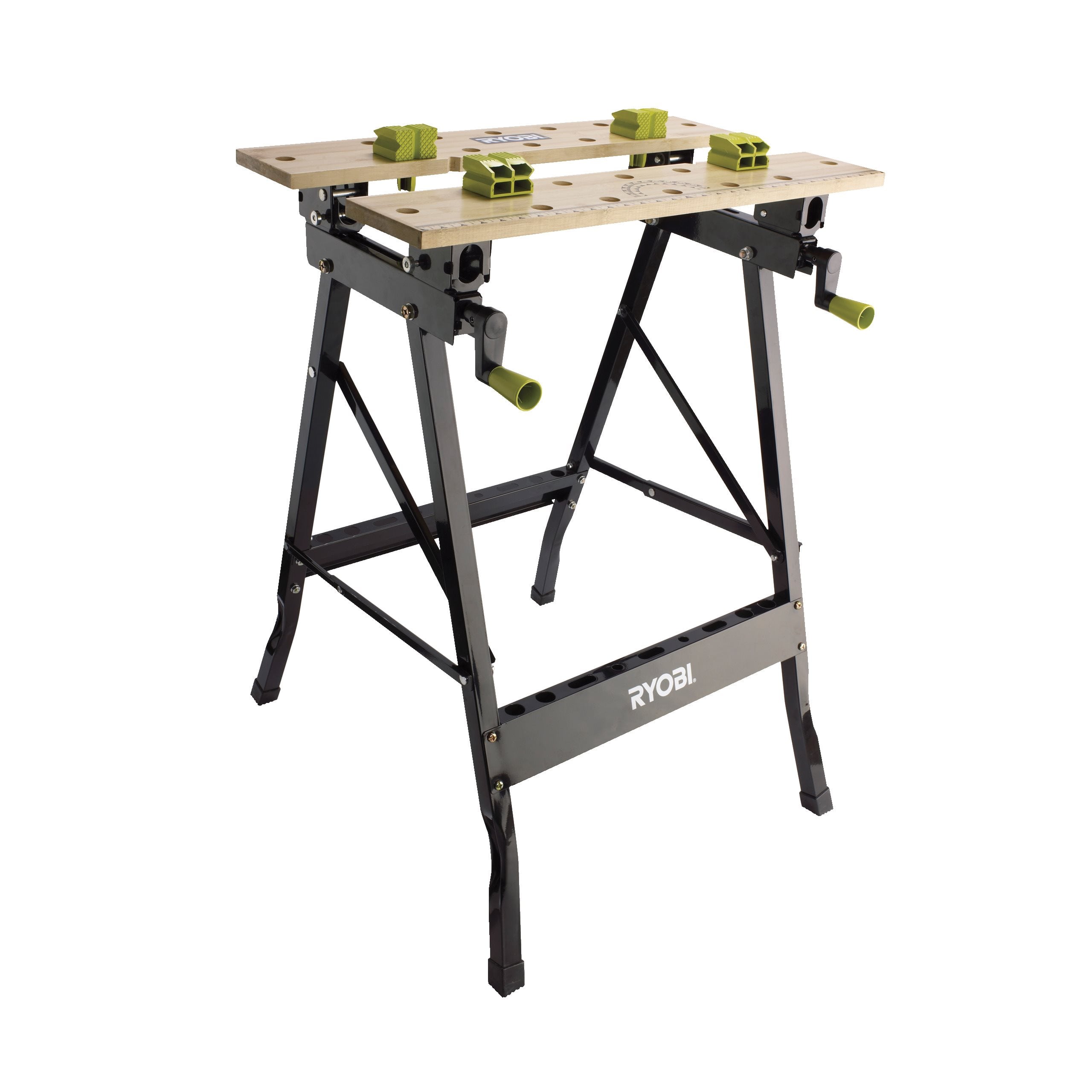
- Lighter 200kg frames in plywood or wood/pine are easier to reposition by one person. They fit tenants or hobbyists who change room layout often.
- Stainless steel and rubber/steel tops shrug off spills and wipe clean fast. Good for messy crafts or food-adjacent workshops.
Things to watch
- Wood and plywood surfaces mark easily under sharp metal parts. They are poor picks for grinding or oily engine jobs.
- A 400kg steel bench is a permanent fixture once placed. It is wrong for anyone who moves home regularly.
- Tool storage and organisation units need more floor area than a basic hardware accessory bench. Skip them if your utility room is narrow.
- Bright red, blue/orange or white finishes look fresh but show dust and scratches quicker than grey or black. They demand more cleaning time.
Care & maintenance
Wipe metal and melamine
Wipe steel, melamine and steel/melamine tops with a damp cloth after each session to stop rust and stain build-up.
Feed wooden tops
Treat wood, pine or plywood tops with wax or oil once a year to prevent warping from damp air.
Tighten bolts
Check frame bolts on steel and steel/chipboard models every few months, as vibration from power tools can loosen them.
Clean feet
Keep rubber/steel feet free of grit so the bench stays put on smooth concrete.
Frequently Asked Questions
What should I look for when buying work benches?
When shopping for work benches, consider factors such as quality, price, brand reputation, and customer reviews. Compare prices across multiple retailers to ensure you're getting the best deal. Look for products that match your specific needs and budget.
How do I choose the right work benches?
Choosing the right work benches depends on your individual needs, budget, and preferences. Research different options, read customer reviews, and compare specifications. Consider what features are most important to you and look for products that offer the best value for money.
Where can I find the best deals on work benches?
You can find the best deals on work benches by comparing prices across multiple retailers. Our price comparison tool helps you find the lowest prices from trusted UK retailers including Amazon, eBay, and other major online stores. Check regularly as prices and deals change frequently.
Are work benches products worth the investment?
The value of work benches products depends on your specific needs and how you plan to use them. Quality products from reputable brands often provide better long-term value, even if they cost more initially. Consider your budget and requirements when making your decision.
What's the difference between different types of work benches?
Different types of work benches vary in features, quality, price, and intended use. Some may offer premium features while others focus on affordability. Research the specific differences between models or brands to find the option that best suits your needs and budget.