Laboratory Equipment
How to choose laboratory equipment
Pick sub-type first: Science & Laboratory for general kit, Laboratory Funnels for pouring, Business & Industrial for rough use.
Weigh material: aluminium and plastic are easy to carry, steel and stainless steel are firmer but heavier.
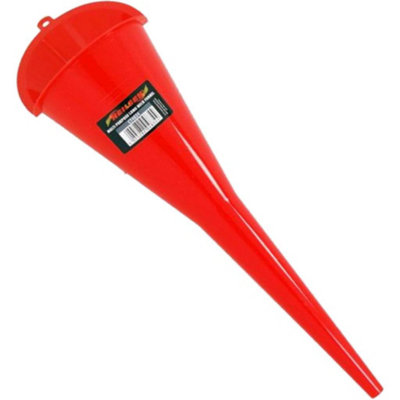
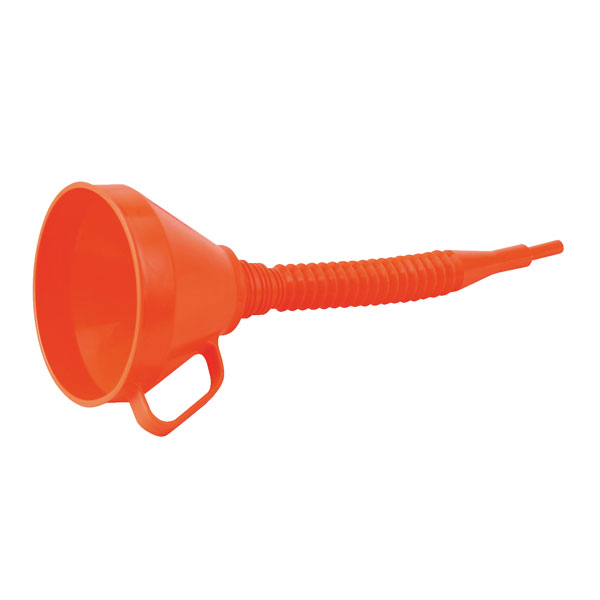
Choose spout: flexible hose reaches awkward necks but can kink, rigid funnel pours straight.
Note colour: blue, red, yellow and more exist, yet they signal coding rather than quality.
Remember Microscope Accessories are a different need, so confirm you lack optics help, not a funnel.
What's good
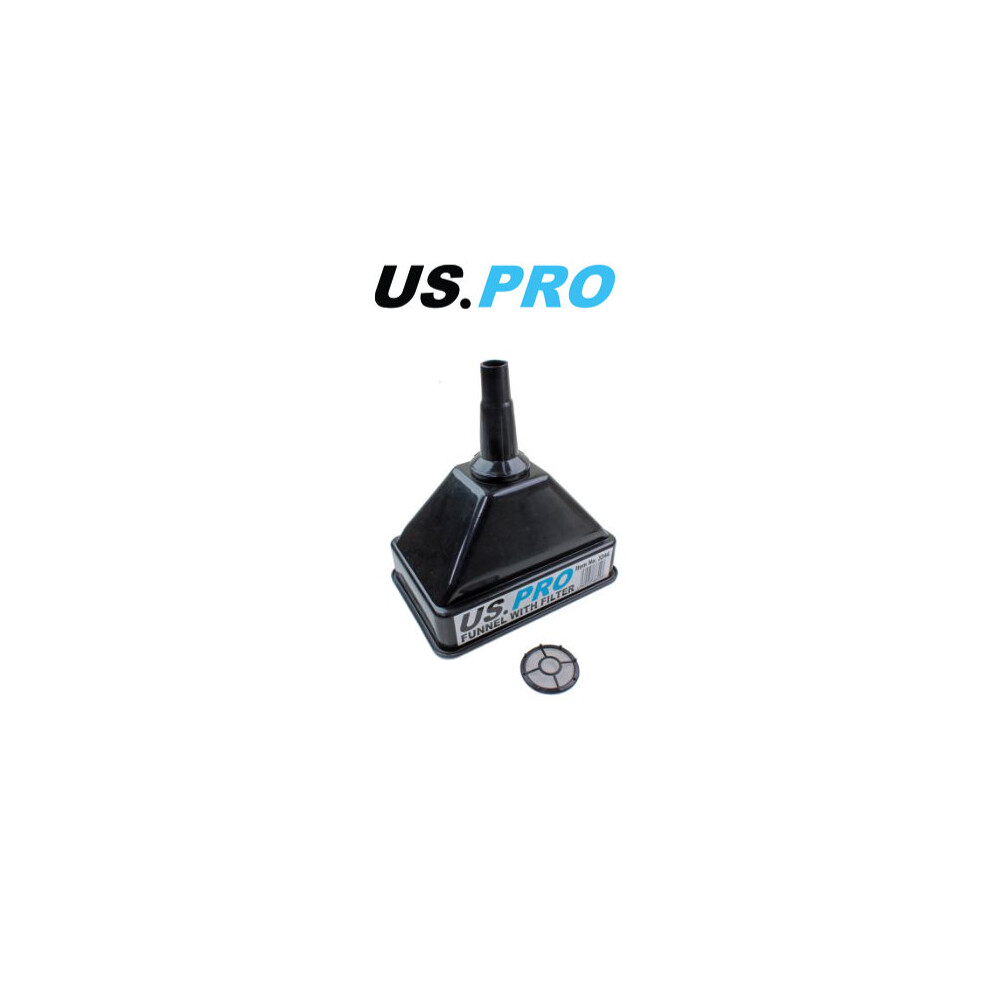
- Laboratory Funnels with filter meshes keep solids from your liquids, a clear win for science tasks.
- Science & Laboratory items cover broader bench needs, so you can kit out a workspace in one go.
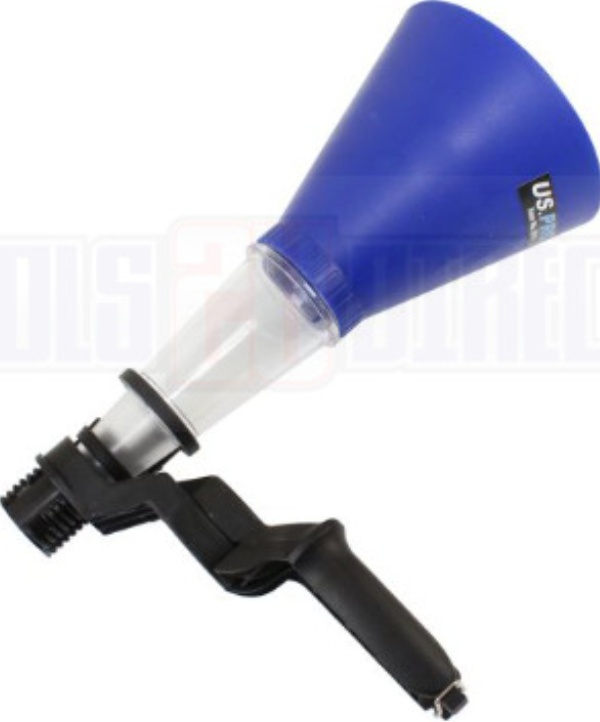
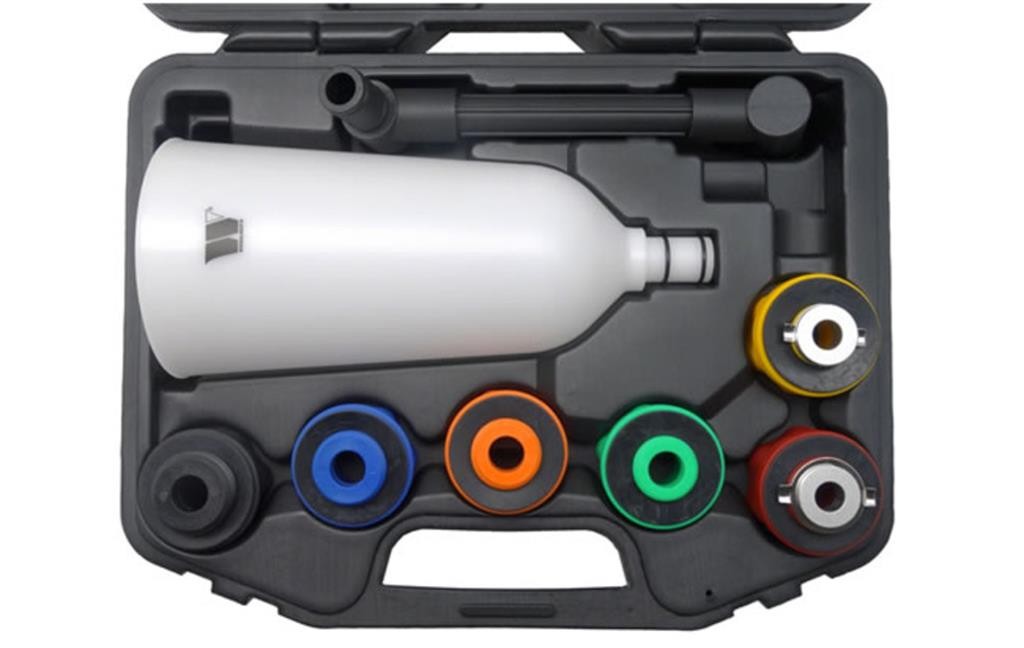
- Business & Industrial funnels often use hands-free seals or debris filters, saving effort with oil and fuel.
- Plastic and polypropylene builds are light, so they suit repeated pouring without arm strain.
- Microscope Accessories let you add to existing kit instead of buying a whole new unit.
Things to watch
- Plastic funnels are light but may warp near heat, where steel or stainless steel hold shape.
- Metal and steel funnels survive knocks yet feel heavy in hand during long lab sessions.
- Hands-free filler funnels lock to necks, but they give poor control for small measured pours.
- Microscope Accessories only aid optics, so they are useless for any transfer work.
- Colour options like pink or orange are visual only, not a sign of better build.
Care & maintenance
Rinse plastic and polypropylene funnels soon after solvent contact to stop residue set.
Wipe metal and steel items dry, since some can mark if stored wet.
Pull off removable hoses from flexible spout funnels to check for clogs before putting away.
Store microscope accessories in labelled boxes so small parts stay together.
Frequently Asked Questions
What should I look for when buying laboratory equipment?
When shopping for laboratory equipment, consider factors such as quality, price, brand reputation, and customer reviews. Compare prices across multiple retailers to ensure you're getting the best deal. Look for products that match your specific needs and budget.
How do I choose the right laboratory equipment?
Choosing the right laboratory equipment depends on your individual needs, budget, and preferences. Research different options, read customer reviews, and compare specifications. Consider what features are most important to you and look for products that offer the best value for money.
Where can I find the best deals on laboratory equipment?
You can find the best deals on laboratory equipment by comparing prices across multiple retailers. Our price comparison tool helps you find the lowest prices from trusted UK retailers including Amazon, eBay, and other major online stores. Check regularly as prices and deals change frequently.
Are laboratory equipment products worth the investment?
The value of laboratory equipment products depends on your specific needs and how you plan to use them. Quality products from reputable brands often provide better long-term value, even if they cost more initially. Consider your budget and requirements when making your decision.
What's the difference between different types of laboratory equipment?
Different types of laboratory equipment vary in features, quality, price, and intended use. Some may offer premium features while others focus on affordability. Research the specific differences between models or brands to find the option that best suits your needs and budget.