Sanding Blocks
How to choose sanding blocks
Sub-type first
Pick Tools sub-type for handheld sanding, or Hardware for bench mounted use.
Material weight
Weight trades off: plastic and nylon are light, metal and wood/metal are solid but heavy.
Wear and grip
Material sets life and feel, rubber and metal endure, paper and leather fade.
Colour axis
Colour (black, grey, red, silver, and more) is taste, not function.
Power compatibility
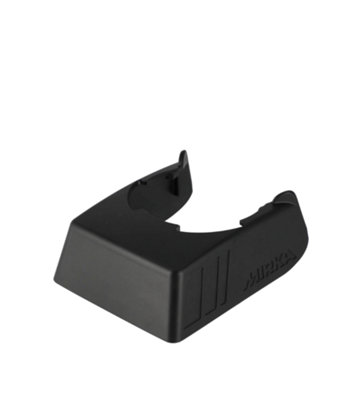
If you run a power sander, edge sanding attachments (a Tools type) must match your machine.
What's good
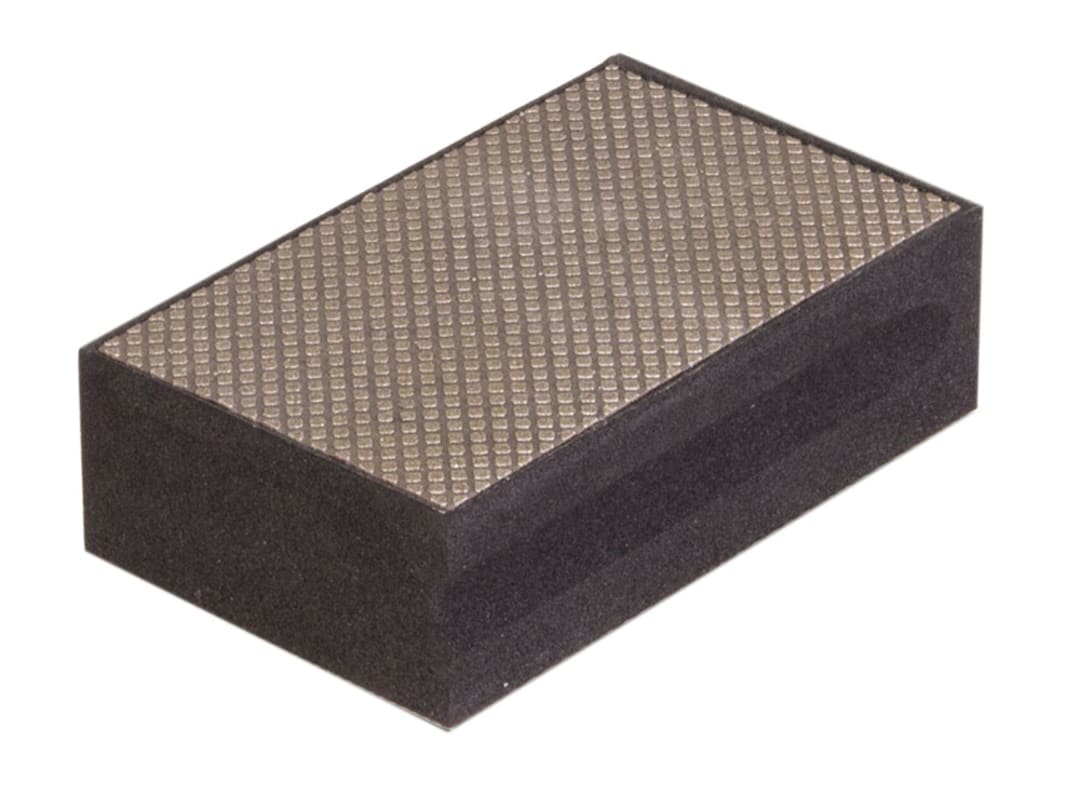
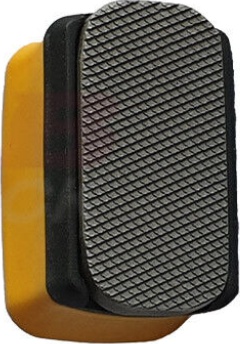
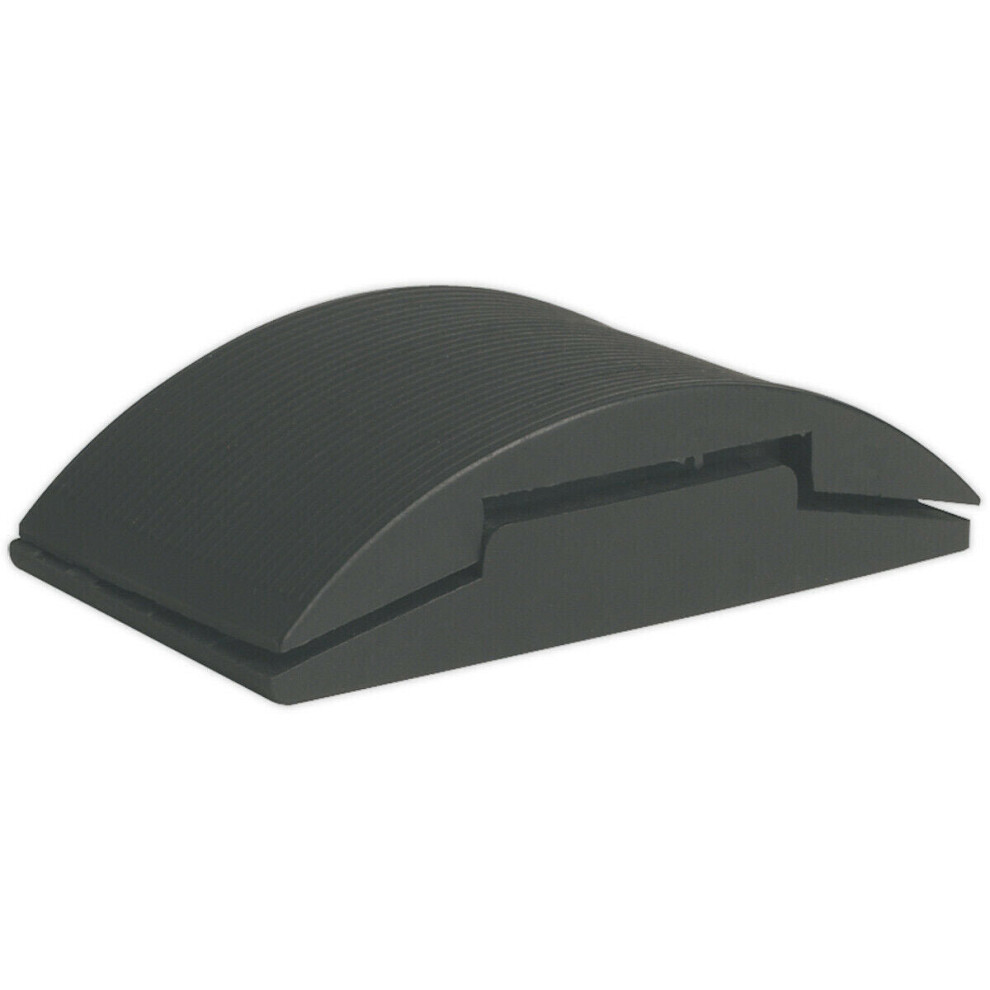
- Tool-type sanding blocks, such as flexible angled designs, wrap around curves that flat rigid blocks miss.
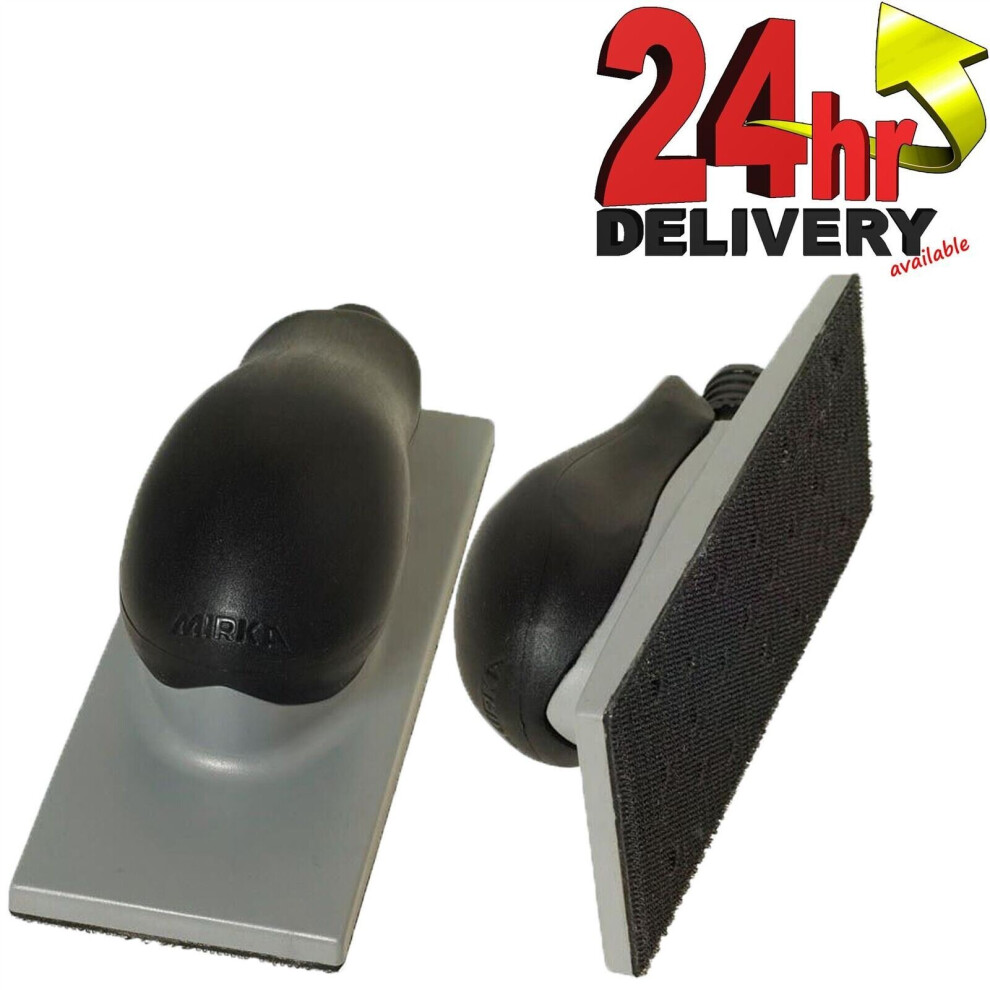
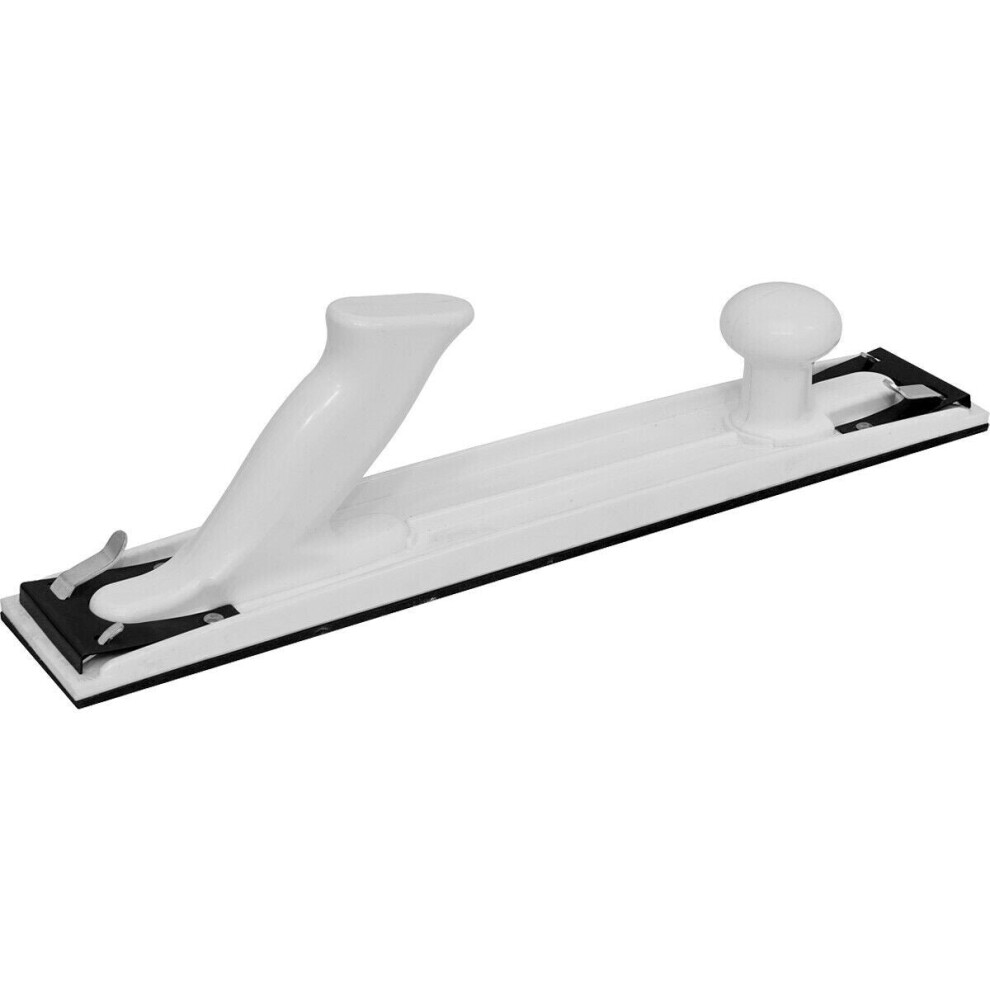
- Hardware bench blocks with metal and wooden bases give a steady platform for bench tasks.
- Rubber and dense rubber blocks clamp abrasive sheets tightly, cutting slip.
- Plastic and nylon builds stay light in the hand during long sessions.
- Aluminium and metal/wood blocks take workshop knocks and keep working.
Things to watch
- Metal and wood/metal blocks weigh more than plastic, tiring on big areas.
- Paper or leather blocks wear sooner and need replacing before rubber would.
- Hardware blocks sit fixed, so they are wrong for sanding anything that moves or curves.
- Flexible tool blocks bend to shape but give less force than a rigid metal back.
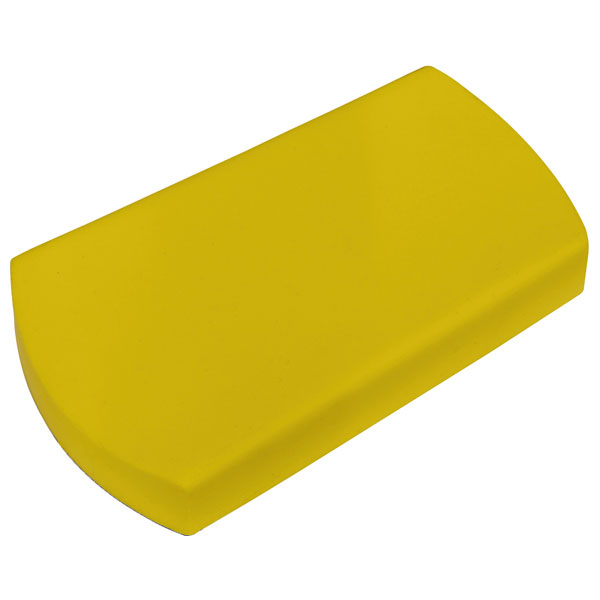
- Colour choices like yellow, red, or blue change nothing about cut or grip.
Care & maintenance
Dust wipe
Wipe plastic and rubber blocks clean so sheets keep biting.
Wood care
Keep wooden base blocks dry to avoid warp.
Metal upkeep
Lightly oil metal or aluminium blocks to stop rust in damp garages.
Flat storage
Store nylon or paper blocks flat to prevent curl.
Frequently Asked Questions
What should I look for when buying sanding blocks?
When shopping for sanding blocks, consider factors such as quality, price, brand reputation, and customer reviews. Compare prices across multiple retailers to ensure you're getting the best deal. Look for products that match your specific needs and budget.
How do I choose the right sanding blocks?
Choosing the right sanding blocks depends on your individual needs, budget, and preferences. Research different options, read customer reviews, and compare specifications. Consider what features are most important to you and look for products that offer the best value for money.
Where can I find the best deals on sanding blocks?
You can find the best deals on sanding blocks by comparing prices across multiple retailers. Our price comparison tool helps you find the lowest prices from trusted UK retailers including Amazon, eBay, and other major online stores. Check regularly as prices and deals change frequently.
Are sanding blocks products worth the investment?
The value of sanding blocks products depends on your specific needs and how you plan to use them. Quality products from reputable brands often provide better long-term value, even if they cost more initially. Consider your budget and requirements when making your decision.
What's the difference between different types of sanding blocks?
Different types of sanding blocks vary in features, quality, price, and intended use. Some may offer premium features while others focus on affordability. Research the specific differences between models or brands to find the option that best suits your needs and budget.