Marine Radios
How to choose marine radios
Sub-type and power tier
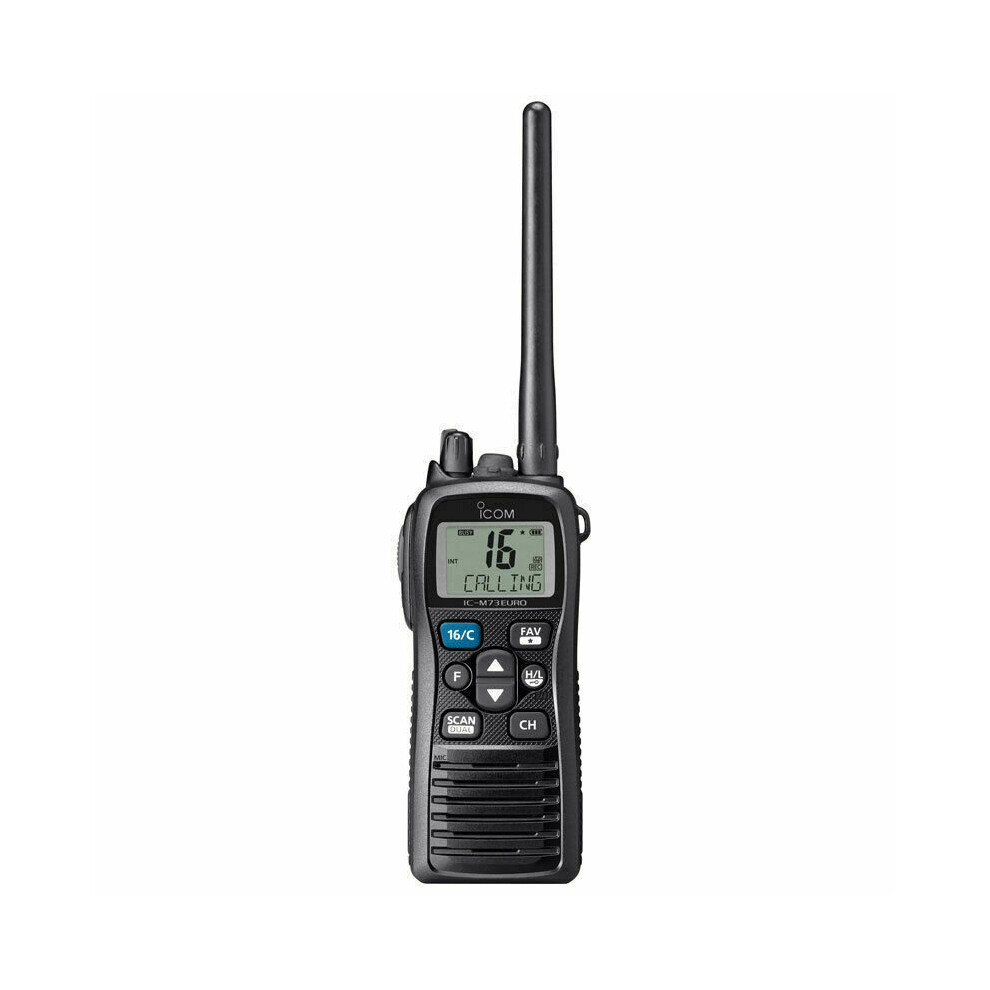
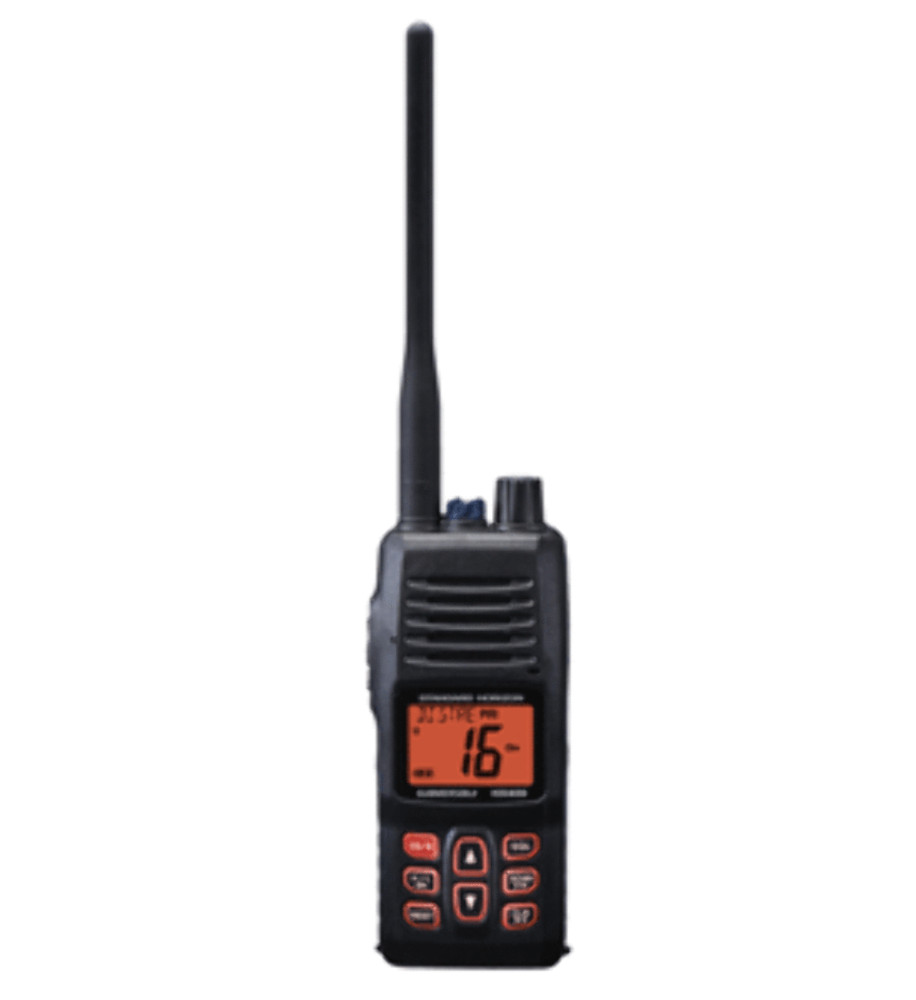
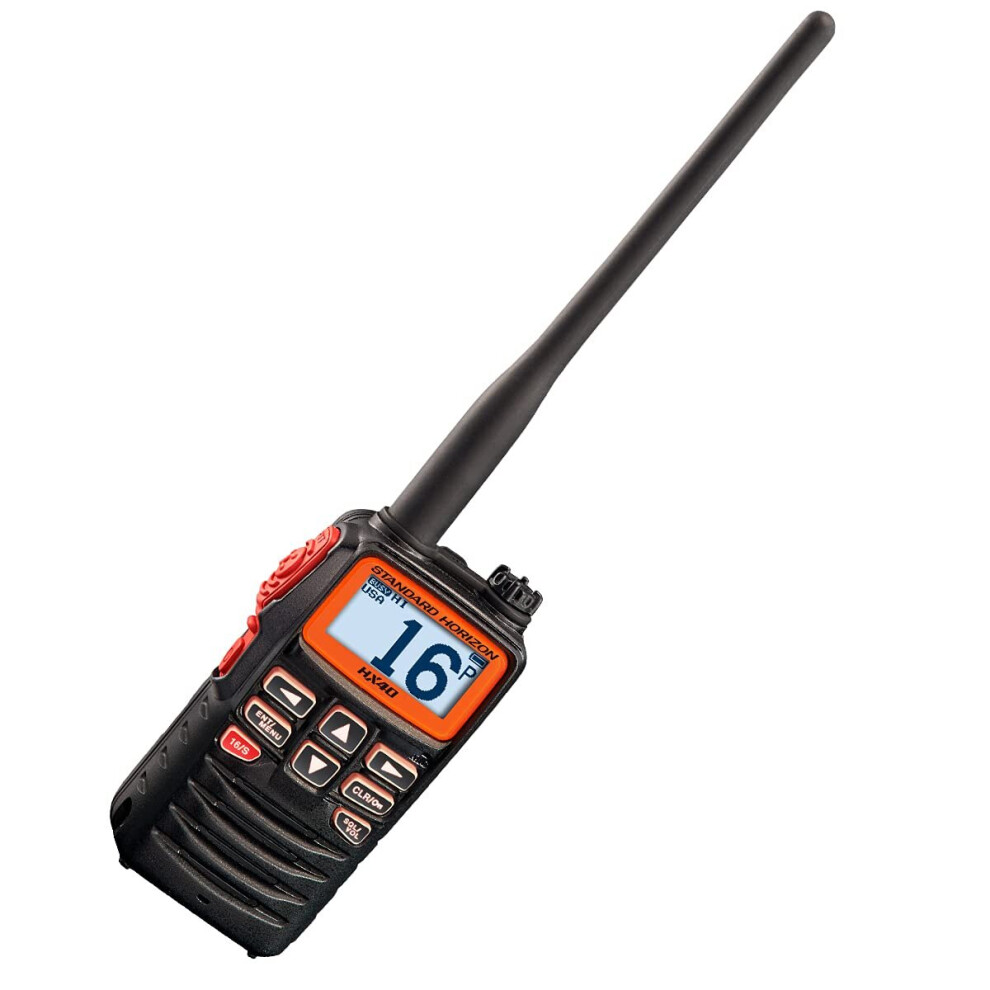
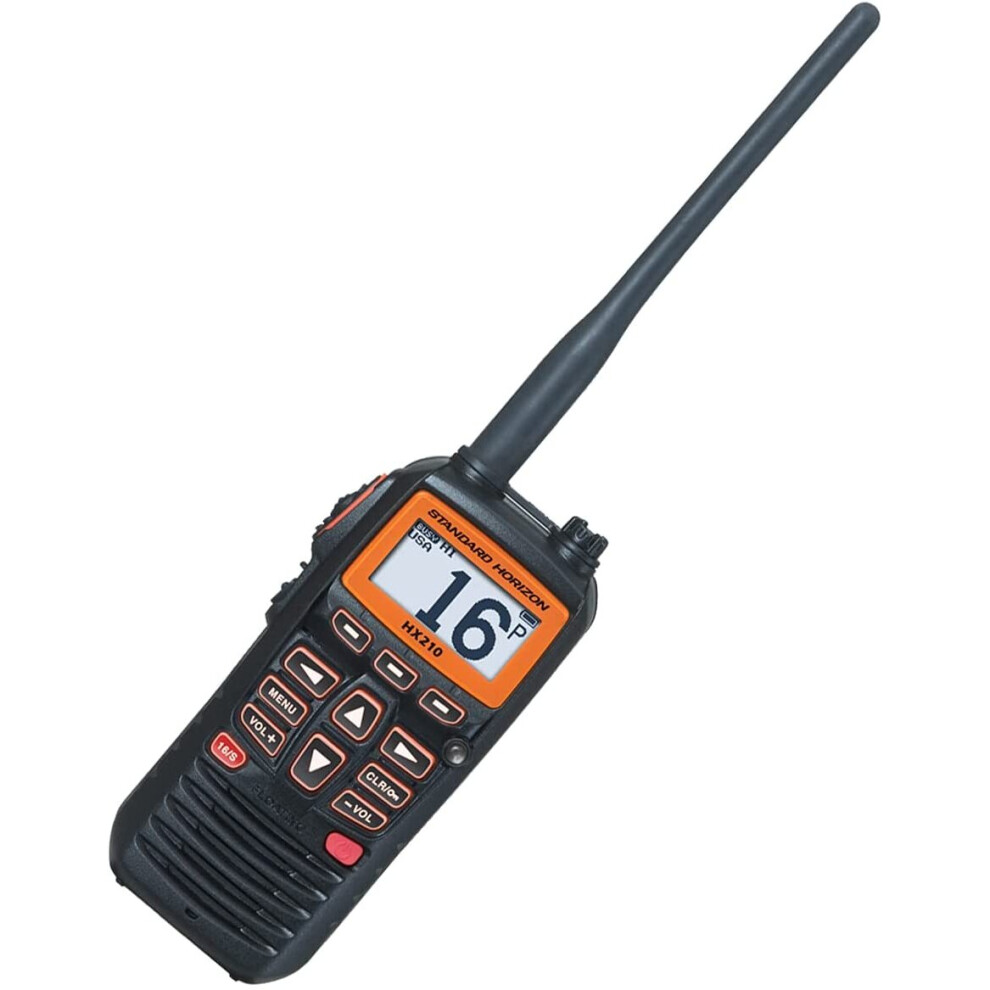
Listings sit under Electronics or Marine Electronics, but the real split is handheld portable versus 25W high-power.
Colour axis
Colour is a straight choice between black or white to match your console trim.
Distress features
GPS or DSC features separate a basic VHF from a safer offshore capable radio.
Waterproof rating
Waterproof grade varies, with IPX7 and IPX8 both present across the range.
Float vs size
A floating design suits rough conditions but adds bulk versus non-floating handhelds.
What's good
- Handheld marine radios give portable communication on dinghies and small boats.
- High-power 25W sets deliver longer range for larger vessels in open water.
- IPX8 rated units survive deeper immersion than IPX7 alternatives.
- Radios with GPS or DSC add position data to distress calls.
- Black or white colour options let the radio match existing boat electronics.
Things to watch
- A 3W handheld covers far less distance than a 25W high-power radio.
- High-power 25W sets need fixed wiring and a mount, so they are not pocket-sized.
- Buoyant IPX8 models can feel chunkier than slim IPX7 handhelds.
- Sets without DSC or GPS miss automated location and distress alerts.
- White casings show scuffs more readily than black on a busy deck.
Care & maintenance
Freshwater rinse
Rinse portable radios in fresh water after any salt spray exposure.
Battery check
Check battery terminals on handhelds before each trip out.
Dry storage
Keep fixed 25W units dry when the vessel is moored for long periods.
Antenna care
Inspect the antenna joint on high-power sets every few weeks.
Frequently Asked Questions
What should I look for when buying marine radios?
When shopping for marine radios, consider factors such as quality, price, brand reputation, and customer reviews. Compare prices across multiple retailers to ensure you're getting the best deal. Look for products that match your specific needs and budget.
How do I choose the right marine radios?
Choosing the right marine radios depends on your individual needs, budget, and preferences. Research different options, read customer reviews, and compare specifications. Consider what features are most important to you and look for products that offer the best value for money.
Where can I find the best deals on marine radios?
You can find the best deals on marine radios by comparing prices across multiple retailers. Our price comparison tool helps you find the lowest prices from trusted UK retailers including Amazon, eBay, and other major online stores. Check regularly as prices and deals change frequently.
Are marine radios products worth the investment?
The value of marine radios products depends on your specific needs and how you plan to use them. Quality products from reputable brands often provide better long-term value, even if they cost more initially. Consider your budget and requirements when making your decision.
What's the difference between different types of marine radios?
Different types of marine radios vary in features, quality, price, and intended use. Some may offer premium features while others focus on affordability. Research the specific differences between models or brands to find the option that best suits your needs and budget.