Sanding Accessories
How to choose sanding accessories
considerations
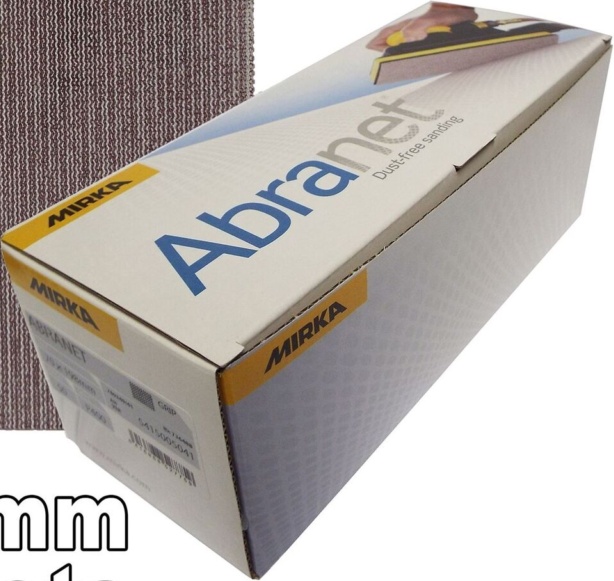
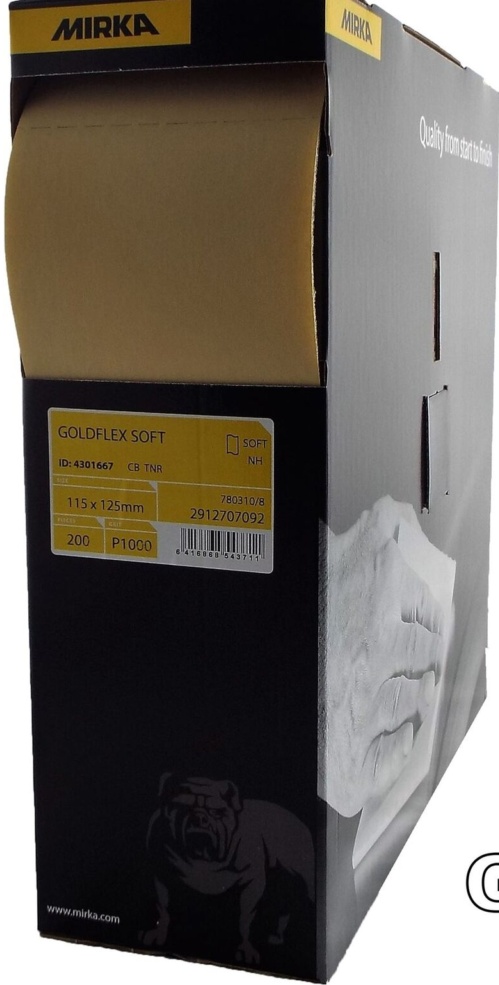
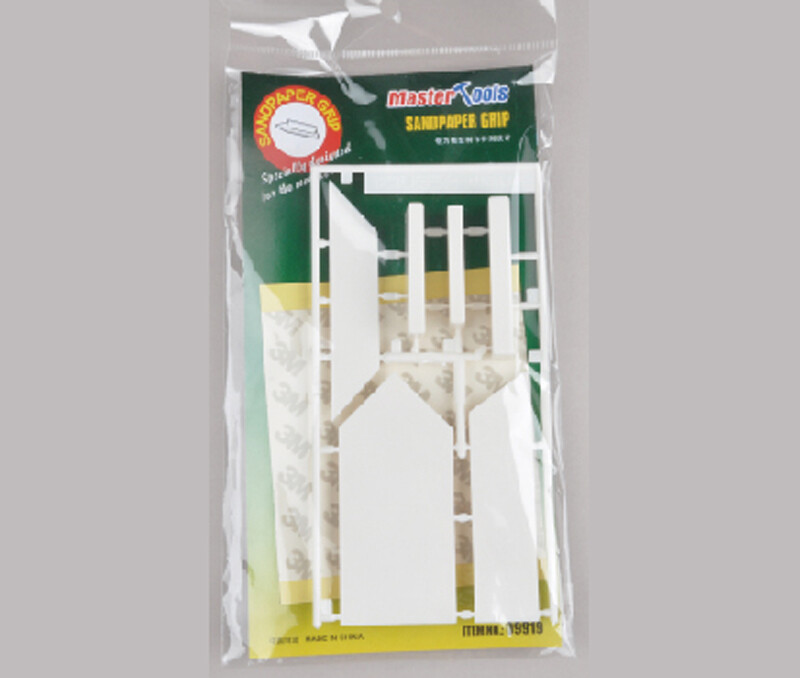
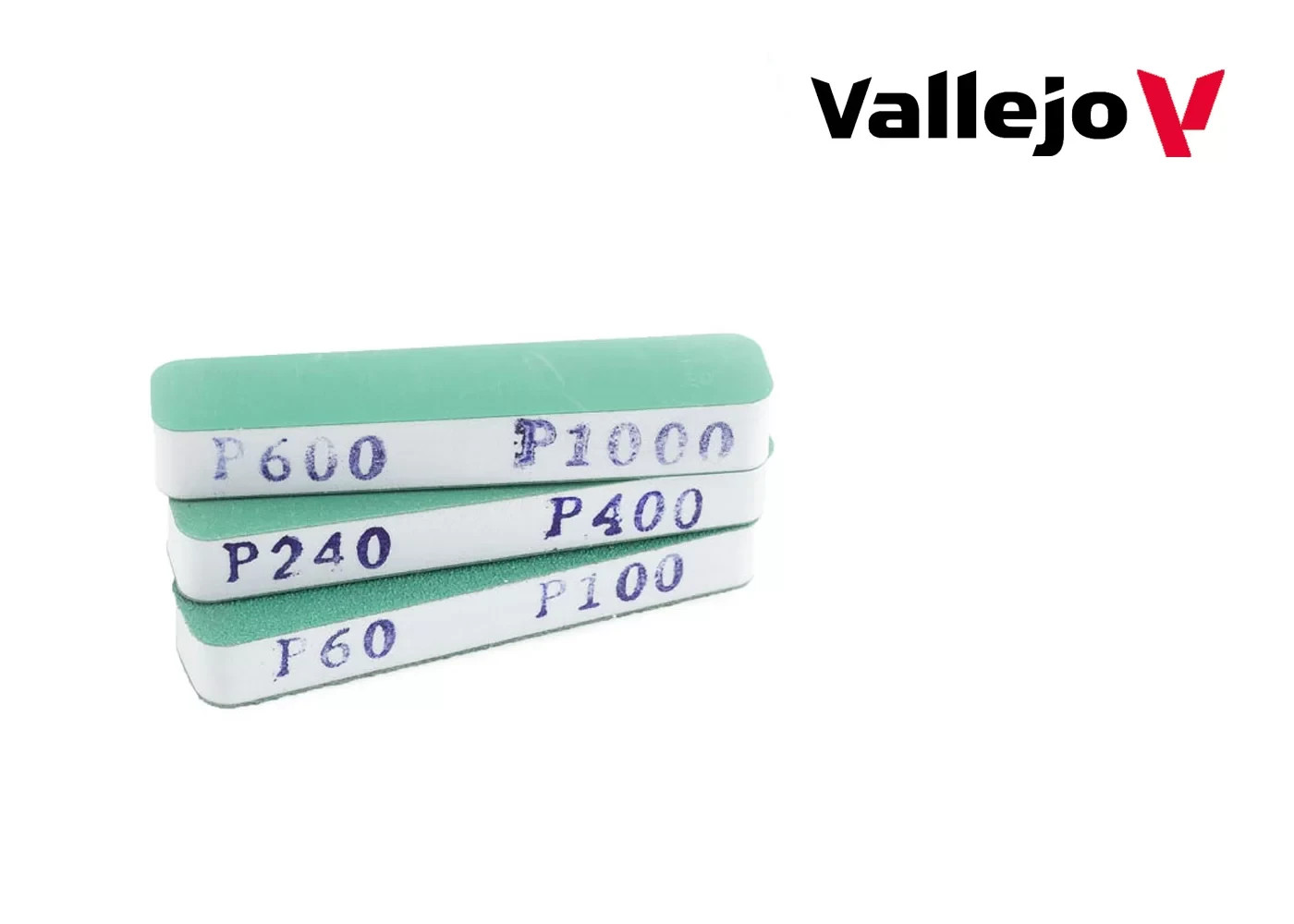
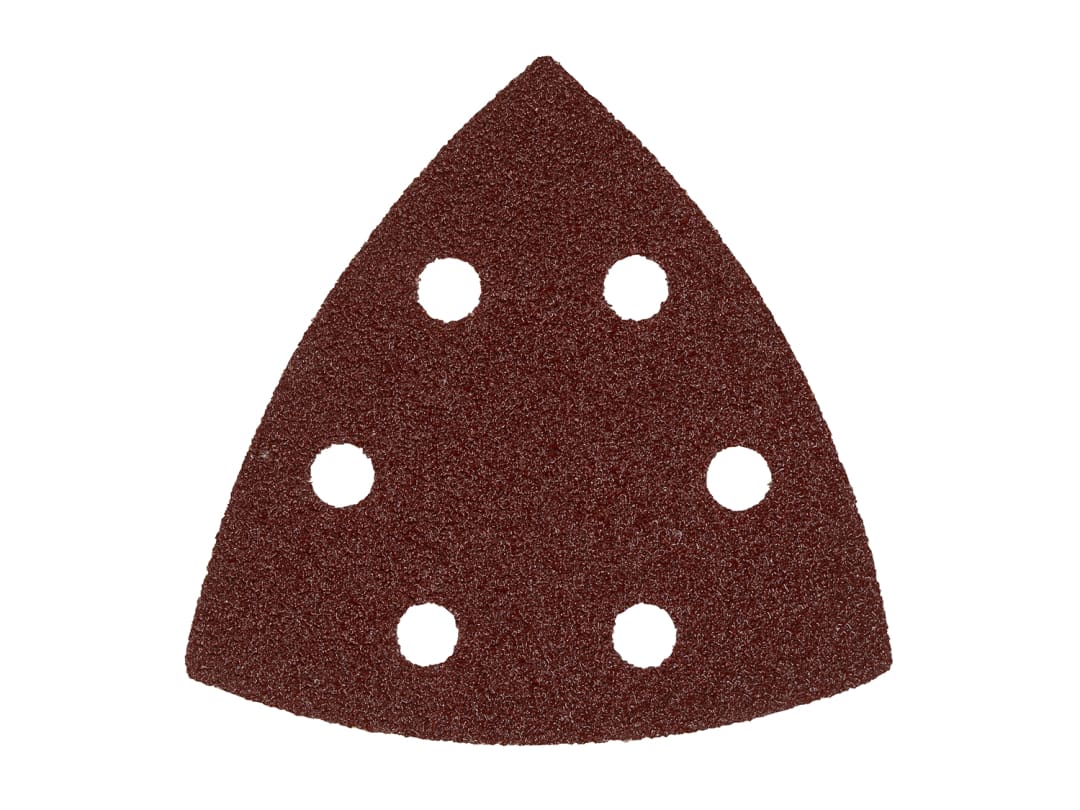
Sub-type leads your choice: Sandpaper & Sanding Sponges for hand work, Tool Accessories for power fitment, Hardware for sheet holding.
considerations
Material mix decides substrate: paper for wood, metal/wood or aluminium/paper for metal contact, wood/paper for gentle curves.
considerations
Colour (grain, grey, yellow, blue, and others) signals grit or composition, so match it to task rather than appearance.
considerations
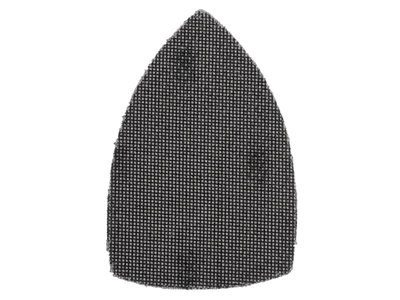
Shape and size matter: contoured sheets suit detail sanders, narrow bands suit rotary tools, broad sheets suit blocks.
considerations
Sponges versus rigid hardware: pick sponge for uneven surfaces, pick block-held sheet for flat panels.
What's good
- Aluminium/paper and aluminium/wood/metal sheets give a stiffer backing than plain paper, so they survive metal sanding without tearing.
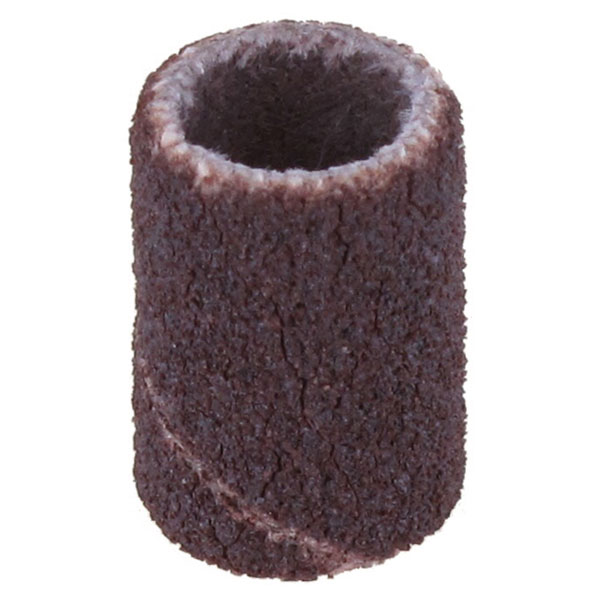
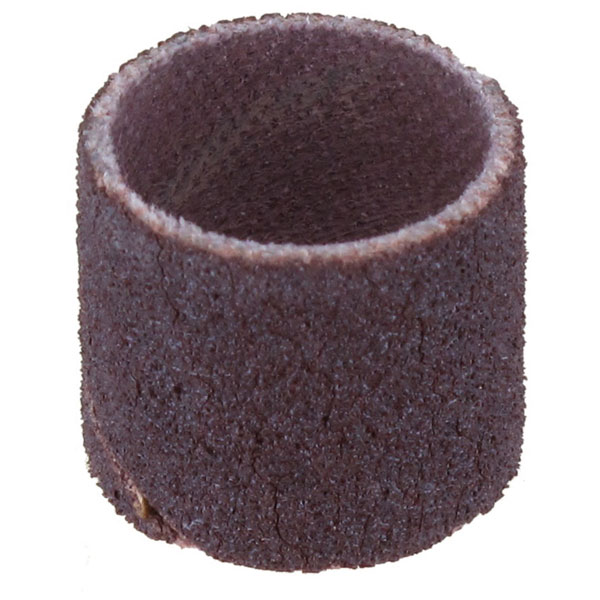
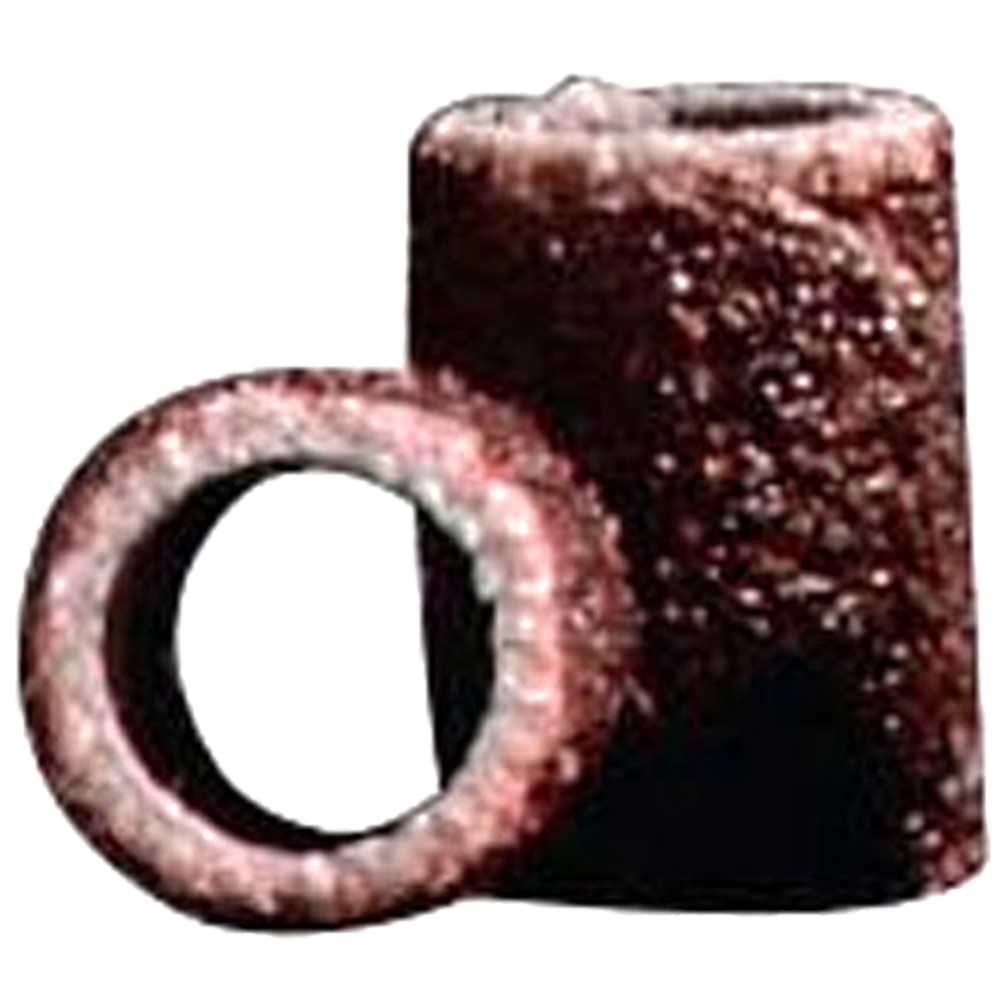
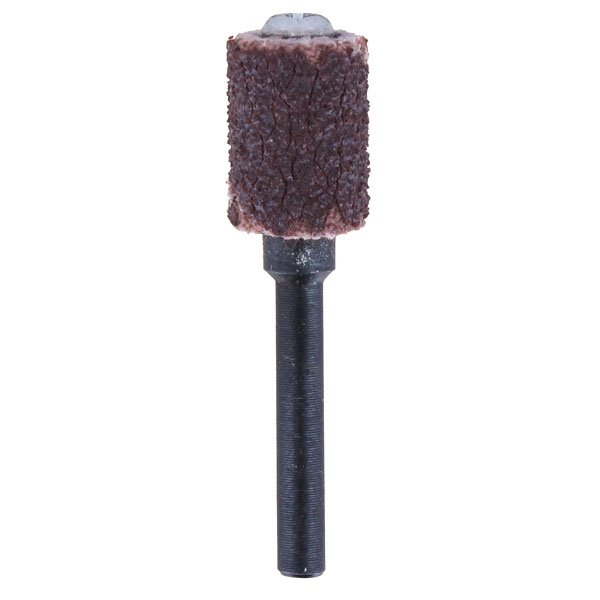
- Tool accessories like bands and hook-and-loop sheets clip onto your existing rotary tools and blocks.
- Hardware such as sanding blocks holds sheets flat for an even finish on large wood panels.
- Colour choices (grey, red, brown, black, and more) help you spot the right grit quickly.
- Assorted packs span coarse to fine, so one buy covers both stock removal and final polish.
Things to watch
- Plain paper sandpaper tears fast on metal edges, so it suits wood and paint only, not mixed metal work.
- Sanding sponges flex to curves but remove less material per pass than aluminium-backed sheets or belts.
- Small tool accessories like narrow bands fit rotary tools only, wrong for broad panel or floor sanding.
- Rigid hardware blocks give flat results yet cannot reach tight corners that a sponge or bare sheet can.
- Mixed-material sheets (aluminium/wood/metal) add stiffness and weight that can be overkill for light paint rub-down.
Care & maintenance
maintenance
Store paper and aluminium/paper sheets flat in a dry place, as dampness wrinkles the backing and ruins grip.
maintenance
Rinse sanding sponges after use and let them dry, clearing clogged pores from paint or filler.
maintenance
Check aluminium/wood/metal sheets for creases before use; a bent edge digs scratches into the work.
maintenance
Keep tool accessory bands on their mandrel when stored, preventing the soft material from stretching out of shape.
Frequently Asked Questions
What should I look for when buying sanding accessories?
When shopping for sanding accessories, consider factors such as quality, price, brand reputation, and customer reviews. Compare prices across multiple retailers to ensure you're getting the best deal. Look for products that match your specific needs and budget.
How do I choose the right sanding accessories?
Choosing the right sanding accessories depends on your individual needs, budget, and preferences. Research different options, read customer reviews, and compare specifications. Consider what features are most important to you and look for products that offer the best value for money.
Where can I find the best deals on sanding accessories?
You can find the best deals on sanding accessories by comparing prices across multiple retailers. Our price comparison tool helps you find the lowest prices from trusted UK retailers including Amazon, eBay, and other major online stores. Check regularly as prices and deals change frequently.
Are sanding accessories products worth the investment?
The value of sanding accessories products depends on your specific needs and how you plan to use them. Quality products from reputable brands often provide better long-term value, even if they cost more initially. Consider your budget and requirements when making your decision.
What's the difference between different types of sanding accessories?
Different types of sanding accessories vary in features, quality, price, and intended use. Some may offer premium features while others focus on affordability. Research the specific differences between models or brands to find the option that best suits your needs and budget.