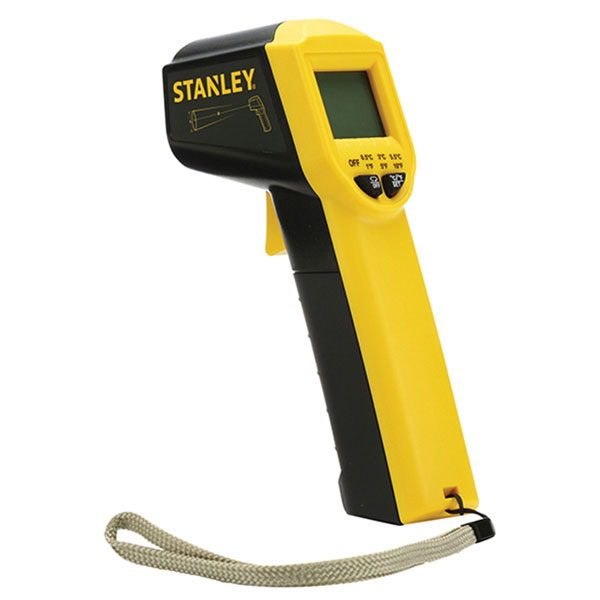
Infrared Thermometers
How to choose infrared thermometers
Contact or non-contact
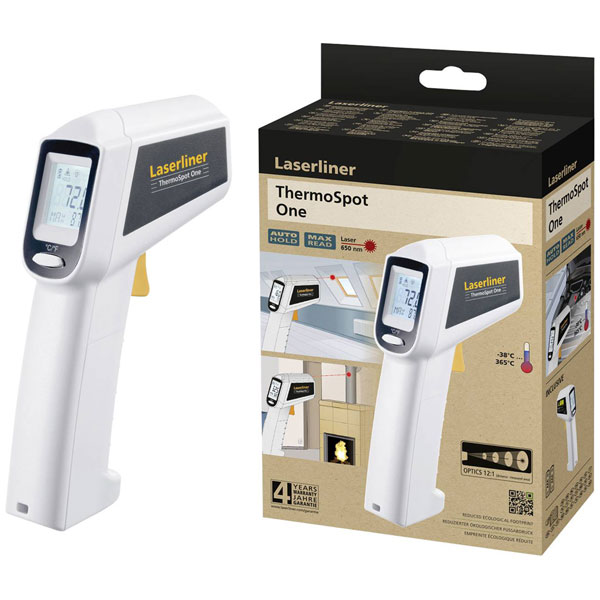
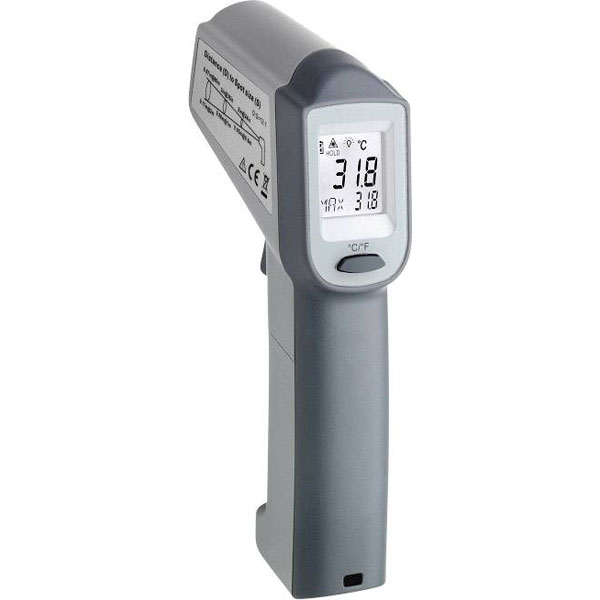
First, pick contact versus non-contact: Tools sub-type gives gun style IR, while Measuring Tools & Sensors offers thermocouple contact.
Build and visibility
Next, weigh material and colour: plastic and silicone keep weight down, metal or aluminium bodies survive site abuse, and black & yellow helps locate the unit.
Temperature span
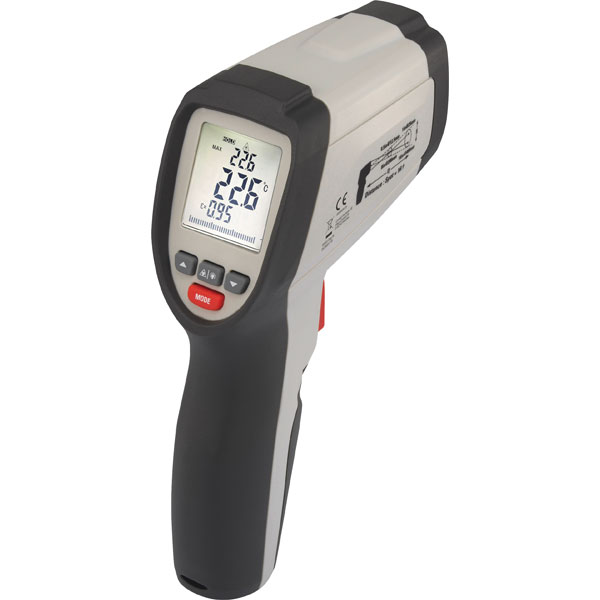
Then decide temperature span: mini white sensors cover everyday ranges, black/red industrial readers go to 1100C.
Data and logging
Also consider data needs: a standalone IR is enough for spot checks, but Hardware loggers or controllers suit long-term monitoring.
Portability
Finally, think about portability: a pocket mini beats a full handheld reader if you climb ladders or move often.
What's good
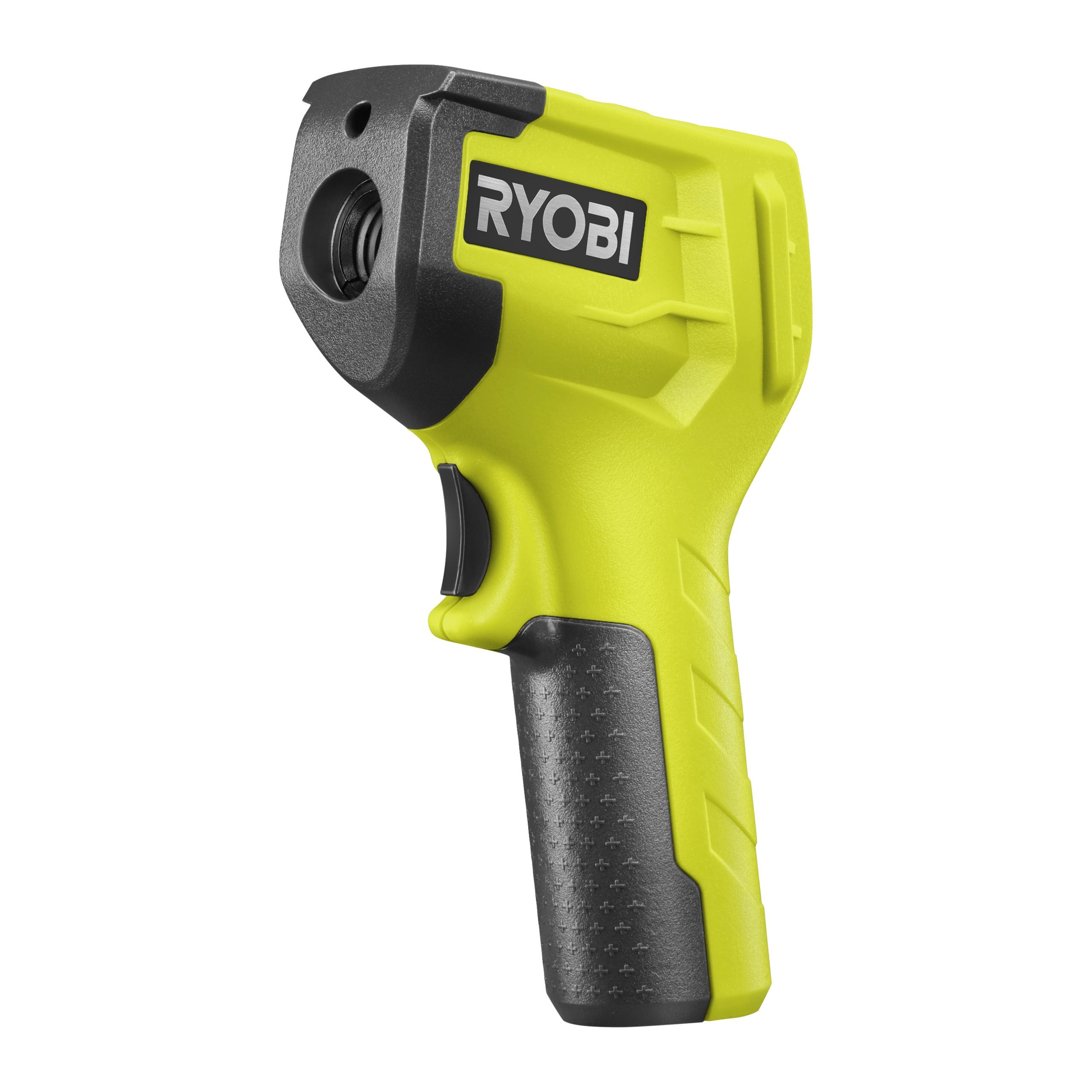
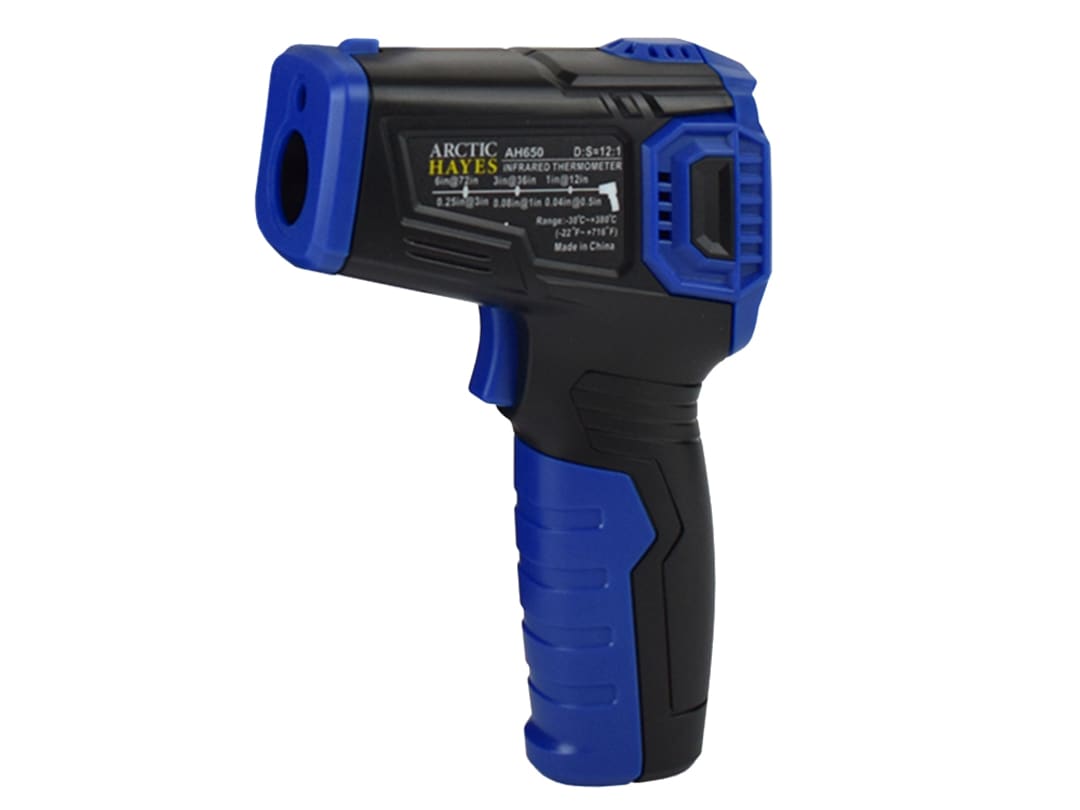
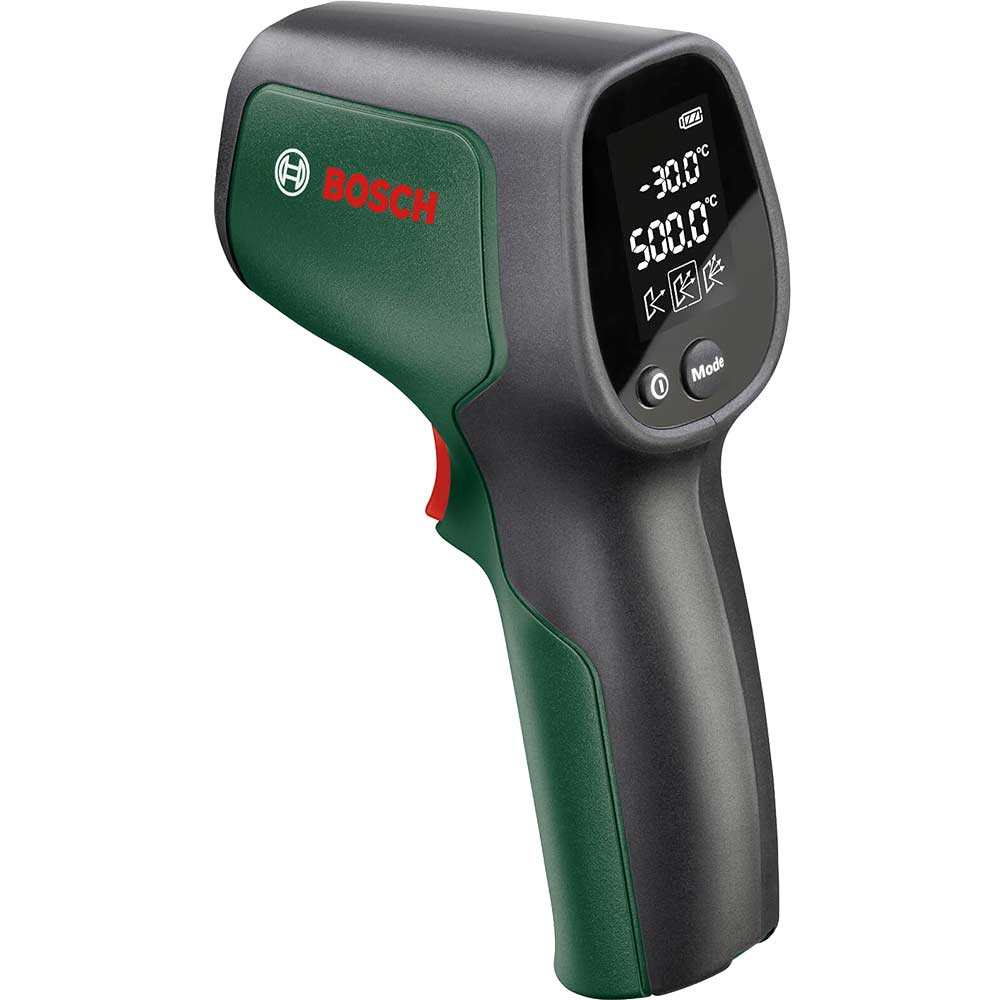
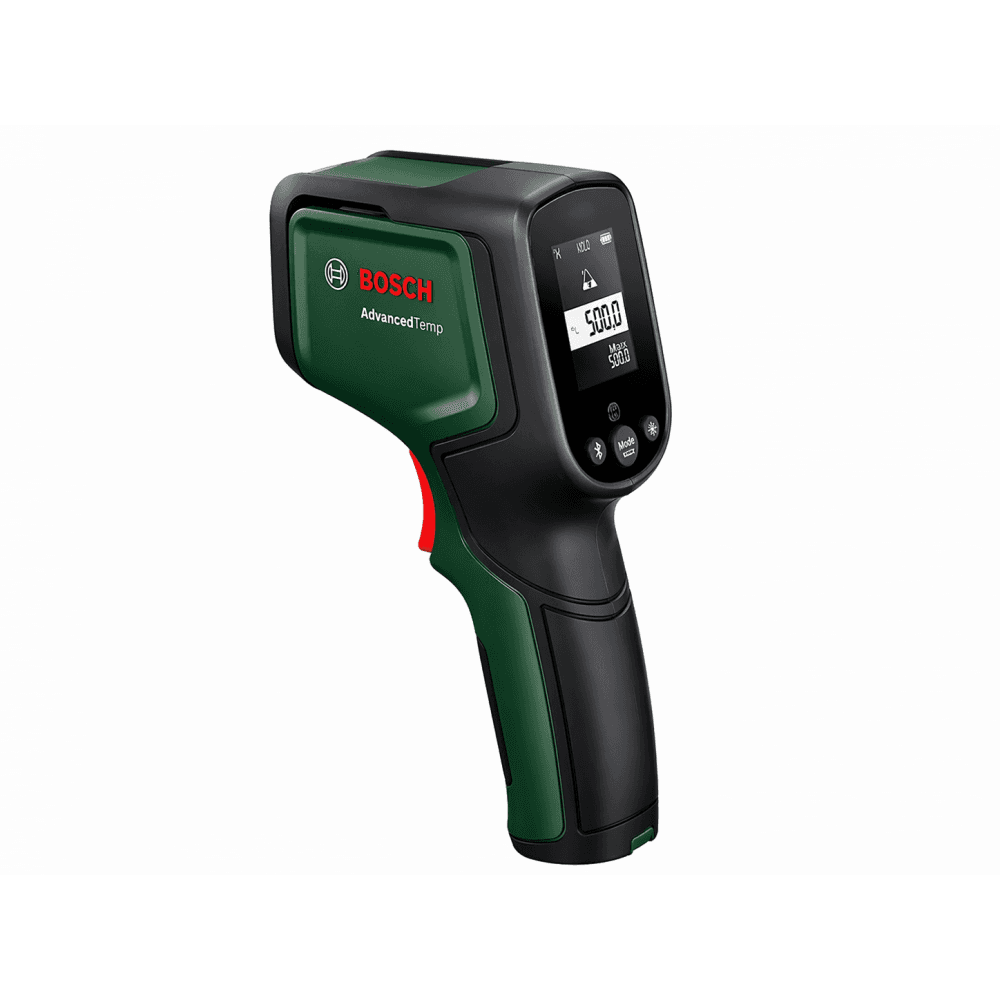
- Non-contact infrared thermometers in the Tools sub-type read hot surfaces from a distance, keeping you safe near ovens or radiators.
- Mini sensors under Measuring Tools & Sensors are small enough for a kitchen drawer yet still give quick spot readings.
- Industrial handheld readers (Tools) reach up to 1100C, handling kiln, engine, or metalwork checks that smaller units cannot.
- Thermocouple data loggers (Measuring Tools & Sensors) capture four channels at once, letting you track a process over time.
Things to watch
- Infrared guns (Tools) misread shiny or transparent items, so they suit matte surfaces better than polished metal.
- Mini infrared units trade range for size, making them weak for distant targets or extreme heat.
- Thermocouple devices (Measuring Tools & Sensors) require contact, which is slower and can mark soft materials.
- Wifi controllers in the Hardware sub-type rely on a network and power source, adding points of failure versus a simple meter.
Care & maintenance
Lens care
Wipe the lens of any infrared tool with a soft cloth, since dust or grease throws off the measurement.
Probe storage
Keep thermocouple probes (Measuring Tools & Sensors) dry, as copper tips corrode in damp storage.
Shock protection
For metal or aluminium bodied handhelds (Tools), avoid knocks that could shift the internal sensor alignment.
Battery checks
Check battery terminals periodically if a reading flickers, common across plastic and rubber gripped units.
Frequently Asked Questions
What should I look for when buying infrared thermometers?
When shopping for infrared thermometers, consider factors such as quality, price, brand reputation, and customer reviews. Compare prices across multiple retailers to ensure you're getting the best deal. Look for products that match your specific needs and budget.
How do I choose the right infrared thermometers?
Choosing the right infrared thermometers depends on your individual needs, budget, and preferences. Research different options, read customer reviews, and compare specifications. Consider what features are most important to you and look for products that offer the best value for money.
Where can I find the best deals on infrared thermometers?
You can find the best deals on infrared thermometers by comparing prices across multiple retailers. Our price comparison tool helps you find the lowest prices from trusted UK retailers including Amazon, eBay, and other major online stores. Check regularly as prices and deals change frequently.
Are infrared thermometers products worth the investment?
The value of infrared thermometers products depends on your specific needs and how you plan to use them. Quality products from reputable brands often provide better long-term value, even if they cost more initially. Consider your budget and requirements when making your decision.
What's the difference between different types of infrared thermometers?
Different types of infrared thermometers vary in features, quality, price, and intended use. Some may offer premium features while others focus on affordability. Research the specific differences between models or brands to find the option that best suits your needs and budget.