Bicycle Tires
How to choose bicycle tires
Bead type
Pick your bead first. Wired steel bead tyres suit static use, while folding aramid types suit riders who carry a spare.
Casing material
Choose casing material by surface. Cotton or nylon/aramid suits cyclocross grip, but rubber/nylon lasts longer on road.
Colour
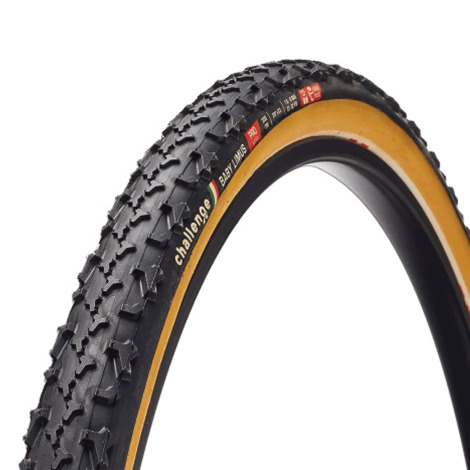
Decide on colour. Black/black hides dirt on daily rides, while black/tan or brown looks right on vintage builds.
Size and width
Match diameter and width to use. 23mm to 32mm road sizes roll fast, but 30c to 40c gravel widths absorb trail buzz.
Tube vs tubeless
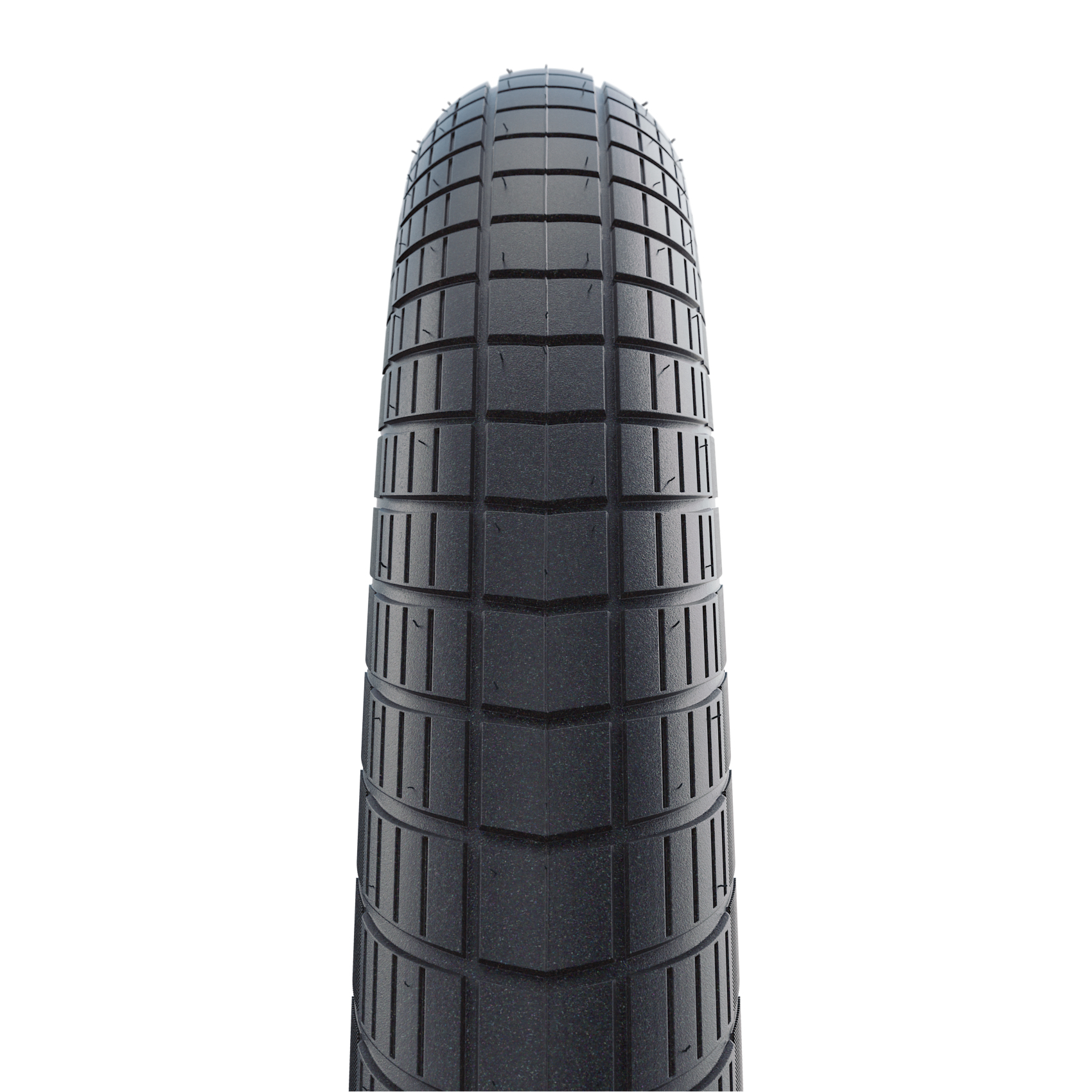
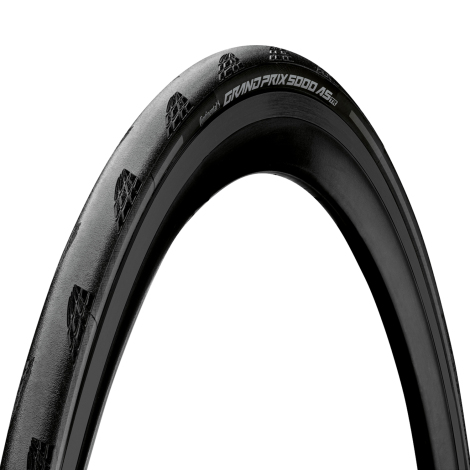
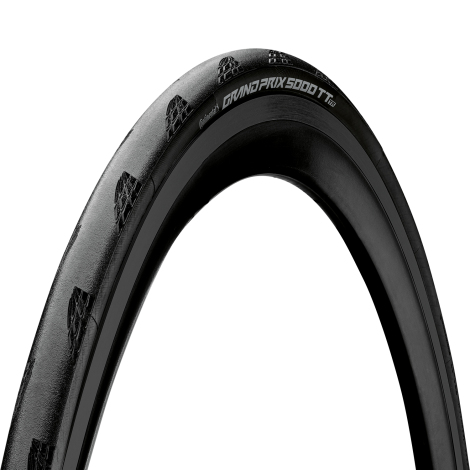
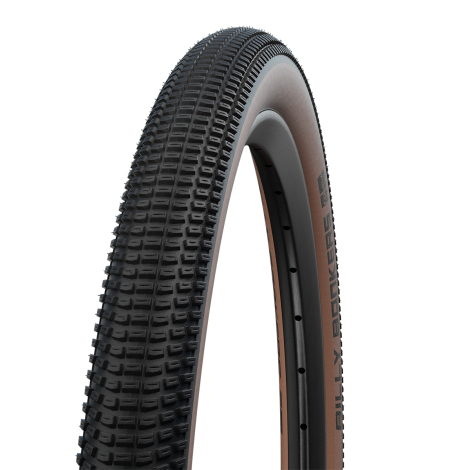
Weigh tube vs tubeless. Clinchers (nylon/rubber) are simple to fix, but TLR tyres (polyester/latex) resist flats at low pressure. The grid below shows the full spread of these choices.
What's good
- Folding tyres with aramid or nylon beads pack down small and weigh less than wired equivalents with steel beads.
- Tan or brown sidewall colours (black/tan, black/brown) give a classic look that plain black tyres lack.
- Tubeless ready (TLR or TLE) builds let you run lower pressures and avoid pinch flats compared to standard clinchers.
- Cotton or polyamide casings found in handmade cyclocross tyres flex more than basic rubber nylon mixes, improving grip on loose ground.
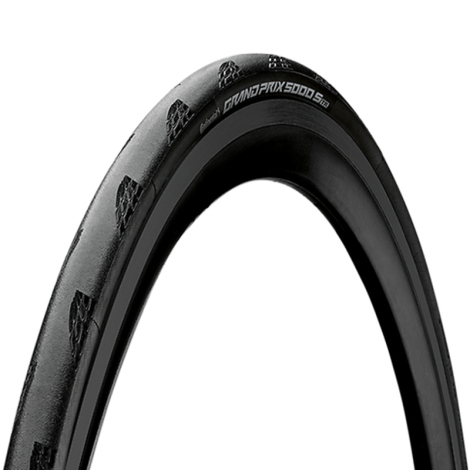
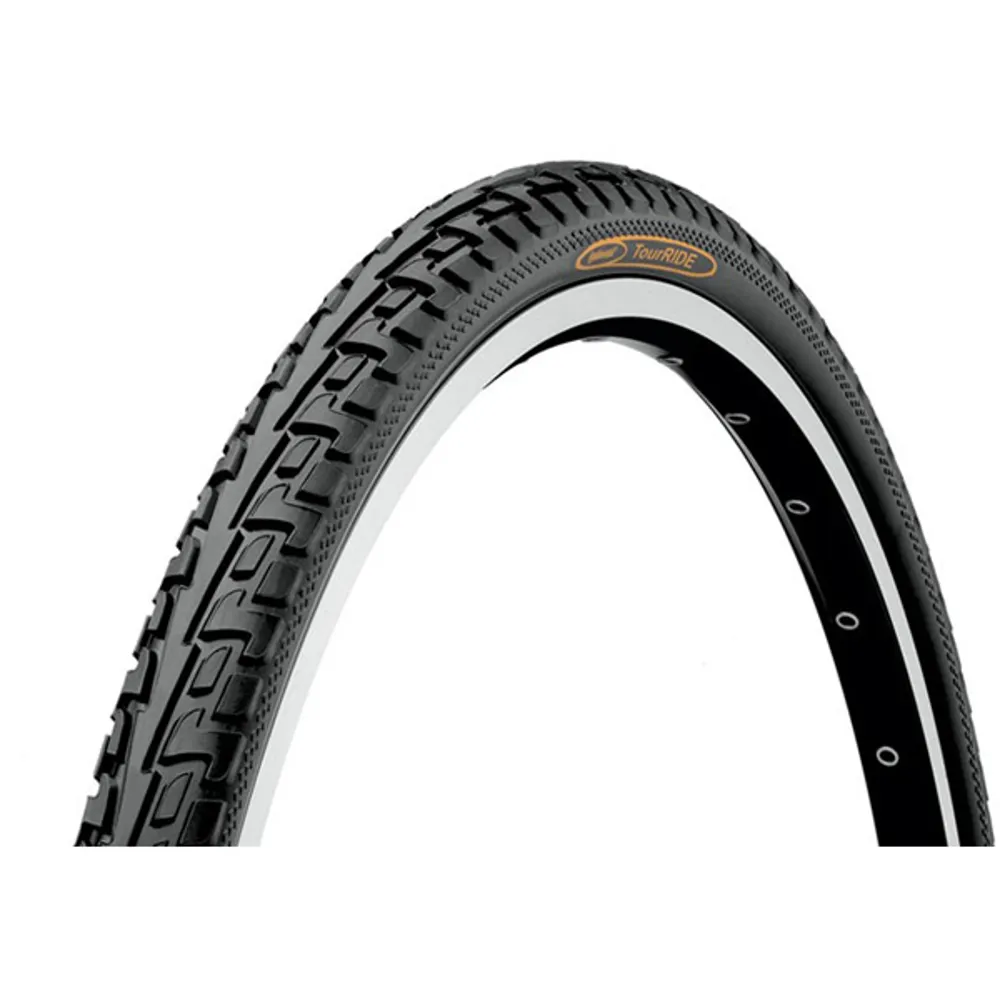
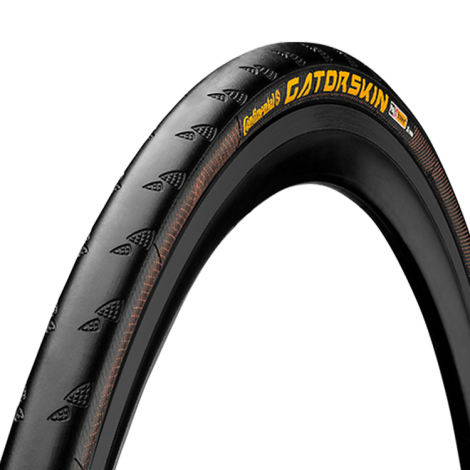
- The live range covers these tiers. Match the build to your bike.
Things to watch
- Wired road tyres use steel beads. They are heavier and tougher to mount than folding types.
- Tan sidewall tyres (black/tan) mark easily. They show grime quicker than solid black or black/black versions.
- Handmade cotton cyclocross tyres are supple but wear faster than nylon or rubber/nylon gravel tyres on tarmac.
- Tubeless setups (TLR, TLE) need sealant and regular top-ups. Clinchers just take an inner tube.
- Scan the listings to see which drawback fits your upkeep routine.
Care & maintenance
Inspect sidewalls
Check cotton or polyamide sidewalls for cracking before rides. These materials dry out faster than pure rubber.
Clean coloured walls
Wipe black/tan or brown sidewalls with a damp cloth after muddy gravel or cyclocross runs. It stops staining.
Check for debris
Spin wired and folding road tyres weekly. Look for embedded steel or flint that can cut the rubber casing.
Maintain sealant
Top up sealant in TLR and TLE tyres every few months. Polyester/latex blends do not hold air like a tube.
Frequently Asked Questions
What should I look for when buying bicycle tires?
When shopping for bicycle tires, consider factors such as quality, price, brand reputation, and customer reviews. Compare prices across multiple retailers to ensure you're getting the best deal. Look for products that match your specific needs and budget.
How do I choose the right bicycle tires?
Choosing the right bicycle tires depends on your individual needs, budget, and preferences. Research different options, read customer reviews, and compare specifications. Consider what features are most important to you and look for products that offer the best value for money.
Where can I find the best deals on bicycle tires?
You can find the best deals on bicycle tires by comparing prices across multiple retailers. Our price comparison tool helps you find the lowest prices from trusted UK retailers including Amazon, eBay, and other major online stores. Check regularly as prices and deals change frequently.
Are bicycle tires products worth the investment?
The value of bicycle tires products depends on your specific needs and how you plan to use them. Quality products from reputable brands often provide better long-term value, even if they cost more initially. Consider your budget and requirements when making your decision.
What's the difference between different types of bicycle tires?
Different types of bicycle tires vary in features, quality, price, and intended use. Some may offer premium features while others focus on affordability. Research the specific differences between models or brands to find the option that best suits your needs and budget.