Shelving
How to choose shelving
Sub-type choice
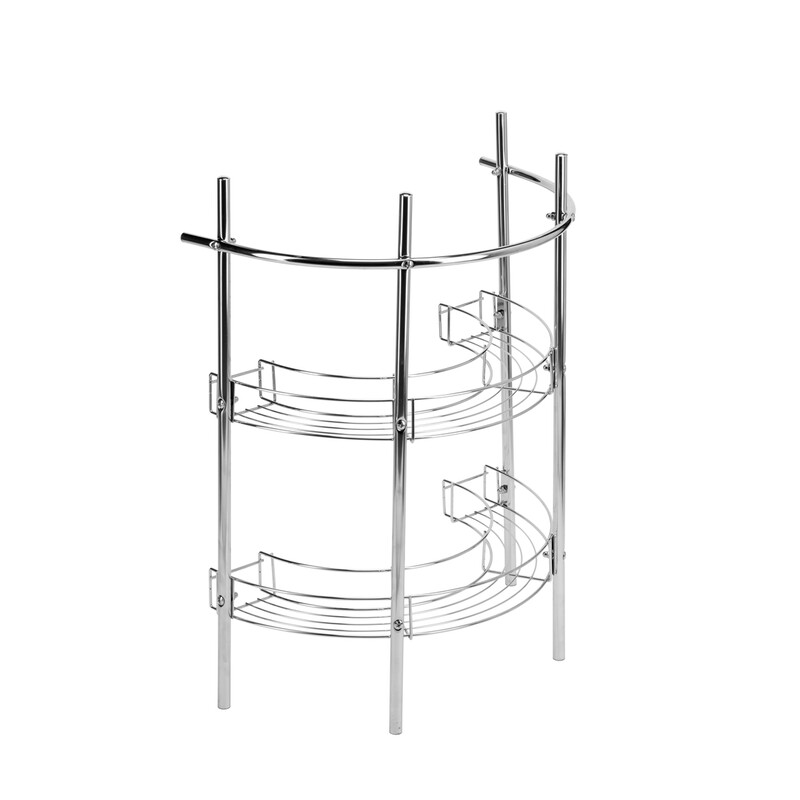
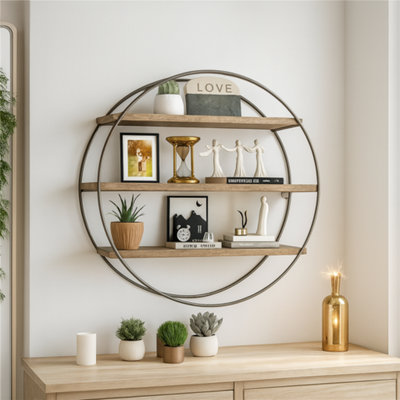
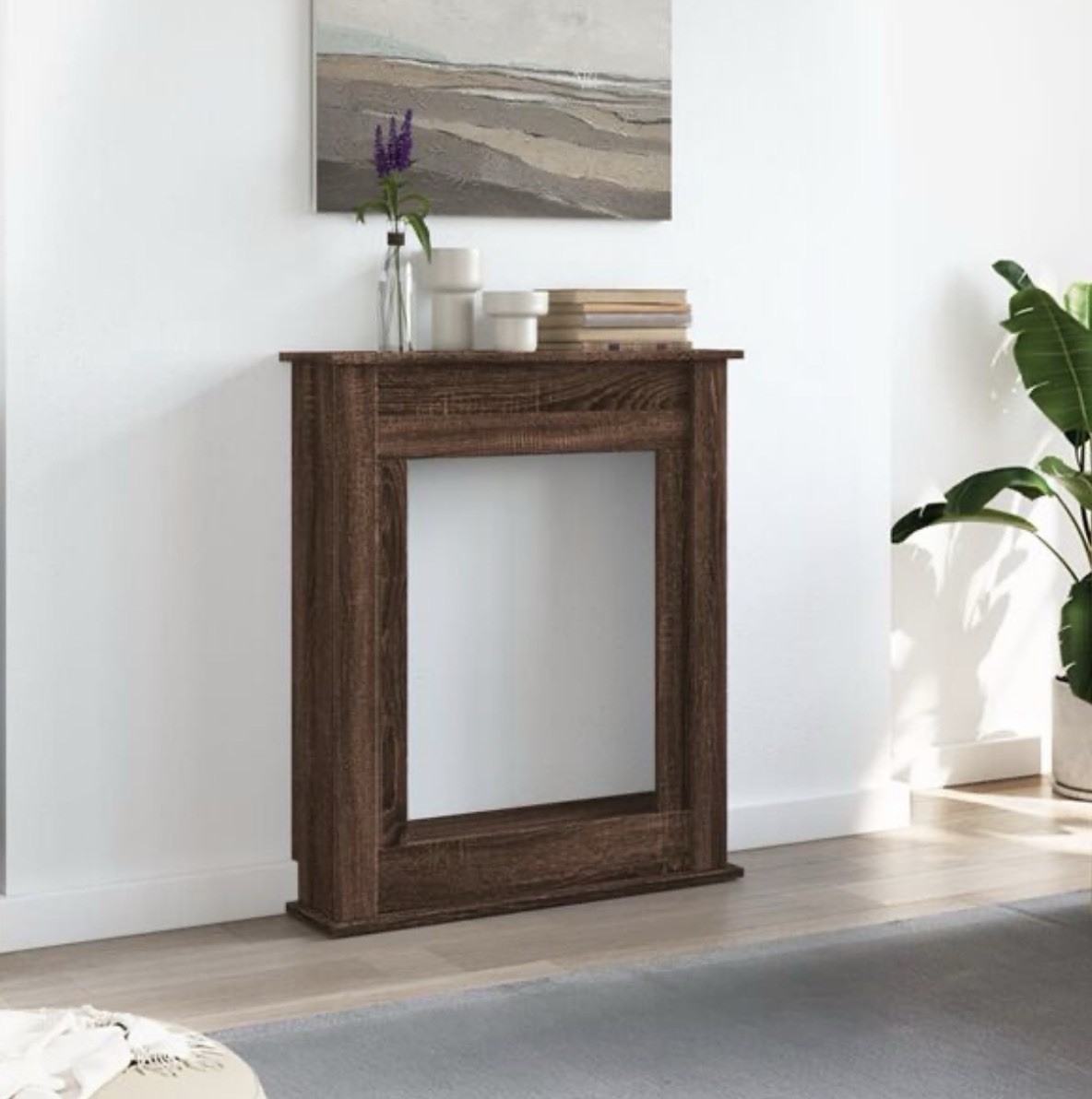
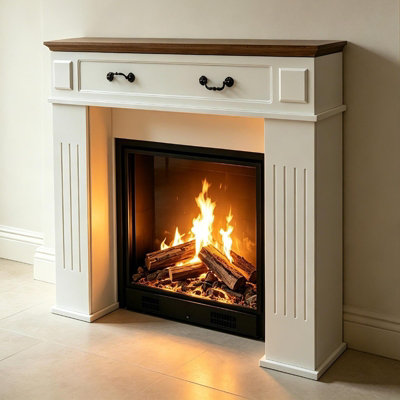
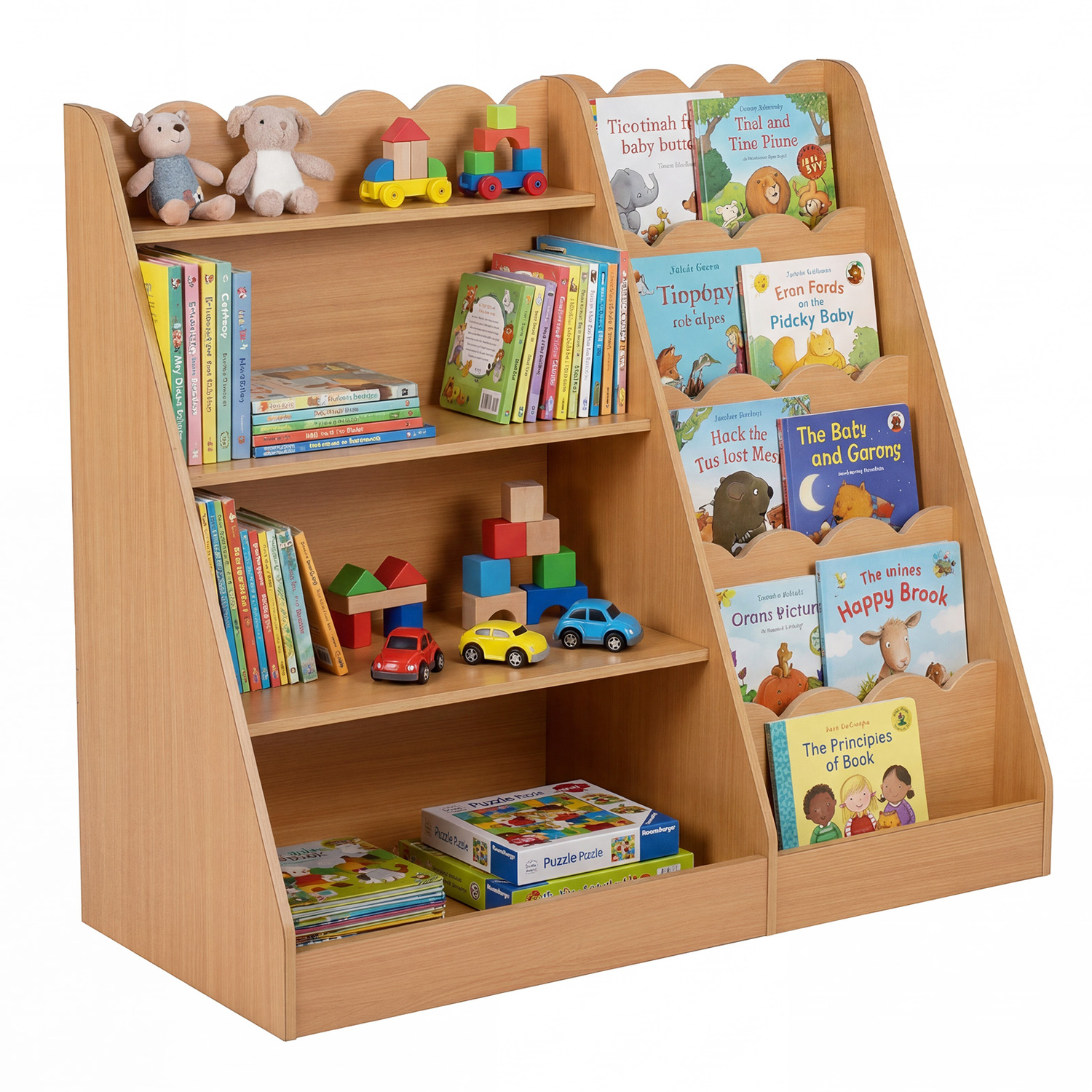
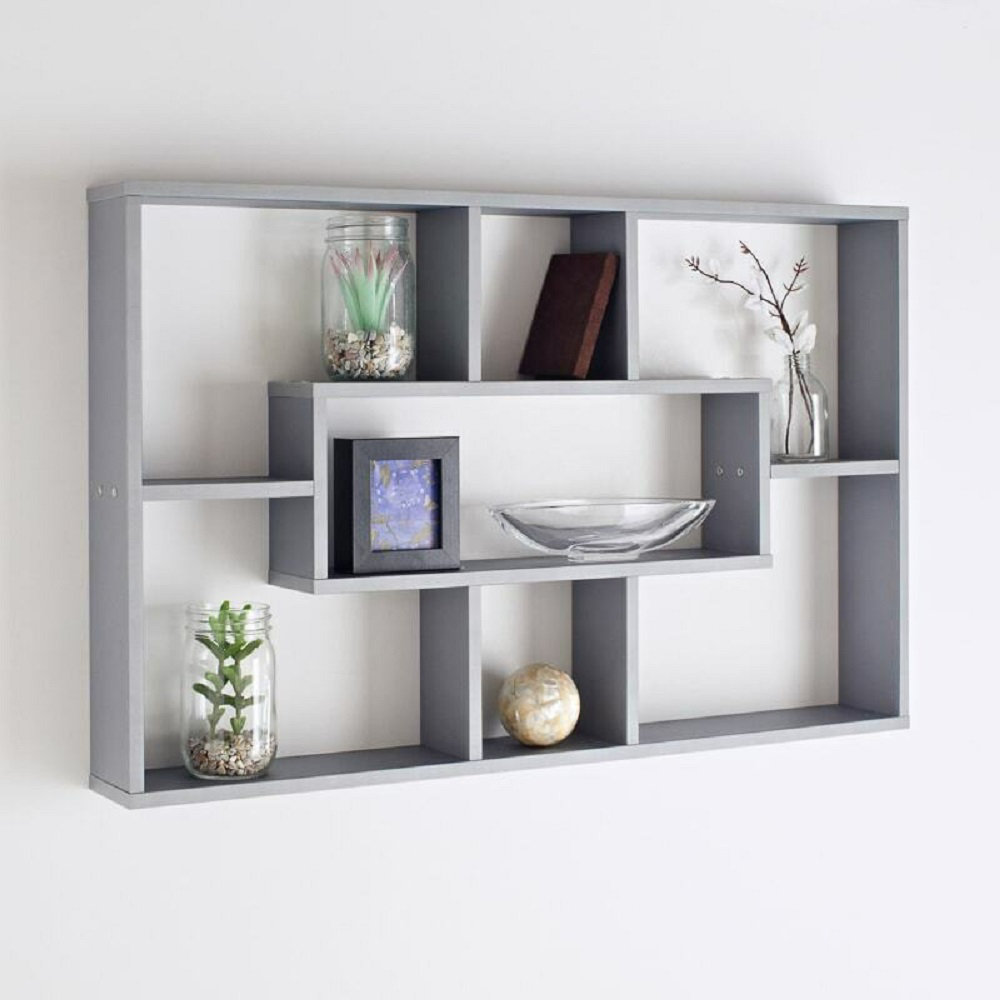
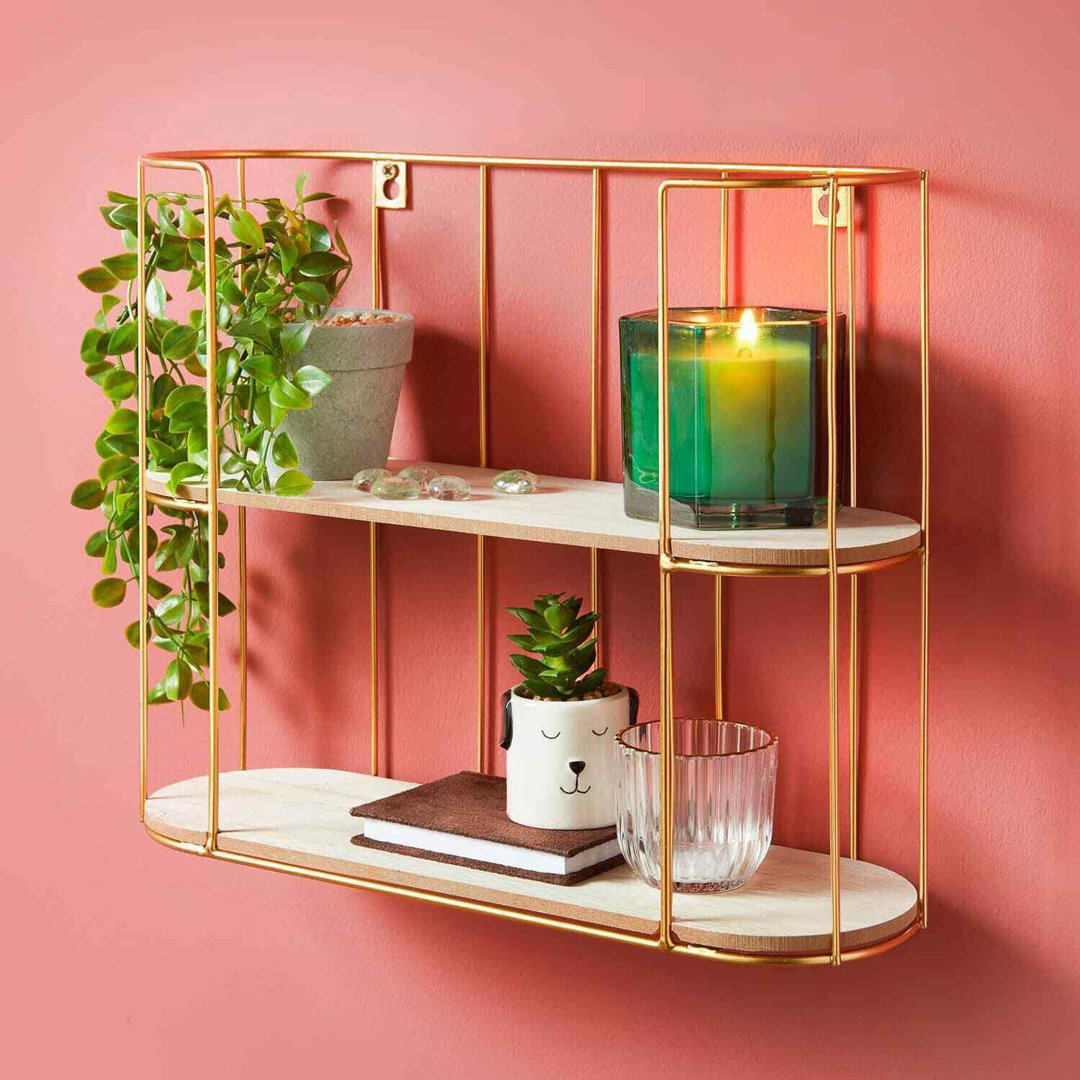
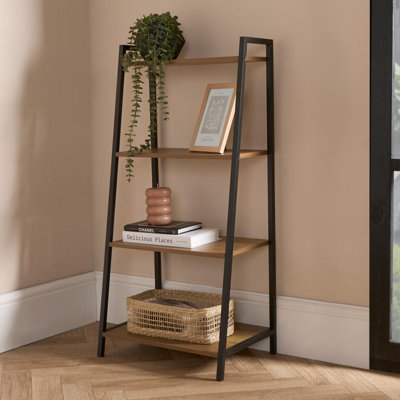
Pick the sub-type by your space and storage needs. Wall Shelves & Ledges suit display without losing floor space. Bookcases & Standing Shelves fit heavy items but take floor area that tight flats lack. Furniture with shelves helps if you want both show and hide.
Material weight and look
Weigh material weight against the look you want. Oak/wood or wood/oak brings a warm, natural feel to a room. Pine and wood/pine are lighter to move than solid oak or steel bookcases.
Material finish and care
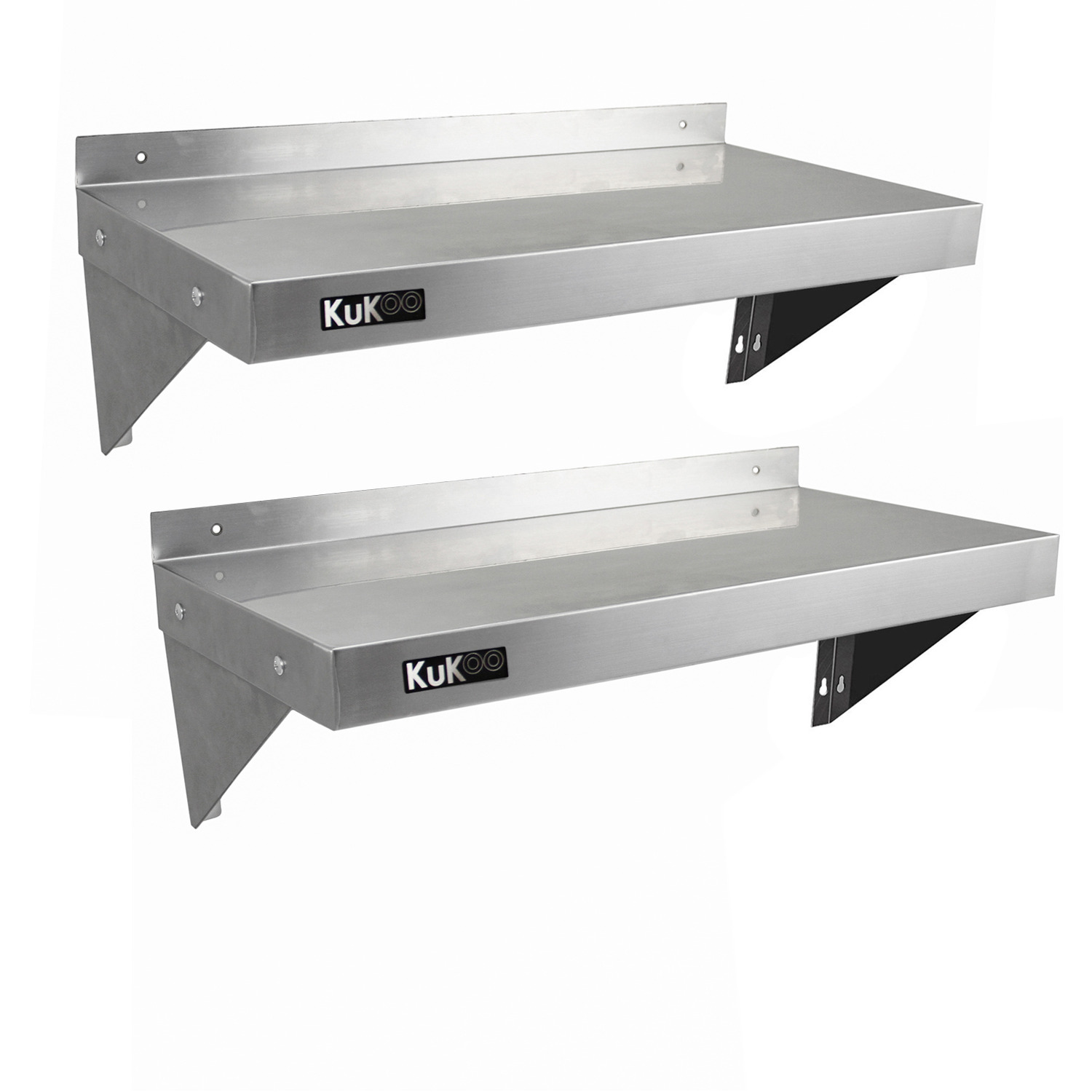
Match the material finish to your upkeep tolerance. Metal or steel offers a dark or silver finish for a sharper look. Wood and pine need more care against damp than metal or steel frames.
Colour and room tone
Choose colour to set the room tone. White or grey blends with modern decor and lighter rooms. Brown or natural grain suits classic spaces and traditional homes.
Use case mismatch
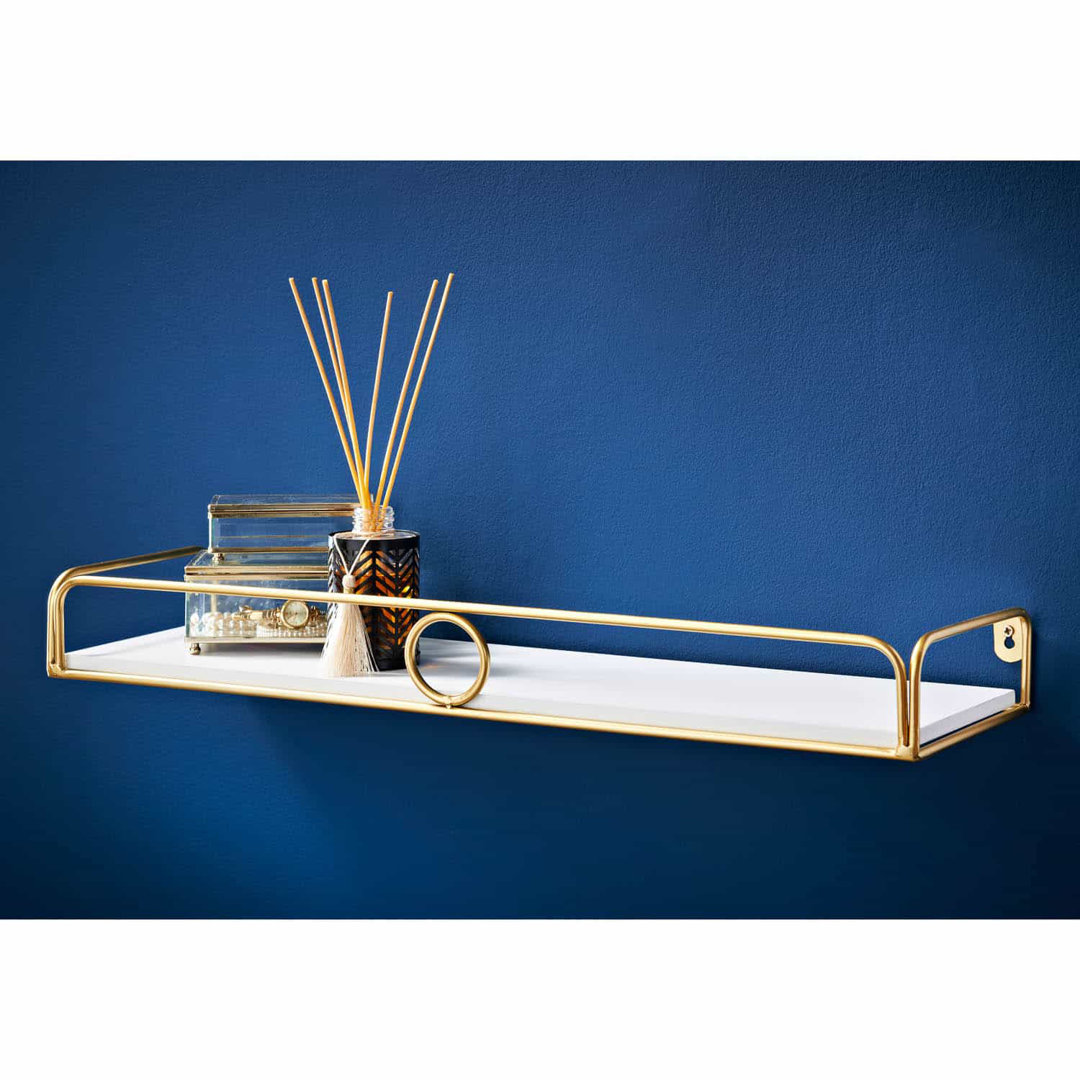
Know the wrong fit for each type. A simple ledge is wrong for bulk storage or large collections. Wall Shelves & Ledges in clear acrylic keep a space light, but they scratch faster than oak or steel bookcases.
What's good
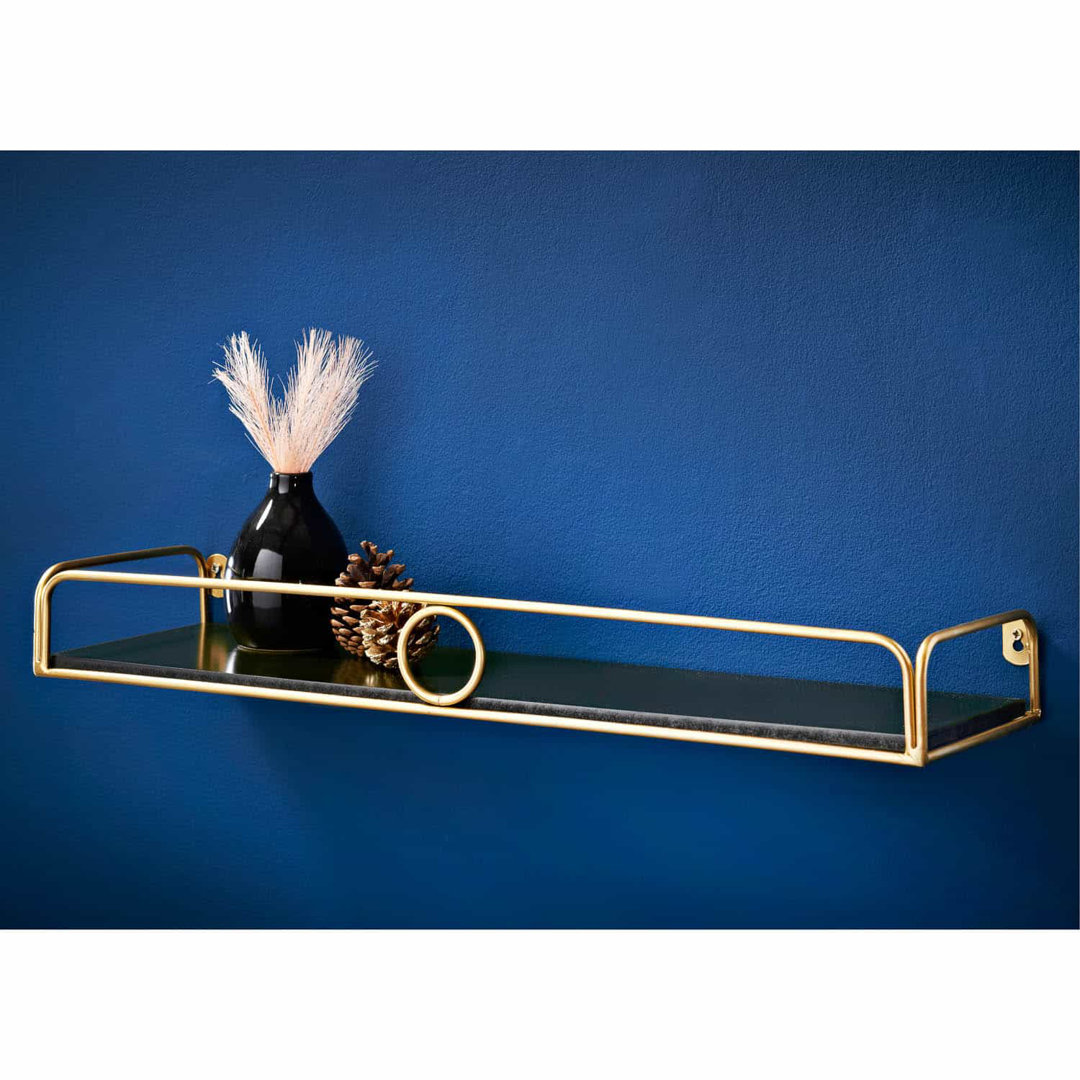
- Wall Shelves & Ledges free up floor space in small rooms.
- Bookcases & Standing Shelves hold heavier loads than ledges, suiting large book sets.
- Furniture with shelves mixes open display and hidden storage in one unit.
- Acrylic or clear shelving keeps a space feeling light and uncluttered.
- Black or blue finishes on ledges add a bold accent to plain walls.
Things to watch
- Wall Shelves & Ledges need firm wall fixings, and weak walls restrict what you hang.
- Bookcases & Standing Shelves take floor area that tight flats or halls lack.
- Wood and pine need more care against damp than metal or steel frames.
- Clear acrylic scratches faster than oak or steel surfaces.
- Pine/wood pieces are softer than solid oak, so they dent more easily.
Care & maintenance
Stay ahead of wear
Dust wood and oak with a dry cloth to protect the grain.
Stay ahead of wear
Wipe metal and steel with a damp cloth, then dry to avoid marks.
Stay ahead of wear
Use a soft cloth on clear acrylic to prevent fine scratches.
Stay ahead of wear
Check the fixings on Wall Shelves & Ledges every few months.
Frequently Asked Questions
What should I look for when buying shelving?
When shopping for shelving, consider factors such as quality, price, brand reputation, and customer reviews. Compare prices across multiple retailers to ensure you're getting the best deal. Look for products that match your specific needs and budget.
How do I choose the right shelving?
Choosing the right shelving depends on your individual needs, budget, and preferences. Research different options, read customer reviews, and compare specifications. Consider what features are most important to you and look for products that offer the best value for money.
Where can I find the best deals on shelving?
You can find the best deals on shelving by comparing prices across multiple retailers. Our price comparison tool helps you find the lowest prices from trusted UK retailers including Amazon, eBay, and other major online stores. Check regularly as prices and deals change frequently.
Are shelving products worth the investment?
The value of shelving products depends on your specific needs and how you plan to use them. Quality products from reputable brands often provide better long-term value, even if they cost more initially. Consider your budget and requirements when making your decision.
What's the difference between different types of shelving?
Different types of shelving vary in features, quality, price, and intended use. Some may offer premium features while others focus on affordability. Research the specific differences between models or brands to find the option that best suits your needs and budget.