Laser Levels
How to choose laser levels
Beam colour
Beam colour spans green, red, and mixed green/red. Green suits bright sites, red is standard, dual adds flexibility.
Body material
Material runs from plastic and cardboard to metal and aluminium. Metal and aluminium take knocks, cardboard and plastic save weight.
Sub-type
Pick a sub-type: Tools for visible lines, Level Sensors for angle gauges, Measuring Tools & Sensors for combined jobs, Hardware for mounts.
Line count
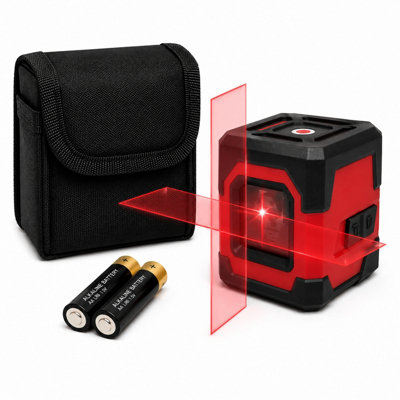
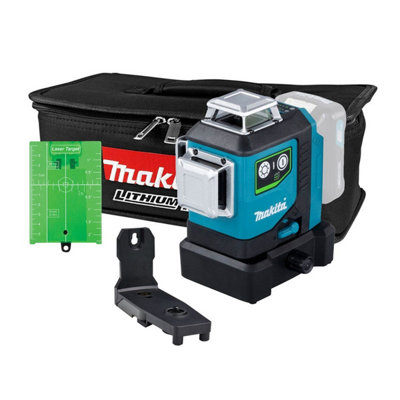
Line count moves from compact 2-line to 3-beam and 360 units. More lines cover more faces but add bulk.
Shell colour
Shell colour (black, blue, white) is cosmetic, yet a bright finish is easier to find in a full van.
What's good
- Tools such as line lasers project straight beams, so you mark level without a separate rule.
- Self-levelling multi-line Tools settle the beam automatically, cutting setup on site.
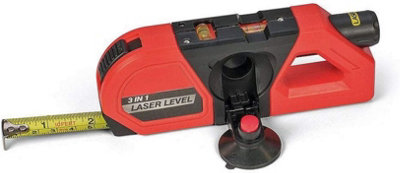
- Level Sensors like mouse-type infrared units give right-angle checks for decoration work.
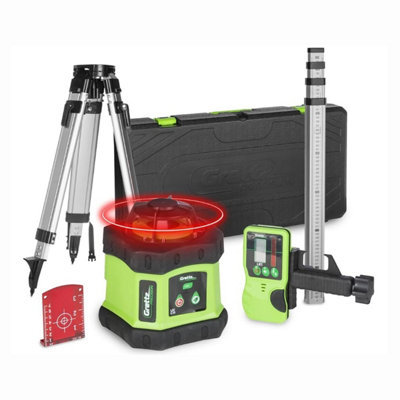
- 360 style Tools cast lines around whole rooms, handy for large tiling jobs.
- Hardware bundled with kits, for example tripods, holds the device steady from the first use.
Things to watch
- Compact Tools trade range for pocket size, so they fit quick checks not long runs.
- Cardboard or plastic bodied units stay light, but they mark easier than aluminium or steel.
- Level Sensors with infrared show no visible line, which makes outdoor aiming hard.
- Green/red dual beam models add choice, yet they confuse controls versus single-colour ones.
- Multi-beam Tools weigh more than a basic sensor, tiring the hand over long sessions.
Care & maintenance
Clean apertures
Wipe the aperture on Tools and Level Sensors with a dry cloth before use.
Safe storage
Store compact and mouse-type units in the supplied sac or box to protect the pendulum.
Dust control
Brush dust from the levelling mechanism on line lasers after dusty rooms.
Dry keeping
Keep aluminium or steel bodied devices dry to avoid surface stains.
Frequently Asked Questions
What should I look for when buying laser levels?
When shopping for laser levels, consider factors such as quality, price, brand reputation, and customer reviews. Compare prices across multiple retailers to ensure you're getting the best deal. Look for products that match your specific needs and budget.
How do I choose the right laser levels?
Choosing the right laser levels depends on your individual needs, budget, and preferences. Research different options, read customer reviews, and compare specifications. Consider what features are most important to you and look for products that offer the best value for money.
Where can I find the best deals on laser levels?
You can find the best deals on laser levels by comparing prices across multiple retailers. Our price comparison tool helps you find the lowest prices from trusted UK retailers including Amazon, eBay, and other major online stores. Check regularly as prices and deals change frequently.
Are laser levels products worth the investment?
The value of laser levels products depends on your specific needs and how you plan to use them. Quality products from reputable brands often provide better long-term value, even if they cost more initially. Consider your budget and requirements when making your decision.
What's the difference between different types of laser levels?
Different types of laser levels vary in features, quality, price, and intended use. Some may offer premium features while others focus on affordability. Research the specific differences between models or brands to find the option that best suits your needs and budget.