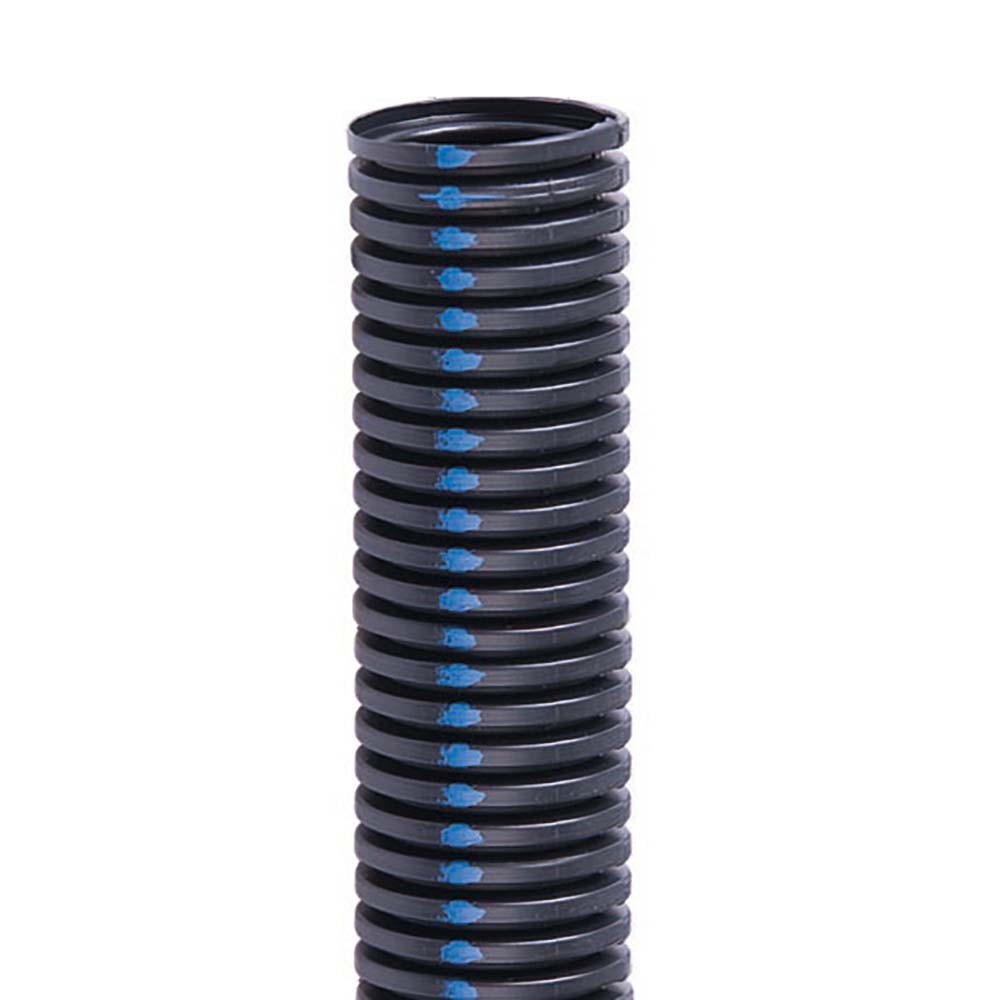
Electrical Conduit
How to choose electrical conduit
Range type
Sub-type matters: Conduit & Housings gives full runs, while Hardware holds elbows and connectors for custom routes.
Build material
Material decides use: plastic or PVC for light indoor protection, metal or steel where knocks are likely.
Finish colour
Colour balances look and safety: ivory or grey blends in, red or yellow flags special circuits.
Shape and fit
Form factor: rigid trunking looks neat enclosed, flexible split tubing slips over cables already in place.
Hybrid construction
Mixed metal/plastic builds add rigidity with corrosion-resistant fittings, but weigh more than pure plastic.
What's good
- Plastic and PVC trunking in the Conduit & Housings range is light and easy to cut. It suits quick surface cable runs in homes.
- Metal or steel conduit gives higher impact resistance for workshops and garages. Cables stay protected from knocks.
- Flexible nylon or split conduit wraps existing wires without full dismantling. Retrofit jobs go faster.
- The colour choice spans white, grey, ivory, and signal red or yellow. Pick discreet tones for decor or bright ones for circuit marking.
Things to watch
- Metal conduit and fittings are heavier and need threaded joints. That adds labour compared with clip-on plastic.
- Plastic trunking can fade or turn brittle outside. It is best kept to indoor use.
- Split flexible conduit has lower crush resistance than solid rigid housing. Avoid it for floor or high-traffic routes.
- Bright orange or blue conduit aids identification but looks odd in a living room. Choose tone with care.
Care & maintenance
Cleaning
Wipe plastic trunking with a damp cloth. Skip solvent cleaners that dull the finish.
Corrosion check
Inspect metal conduit in damp areas for corrosion. Stainless steel or coated grades cope better.
Adhesion
Press self-adhesive mini trunking to clean surfaces. Add screws if the edge lifts.
Damage check
Check flexible conduit for splits now and then. Replace damaged lengths to keep cables covered.
Frequently Asked Questions
What should I look for when buying electrical conduit?
When shopping for electrical conduit, consider factors such as quality, price, brand reputation, and customer reviews. Compare prices across multiple retailers to ensure you're getting the best deal. Look for products that match your specific needs and budget.
How do I choose the right electrical conduit?
Choosing the right electrical conduit depends on your individual needs, budget, and preferences. Research different options, read customer reviews, and compare specifications. Consider what features are most important to you and look for products that offer the best value for money.
Where can I find the best deals on electrical conduit?
You can find the best deals on electrical conduit by comparing prices across multiple retailers. Our price comparison tool helps you find the lowest prices from trusted UK retailers including Amazon, eBay, and other major online stores. Check regularly as prices and deals change frequently.
Are electrical conduit products worth the investment?
The value of electrical conduit products depends on your specific needs and how you plan to use them. Quality products from reputable brands often provide better long-term value, even if they cost more initially. Consider your budget and requirements when making your decision.
What's the difference between different types of electrical conduit?
Different types of electrical conduit vary in features, quality, price, and intended use. Some may offer premium features while others focus on affordability. Research the specific differences between models or brands to find the option that best suits your needs and budget.
![Lapp Parallel Ribbed Cable Protection Conduit 21/16.7Mm - 61754035 [50 Meters]](https://cdn.shopify.com/s/files/1/0572/1787/6152/files/e3u22-00.5d365cf0.jpg?v=1743818176)