Weight Bar Collars
How to choose weight bar collars
Bar size
First, match the collar to your bar diameter. Options here include 2 inch (50mm) Olympic clamps, 25mm barbell clamps, and 20mm shaft collars.
Material
Second, pick the material by use. Aluminium saves weight, steel and cast iron last longer, nylon is light but less secure.
Fixing style
Third, choose the fixing style. Lock jaw quick-release is fast, spin-lock is fixed, setscrew is for rig or repair jobs.
Colour
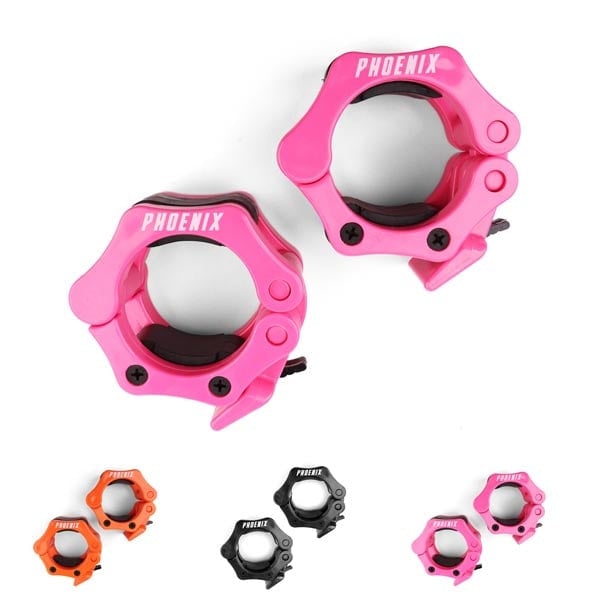
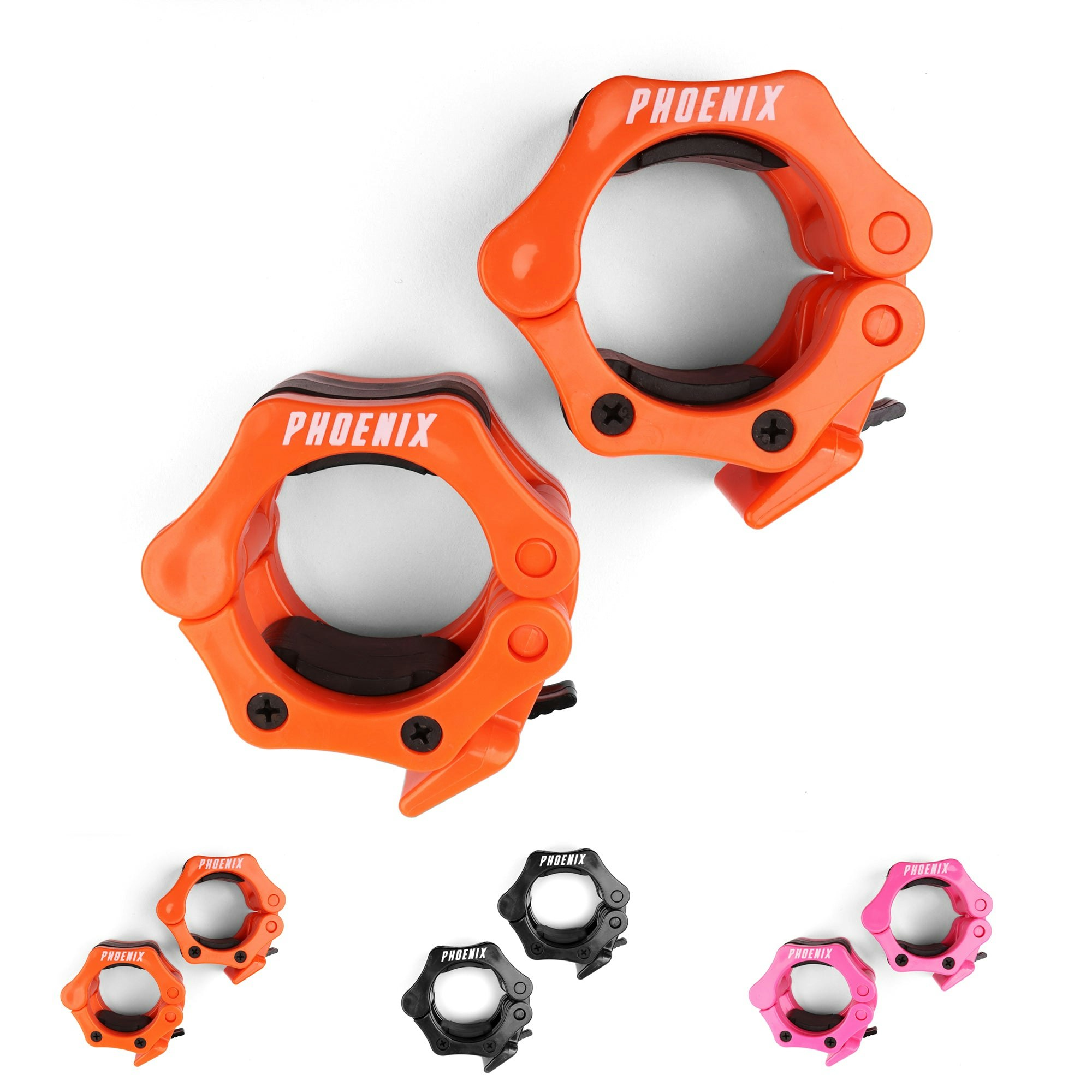
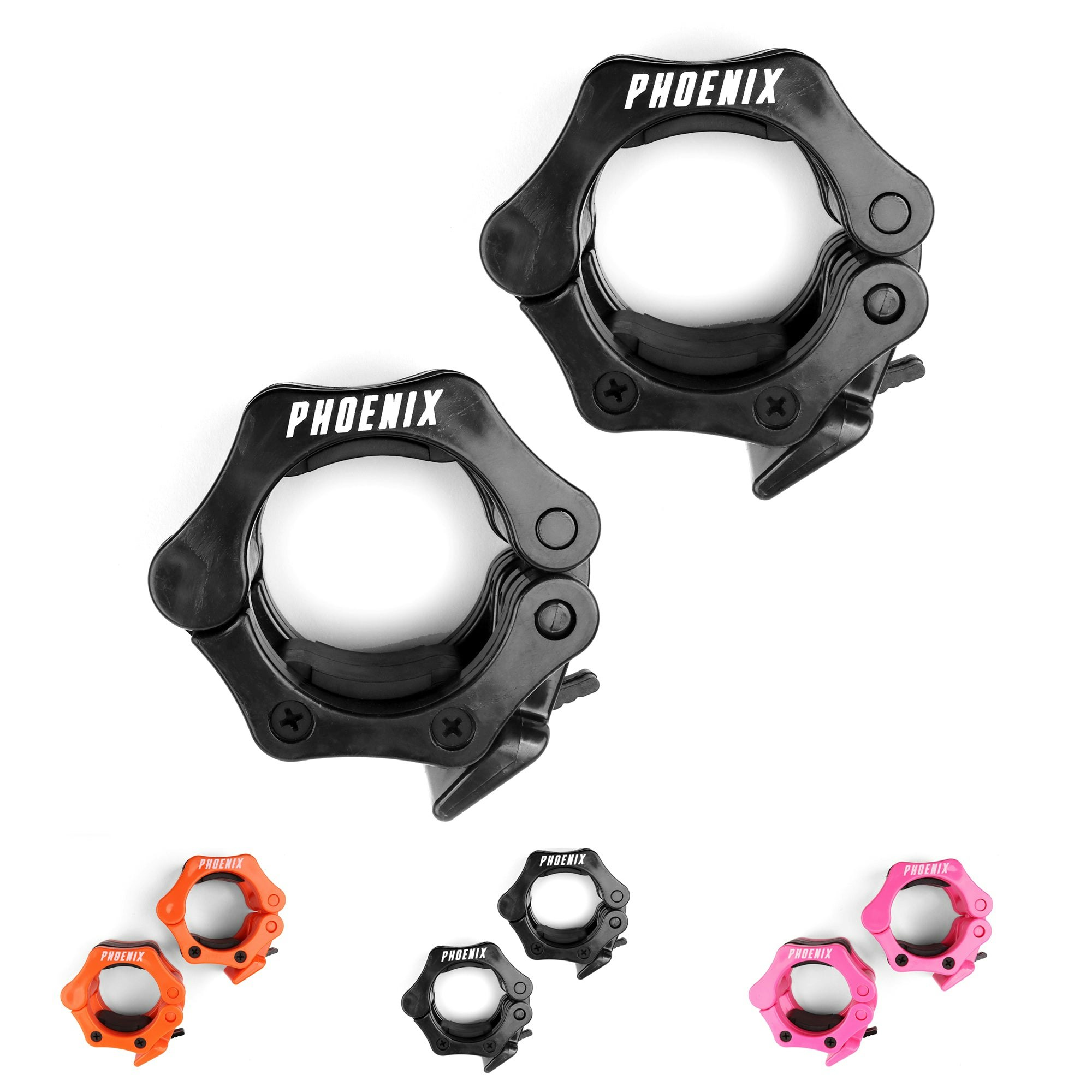
Fourth, colour is broad: black, silver, pink, orange, and multi-tone versions appear. Choose what fits your kit, since it does not change strength.
Sub-type fit
Finally, check the sub-type label. Weightlifting and free weight accessories are direct collar use, while sporting goods or exercise fitness listings may be broader equipment.
What's good
- Quick-release aluminium barbell collars suit weightlifting sessions where you change plates often. They clip on in seconds.
- Spin-lock screw collars in steel or nylon/rubber hold dumbbell and barbell shafts with a fixed grip. They suit slower, controlled lifts.
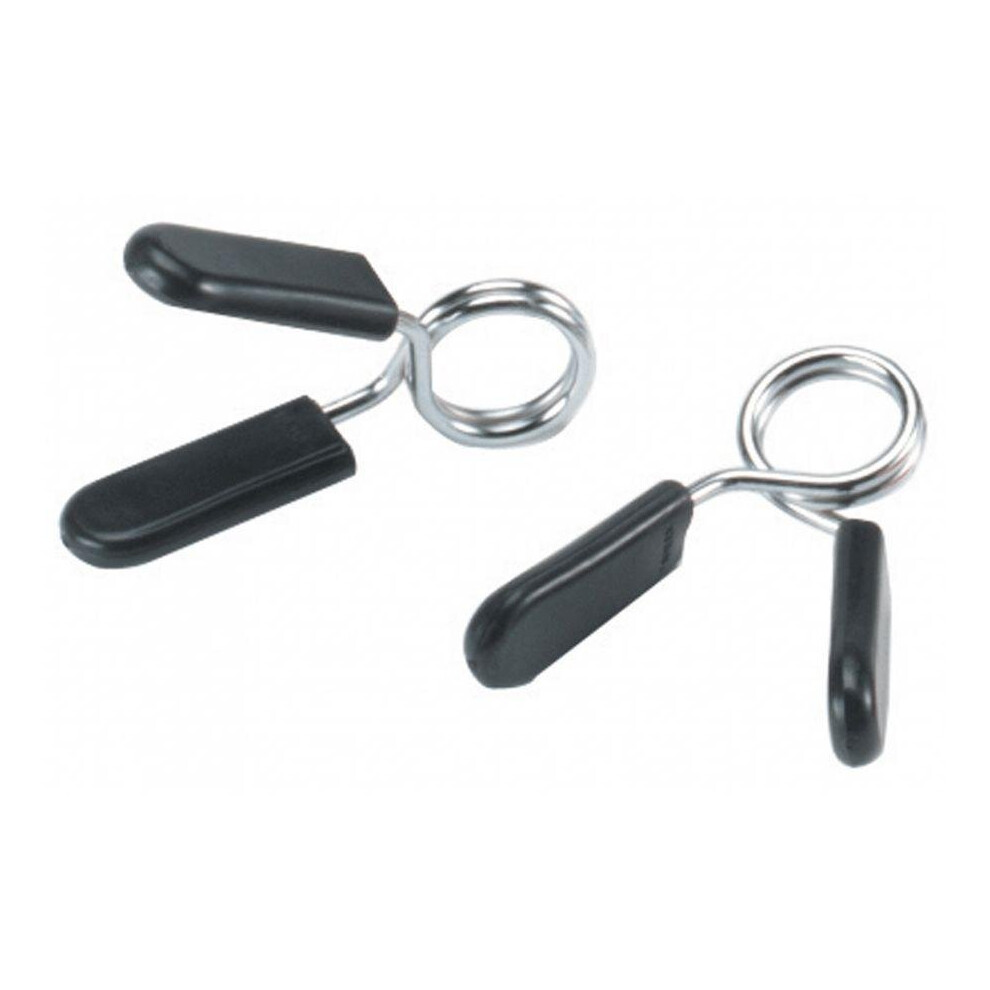
- Steel spring collars for Olympic 2 inch bars are a simple free weight accessory. They need no tools and fit most standard gym bars.
- Double split shaft collars with setscrews give a metal-on-metal clamp for custom exercise and fitness rigs. They secure non-standard poles.
Things to watch
- Aluminium quick-release clamps are light but less tolerant of being dropped than cast iron or steel types.
- Spin-lock collars require manual turning, so they are poor for timed circuits or group classes.
- Plastic or nylon collars from the free weight accessories range can slip under heavy loads. They suit only light training.
- Spring collars can relax with age and may not grip bars with knurling or coatings as well as screw types.
- Setscrew shaft collars need an Allen key and careful alignment. They are wrong for anyone wanting fast plate swaps.
Care & maintenance
Wipe down
Wipe steel, stainless steel and cast iron collars after use to stop sweat corrosion.
Check setscrews
Check setscrew threads on split collars before each session, and re-tighten as needed.
Avoid heat
Keep nylon and plastic collars away from radiators or direct sun to avoid warping.
Lubricate latches
A drop of light oil on the latch of aluminium quick-release collars keeps them moving freely.
Frequently Asked Questions
What should I look for when buying weight bar collars?
When shopping for weight bar collars, consider factors such as quality, price, brand reputation, and customer reviews. Compare prices across multiple retailers to ensure you're getting the best deal. Look for products that match your specific needs and budget.
How do I choose the right weight bar collars?
Choosing the right weight bar collars depends on your individual needs, budget, and preferences. Research different options, read customer reviews, and compare specifications. Consider what features are most important to you and look for products that offer the best value for money.
Where can I find the best deals on weight bar collars?
You can find the best deals on weight bar collars by comparing prices across multiple retailers. Our price comparison tool helps you find the lowest prices from trusted UK retailers including Amazon, eBay, and other major online stores. Check regularly as prices and deals change frequently.
Are weight bar collars products worth the investment?
The value of weight bar collars products depends on your specific needs and how you plan to use them. Quality products from reputable brands often provide better long-term value, even if they cost more initially. Consider your budget and requirements when making your decision.
What's the difference between different types of weight bar collars?
Different types of weight bar collars vary in features, quality, price, and intended use. Some may offer premium features while others focus on affordability. Research the specific differences between models or brands to find the option that best suits your needs and budget.