Power Inlets
How to choose power inlets
Build Material
Choose Plastic or Metal build first. Plastic keeps weight down for portable kit, metal takes panel abuse in fixed Power & Electrical Supplies installs.
Filtering
Pick filtered vs unfiltered IEC C14. Filtering protects circuits but steals rear clearance, unfiltered saves space.
Housing Colour
Colour flags the risk. Red or black/red units warn service staff of live mains, white or grey suit clean front panels.
Mount Type
Decide mounting style. Snap-in fits thin panels, screw-in holds firm on aluminium but needs threaded holes.
Current Rating
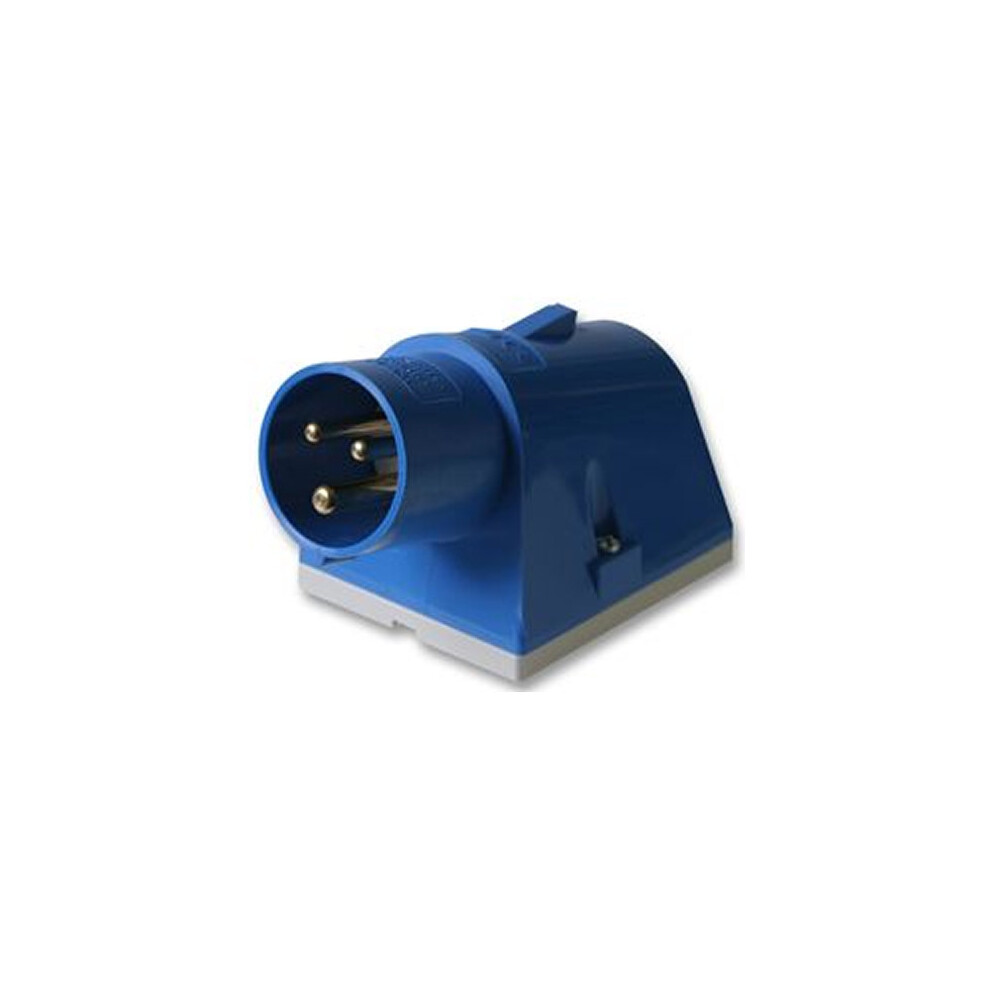
Match current rating to duty. 10A C14 modules cover most lab gear, 50A boxes suit stage or vehicle power.
What's good
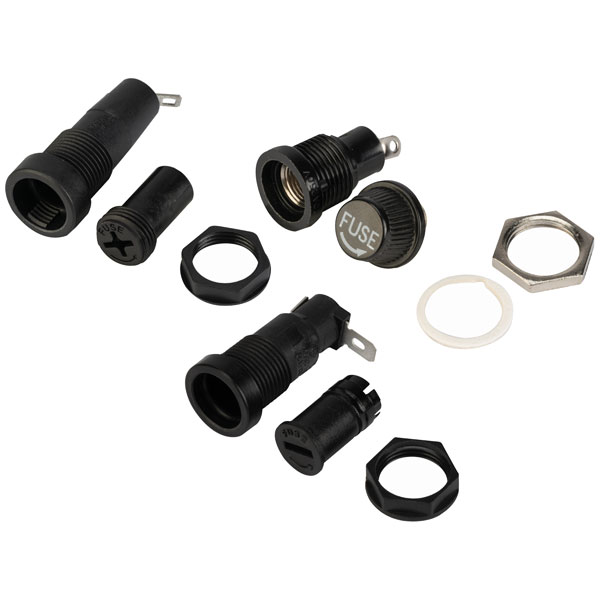
- Switched and fused IEC C14 inlets put overload protection and a kill switch at the panel. They suit lab gear and fitness kit where you want local control.
- EMC filtered modules cut mains noise before it hits sensitive circuits. They add depth behind the chassis, a fair trade for cleaner power.
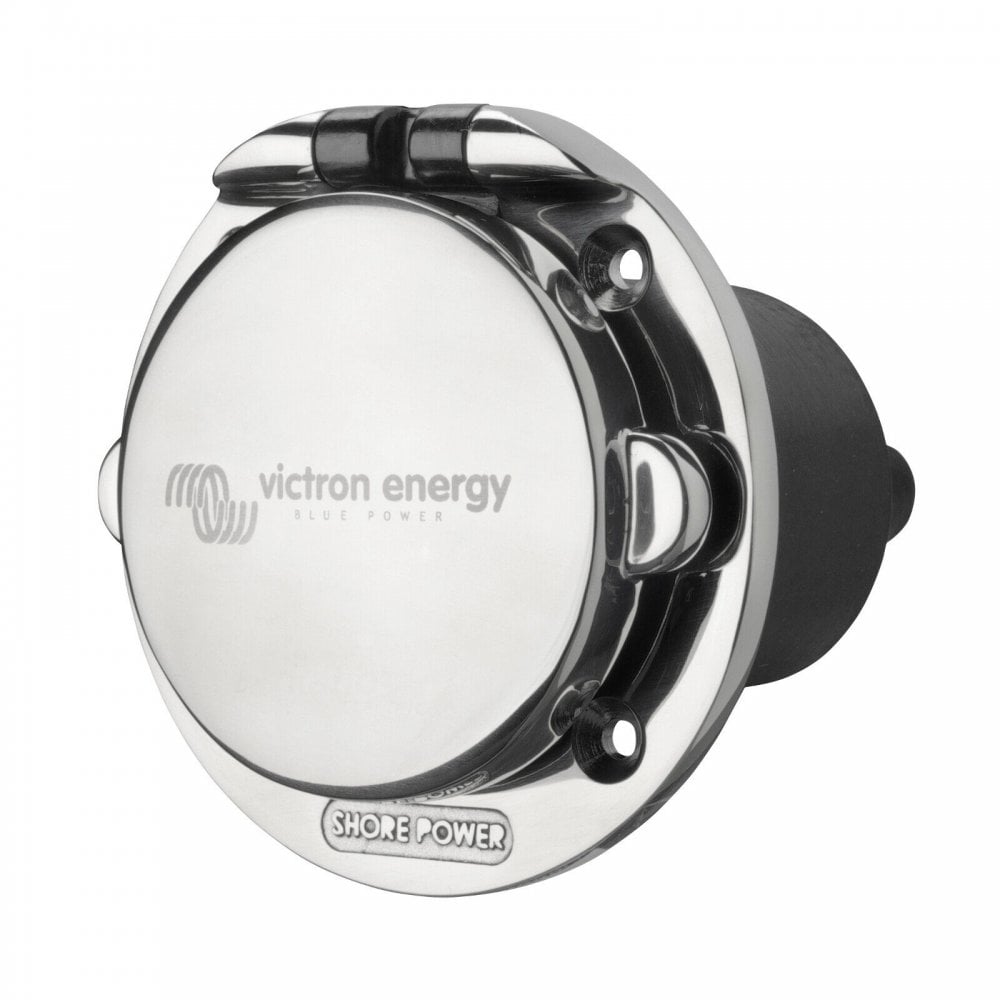
- Weatherproof aluminium inlet boxes carry 50A feeds outdoors. The metal build survives knocks that plastic hardware would not.
- Snap-in unfiltered types speed up enclosure builds. You trade rear clearance needs for a faster, low profile fit.
Things to watch
- EMC filtered screw-in modules need thread depth and tools. They are wrong for thin plastic enclosures in the Hardware sub-type.
- High amp metal boxes are heavy and need firm mounting. They are overkill for a 10A desktop C14 supply.
- Neon switch versions draw a small constant current. That hurts low power standby builds.
- Multi-packs of fused modules lock you to one terminal layout. Spare units go to waste if your wiring changes.
Care & maintenance
Surface Care
Wipe plastic and metal faces with a dry cloth. Solvents dull the red or white housings.
Terminal Checks
Check screw terminals on fused holders each year. Copper and tin contacts loosen with heat cycling.
Seal Inspection
On weatherproof aluminium boxes, inspect the gasket. Grit breaks the seal faster than rain.
Fuse Testing
Test the fuse on switched C14 inlets if the neon goes dark.
Frequently Asked Questions
What should I look for when buying power inlets?
When shopping for power inlets, consider factors such as quality, price, brand reputation, and customer reviews. Compare prices across multiple retailers to ensure you're getting the best deal. Look for products that match your specific needs and budget.
How do I choose the right power inlets?
Choosing the right power inlets depends on your individual needs, budget, and preferences. Research different options, read customer reviews, and compare specifications. Consider what features are most important to you and look for products that offer the best value for money.
Where can I find the best deals on power inlets?
You can find the best deals on power inlets by comparing prices across multiple retailers. Our price comparison tool helps you find the lowest prices from trusted UK retailers including Amazon, eBay, and other major online stores. Check regularly as prices and deals change frequently.
Are power inlets products worth the investment?
The value of power inlets products depends on your specific needs and how you plan to use them. Quality products from reputable brands often provide better long-term value, even if they cost more initially. Consider your budget and requirements when making your decision.
What's the difference between different types of power inlets?
Different types of power inlets vary in features, quality, price, and intended use. Some may offer premium features while others focus on affordability. Research the specific differences between models or brands to find the option that best suits your needs and budget.