Butterfly Houses
How to choose butterfly houses
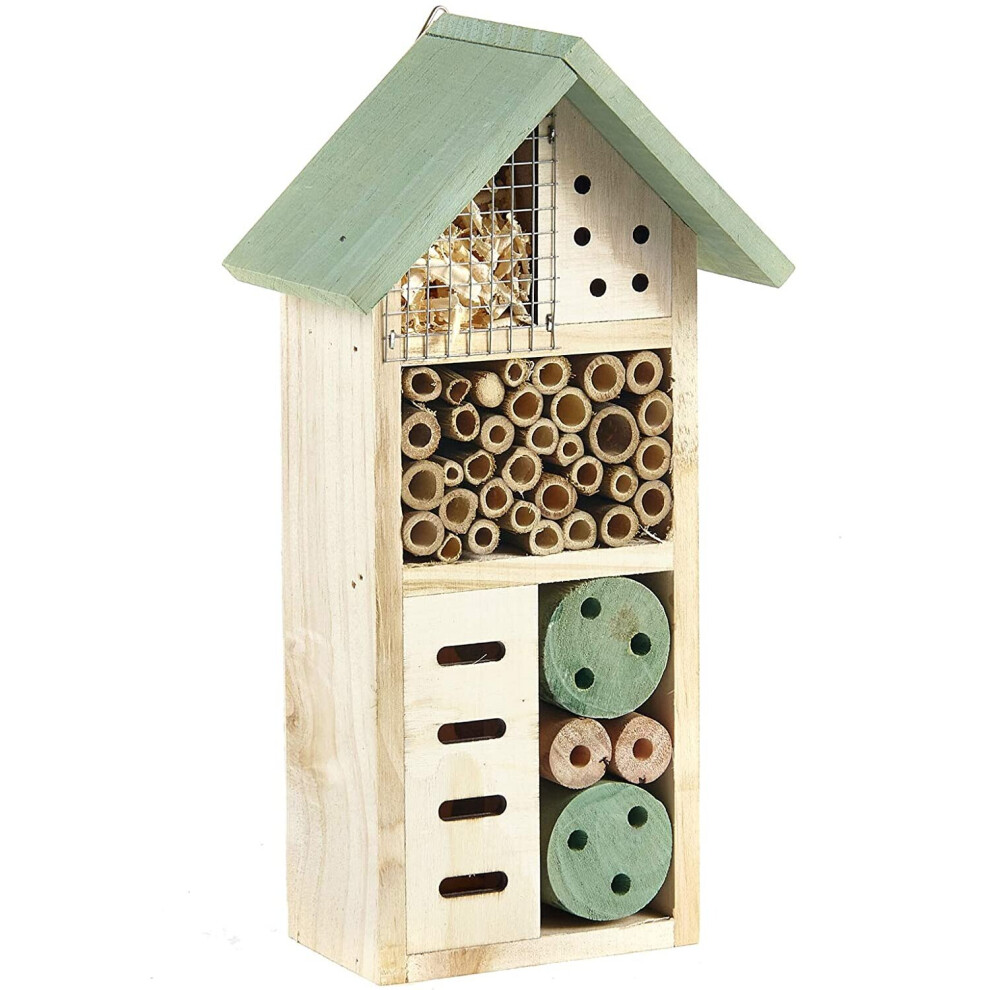
Decide between a Bird & Wildlife Houses model and a Decor piece. The first aids pollinators, the second is for show.
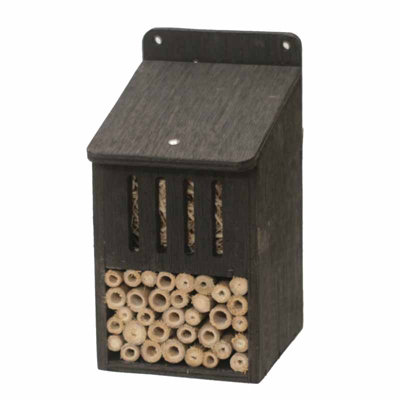
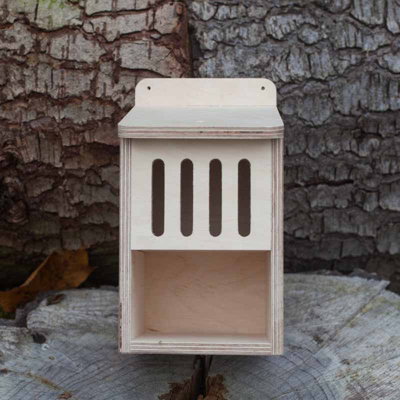
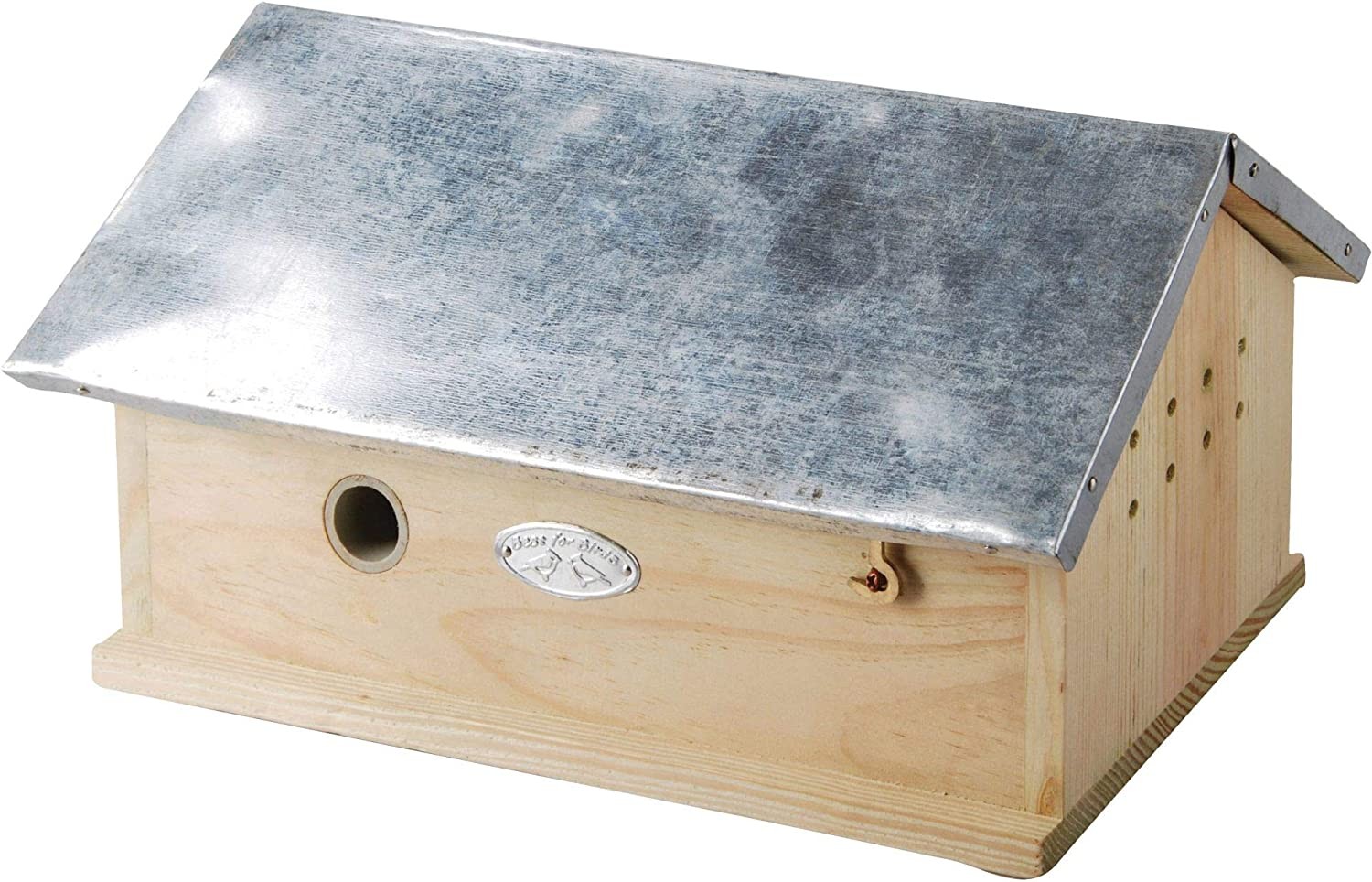
Material drives lifespan. Wood and cedar cope outside, cardboard is a short-term make, and metal or clay suit sheltered spots.
Colour sets the tone. Natural, brown, or dark olive hide in foliage, while multicolor or red act as garden art.
Form matters. Stake-mounted Home & Garden hotels save ground space, while standalone houses need a wall or tree.
If you want a hands-on task, pick a cardboard build. Finished clay or keramik models ask for less effort but give less involvement.
What's good
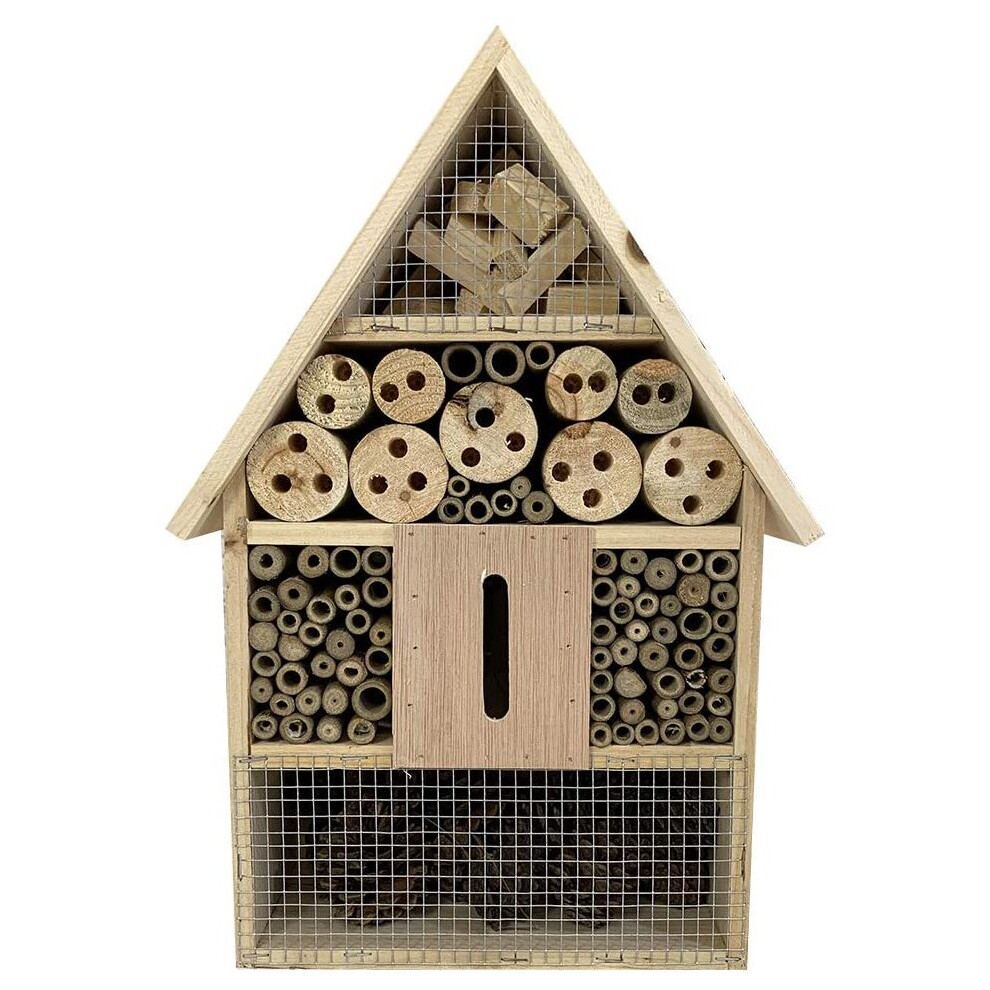
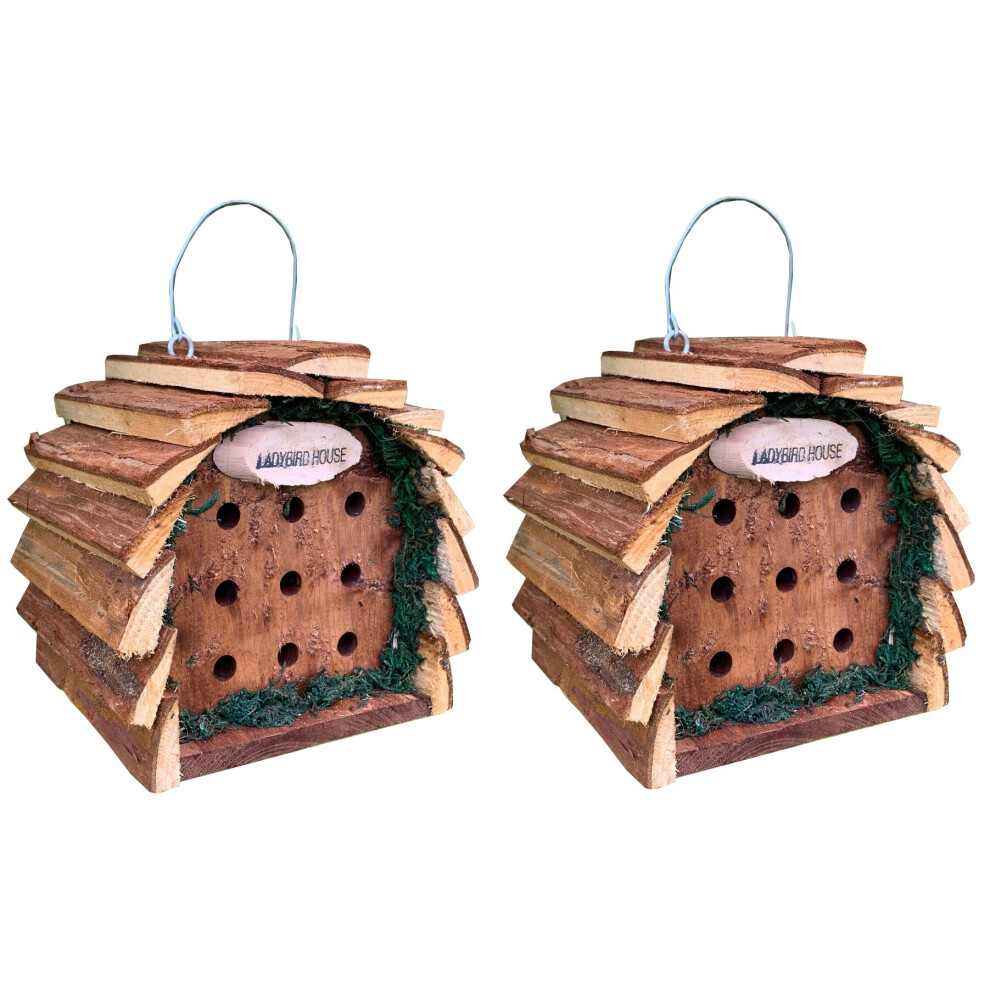
- Functional wildlife houses in the Bird & Wildlife Houses sub-type give solitary bees and butterflies a sheltered spot, supporting garden biodiversity.
- The Home & Garden sub-type includes stake-mounted insect hotels that double as garden ornaments, saving ground space while still inviting pollinators.
- Decor pieces in clay or keramik offer a static indoor display, suiting collectors who want an educational object on a shelf.
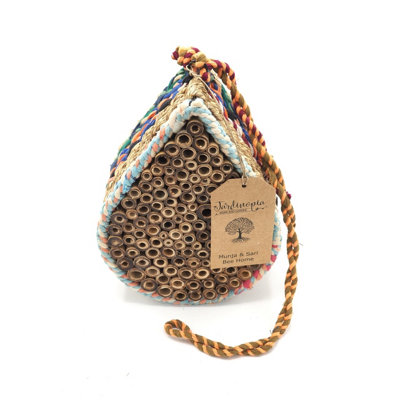
- Cardboard or bamboo builds present a light option for a craft project, and they are easy to fix to a balcony rail.
- Natural wood tones (brown, natural, dark olive) disappear into hedges, keeping attention on the visiting wildlife.
Things to watch
- Wooden and pine houses need regular treatment to survive wet UK winters, while cardboard versions break down within a season outdoors.
- Clay or keramik pieces look neat but are fragile, and they provide no live habitat for insects.
- Metal parts can heat up in full sun, making them poor shelter for delicate pollinators.
- Bright reds, yellows, or blues cheer up a patio but draw fewer bees than muted tones, so they are ornament first and habitat second.
- Small decor items are indoor only, which means they will not help your garden ecology.
Care & maintenance
Wood, pine, and cedar houses should be inspected each spring. Remove old nesting material and check for rot.
Bamboo canes in insect hotels need clearing once larvae have left. Swap them if they stay blocked.
Clay or keramik pieces want a wipe with a damp cloth. Bring them inside before the first frost.
Cardboard builds must stay under cover. Replace them as soon as they soften.
Frequently Asked Questions
What should I look for when buying butterfly houses?
When shopping for butterfly houses, consider factors such as quality, price, brand reputation, and customer reviews. Compare prices across multiple retailers to ensure you're getting the best deal. Look for products that match your specific needs and budget.
How do I choose the right butterfly houses?
Choosing the right butterfly houses depends on your individual needs, budget, and preferences. Research different options, read customer reviews, and compare specifications. Consider what features are most important to you and look for products that offer the best value for money.
Where can I find the best deals on butterfly houses?
You can find the best deals on butterfly houses by comparing prices across multiple retailers. Our price comparison tool helps you find the lowest prices from trusted UK retailers including Amazon, eBay, and other major online stores. Check regularly as prices and deals change frequently.
Are butterfly houses products worth the investment?
The value of butterfly houses products depends on your specific needs and how you plan to use them. Quality products from reputable brands often provide better long-term value, even if they cost more initially. Consider your budget and requirements when making your decision.
What's the difference between different types of butterfly houses?
Different types of butterfly houses vary in features, quality, price, and intended use. Some may offer premium features while others focus on affordability. Research the specific differences between models or brands to find the option that best suits your needs and budget.