Masonry Consumables
How to choose masonry consumables
Material within Bricks & Concrete Blocks
Choose clay or concrete in bricks and concrete blocks, balancing heritage style against handling weight.
Grout colour
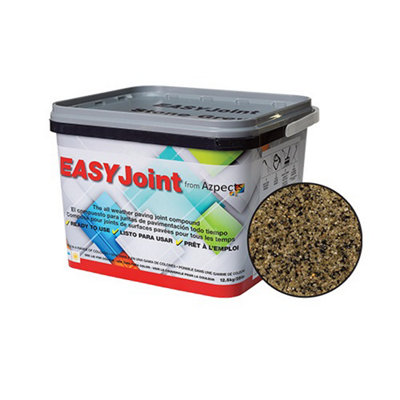
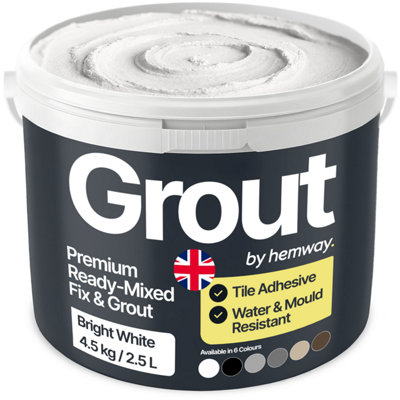
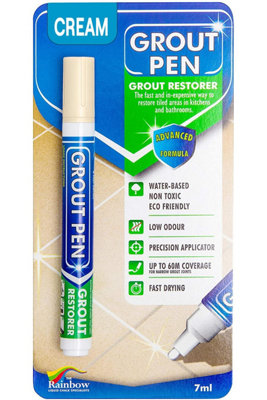
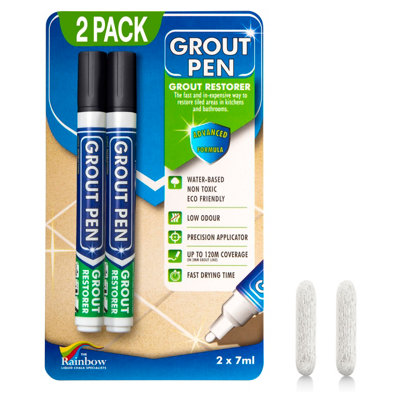
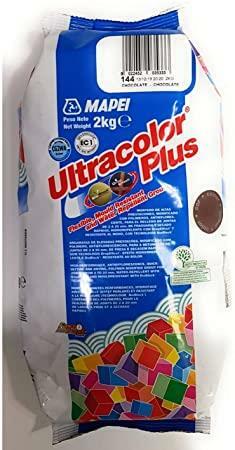
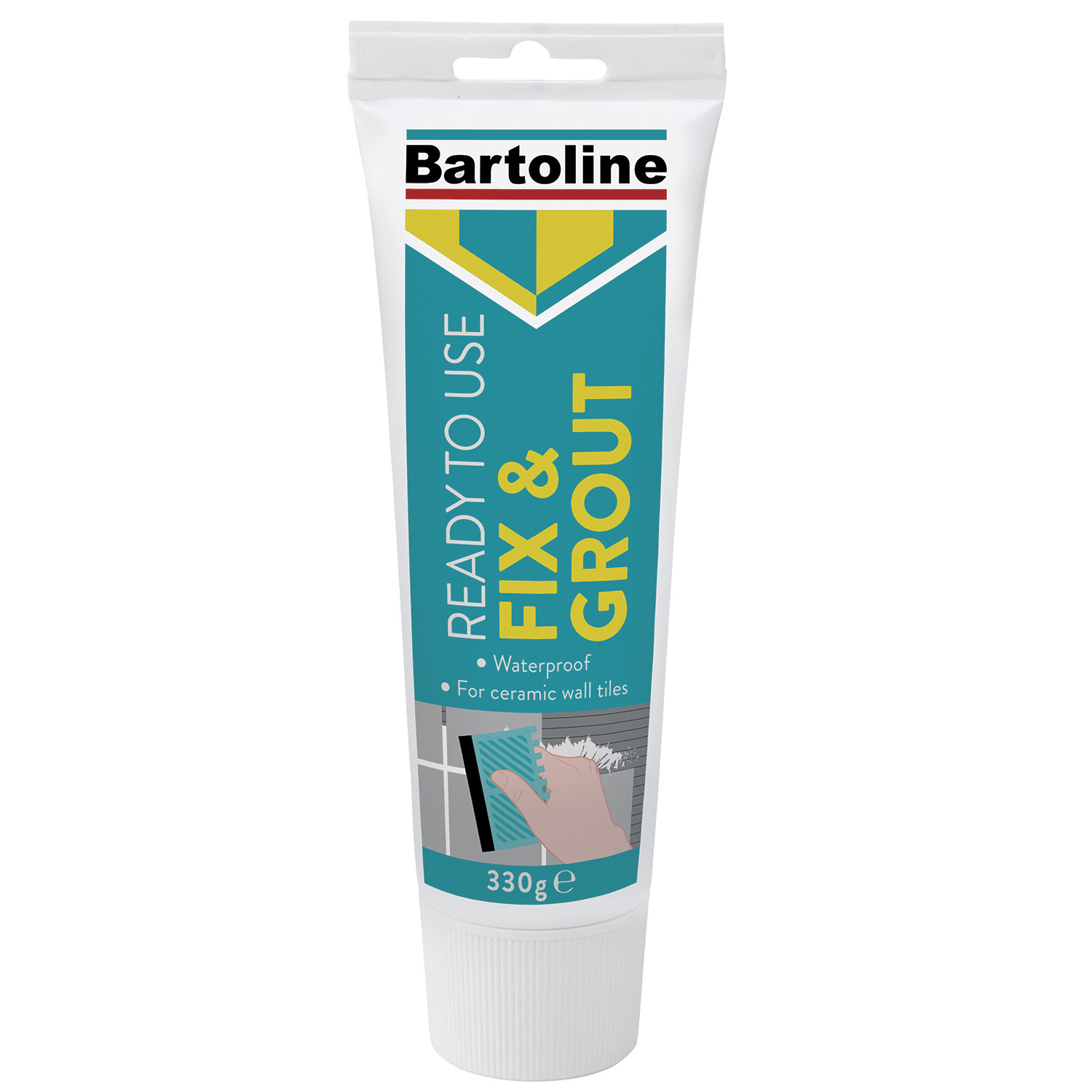
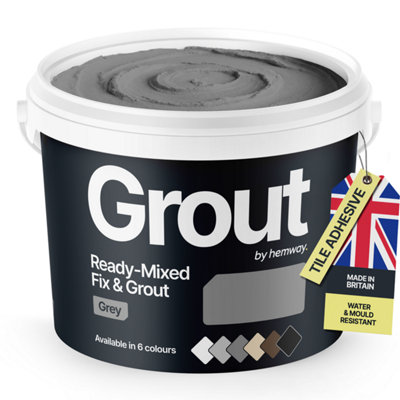
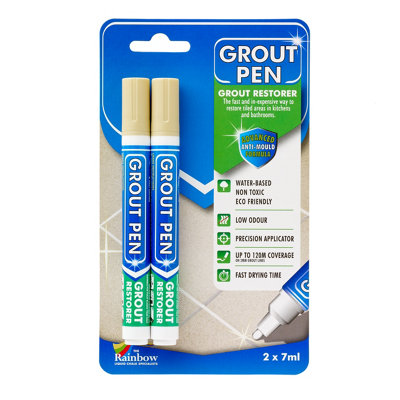
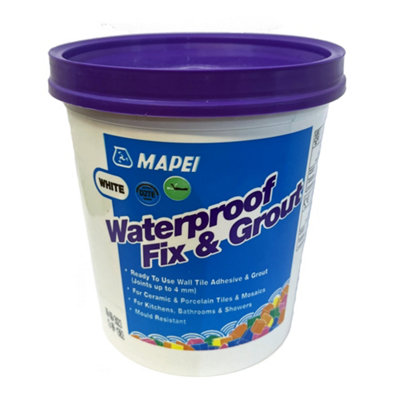
Select grout colour from the listed palette, thinking about matching buff stone or contrasting grey joints.
Hardware material
Match hardware material to site: steel for structure, plastic for damp, wood for decorative.
Building consumables fit
Check if building consumables like primer and sealer suit your specific stone before purchase.
Material for decorative work
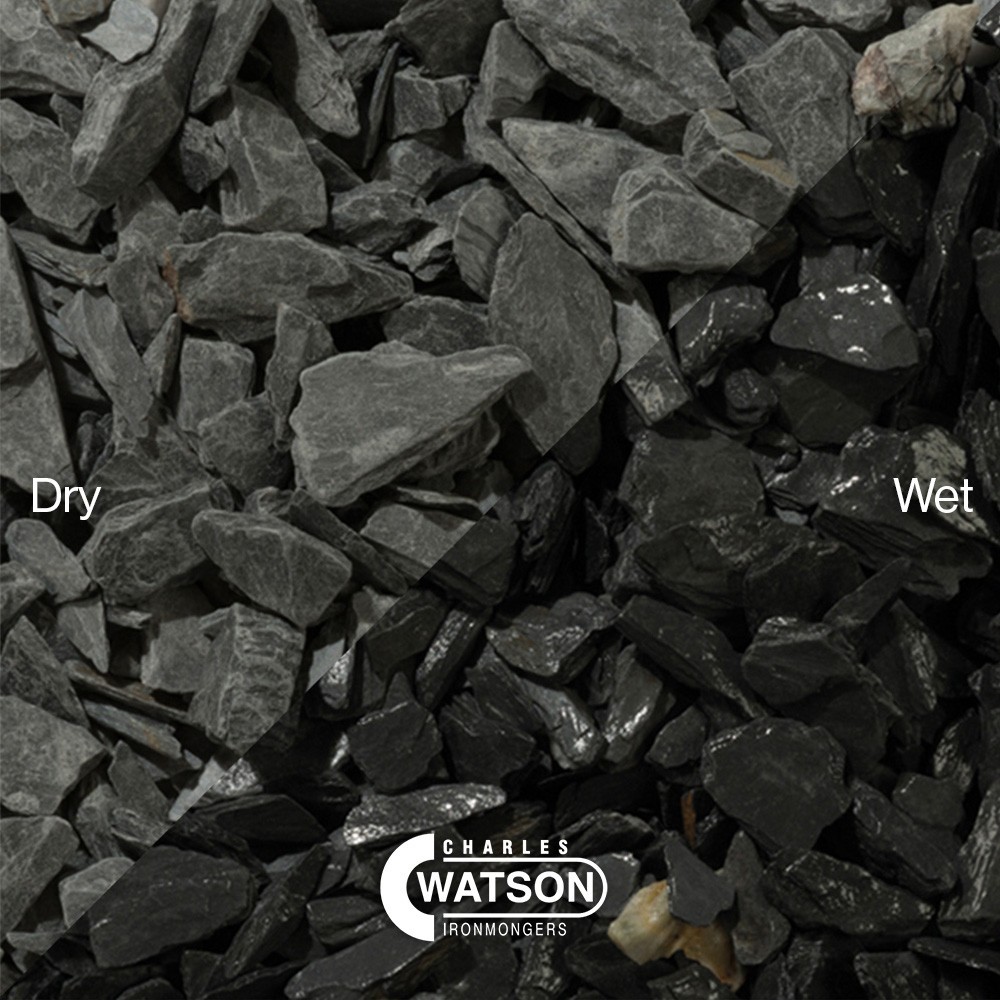
Note material options such as porcelain, slate or wood if your job includes mosaic or trim pieces.
What's good
- Grout comes in shades like grey, buff, green and brown, so you can match joints to paving or make them stand out.
- Bricks and concrete blocks are available in clay or concrete, giving a choice between classic brick look and uniform block work.
- Hardware spans steel, plastic, lead, wood and more, letting you pick fixings for strength or corrosion resistance.
- Building consumables include sealers and primers that shield stone from rain and dirt.
Things to watch
- Concrete blocks give solid walls but weigh more than clay bricks, making solo handling harder.
- Steel hardware holds load yet can corrode outside, while plastic resists rust but bends under strain.
- Grout colour must be chosen from the set range, and a wrong yellow or red can clash with masonry.
- Sealers from building consumables need recoating, so protection is not a one off task.
Care & maintenance
Grout care
Brush grout lines to remove debris and prevent algae on shaded paths.
Sealer upkeep
Reapply sealer from building consumables when water stops beading on the surface.
Hardware check
Inspect steel hardware each season for rust, especially in damp gardens.
Storage
Stack bricks and blocks on a dry base to avoid ground stains.
Frequently Asked Questions
What should I look for when buying masonry consumables?
When shopping for masonry consumables, consider factors such as quality, price, brand reputation, and customer reviews. Compare prices across multiple retailers to ensure you're getting the best deal. Look for products that match your specific needs and budget.
How do I choose the right masonry consumables?
Choosing the right masonry consumables depends on your individual needs, budget, and preferences. Research different options, read customer reviews, and compare specifications. Consider what features are most important to you and look for products that offer the best value for money.
Where can I find the best deals on masonry consumables?
You can find the best deals on masonry consumables by comparing prices across multiple retailers. Our price comparison tool helps you find the lowest prices from trusted UK retailers including Amazon, eBay, and other major online stores. Check regularly as prices and deals change frequently.
Are masonry consumables products worth the investment?
The value of masonry consumables products depends on your specific needs and how you plan to use them. Quality products from reputable brands often provide better long-term value, even if they cost more initially. Consider your budget and requirements when making your decision.
What's the difference between different types of masonry consumables?
Different types of masonry consumables vary in features, quality, price, and intended use. Some may offer premium features while others focus on affordability. Research the specific differences between models or brands to find the option that best suits your needs and budget.