Color Mixing Tools
How to choose color mixing tools
Material and cleanup
Material choice sets cleanup effort: silicone and plastic need a quick rinse, wood demands prompt attention before paint dries.
Palette colour
Palette colour affects judgement: white shows mixes accurately, black helps see light pigments with contrast.
Sub-type and use
Sub-type scope: a plain Colour Mixing Tools tray targets practice, while Hobbies & Creative Arts kits include a paint-your-own activity.
Pack quantity
Pack size: multi-pack plastic from Arts & Crafts suits group or classroom use, a single ceramic piece suits one artist.
Gift vs self-use
Personalisation: wooden or acrylic items under Arts & Entertainment fit gifts, plain standard tools suit personal studio work.
What's good
- Plastic mixing trays within Art & Crafting Tools often appear in packs of four, useful for kids or group sessions.
- Ceramic mix trays under Colour Mixing Tools give a heavy, stable base that will not slip on a table.
- Wooden or acrylic palettes listed as Arts & Entertainment can be personalised, making them gifts for students or teachers.
- Paint-your-own pottery boxes in Hobbies & Creative Arts blend colour practice with a finished trinket.
- Metal or stainless steel options from the material range resist staining from frequent painting.
Things to watch
- Ceramic and porcelain trays are fragile, a drop can leave them chipped or cracked.
- Wood palettes absorb paint into the grain, which makes cleanup slower than on plastic or metal.
- Plastic trays may distort if soaked in hot water, shortening their usable life.
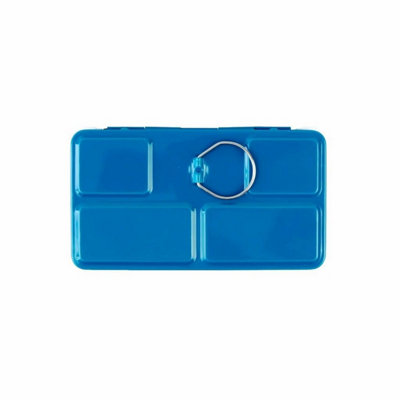
- Coloured backgrounds like red or blue palettes can hide the true tone of a mixed colour versus a white surface.
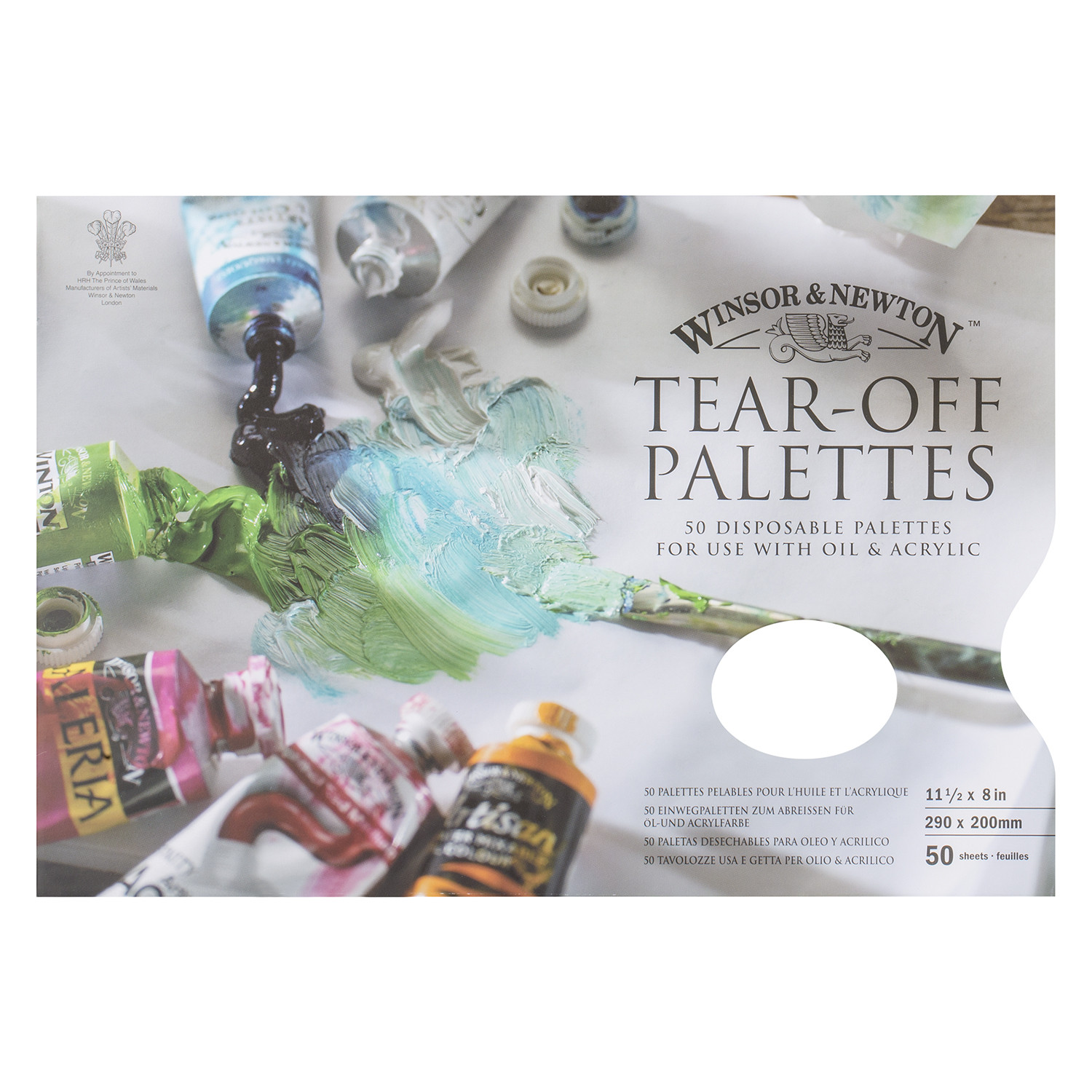
- Paper mixing sheets are disposable, so they add waste and offer no reusable workspace.
Care & maintenance
Ceramic and porcelain care
Rinse ceramic and porcelain trays soon after use to stop paint hardening in wells.
Metal care
Wipe stainless steel and metal palettes with a damp cloth to keep them free of dried pigment.
Wood care
Clean wooden palettes before paint dries, as the grain will hold colour if left.
Silicone care
Peel dried blobs from silicone trays by bending the flexible material.
Frequently Asked Questions
What should I look for when buying color mixing tools?
When shopping for color mixing tools, consider factors such as quality, price, brand reputation, and customer reviews. Compare prices across multiple retailers to ensure you're getting the best deal. Look for products that match your specific needs and budget.
How do I choose the right color mixing tools?
Choosing the right color mixing tools depends on your individual needs, budget, and preferences. Research different options, read customer reviews, and compare specifications. Consider what features are most important to you and look for products that offer the best value for money.
Where can I find the best deals on color mixing tools?
You can find the best deals on color mixing tools by comparing prices across multiple retailers. Our price comparison tool helps you find the lowest prices from trusted UK retailers including Amazon, eBay, and other major online stores. Check regularly as prices and deals change frequently.
Are color mixing tools products worth the investment?
The value of color mixing tools products depends on your specific needs and how you plan to use them. Quality products from reputable brands often provide better long-term value, even if they cost more initially. Consider your budget and requirements when making your decision.
What's the difference between different types of color mixing tools?
Different types of color mixing tools vary in features, quality, price, and intended use. Some may offer premium features while others focus on affordability. Research the specific differences between models or brands to find the option that best suits your needs and budget.