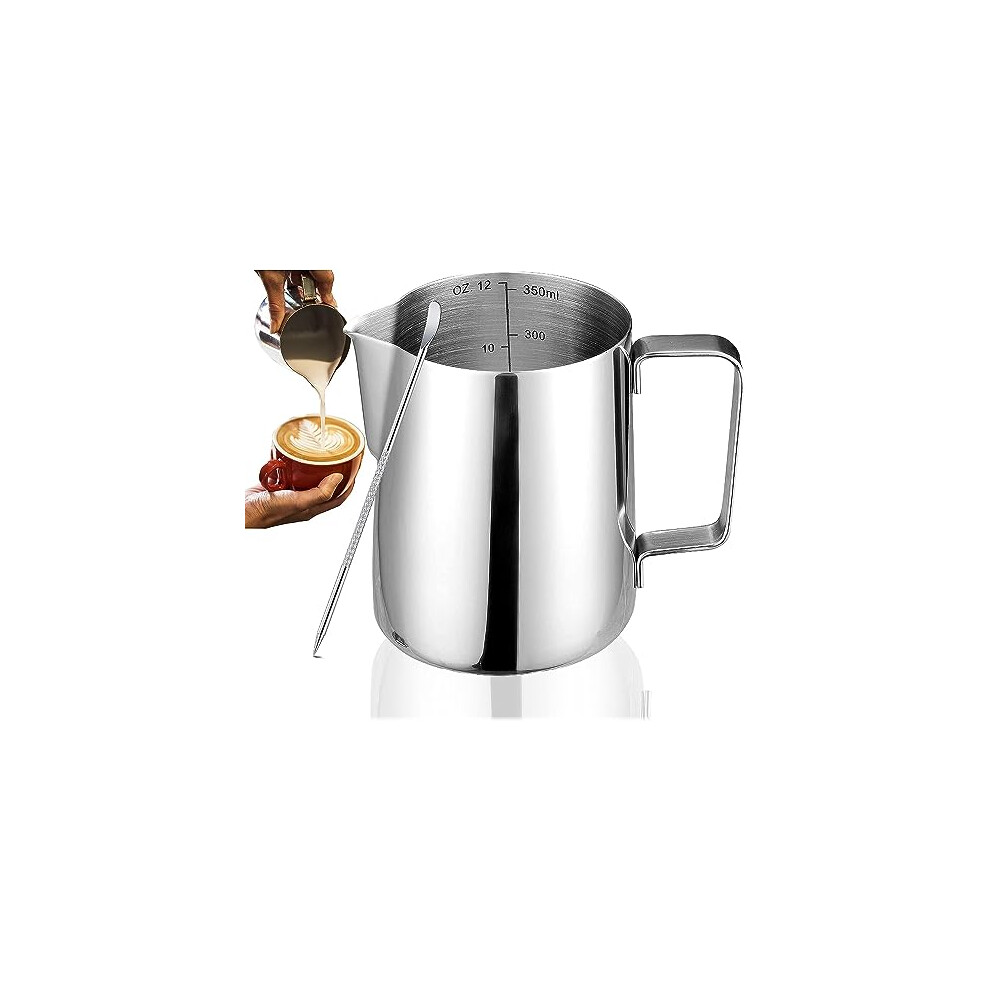
Frothing Pitchers
How to choose frothing pitchers
Sub-type and use
Pick Coffee Maker & Espresso Machine Accessories for steam wand use. Kitchen & Dining or Home & Garden sub-types suit table serving. Kitchen Appliance Accessories cover broader fits.
Material
Material drives use. Stainless steel for heat, silicone for cold, porcelain/stainless steel for teaware serving.
Capacity
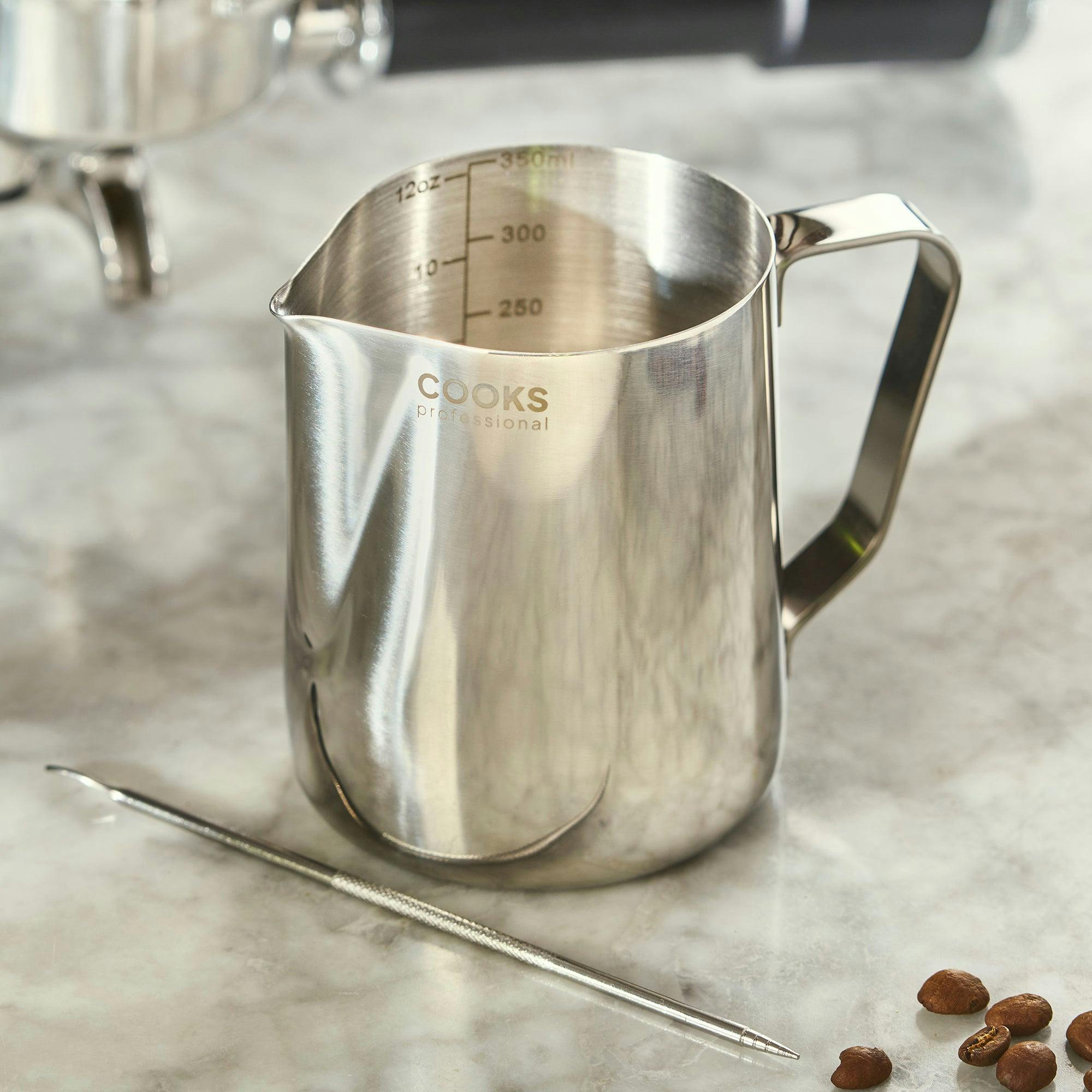
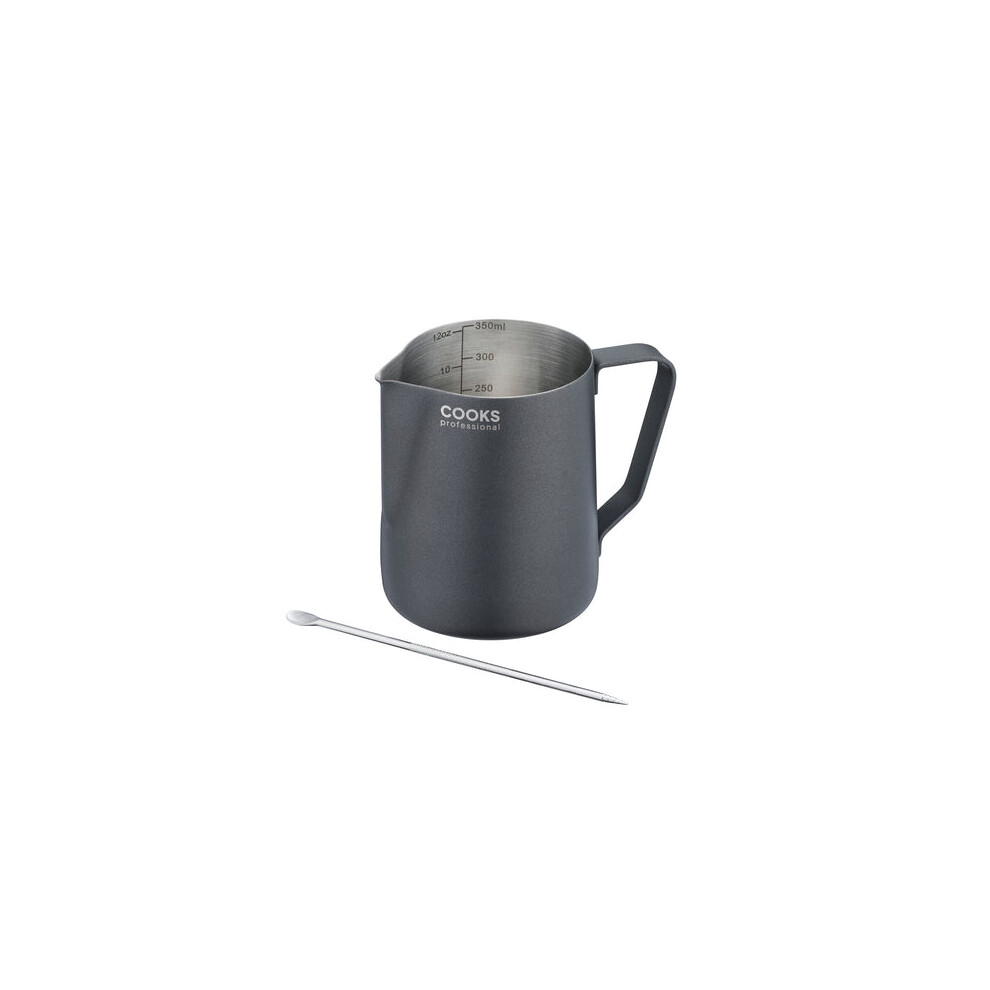
Size matters. A 350ml or 450ml pitcher suits home use, while 600ml fits busy households or practice.
Colour
Colour choices like cream, pink, or green let the pitcher match decor, but silver and black hide wear better.
Spout design
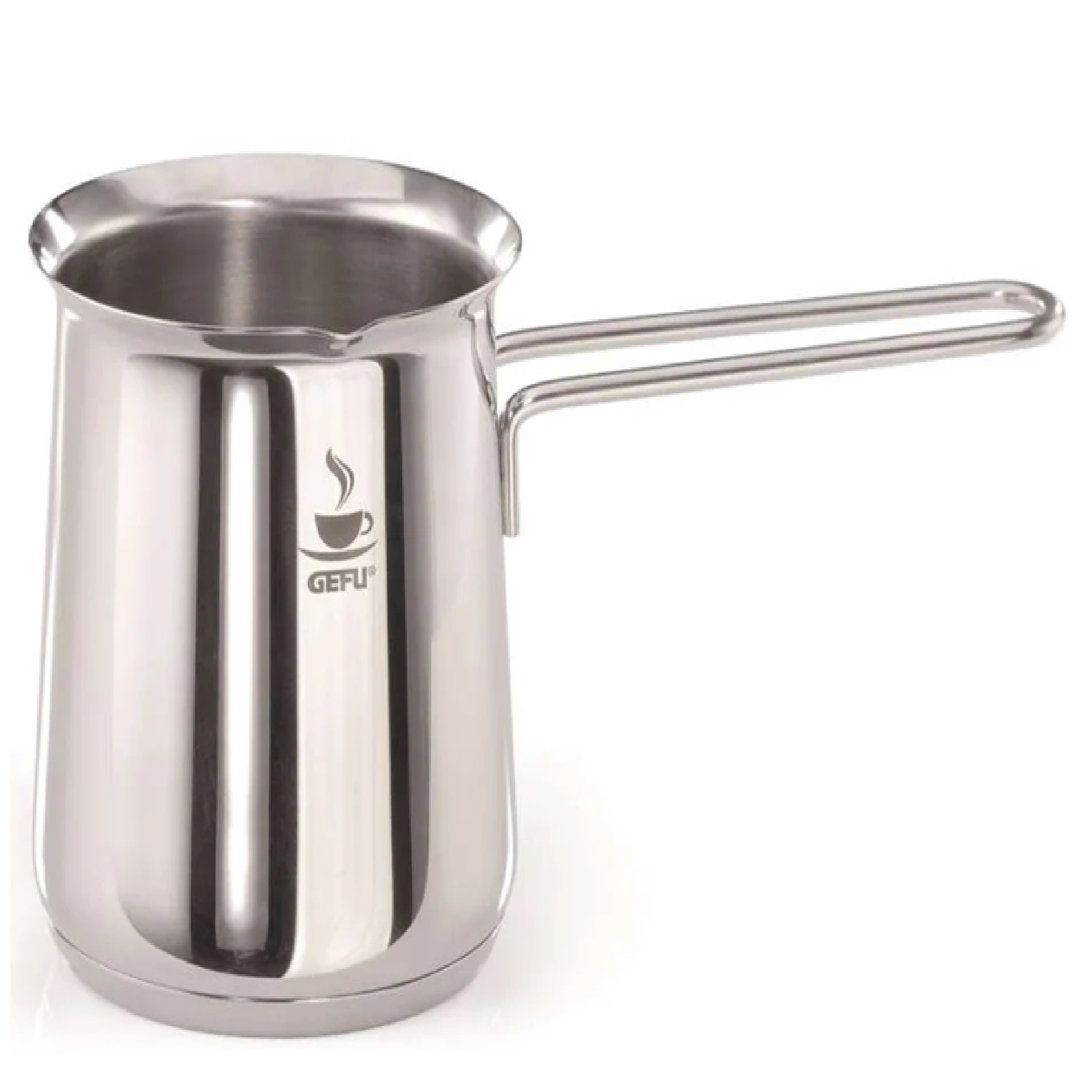
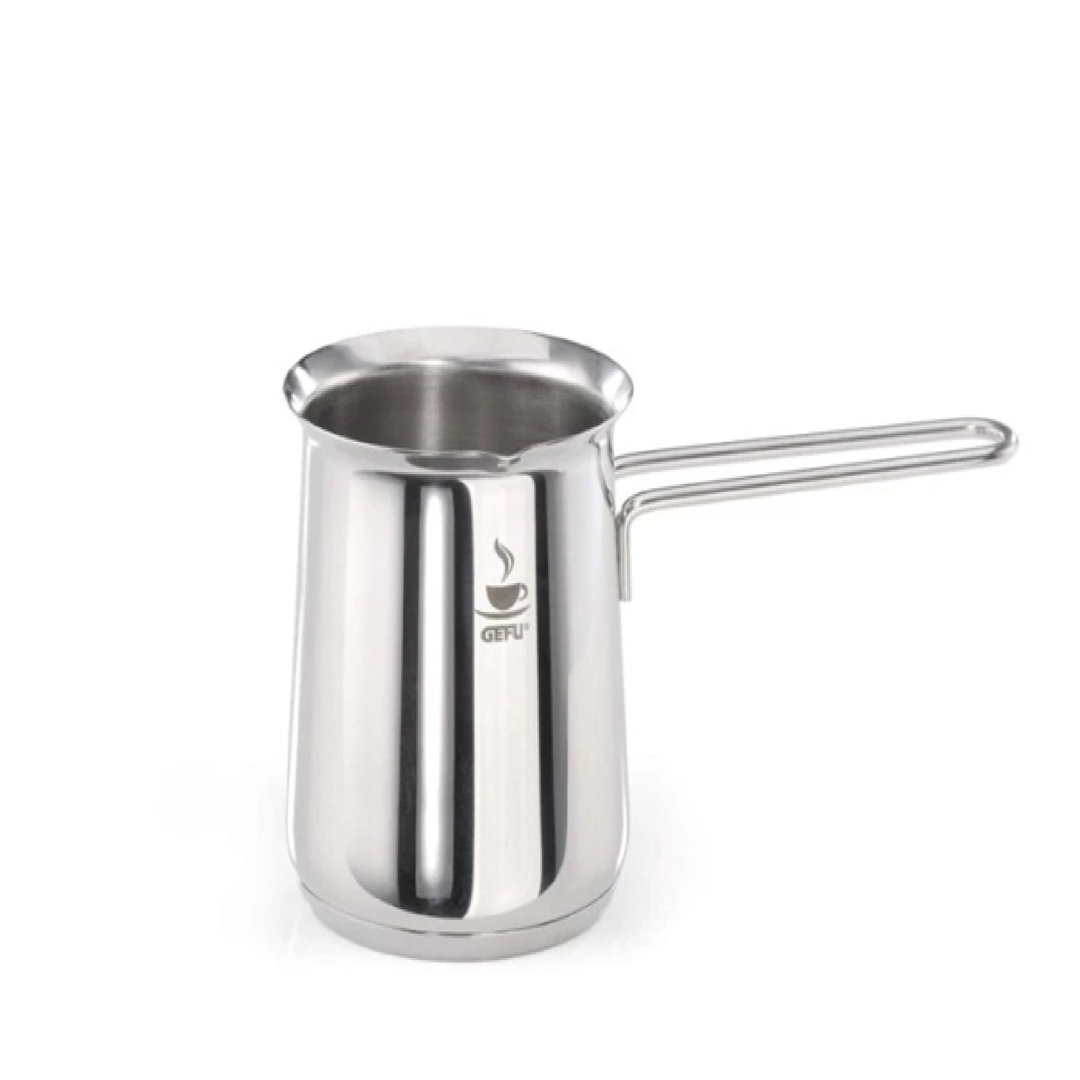
Spout shape is a real split. Round mouths suit pouring, pointed spouts suit latte art.
What's good
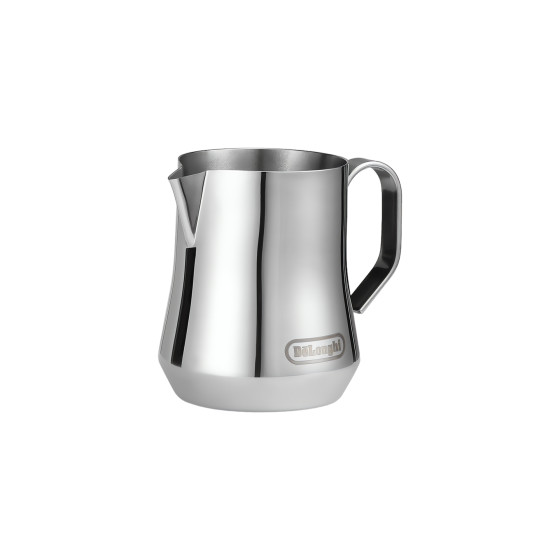
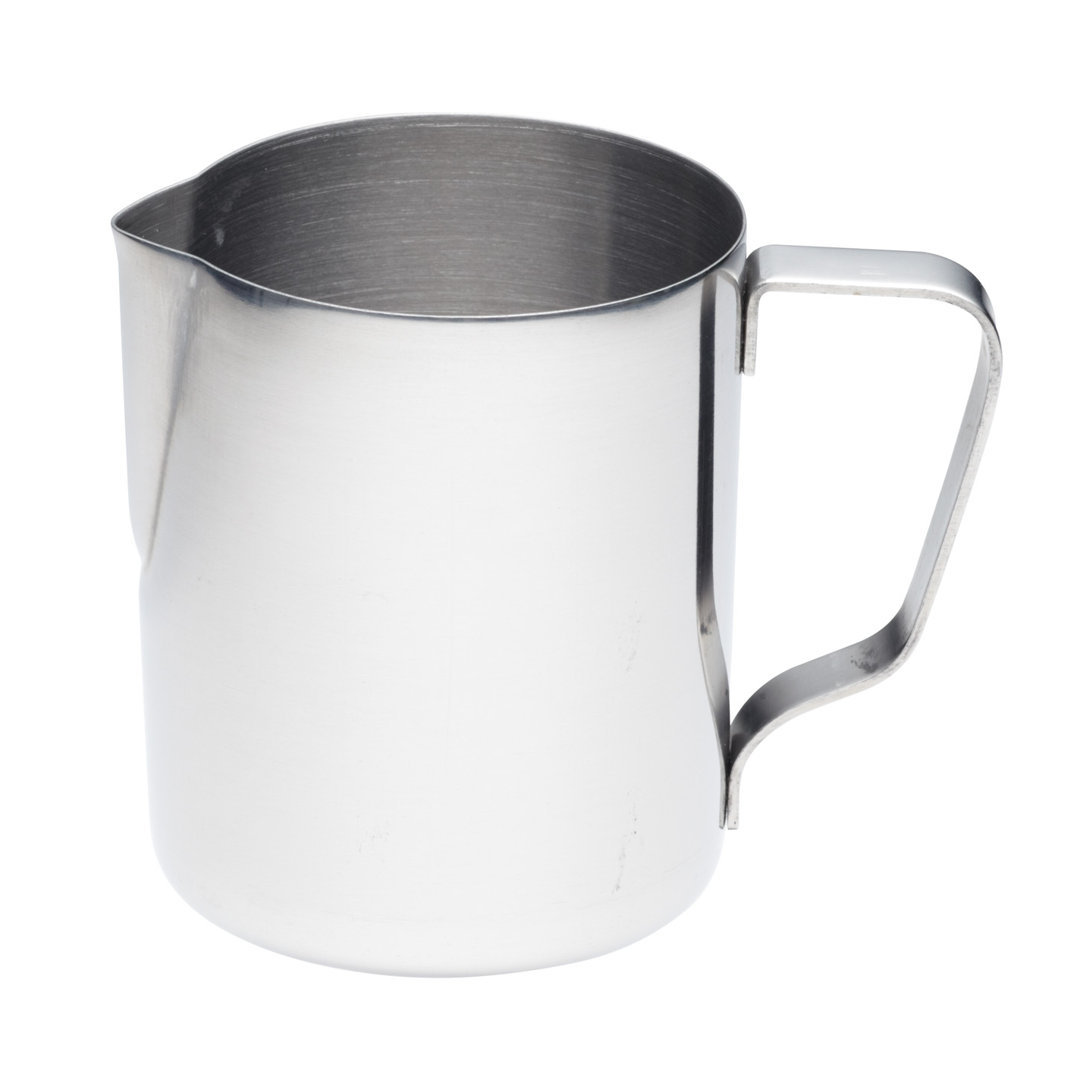
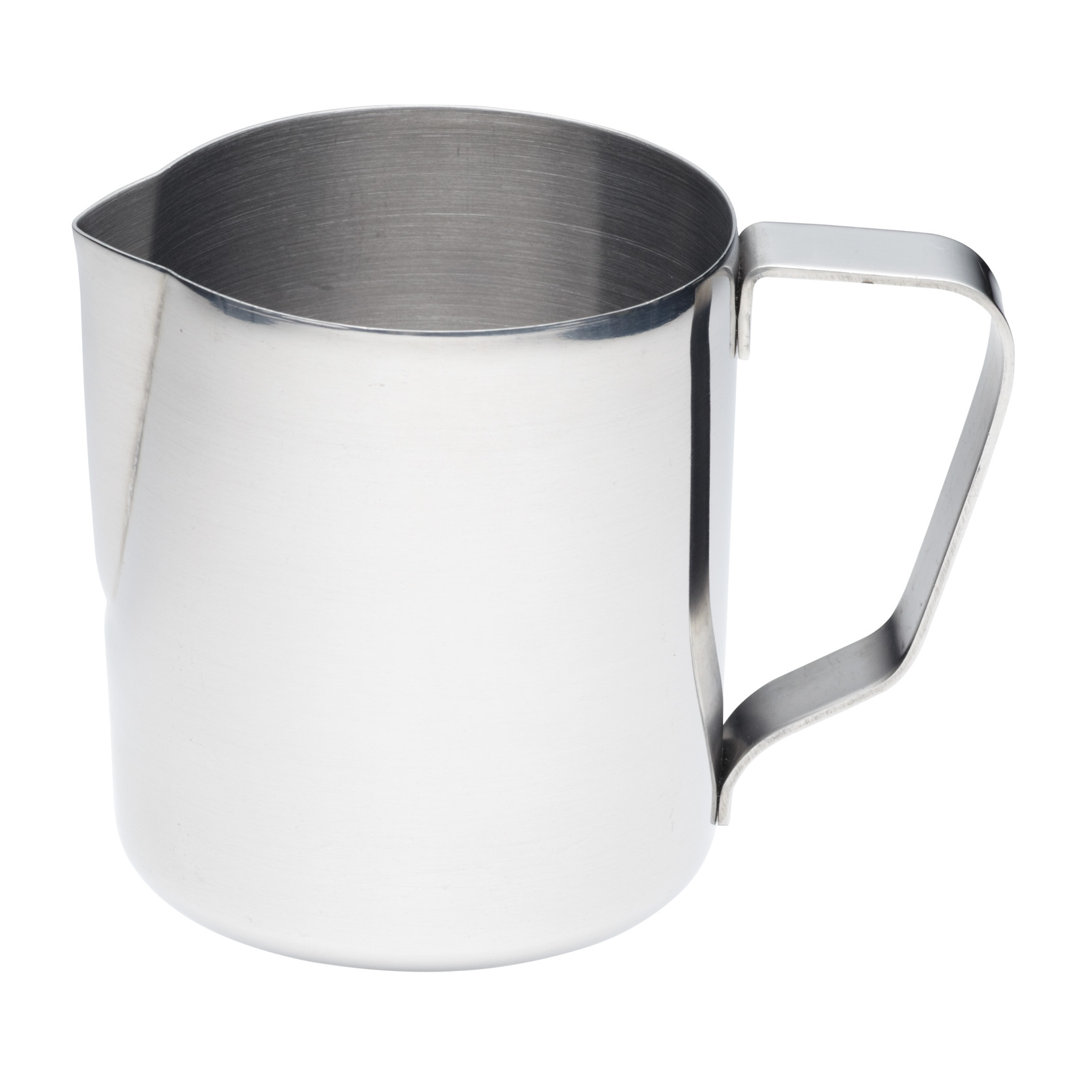
- Stainless steel pitchers with measurement marks suit espresso machine owners who steam milk often. They handle high heat without warping.
- Acrylic or silicone options in the Home & Garden sub-types are light and safe around kids, good for cold milk at the table.
- Copper and gold finished pitchers double as serving pieces for guests, fitting the Kitchen & Dining angle.
- Pitchers with pointed or slanted spouts help with latte art, a plus for home baristas wanting cafe-style drinks.
Things to watch
- Stainless steel shows fingerprints and needs polishing, which puts off buyers wanting low-maintenance kitchenware.
- Acrylic and rubber/plastic pitchers stain with coffee oils and cannot take steam wand heat, so they fail for actual frothing.
- Copper and gold finishes look smart but react with acidic liquids if not lined, making them risky for daily steaming.
- Small 350ml pitchers suit single shots but leave pro users short when making multiple lattes.
Care & maintenance
Rinse after steaming
Rinse stainless steel pitchers with warm water right after steaming to stop milk skin building up.
Hand wash soft materials
Hand wash acrylic and silicone types, as dishwashers can cloud the clear surfaces.
Dry wipe metals
Wipe copper or gold exteriors with a dry cloth to keep the shine without abrasive scrubs.
Check spout edges
Check spout edges on measurement pitchers for milk residue that blocks clean pours.
Frequently Asked Questions
What should I look for when buying frothing pitchers?
When shopping for frothing pitchers, consider factors such as quality, price, brand reputation, and customer reviews. Compare prices across multiple retailers to ensure you're getting the best deal. Look for products that match your specific needs and budget.
How do I choose the right frothing pitchers?
Choosing the right frothing pitchers depends on your individual needs, budget, and preferences. Research different options, read customer reviews, and compare specifications. Consider what features are most important to you and look for products that offer the best value for money.
Where can I find the best deals on frothing pitchers?
You can find the best deals on frothing pitchers by comparing prices across multiple retailers. Our price comparison tool helps you find the lowest prices from trusted UK retailers including Amazon, eBay, and other major online stores. Check regularly as prices and deals change frequently.
Are frothing pitchers products worth the investment?
The value of frothing pitchers products depends on your specific needs and how you plan to use them. Quality products from reputable brands often provide better long-term value, even if they cost more initially. Consider your budget and requirements when making your decision.
What's the difference between different types of frothing pitchers?
Different types of frothing pitchers vary in features, quality, price, and intended use. Some may offer premium features while others focus on affordability. Research the specific differences between models or brands to find the option that best suits your needs and budget.