Hazardous Waste Containers
How to choose hazardous waste containers
Capacity vs space
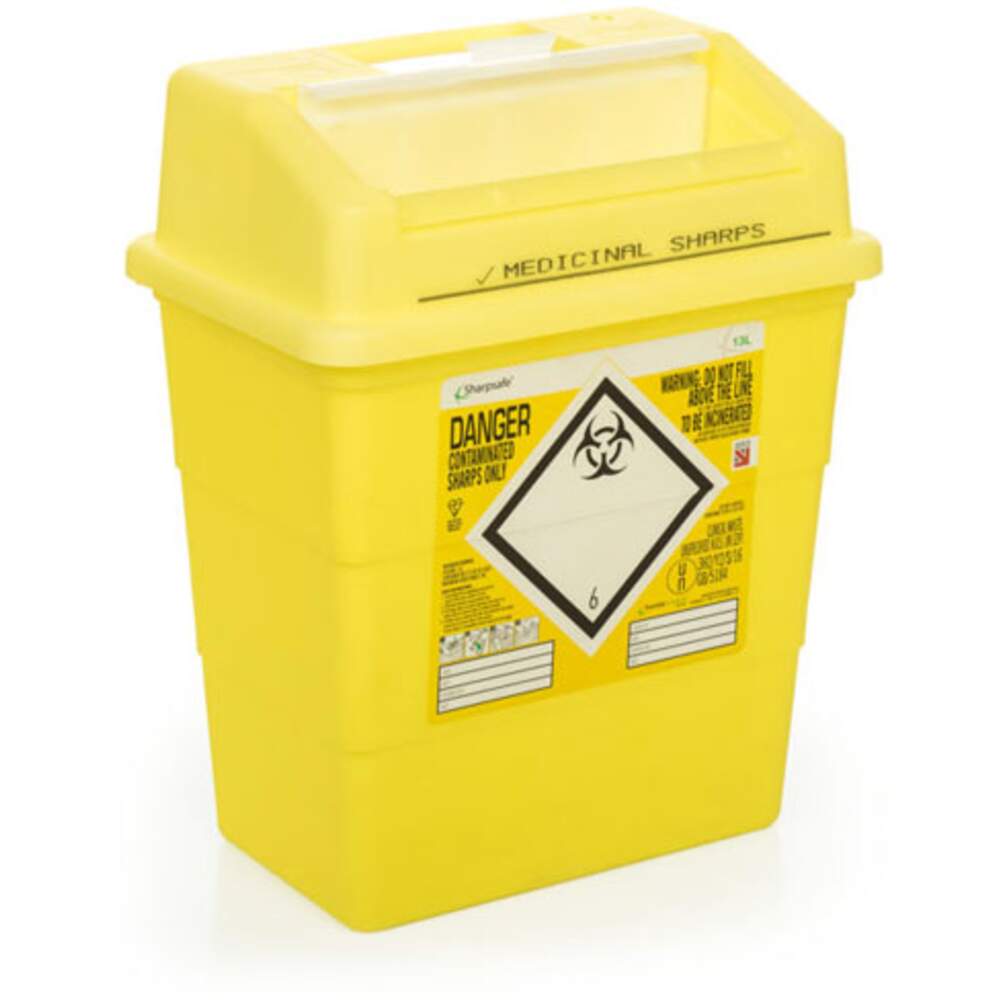
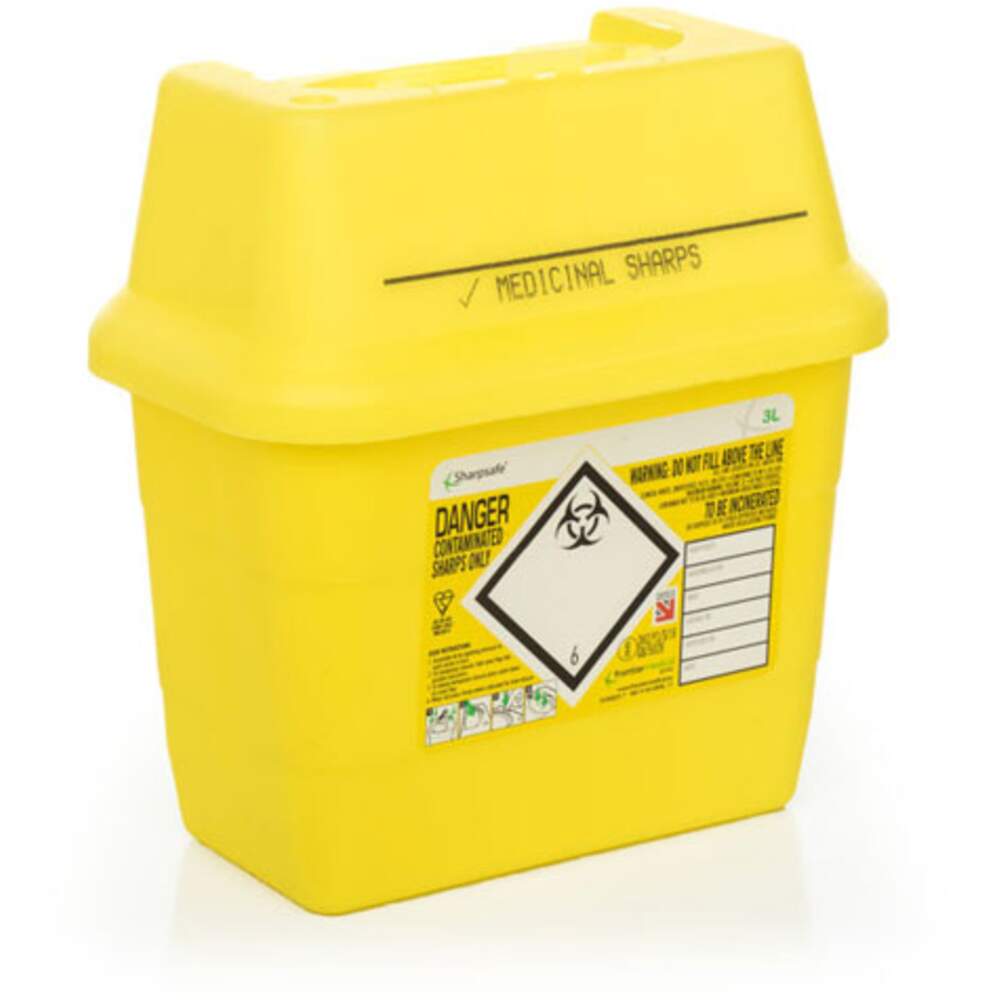
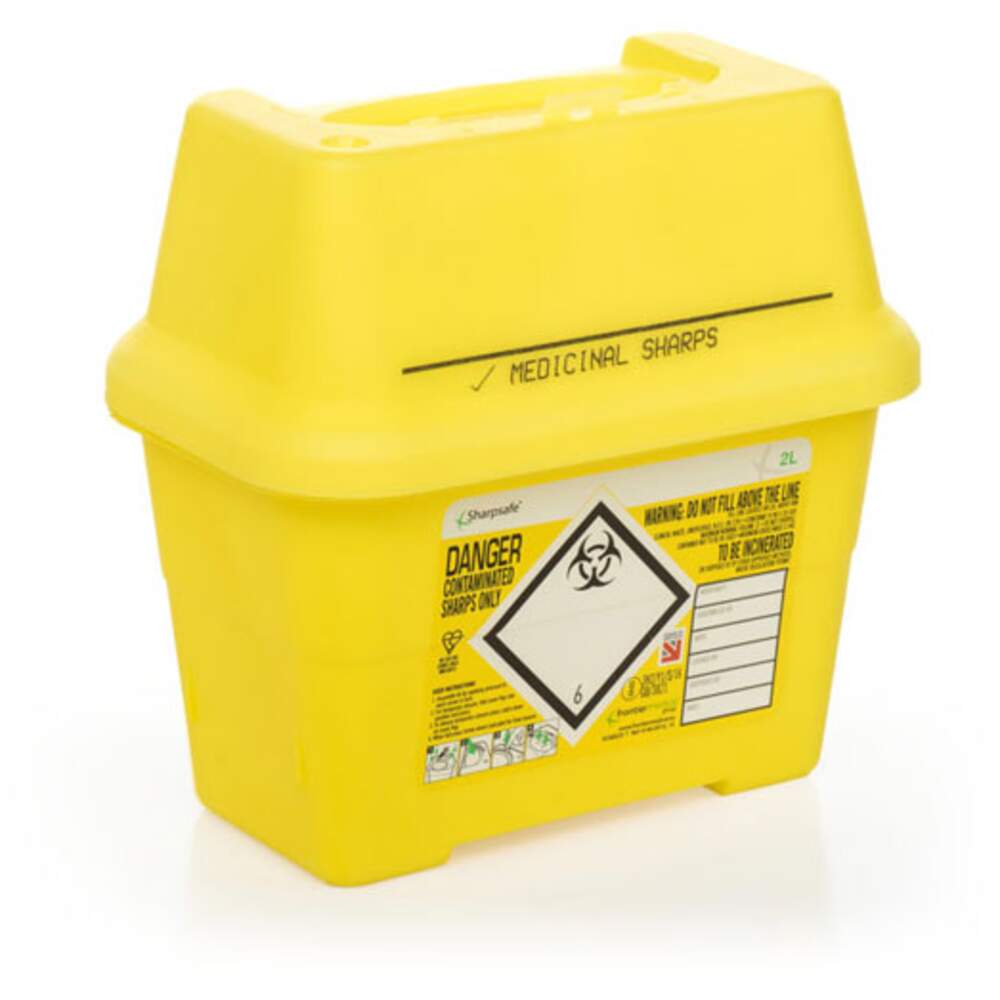
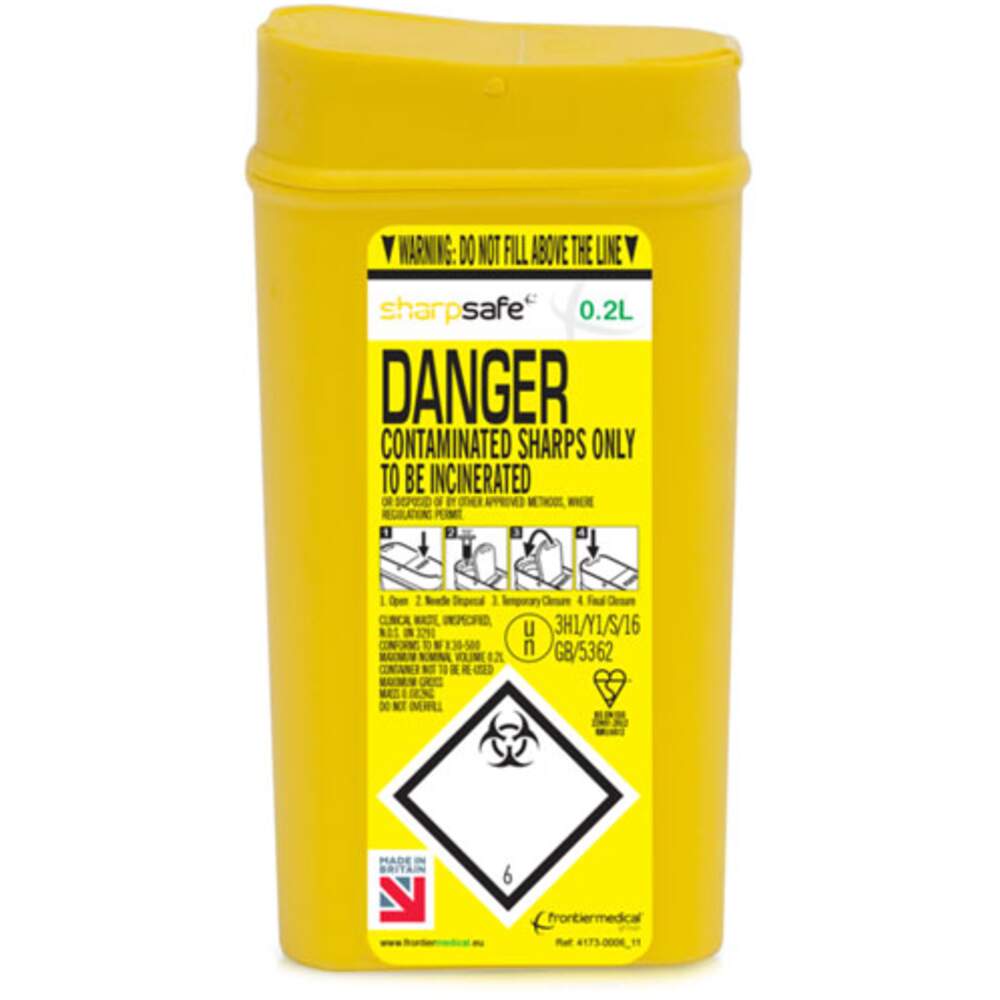
Sub-litre sharps bins suit personal use. The 24L to 30L waste containment units serve shared sites but eat floor area.
Material
Plastic and stainless steel lead in waste containment. Bamboo and tin appear in home and garden tiers where looks beat puncture resistance.
Colour
Yellow, orange, and purple mark hazardous streams. White or blue/black fit standard household supplies and sanitary use instead.
Lid type
Foot-pedal bins keep hands free but add a moving part to maintain. Sharps bins use a drop-flap that needs no pedal but limits access speed.
Sub-type fit
Home and garden pieces work as decor but are wrong for sharps. Pick waste containment types for rigid, hazardous items, then check the live grid for your spec.
What's good
- Colour-coded bins (yellow, purple, orange, blue/black) let you separate hazardous streams at a glance. Home carers handling mixed waste will like this.
- These bins are wrong for sites that need one clear stream per container.
- Sub-litre sharps bins fit wheelchair bags, small bathrooms, or travel kits. They are wrong for clinics with high footfall generating bulk volume.
- Stainless steel and tin builds resist dents and wipe clean faster than plastic. They suit busy washrooms.
- Cardboard and silicone options keep weight low for household supplies storage. They fold flat when empty.
Things to watch
- Large sharps bins (24L to 30L) need floor space and get heavy to lift when full. Skip them in compact flats.
- Bamboo or linen builds suit home and garden decor but will not stop a needle puncture. Avoid them for waste containment of sharp items.
- White or light/blue bins show scuffs quicker than black or grey/purple units. They are wrong for dim corridors where marks stay unseen.
- Cardboard containers handle dry items only. They fail with liquids or rough edges.
Care & maintenance
Wipe stainless steel and plastic surfaces
Wipe stainless steel and plastic surfaces with a damp cloth to stop residue build-up.
Check pedal mechanisms
Check pedal mechanisms on sanitary bins monthly. Tighten loose hinges before they jam.
Swap liners
Swap liners in 20L to 22L sanitary bins often to keep odour down.
Store unused bins
Store unused cardboard or silicone bins flat and dry until needed.
Frequently Asked Questions
What should I look for when buying hazardous waste containers?
When shopping for hazardous waste containers, consider factors such as quality, price, brand reputation, and customer reviews. Compare prices across multiple retailers to ensure you're getting the best deal. Look for products that match your specific needs and budget.
How do I choose the right hazardous waste containers?
Choosing the right hazardous waste containers depends on your individual needs, budget, and preferences. Research different options, read customer reviews, and compare specifications. Consider what features are most important to you and look for products that offer the best value for money.
Where can I find the best deals on hazardous waste containers?
You can find the best deals on hazardous waste containers by comparing prices across multiple retailers. Our price comparison tool helps you find the lowest prices from trusted UK retailers including Amazon, eBay, and other major online stores. Check regularly as prices and deals change frequently.
Are hazardous waste containers products worth the investment?
The value of hazardous waste containers products depends on your specific needs and how you plan to use them. Quality products from reputable brands often provide better long-term value, even if they cost more initially. Consider your budget and requirements when making your decision.
What's the difference between different types of hazardous waste containers?
Different types of hazardous waste containers vary in features, quality, price, and intended use. Some may offer premium features while others focus on affordability. Research the specific differences between models or brands to find the option that best suits your needs and budget.