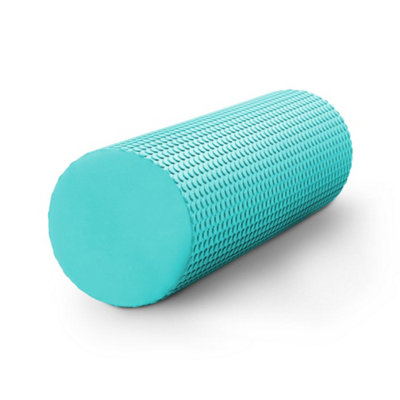
Foam Rollers
How to choose foam rollers
Length
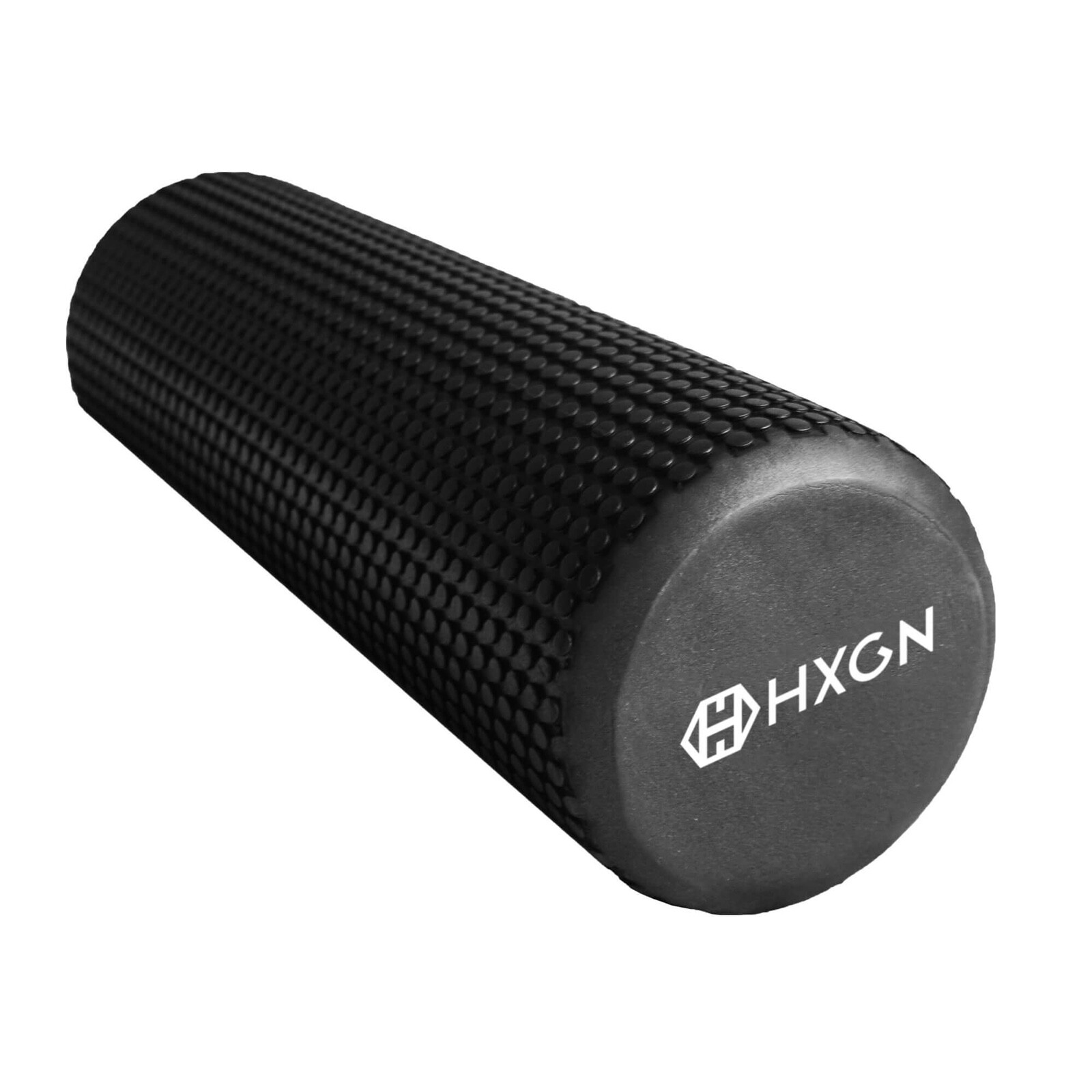
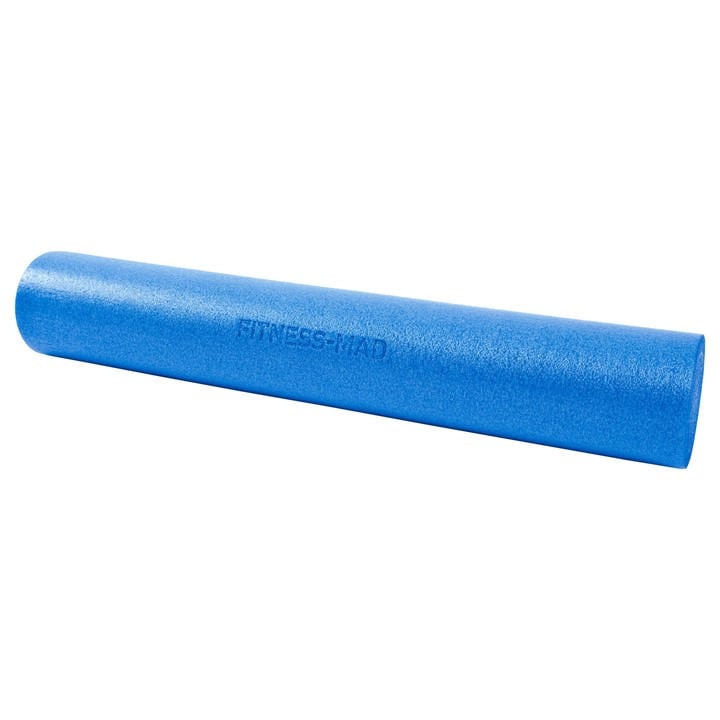
Length matters. Choose 30 to 33 cm for sporting goods travel, or 45 cm for full-length exercise & fitness coverage at home.
Density and surface
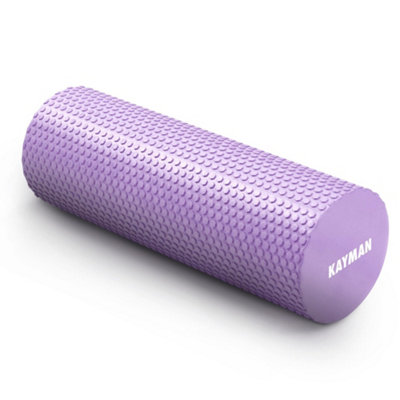
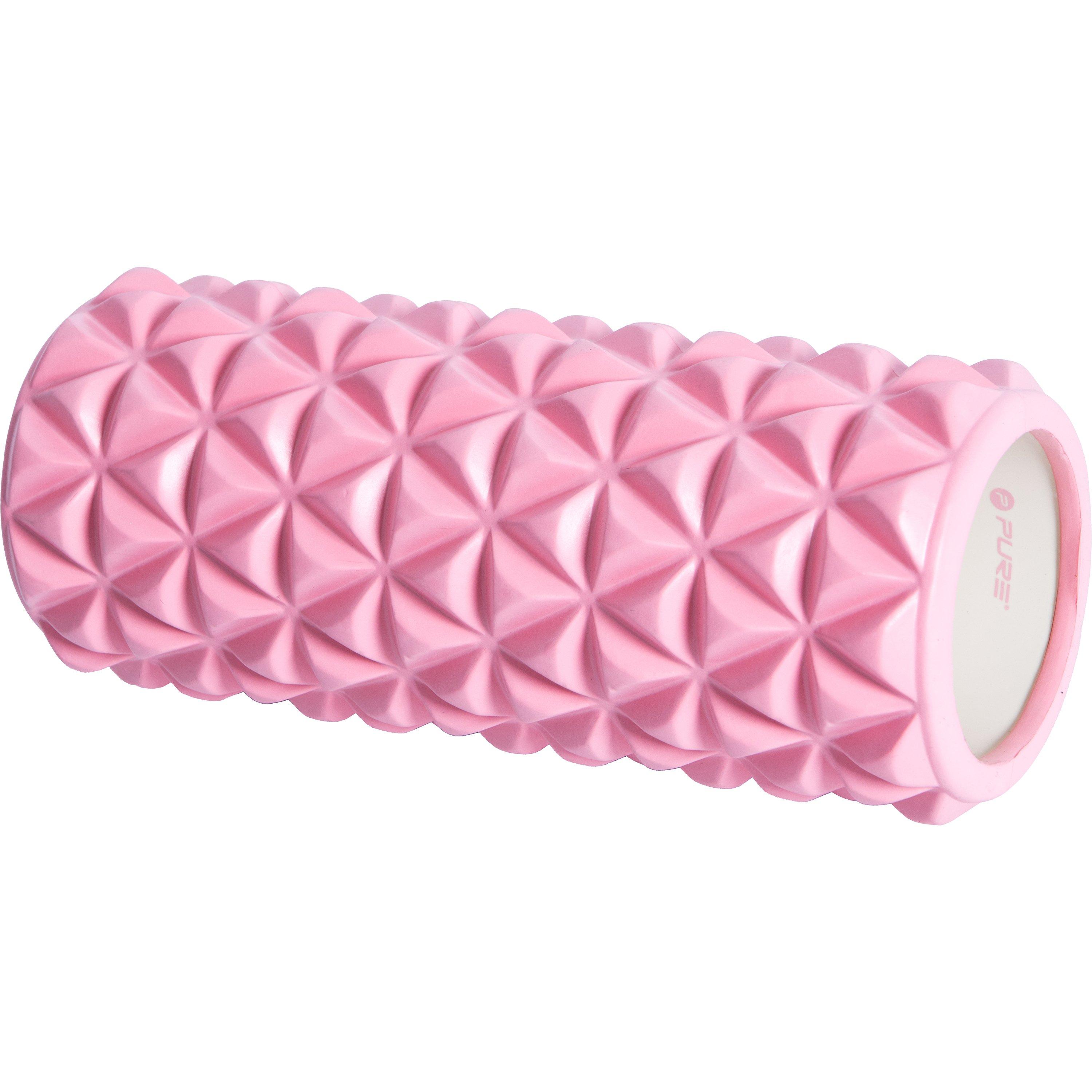
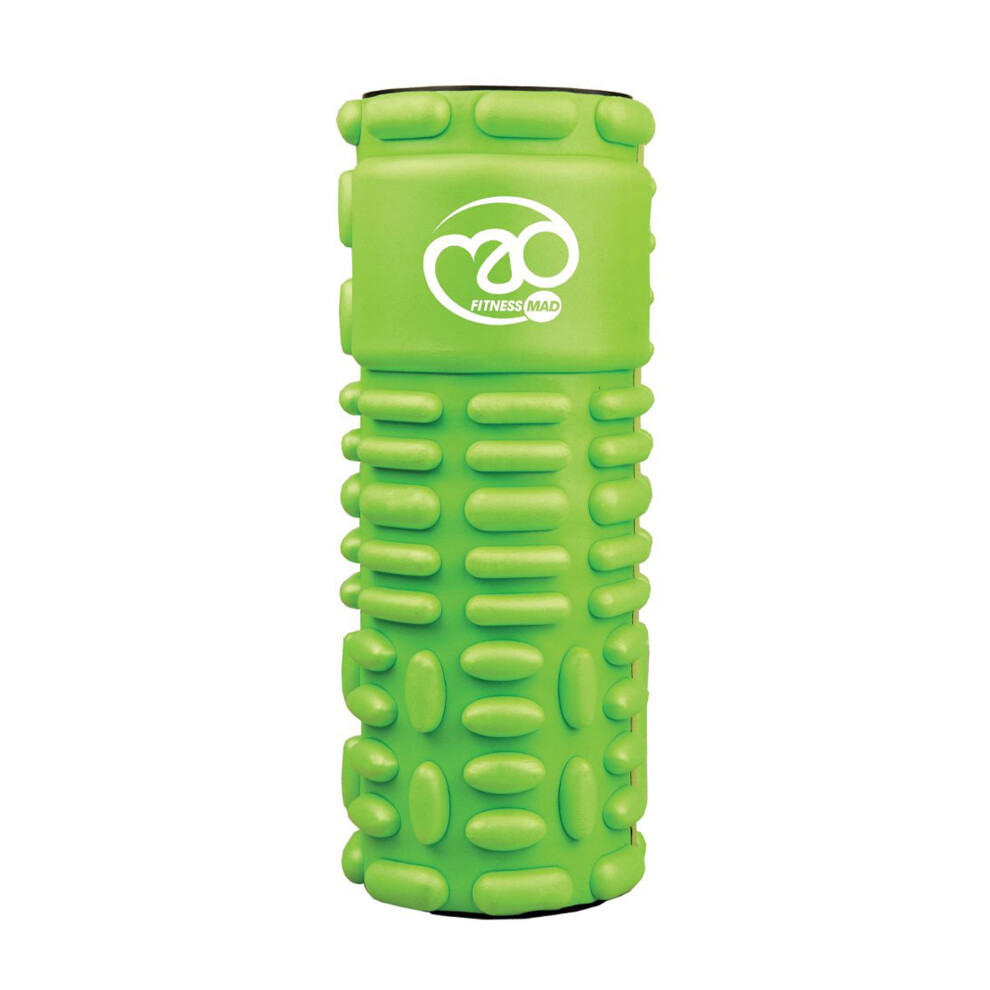
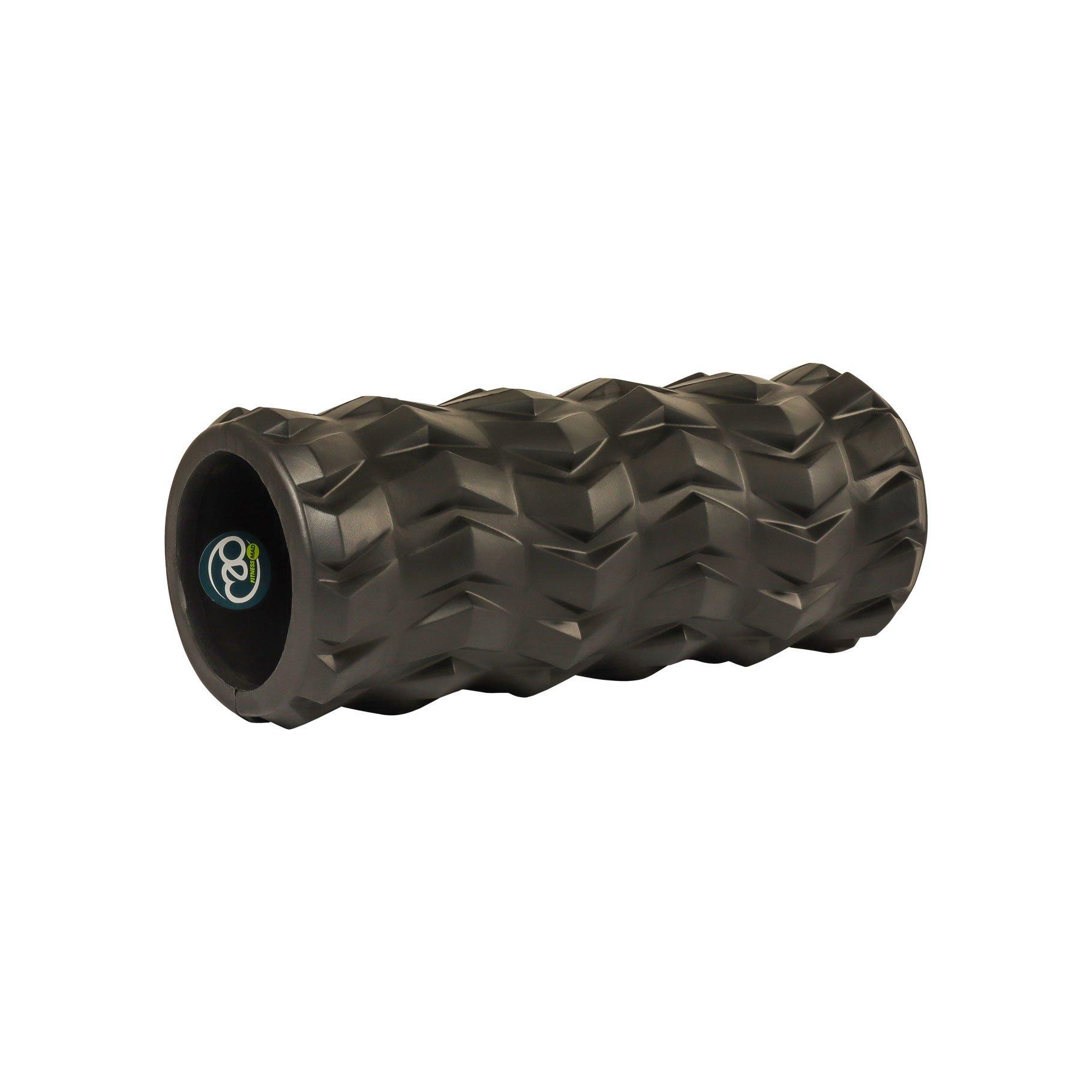
Density and surface. Medium foam eases DOMS gently. Textured deep tissue types work harder but suit seasoned users.
Form factor
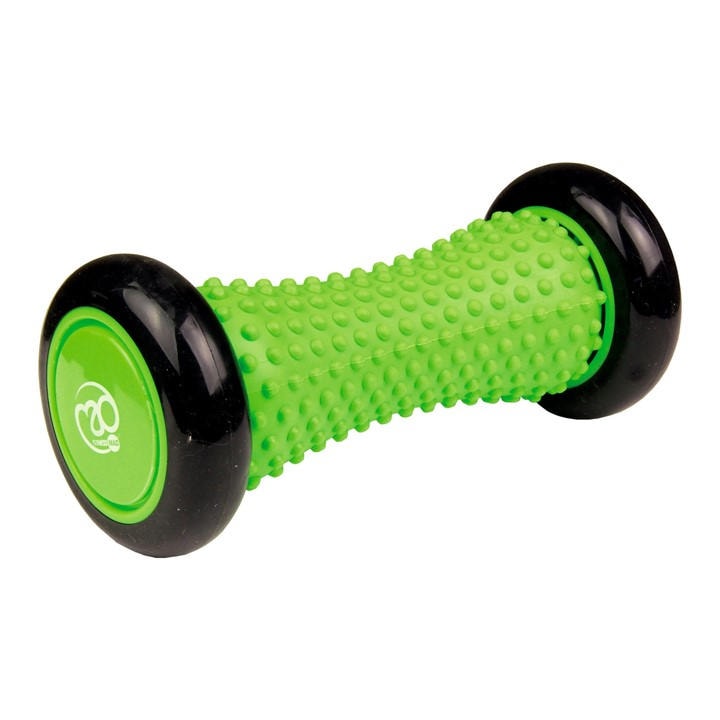
Form factor. A foot roller solves heel pain but cannot replace a body roller, so some buyers keep both.
Material
Material. Foam and EVA cushion the muscle. Silicone, plastic, rubber, wood or acrylic give firmer contact and shift the care routine.
Colour
Colour. Dark shades hide marks over months. White or bright colours look fresh at first but need more frequent wipes.
What's good
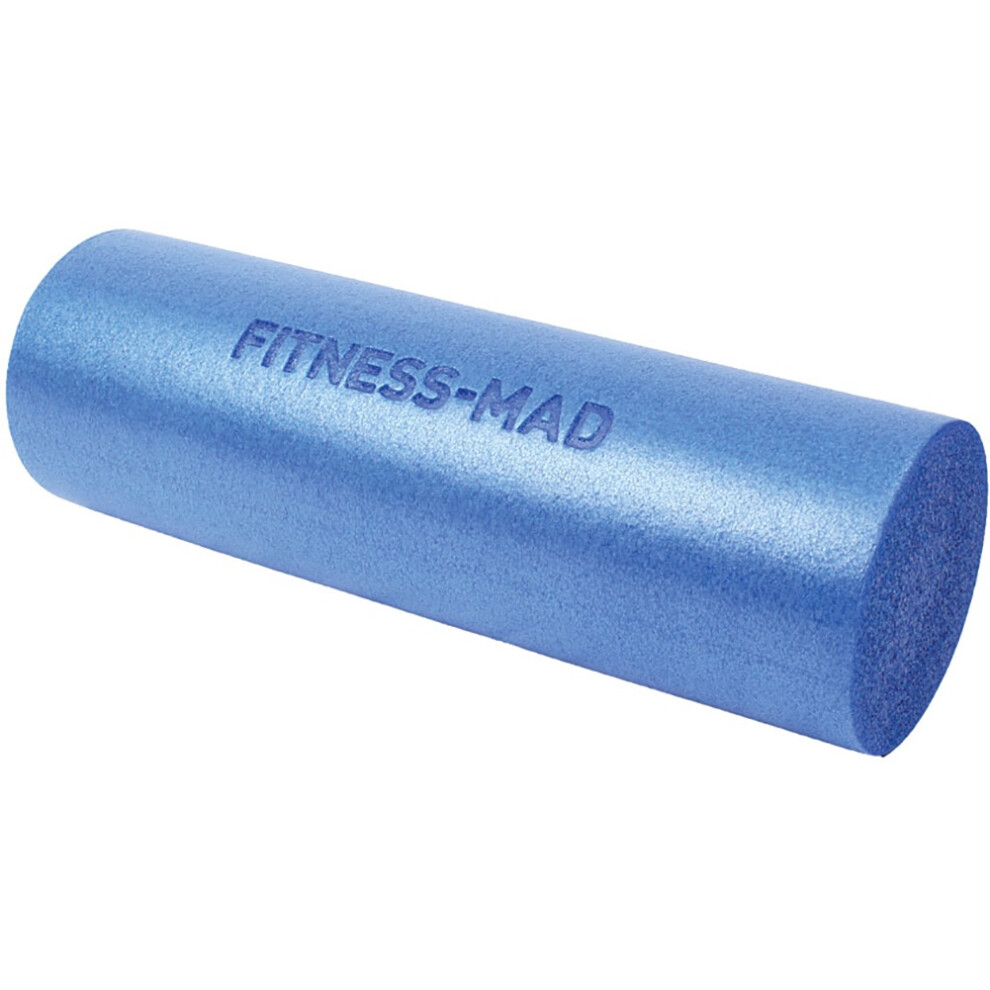
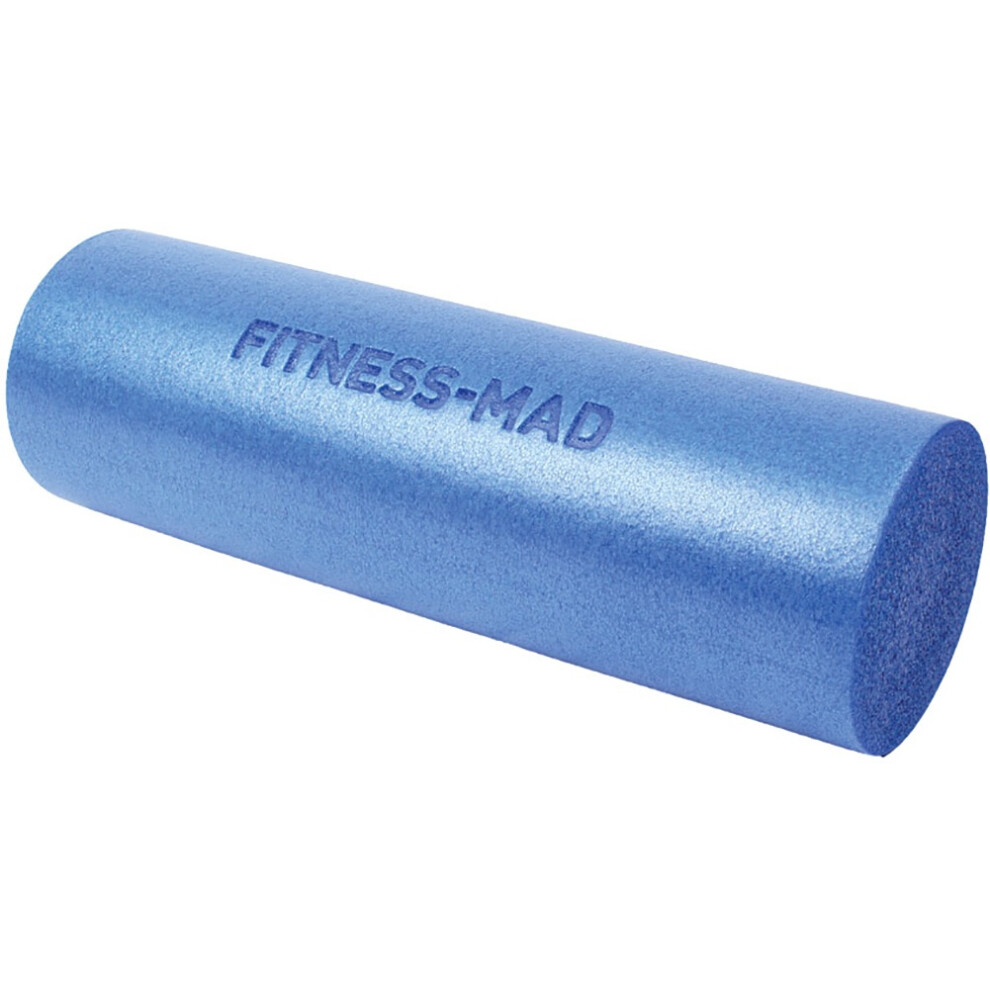
- A 45 cm medium density EPE foam roller supports the whole back and legs in one roll, a solid pick for exercise & fitness routines.
- Compact 30 to 33 cm rollers fit in a kit bag for sporting goods trips, giving muscle relief without the bulk.
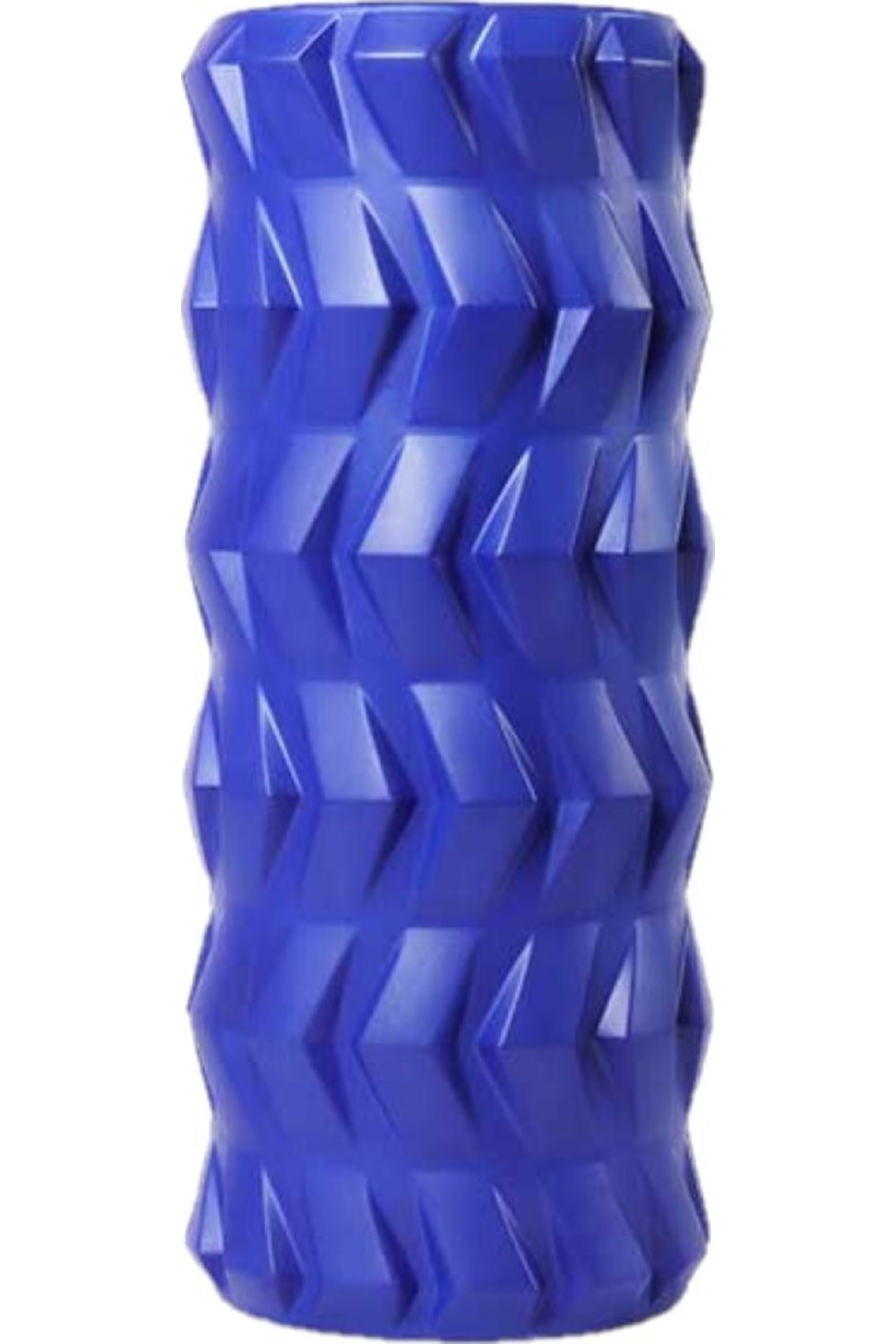
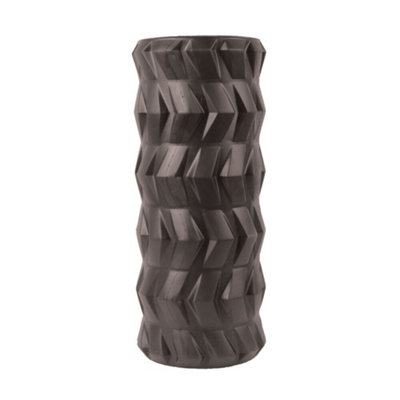
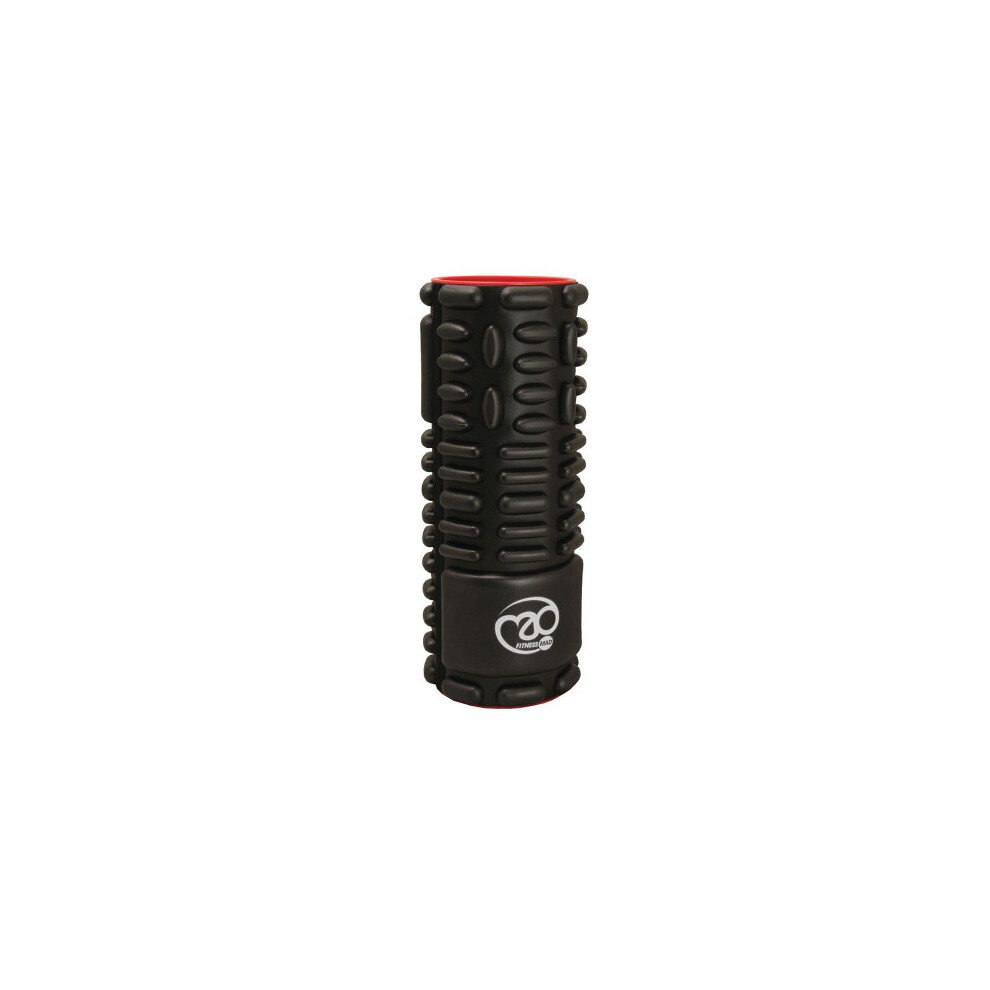
- Textured tread or deep massage rollers reach trigger points that smooth foam can't, helping experienced users target tight spots.
- Small foot rollers handle plantar fasciitis and arch pain, a job a standard cylinder cannot do.
- Colour choice is wide, from black and grey to pink and orange, so the tool can match your gym kit.
Things to watch
- A 45 cm roller is awkward on a packed gym floor or on public transport, so it suits home or car-boot use only.
- Deep tissue textures feel intense on bare skin, and beginners may prefer medium foam despite its less precise pressure.
- Foot rollers only treat feet, leaving thighs and back untouched, so they are an add-on rather than a main roller.
- Foam and EVA tiers can dent if stored under heavy kit, while harder plastic or wood versions avoid dents but bruise soft tissue if rushed.
- Light colours like white or pink show dirt and sweat faster than black or grey foam.
Care & maintenance
Foam and EVA
Wipe foam and EVA rollers with a damp cloth and a little mild soap, then leave them to air dry away from radiators.
Silicone or plastic
Rinse silicone or plastic foot rollers under the tap, but skip scouring pads that mark the surface.
Wood or aluminium
Wood or aluminium rollers need a dry soft cloth after use, since trapped moisture can warp or tarnish them.
Storage
Keep any roller lying flat, with nothing heavy on top, to preserve the round shape.
Frequently Asked Questions
What should I look for when buying foam rollers?
When shopping for foam rollers, consider factors such as quality, price, brand reputation, and customer reviews. Compare prices across multiple retailers to ensure you're getting the best deal. Look for products that match your specific needs and budget.
How do I choose the right foam rollers?
Choosing the right foam rollers depends on your individual needs, budget, and preferences. Research different options, read customer reviews, and compare specifications. Consider what features are most important to you and look for products that offer the best value for money.
Where can I find the best deals on foam rollers?
You can find the best deals on foam rollers by comparing prices across multiple retailers. Our price comparison tool helps you find the lowest prices from trusted UK retailers including Amazon, eBay, and other major online stores. Check regularly as prices and deals change frequently.
Are foam rollers products worth the investment?
The value of foam rollers products depends on your specific needs and how you plan to use them. Quality products from reputable brands often provide better long-term value, even if they cost more initially. Consider your budget and requirements when making your decision.
What's the difference between different types of foam rollers?
Different types of foam rollers vary in features, quality, price, and intended use. Some may offer premium features while others focus on affordability. Research the specific differences between models or brands to find the option that best suits your needs and budget.