Flour Sifters
How to choose flour sifters
Size and task
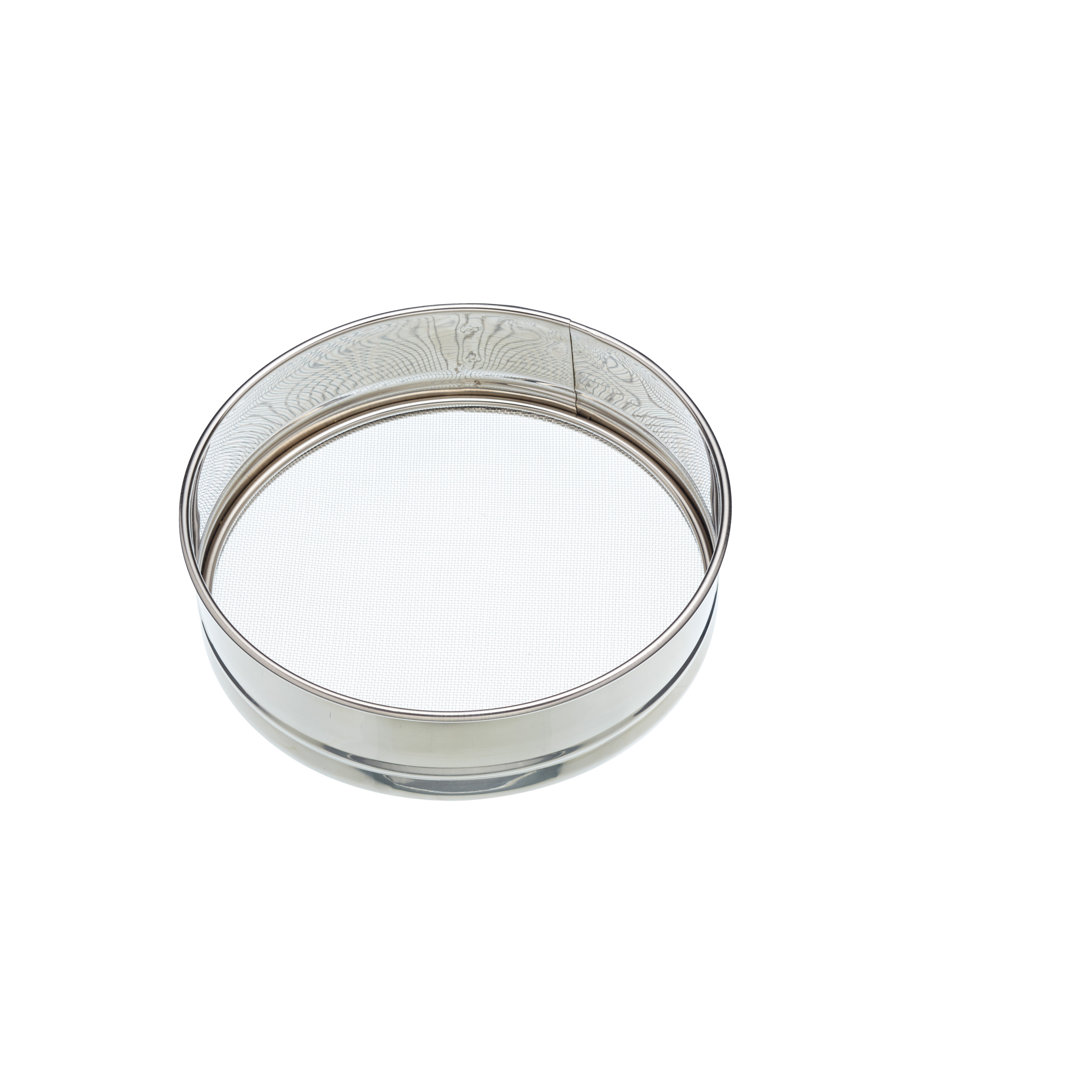
Size matters. A 9cm shaker suits occasional sugar dusting, while a 31.5cm sieve serves weekly baking.
Build material
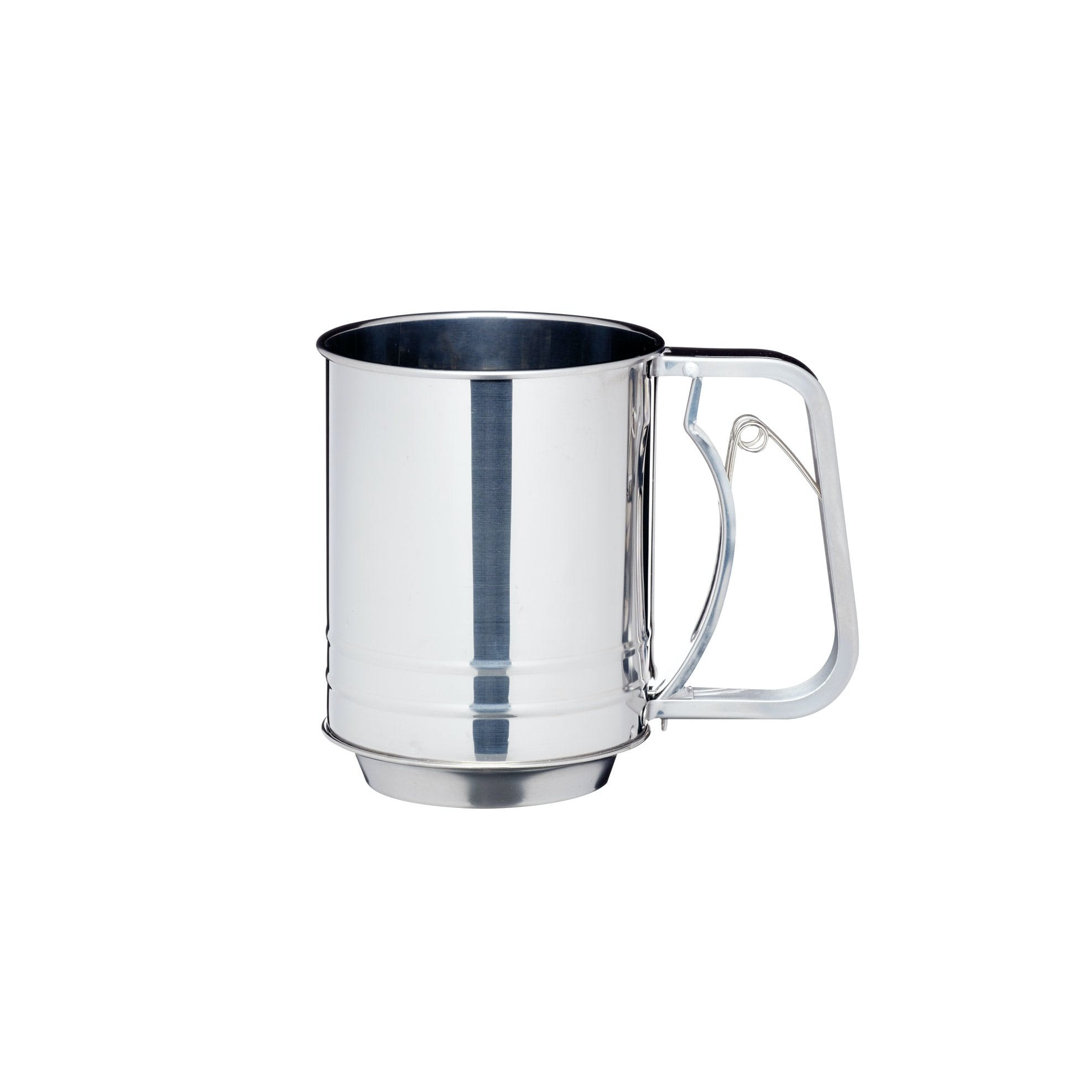
Material choice pits weight against longevity. Stainless steel with plastic handle is light, but all-metal builds survive more cycles.
Handheld versus rotary
Mechanism decides effort. Static handheld sieves clean in seconds, rotary cranks save arm work but add parts to scrub.
Colour and sub-type
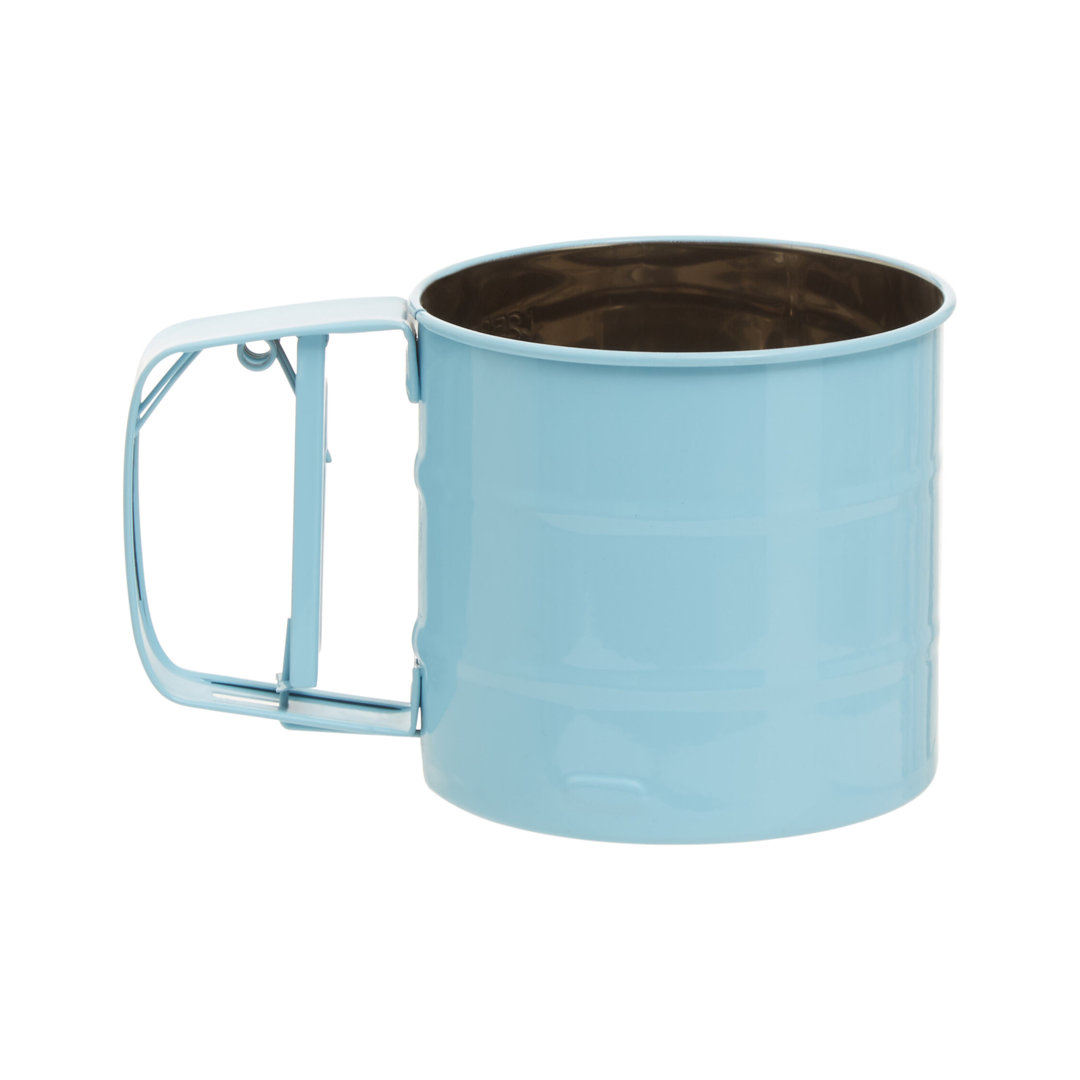
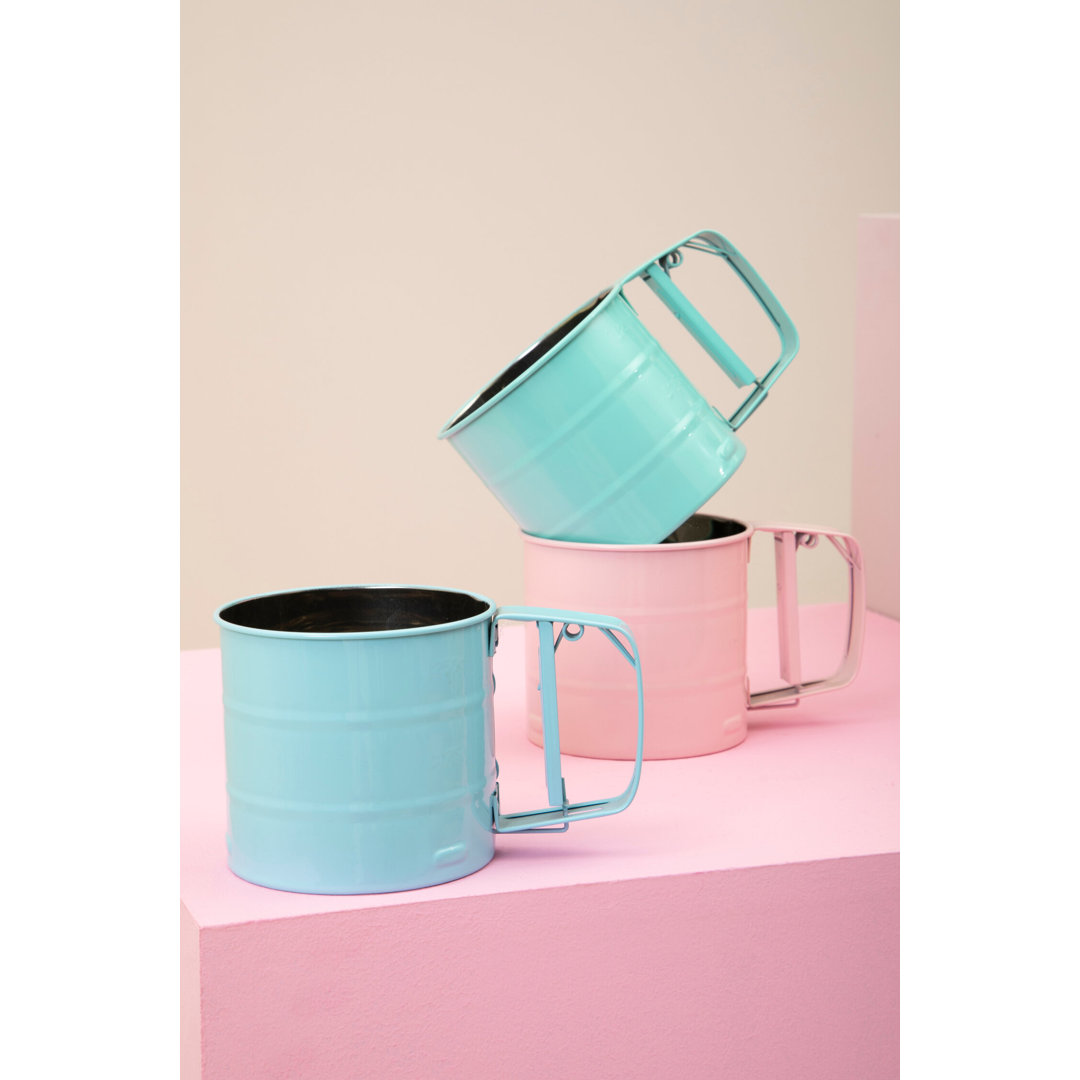
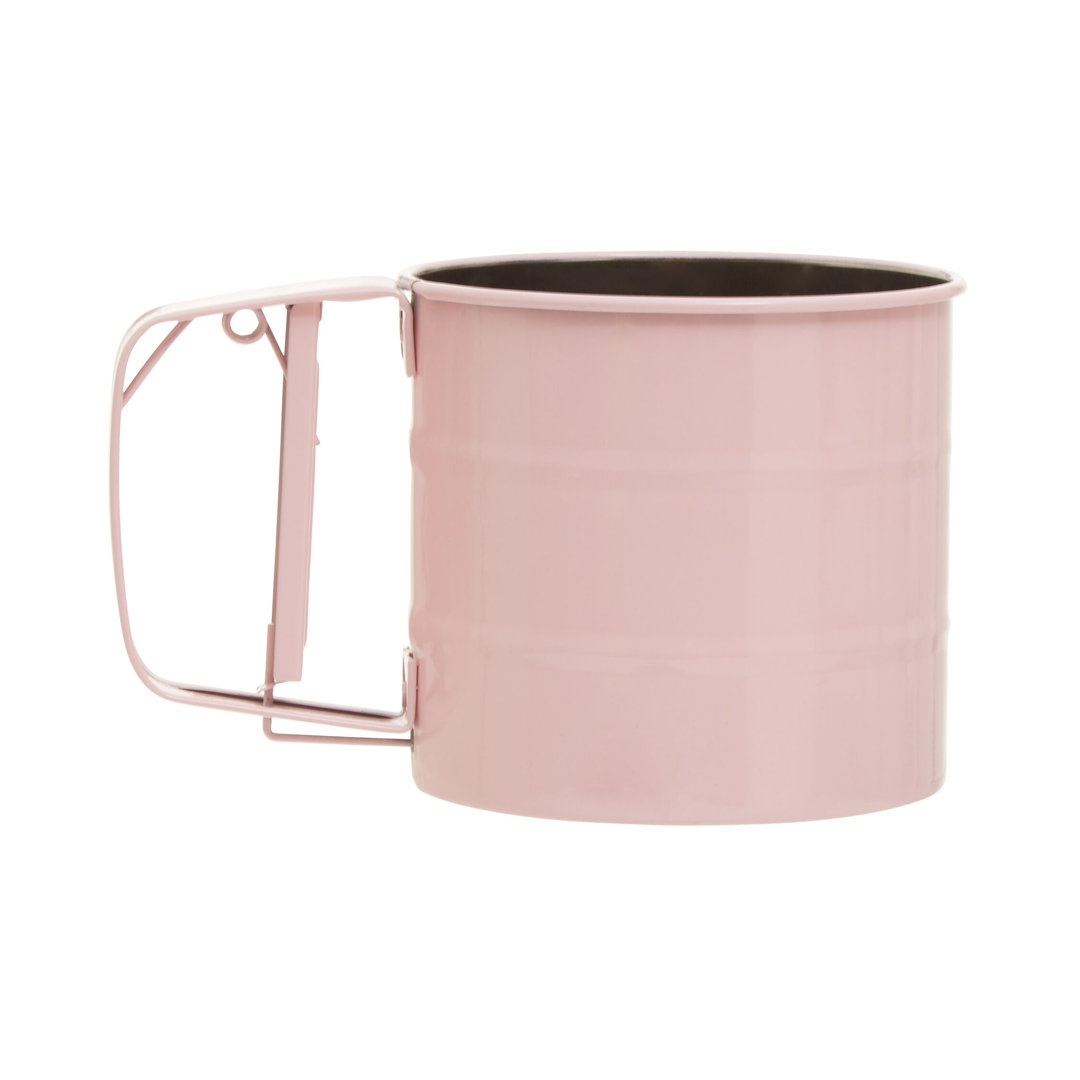
Colour and sub-type placement affect mood and use. Pastel green or pink units lift a Kitchen & Dining space, while Home & Garden listings may favour larger plain steel tools.
What's good
- Handheld stainless steel fine-mesh sifters from the Kitchen Tools & Utensils sub-type give tight control for icing sugar and small flour jobs. They weigh little and store in a drawer.
- Mechanical rotary sifters with clear cups, seen in Kitchen & Dining, suit bakers handling larger batches. The crank turns flour without constant hand shaking, which cuts fatigue.
- Sieve sets with plastic handles and stabilising hooks pack three sizes in one. You get an 8cm, 15cm and 18cm option for rinsing grains or sifting cocoa.
- Large extra fine mesh sieves around 31.5cm clear big volumes of tapioca or flour quickly. Their stainless steel build resists warping under heavy use.
Things to watch
- Plastic or polypropylene handles lighten a sieve but can flex if you press wet fruit through the mesh. All-steel versions feel firmer yet heavier.
- Rotary sifters hold more flour but the crank housing traps powder. They take longer to wash than a simple screen.
- Small 150 mesh screens sift very fine powder yet block fast with damp mixes. They are wrong for coarse polenta or wet batter.
- Coloured finishes like red, green or golden look bright but show flour marks and fingerprints. Plain silver steel stays neutral in a busy kitchen.
Care & maintenance
Rinse promptly
Rinse the stainless steel mesh under warm water right after use so dough does not set in the weave.
Dry rotary parts
For rotary types, open the cup and crank if the design allows, then dry the steel parts to prevent rust.
Avoid heat on plastic
Keep polypropylene or nylon parts out of high heat if the listing warns, as warping can spoil the fit.
Store with care
Store sieves flat or hung so the fine mesh keeps its round shape.
Frequently Asked Questions
What should I look for when buying flour sifters?
When shopping for flour sifters, consider factors such as quality, price, brand reputation, and customer reviews. Compare prices across multiple retailers to ensure you're getting the best deal. Look for products that match your specific needs and budget.
How do I choose the right flour sifters?
Choosing the right flour sifters depends on your individual needs, budget, and preferences. Research different options, read customer reviews, and compare specifications. Consider what features are most important to you and look for products that offer the best value for money.
Where can I find the best deals on flour sifters?
You can find the best deals on flour sifters by comparing prices across multiple retailers. Our price comparison tool helps you find the lowest prices from trusted UK retailers including Amazon, eBay, and other major online stores. Check regularly as prices and deals change frequently.
Are flour sifters products worth the investment?
The value of flour sifters products depends on your specific needs and how you plan to use them. Quality products from reputable brands often provide better long-term value, even if they cost more initially. Consider your budget and requirements when making your decision.
What's the difference between different types of flour sifters?
Different types of flour sifters vary in features, quality, price, and intended use. Some may offer premium features while others focus on affordability. Research the specific differences between models or brands to find the option that best suits your needs and budget.