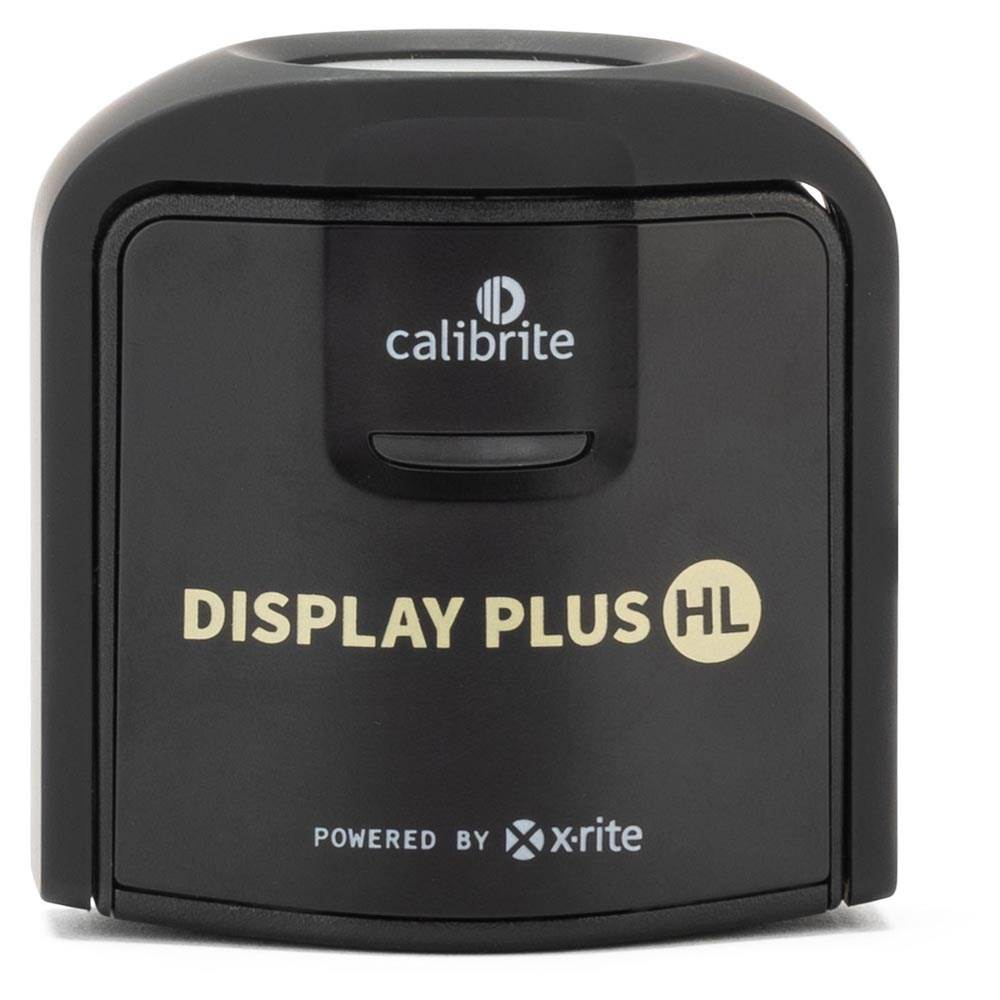
Color Calibrators
How to choose color calibrators
Sub-type match
Choose Colour Calibrators or Video Accessories for camera and monitor grading, opposed to Electronics skin analyzers.
Material tradeoff
Select metal or iron build for workshop stamina, plastic for lighter field carry.
Function fit
Match the measurement: 60 degree gloss meter for paints and ceramics, or multifunction colorimeter for car paint, metal, stone, ink.
Colour choice
Note housing colour (white, blue, green, red/light) if you need to spot the unit on a busy bench.
Use case
Computer Monitor Accessories tune screens, while Video sub-type covers motion colour tasks.
What's good
- Handheld color analyzers let you check car paint, metal, stone, and ink on location, not just in a lab.
- Video colour calibrators and reference targets help keep shots consistent across different cameras.
- Gloss meters with auto-calibration give repeatable 0 to 200GU readings on paints, ceramics, and marble.
- Skin analyzers pack moisture, oil, age, and fluorescent agent tests into one small electronics unit.
- Computer monitor accessories tune screen colour for editing without extra software fuss.
Things to watch
- Plastic-bodied units are lighter to carry but less tough than metal or iron models in busy workshops.
- Economic 60 degree gloss meters cover common paints and ceramics yet miss wider angle or above 200GU needs.
- Portable colorimeters with 3.5 inch touch screens suit field use but feel cramped versus desktop monitor tools.
- Skin and quantum resonance analyzers solve niche tasks, they will not help with video or print colour.
- Some devices only come in white/black or light/black colour options, a minor limit if you want blue or green.
Care & maintenance
Sensor care
Wipe gloss meter optics and color sensor windows with a clean soft cloth after each job.
Material upkeep
Keep polyester straps or plastic housings away from direct heat to prevent warping.
Storage
Store handheld analyzers in a padded case when moving between stone, metal, and ink sites.
Power
Check battery state in portable units before heading out, as field use leaves no easy swap.
Frequently Asked Questions
What should I look for when buying color calibrators?
When shopping for color calibrators, consider factors such as quality, price, brand reputation, and customer reviews. Compare prices across multiple retailers to ensure you're getting the best deal. Look for products that match your specific needs and budget.
How do I choose the right color calibrators?
Choosing the right color calibrators depends on your individual needs, budget, and preferences. Research different options, read customer reviews, and compare specifications. Consider what features are most important to you and look for products that offer the best value for money.
Where can I find the best deals on color calibrators?
You can find the best deals on color calibrators by comparing prices across multiple retailers. Our price comparison tool helps you find the lowest prices from trusted UK retailers including Amazon, eBay, and other major online stores. Check regularly as prices and deals change frequently.
Are color calibrators products worth the investment?
The value of color calibrators products depends on your specific needs and how you plan to use them. Quality products from reputable brands often provide better long-term value, even if they cost more initially. Consider your budget and requirements when making your decision.
What's the difference between different types of color calibrators?
Different types of color calibrators vary in features, quality, price, and intended use. Some may offer premium features while others focus on affordability. Research the specific differences between models or brands to find the option that best suits your needs and budget.