Aquatic Plants
How to choose aquatic plants
Considerations
First, pick the sub-type: outdoor Plants like lilies, or Home & Garden moss for indoor displays.
Considerations
Next, weigh colour. Green is forgiving, while blue, red, or yellow variants ask for more light.
Considerations
Then choose material. Live moss cleans air, while wood, bamboo, or broom/wood give frame but no life.
Considerations
Also decide format. Bare rooted stock is light, but kokedama or contained forms need less work on arrival.
Considerations
Finally, match scale. Large white lilies suit a pond, small carpet moss fits a desk jar.
What's good
- Live pond plants such as deep water lilies bring white or yellow blooms to a lake. They shade fish and slow algae growth.
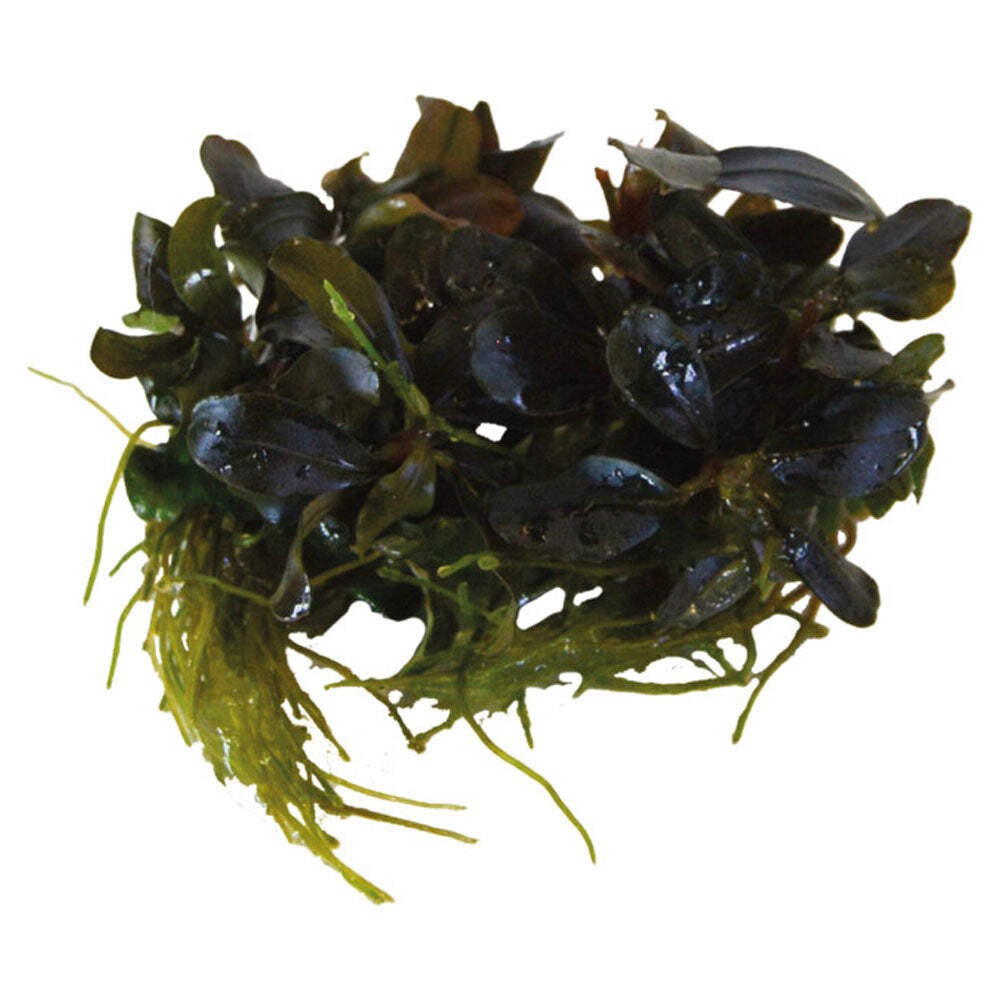
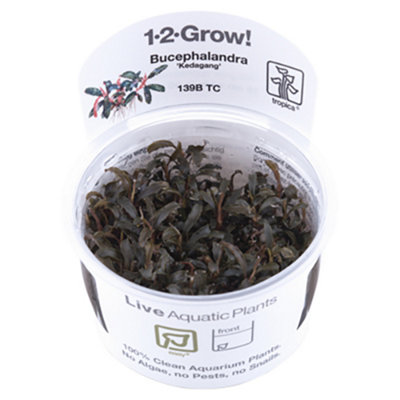
- Tropical aquarium plants like red alternanthera add red or pink colour to a tank. They give cover for small fish.
- Moss types including sheet, carpet, and mood moss suit terrariums and mossariums. They need little light and soften hard edges.
- Bare rooted pond plants ship without heavy pots. They settle quickly into lake mud or baskets.
- Inert materials like charcoal (charbon actif) and wood build structure in vivariums. They do not rot as fast as fresh organic matter.
Things to watch
- Tropical aquarium plants need warm water. They will not last in an unheated outdoor pond.
- Bare rooted lilies arrive without a container. You must plant them within days or they dry out.
- Coloured leaf types, pink/golden/green or red, need bright light to hold their hue. Plain green types cope with less.
- Moss in open homes loses moisture fast. It needs regular misting or it turns brown.
- Copper, silver, or bells are decorative only. They add no biological benefit to water or soil.
Care & maintenance
Maintenance
Trim dead lily pads and iris leaves each week to stop rot in still water.
Maintenance
Mist sheet moss and carpet moss daily inside a terrarium to keep them green.
Maintenance
Rinse charbon actif before layering it in a mossarium to clear fine dust.
Maintenance
Divide crowded pond plant clumps in spring to avoid choking the water.
Frequently Asked Questions
What should I look for when buying aquatic plants?
When shopping for aquatic plants, consider factors such as quality, price, brand reputation, and customer reviews. Compare prices across multiple retailers to ensure you're getting the best deal. Look for products that match your specific needs and budget.
How do I choose the right aquatic plants?
Choosing the right aquatic plants depends on your individual needs, budget, and preferences. Research different options, read customer reviews, and compare specifications. Consider what features are most important to you and look for products that offer the best value for money.
Where can I find the best deals on aquatic plants?
You can find the best deals on aquatic plants by comparing prices across multiple retailers. Our price comparison tool helps you find the lowest prices from trusted UK retailers including Amazon, eBay, and other major online stores. Check regularly as prices and deals change frequently.
Are aquatic plants products worth the investment?
The value of aquatic plants products depends on your specific needs and how you plan to use them. Quality products from reputable brands often provide better long-term value, even if they cost more initially. Consider your budget and requirements when making your decision.
What's the difference between different types of aquatic plants?
Different types of aquatic plants vary in features, quality, price, and intended use. Some may offer premium features while others focus on affordability. Research the specific differences between models or brands to find the option that best suits your needs and budget.