Stopwatches
How to choose stopwatches
Sub-type
sporting goods covers track and field, while exercise and fitness favours worn timers for workouts.
Material
metal builds last but add weight, plastic and rubber/plastic cut grams but feel lighter in hand.
Colour
orange or yellow aids visibility on a muddy pitch, silver suits lab and classroom settings.
Format
mechanical dial teaches timing basics, digital LCD or LED gives memory and voice cues.
Mount
wristband frees hands, handheld gives a firmer grip for officials at the finish line.
What's good
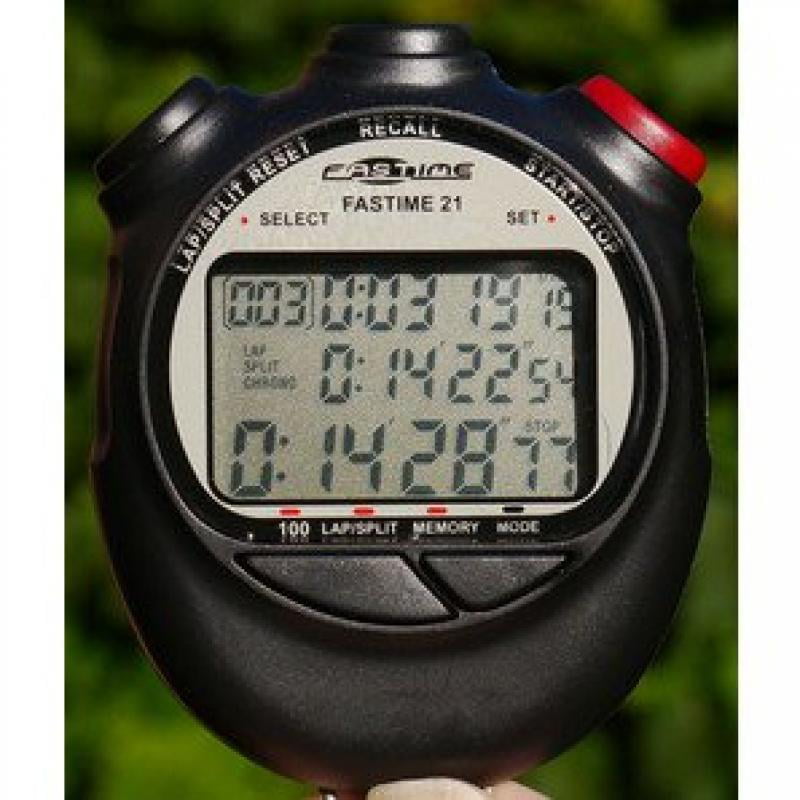
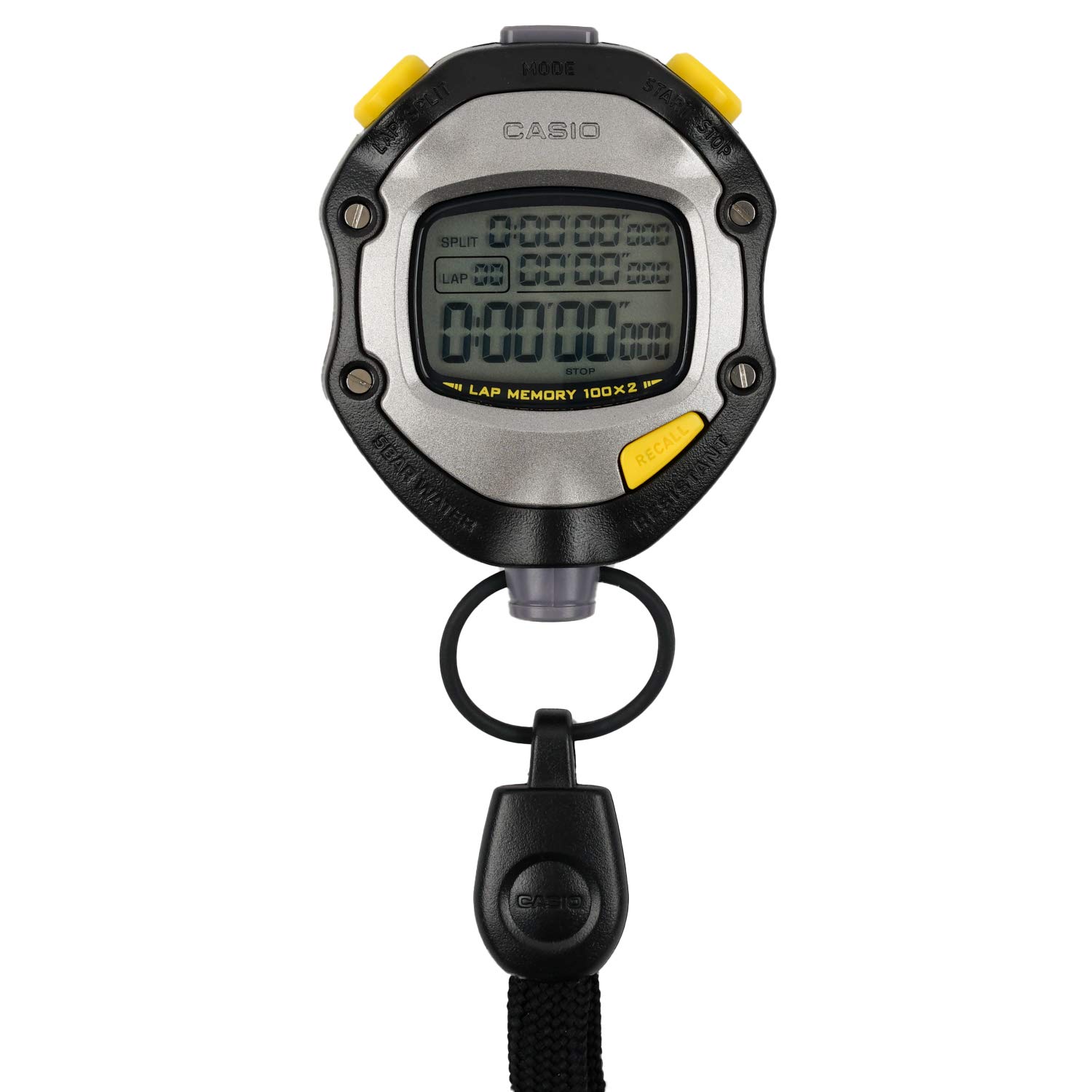
- Digital handheld stopwatches in the sporting goods sub-type give instant LCD readouts for training intervals.
- Exercise and fitness models with rubber wristbands keep your hands free through circuit sessions.
- Mechanical metal timers suit physics teaching, with no battery to fail mid experiment.
- Competition LED timers with voice call out laps, helping officials track field events without looking down.
Things to watch
- Mechanical round dial timers weigh more in metal, and their 0.2s steps are coarse for sprint finishes.
- Handheld digital units need a free hand, so they are poor for gym routes that use bars or ropes.
- Large LED competition timers are bulky compared with slim black plastic pocket stopwatches.
- Acrylic mixed models scratch easier than pure metal cases, trading toughness for lower heft.
Care & maintenance
Wipe metal
Wipe stainless steel/metal bodies dry after sweaty use to stop corrosion.
Avoid heat
Keep rubber/plastic timers out of hot sheds, as heat warps the casing.
Protect acrylic
Store acrylic/metal/plastic models in a soft pouch to avoid scratches on the acrylic.
Check cells
Replace cells in digital voice timers when the callouts weaken.
Frequently Asked Questions
What should I look for when buying stopwatches?
When shopping for stopwatches, consider factors such as quality, price, brand reputation, and customer reviews. Compare prices across multiple retailers to ensure you're getting the best deal. Look for products that match your specific needs and budget.
How do I choose the right stopwatches?
Choosing the right stopwatches depends on your individual needs, budget, and preferences. Research different options, read customer reviews, and compare specifications. Consider what features are most important to you and look for products that offer the best value for money.
Where can I find the best deals on stopwatches?
You can find the best deals on stopwatches by comparing prices across multiple retailers. Our price comparison tool helps you find the lowest prices from trusted UK retailers including Amazon, eBay, and other major online stores. Check regularly as prices and deals change frequently.
Are stopwatches products worth the investment?
The value of stopwatches products depends on your specific needs and how you plan to use them. Quality products from reputable brands often provide better long-term value, even if they cost more initially. Consider your budget and requirements when making your decision.
What's the difference between different types of stopwatches?
Different types of stopwatches vary in features, quality, price, and intended use. Some may offer premium features while others focus on affordability. Research the specific differences between models or brands to find the option that best suits your needs and budget.