Baby Food
How to choose baby food
Choose the sub-type
Start with sub-type: pick Baby & Toddler Food for meals, Nursing & Feeding for gear, or both.
Match the stage number
Read the number attributes (1, 6, 7) to set the right stage for your child.
Feeding material
Choose material for feeding: plastic is light, iron is durable, coconut is natural but needs care.
Variant tags
Note colour and grain or green tags if you want a specific flavour or style.
Format for use
Larger jar meals suit highchair sessions, while small packs marked 6 or 7 travel easier.
What's good
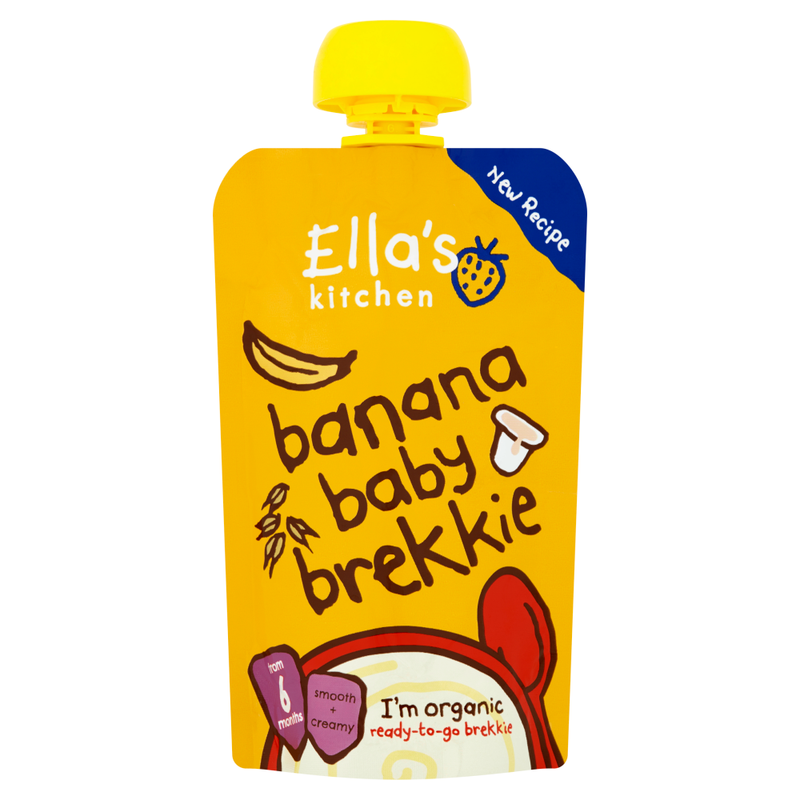
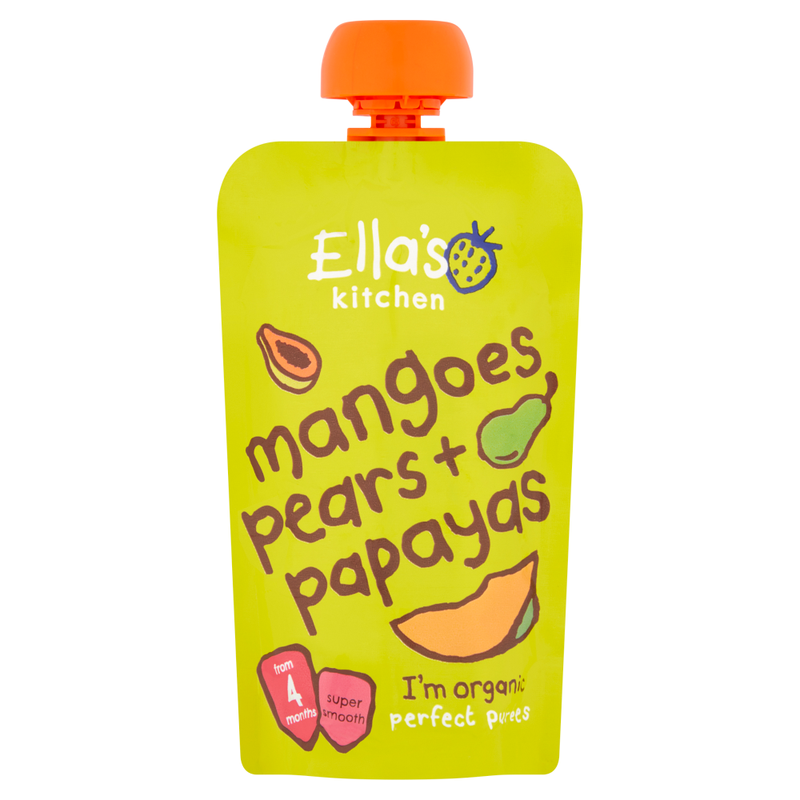
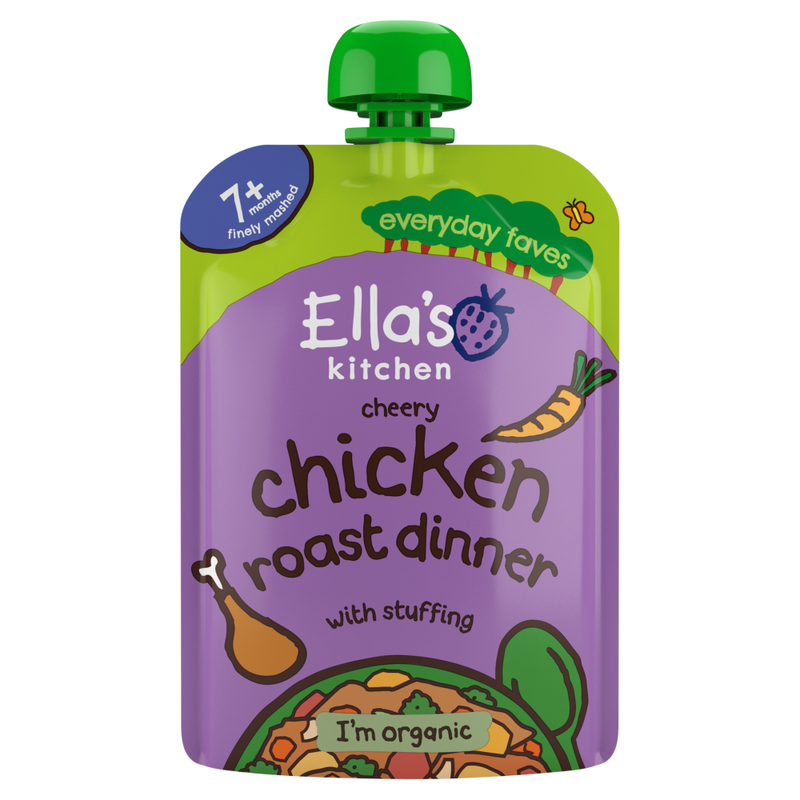
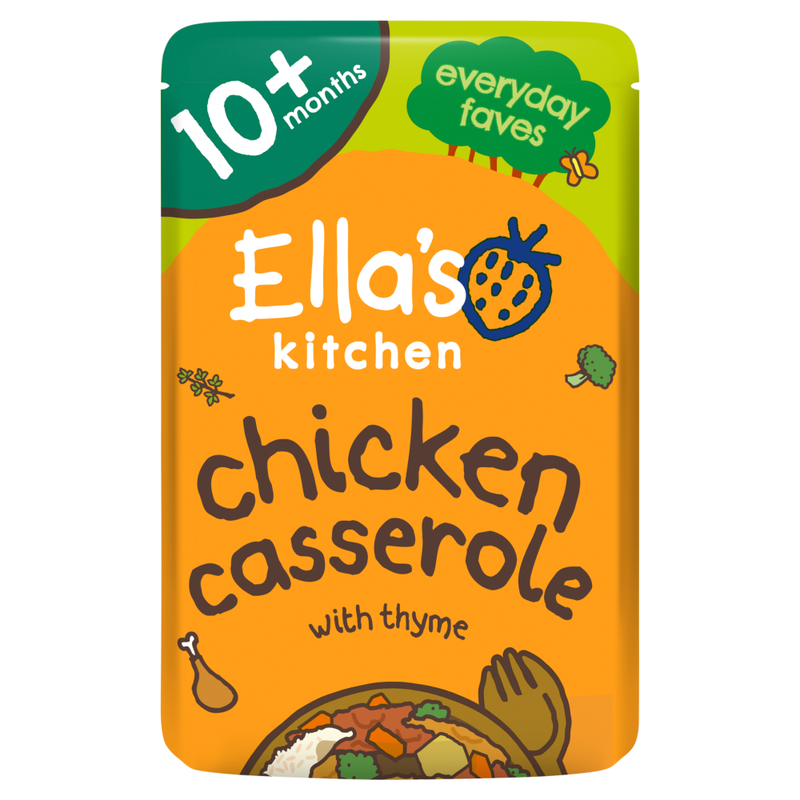
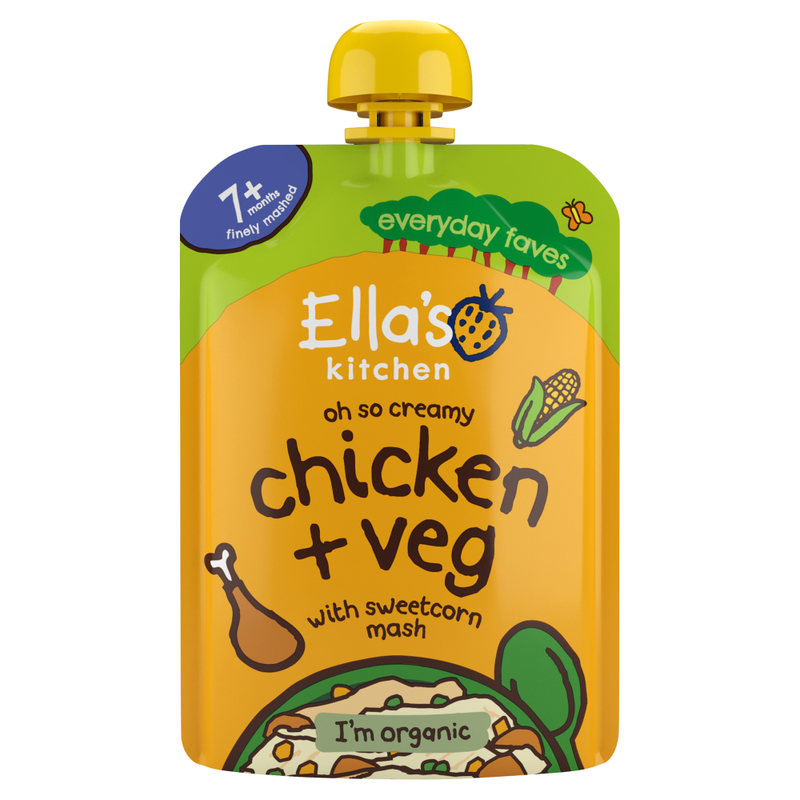
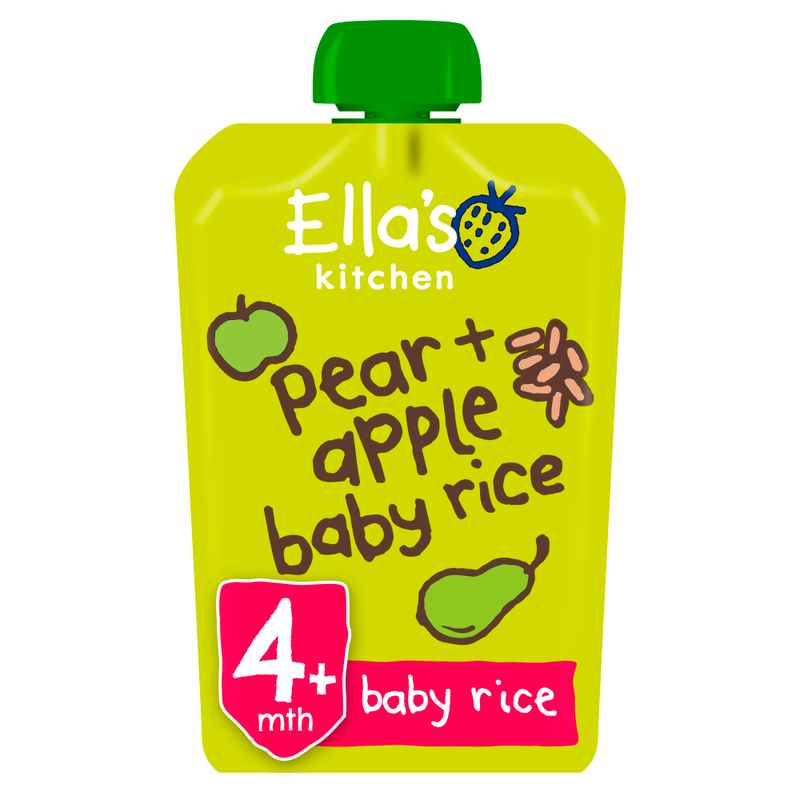
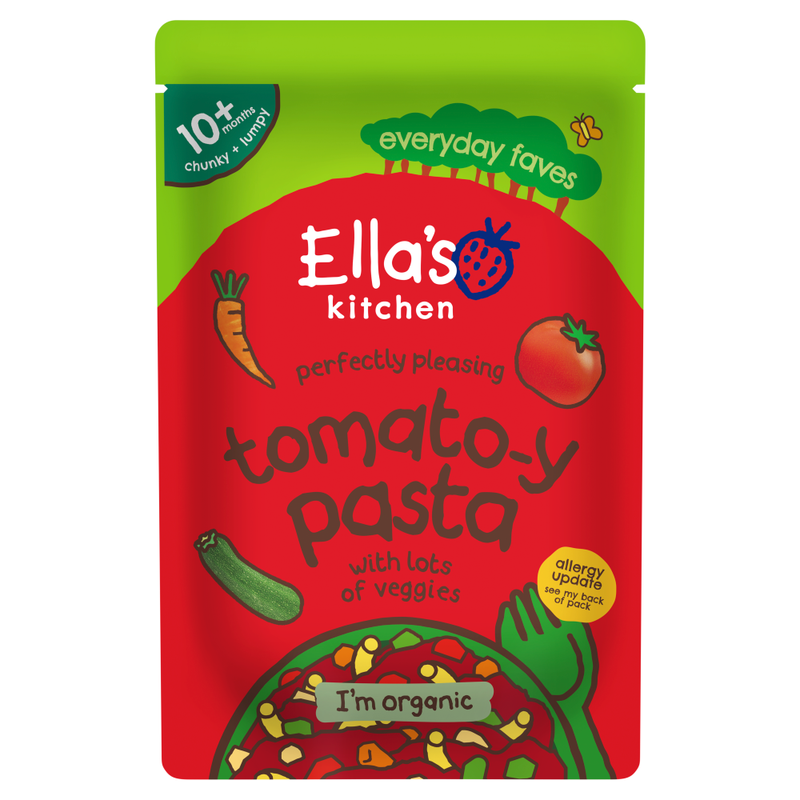
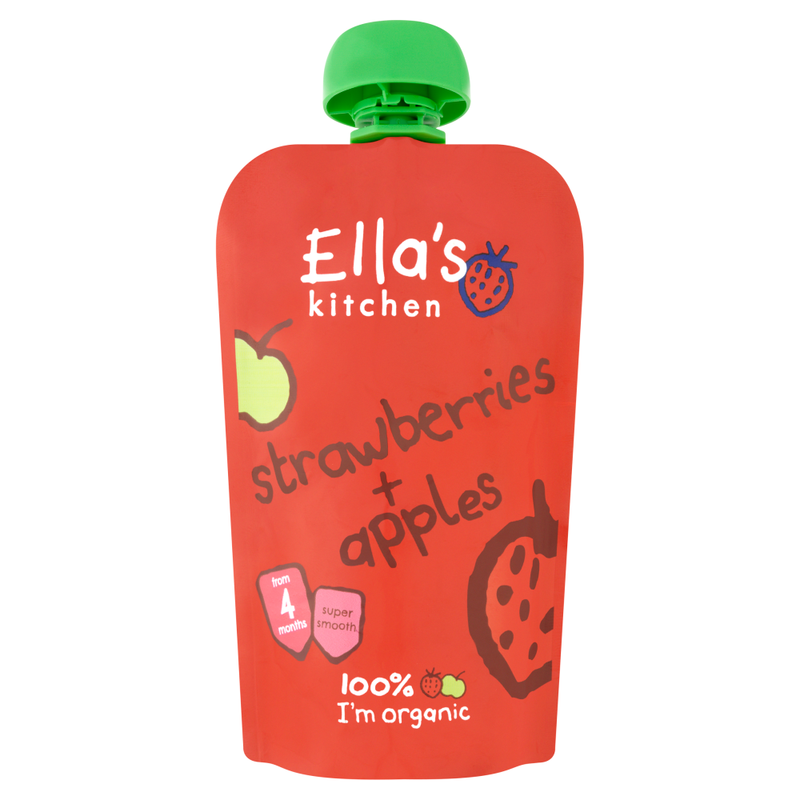
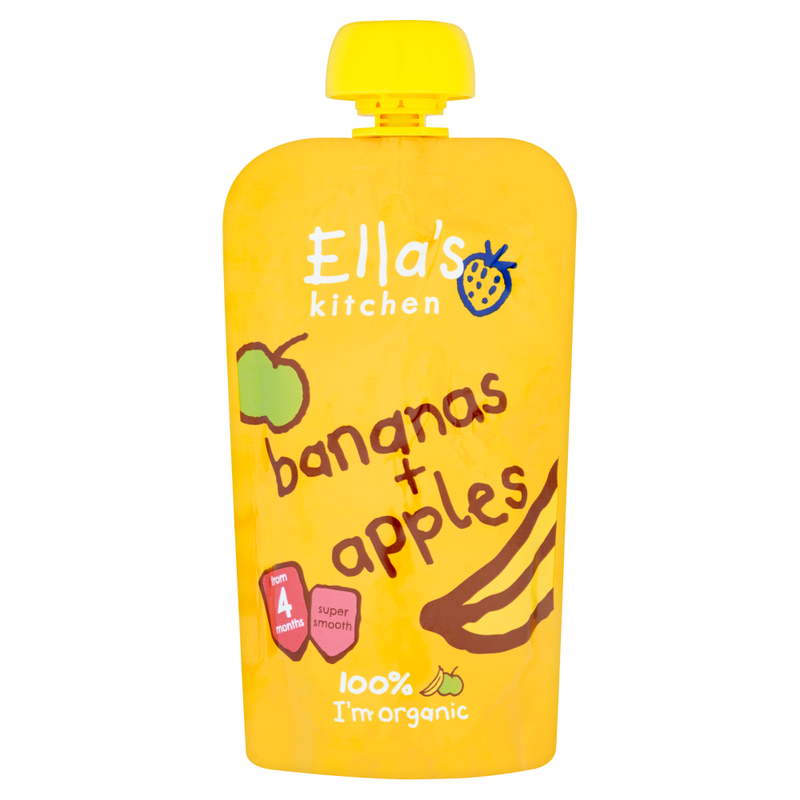
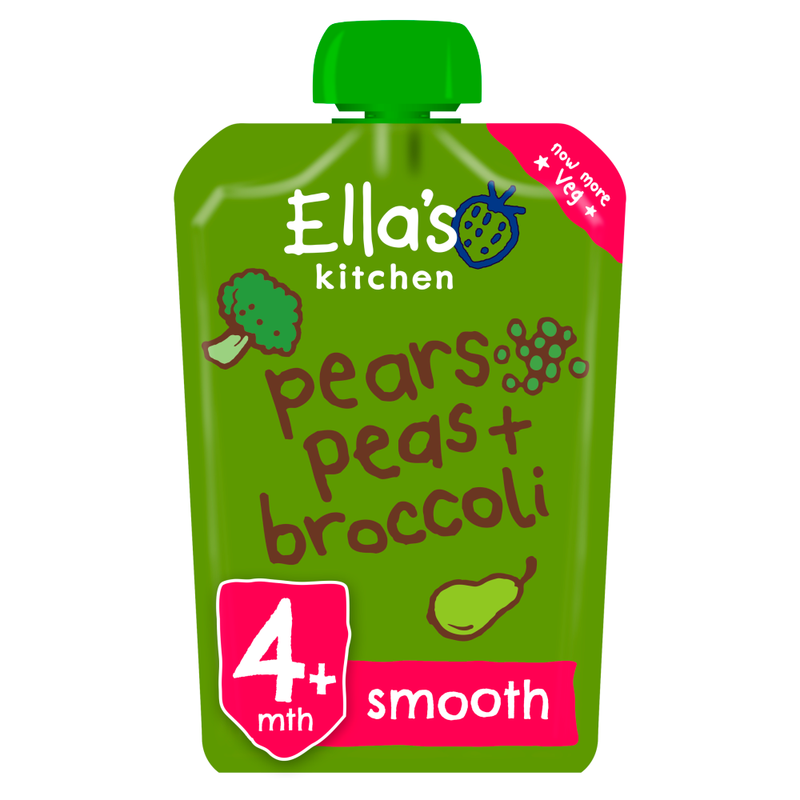
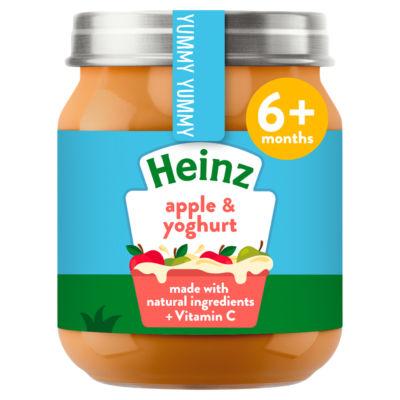
- Baby & Toddler Food carries stage markers like 6 and 7, so you can match weaning texture to age.
- Ready meals in jars or packs need no cooking, which saves time on busy days.
- Nursing & Feeding offers spoons and tableware in plastic, iron, or coconut to fit your routine.
- The broader Baby & Toddler sub-type lets you group meals and utensils before viewing the listings below.
Things to watch
- Jar meals for stages 6 or 7 are heavier to carry than slim multi-packs.
- Iron feeding tools are tough but add weight to a nappy bag compared with plastic.
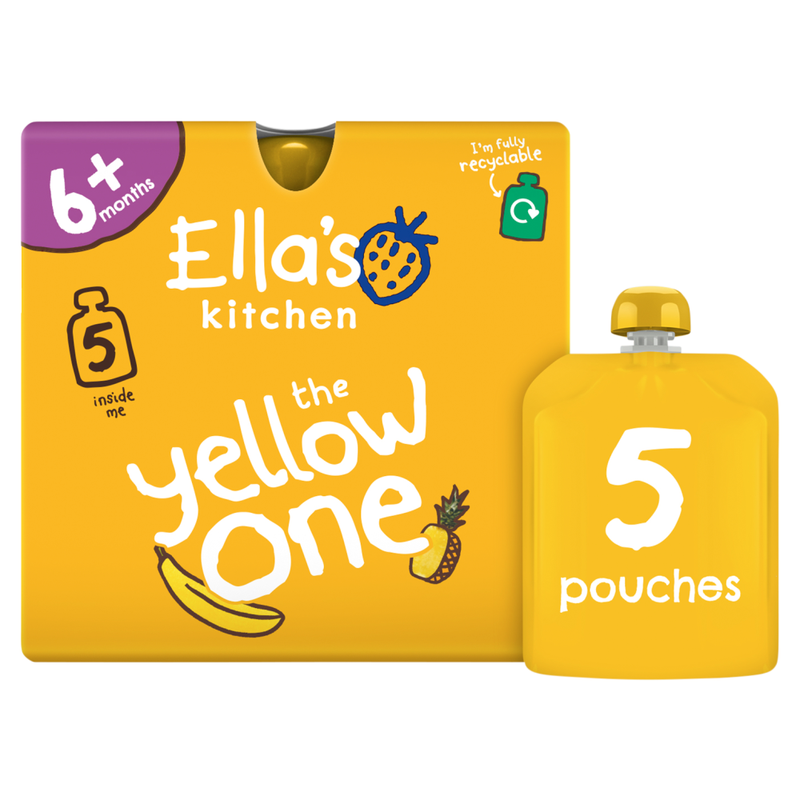
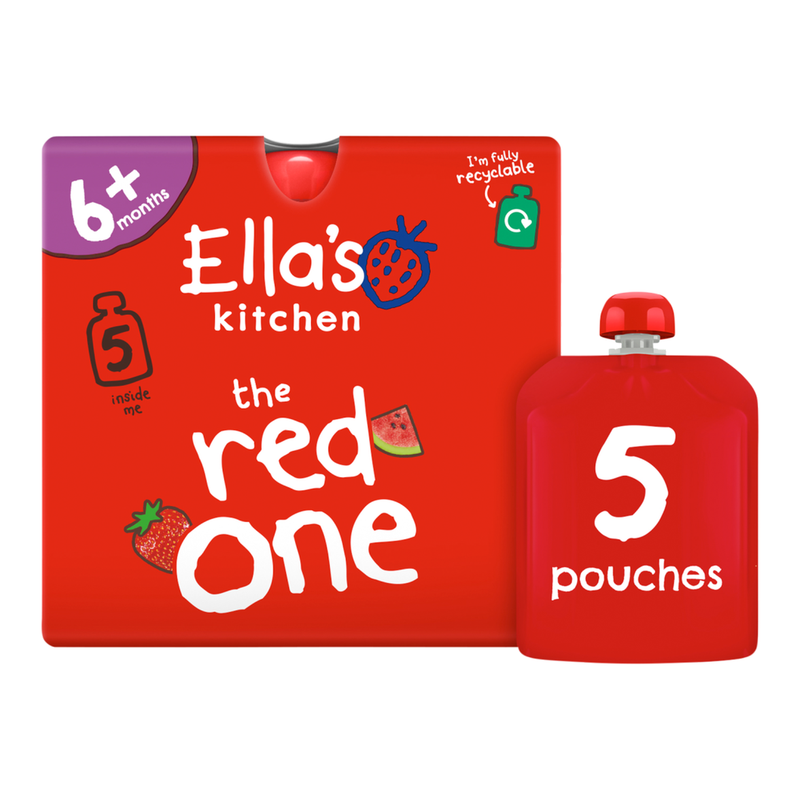
- Colour tags such as red, peach, or green show a variant, yet the number still confirms the age fit.
- Coconut items need gentler care than plastic, which some may find fussy.
Care & maintenance
Plastic
Wash plastic feeding items in warm water, or use the top rack if the make allows.
Iron
Dry iron spoons fully after washing to keep them clean and spot free.
Coconut
Coconut bowls or spoons prefer a quick hand wash, then air dry away from heat.
Opened food
Once a Baby & Toddler Food jar is opened, seal it and keep it in the fridge as labelled.
Frequently Asked Questions
What should I look for when buying baby food?
When shopping for baby food, consider factors such as quality, price, brand reputation, and customer reviews. Compare prices across multiple retailers to ensure you're getting the best deal. Look for products that match your specific needs and budget.
How do I choose the right baby food?
Choosing the right baby food depends on your individual needs, budget, and preferences. Research different options, read customer reviews, and compare specifications. Consider what features are most important to you and look for products that offer the best value for money.
Where can I find the best deals on baby food?
You can find the best deals on baby food by comparing prices across multiple retailers. Our price comparison tool helps you find the lowest prices from trusted UK retailers including Amazon, eBay, and other major online stores. Check regularly as prices and deals change frequently.
Are baby food products worth the investment?
The value of baby food products depends on your specific needs and how you plan to use them. Quality products from reputable brands often provide better long-term value, even if they cost more initially. Consider your budget and requirements when making your decision.
What's the difference between different types of baby food?
Different types of baby food vary in features, quality, price, and intended use. Some may offer premium features while others focus on affordability. Research the specific differences between models or brands to find the option that best suits your needs and budget.