Non-Dairy Milk
How to choose non-dairy milk
Sub-type
Choose the sub-type first. The Beverages listings are drink cartons, while Food, Beverages & Tobacco holds cooking coconut milk in cans.
Sweetness
Decide sweetened versus no sugars by reading the label and noting light colour cues such as gold/light.
Material
Check the material axis. Coconut is the common base, but listings also note iron or gold, so confirm what the spec means.
Barista tier
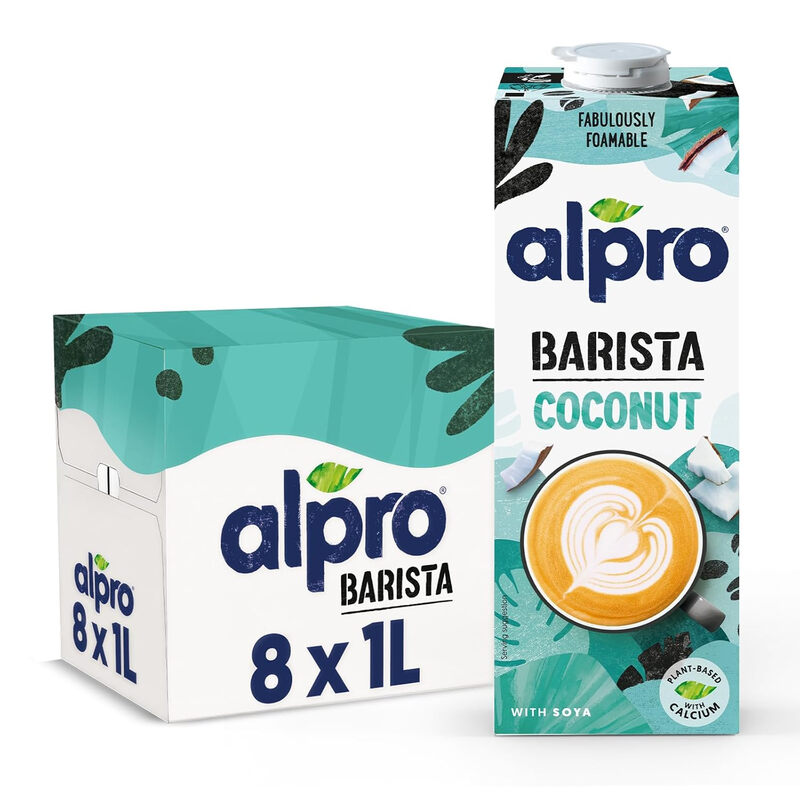
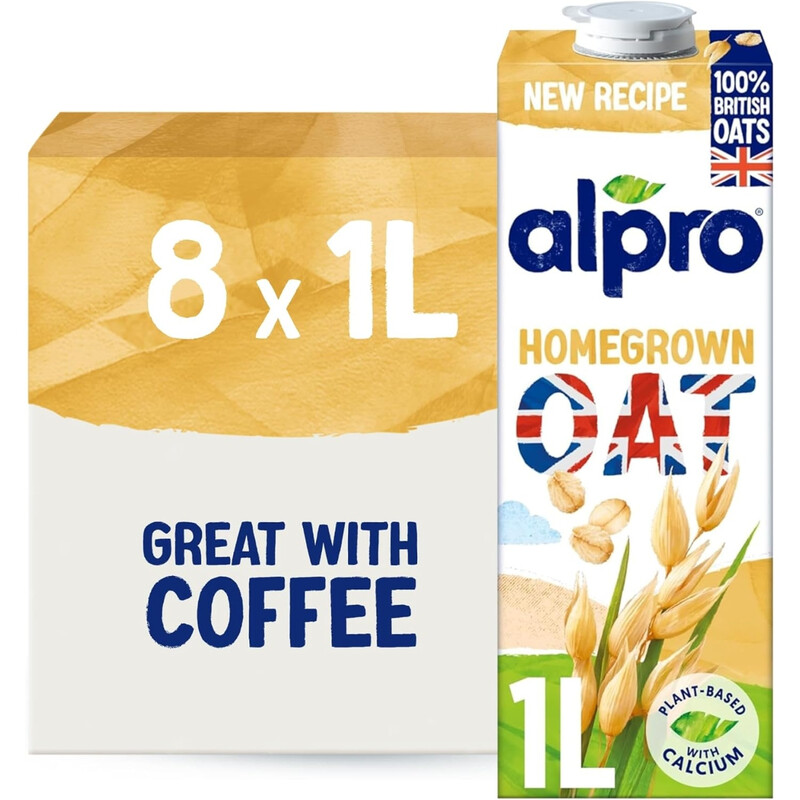
Pick the barista tier, marked with almond barista or foamable oat, only if you make coffee at home. Standard lines suit plain drinking.
Colour
Use the colour axis (white, cream, brown rice) to match taste and use, since these tags hint at the variant inside.
What's good
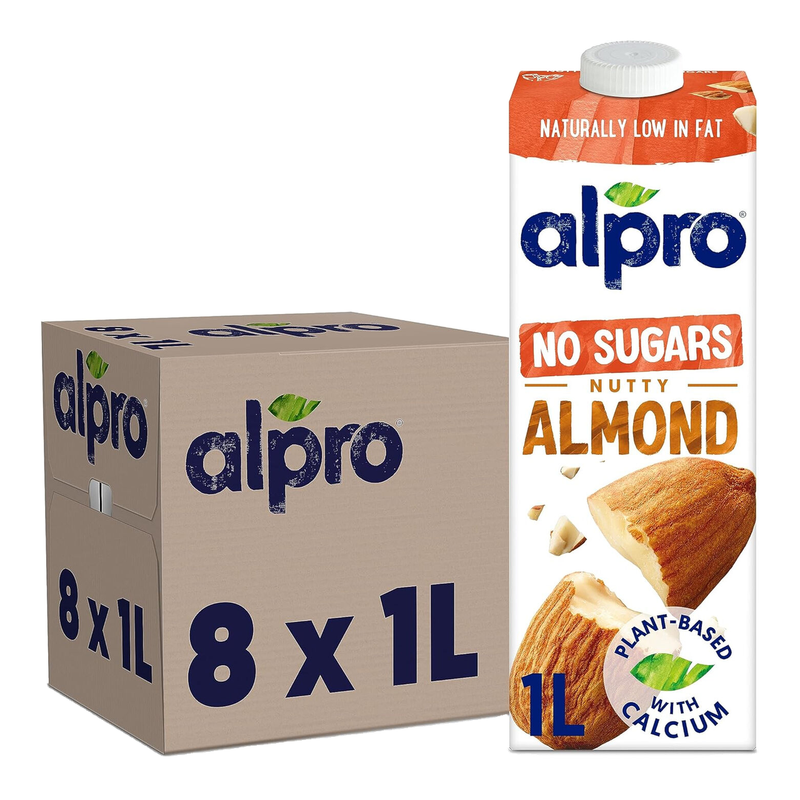
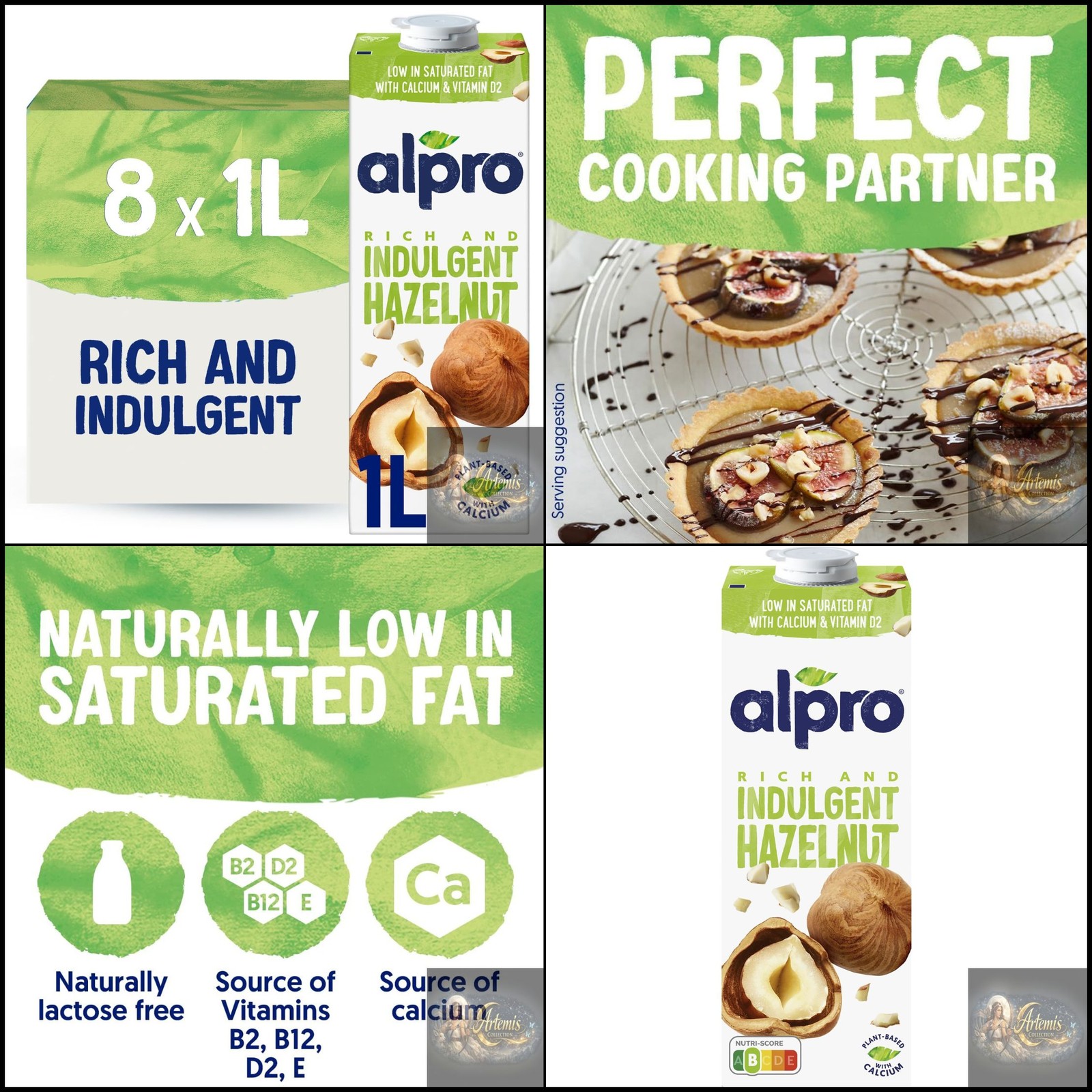
- Soya, oat, almond and coconut drinks give a dairy-free pour for tea, coffee or cereal, covering the Beverages sub-type.
- Barista variants foam and hold texture, a clear advantage for home latte makers who need the almond barista or oat tier.
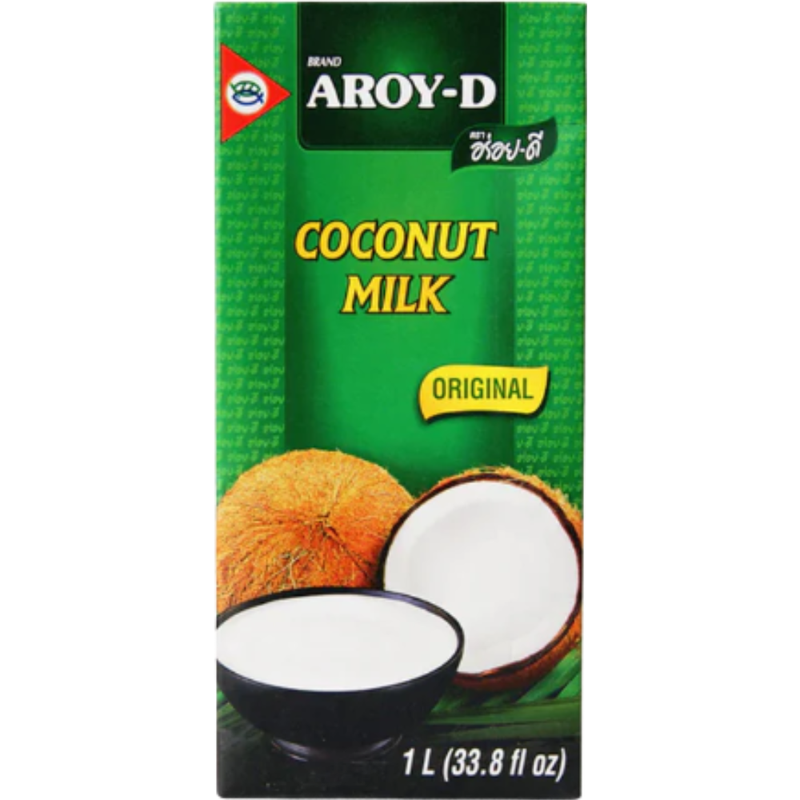
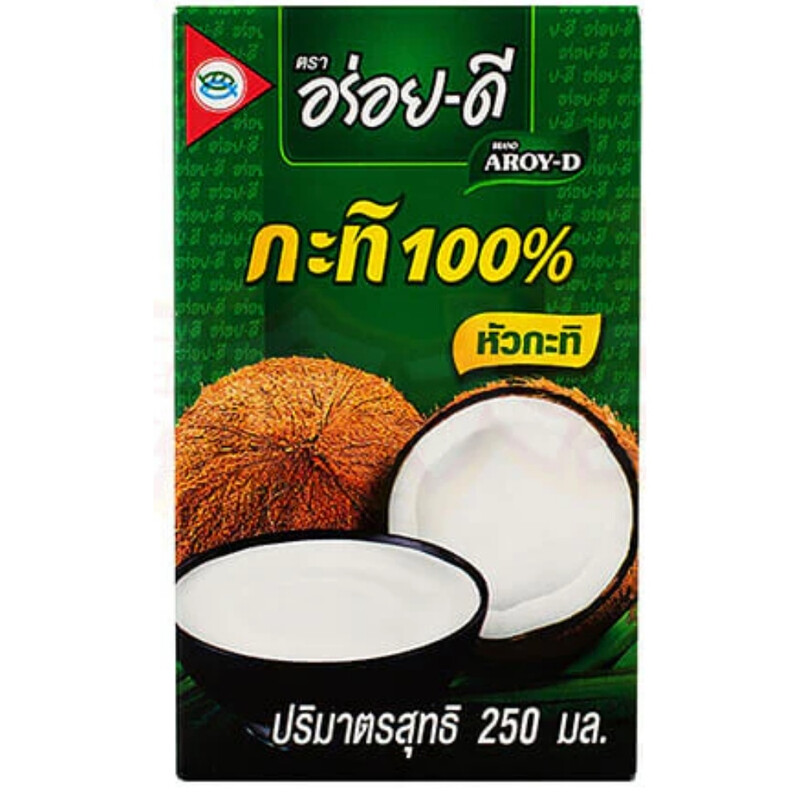
- Canned coconut milk sits in the Food, Beverages & Tobacco sub-type, ready for curries without taking fridge space.
- Unsweetened almond or soya cuts added sugar, useful for strict diets that want the no sugars tier.
Things to watch
- Barista drinks carry frothing capability that is wasted on anyone who only eats cold cereal.
- Canned coconut milk under the Food, Beverages & Tobacco sub-type is too rich to drink from a glass.
- Sweetened soya adds sugar, a poor fit for low-sugar shoppers who want the unsweetened tier.
- Thin almond or rice pours can split in hot tea, wrong for a sturdy mug of builder's brew.
- Colour tags like brown rice signal a distinct taste that some buyers simply will not like.
Care & maintenance
Storage
Store sealed cartons and cans in a cool, dry cupboard away from sunlight.
After opening
After opening, refrigerate and use within a short window, treating it like fresh dairy.
Shake
Shake each carton before pouring, as coconut and oat liquids separate when left static.
Barista care
Keep barista cartons away from heat to protect the proteins that create foam.
Frequently Asked Questions
What should I look for when buying non-dairy milk?
When shopping for non-dairy milk, consider factors such as quality, price, brand reputation, and customer reviews. Compare prices across multiple retailers to ensure you're getting the best deal. Look for products that match your specific needs and budget.
How do I choose the right non-dairy milk?
Choosing the right non-dairy milk depends on your individual needs, budget, and preferences. Research different options, read customer reviews, and compare specifications. Consider what features are most important to you and look for products that offer the best value for money.
Where can I find the best deals on non-dairy milk?
You can find the best deals on non-dairy milk by comparing prices across multiple retailers. Our price comparison tool helps you find the lowest prices from trusted UK retailers including Amazon, eBay, and other major online stores. Check regularly as prices and deals change frequently.
Are non-dairy milk products worth the investment?
The value of non-dairy milk products depends on your specific needs and how you plan to use them. Quality products from reputable brands often provide better long-term value, even if they cost more initially. Consider your budget and requirements when making your decision.
What's the difference between different types of non-dairy milk?
Different types of non-dairy milk vary in features, quality, price, and intended use. Some may offer premium features while others focus on affordability. Research the specific differences between models or brands to find the option that best suits your needs and budget.