Gravy
How to choose gravy
Colour and use
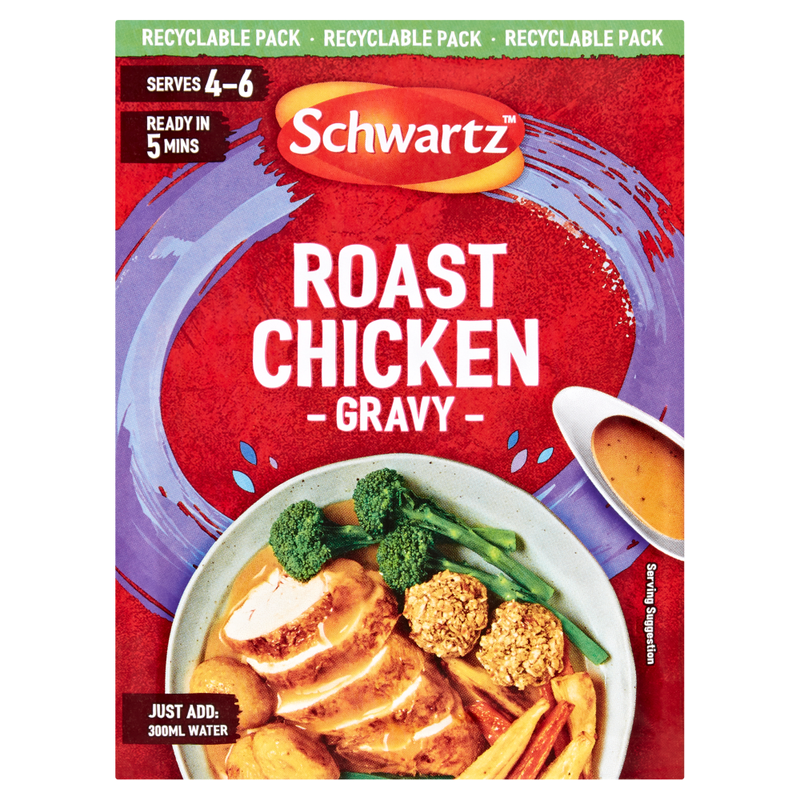
Pick the colour first: brown or chicken gravy for roasts, white or green for fish and herb sauces, golden for lighter poultry, red or multi for niche recipes.
Format
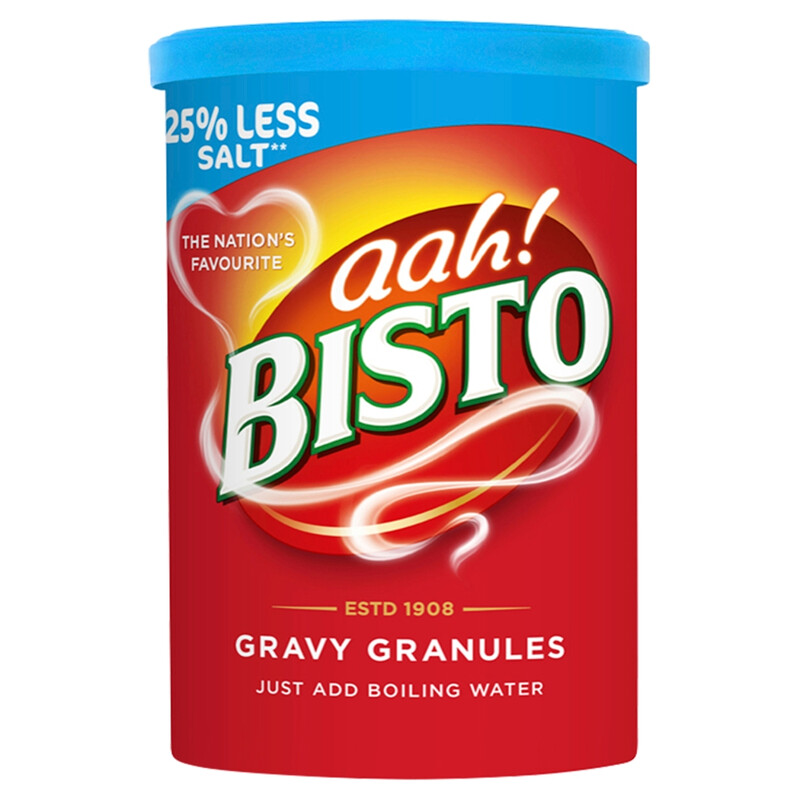
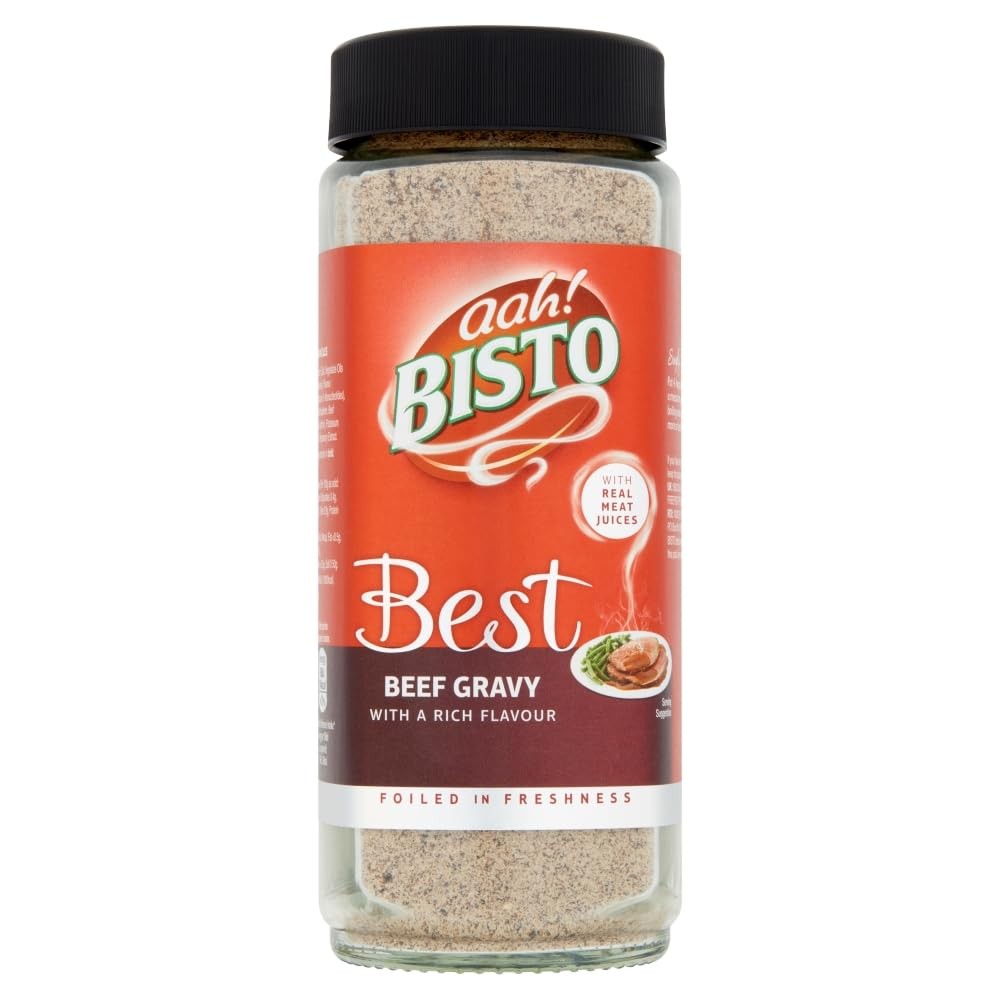
Choose format next: granules for speed, powder for the traditional roasting juice method, sauce mix for a specific dish.
Dietary tier
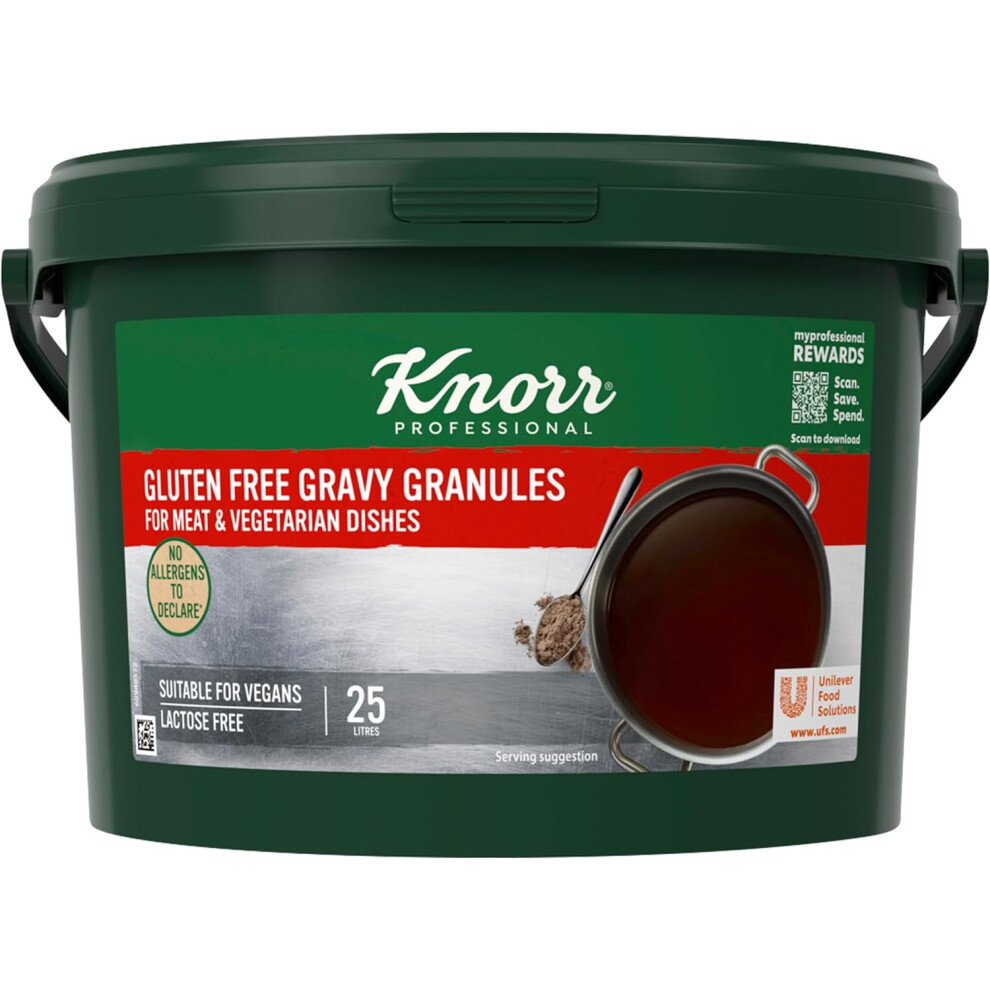
Think about dietary needs: standard, gluten free, or reduced salt each sit in different brand tiers with different variant depth.
Brand tier
Brand breadth matters: Bisto, Knorr and Schwartz carry more colours, while Asda or Morrisons focus on everyday staples.
Category context
This range sits under Food Items and Condiments & Sauces, so match the gravy to the meal rather than browsing adjacent lines.
What's good
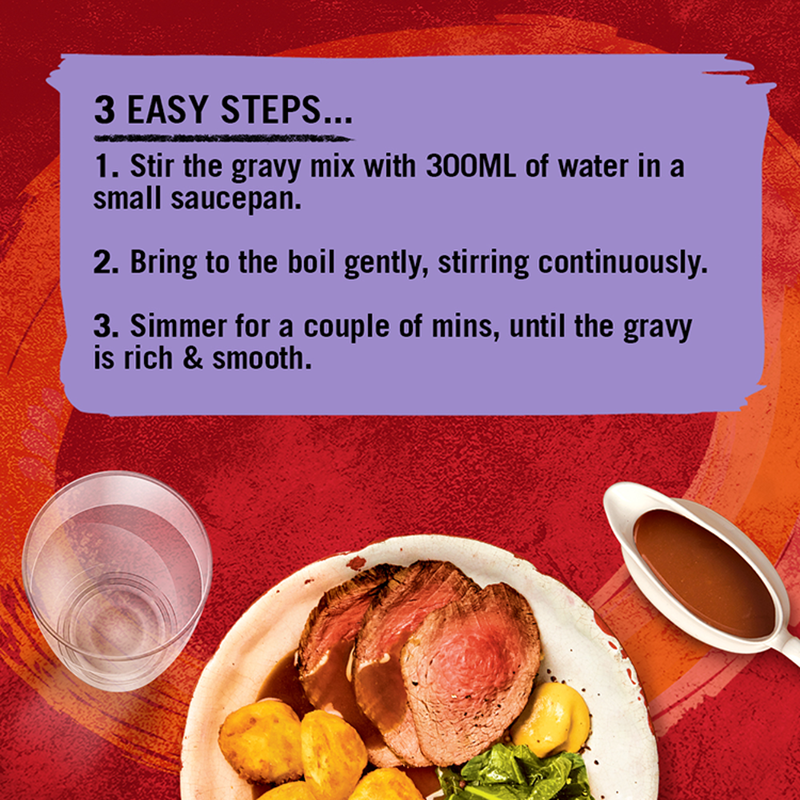
- Granule gravies mix with water in seconds, handy for weeknight dinners.
- Free-from lines such as gluten free and reduced salt let more people share the meal.
- Sauce mixes in white or green widen the category past brown meat gravy.
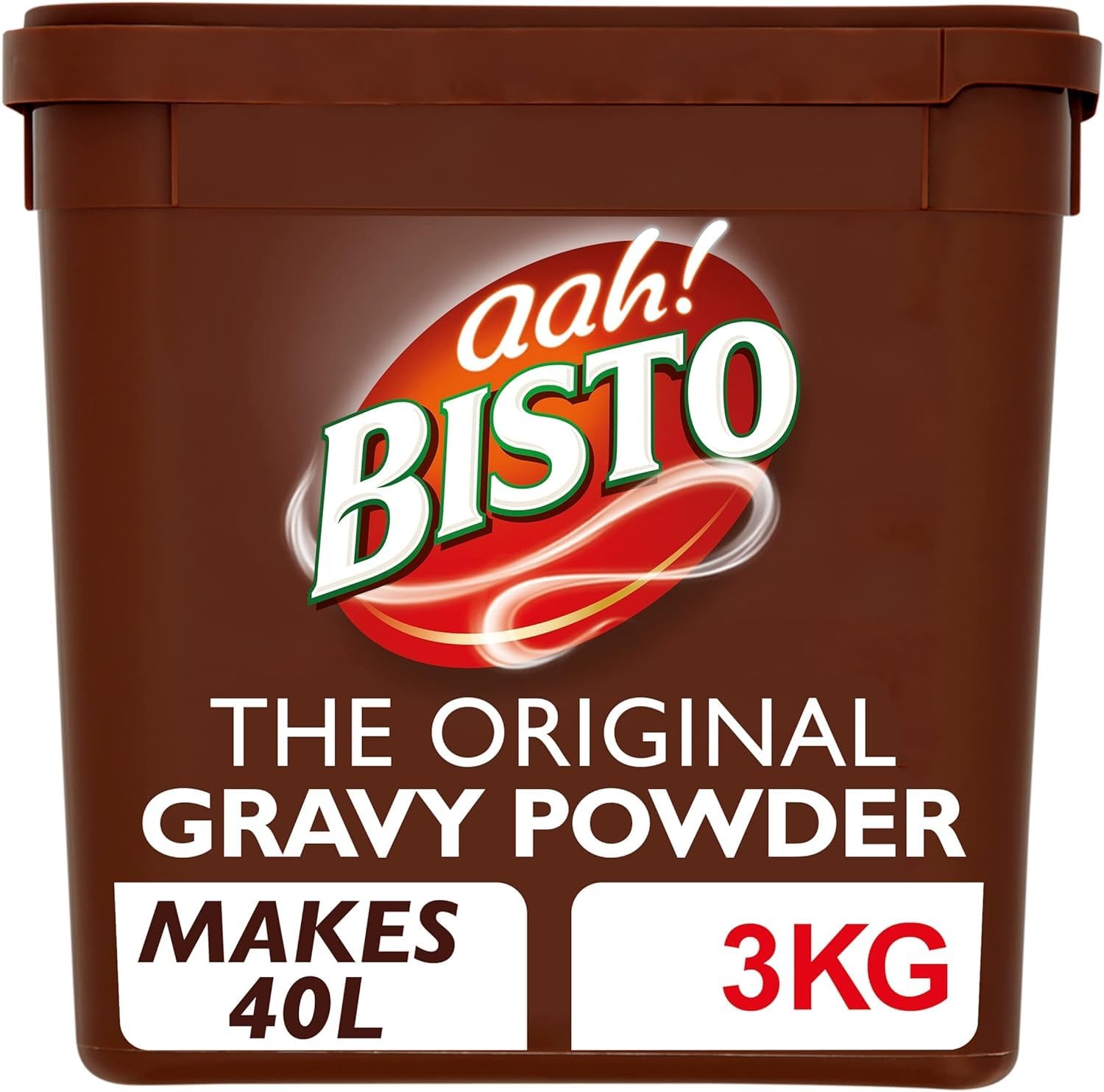
- Powder formats suit large households that want to use roasting juices.
- Branded and own-label ranges both sit here, so flavour breadth varies without leaving the category.
Things to watch
- Standard granule and powder types focus on brown or chicken gravy, so white and green colours are rarer.
- Reduced salt or gluten free tiers narrow your colour and brand choices compared with standard lines.
- White parsley sauce will not replace brown beef gravy, they are separate products with separate uses.
- Powder forms need stirring into pan juices, which is slower than sprinkling granules into water.
- Own-label lines may skip niche colours like red or multi, limiting chances to experiment.
Care & maintenance
Dry storage
Keep granules and powder in a dry, sealed tub to stop clumps forming.
Cupboard care
Store sauce mixes in a cool cupboard and check the date before use.
Large tubs
Use a dry scoop for large catering tubs to avoid adding moisture to the product.
Reheating
Made gravy should be reheated gently and not boiled repeatedly.
Frequently Asked Questions
What should I look for when buying gravy?
When shopping for gravy, consider factors such as quality, price, brand reputation, and customer reviews. Compare prices across multiple retailers to ensure you're getting the best deal. Look for products that match your specific needs and budget.
How do I choose the right gravy?
Choosing the right gravy depends on your individual needs, budget, and preferences. Research different options, read customer reviews, and compare specifications. Consider what features are most important to you and look for products that offer the best value for money.
Where can I find the best deals on gravy?
You can find the best deals on gravy by comparing prices across multiple retailers. Our price comparison tool helps you find the lowest prices from trusted UK retailers including Amazon, eBay, and other major online stores. Check regularly as prices and deals change frequently.
Are gravy products worth the investment?
The value of gravy products depends on your specific needs and how you plan to use them. Quality products from reputable brands often provide better long-term value, even if they cost more initially. Consider your budget and requirements when making your decision.
What's the difference between different types of gravy?
Different types of gravy vary in features, quality, price, and intended use. Some may offer premium features while others focus on affordability. Research the specific differences between models or brands to find the option that best suits your needs and budget.