Buckets
How to choose buckets
Sub-type and weight
Sub-type: pick Home & Garden for planting or feeding animals, but note plastic/metal mixes weigh more than pure plastic.
Material choice
Material: stainless steel resists stains yet adds heft, while plastic/metal hybrids trade some strength for lighter handling.
Colour coding
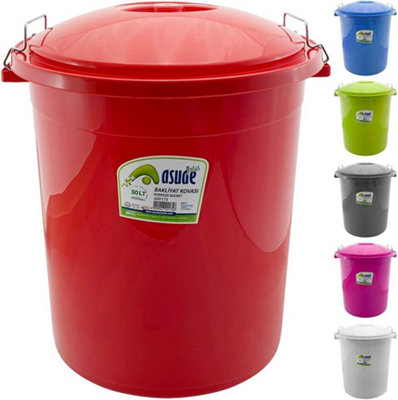
Colour: use blue or green for garden tasks and red or yellow for caution, but lighter shades reveal grime sooner.
Capacity tier
Size: small 5L buckets suit single-room cleaning, while 26L flexi tubs manage garden clearances but need storage space.
Intended use
Use case: Household Cleaning Supplies in polypropylene handle mopping well, though they won't take hot oil or sharp edges.
What's good
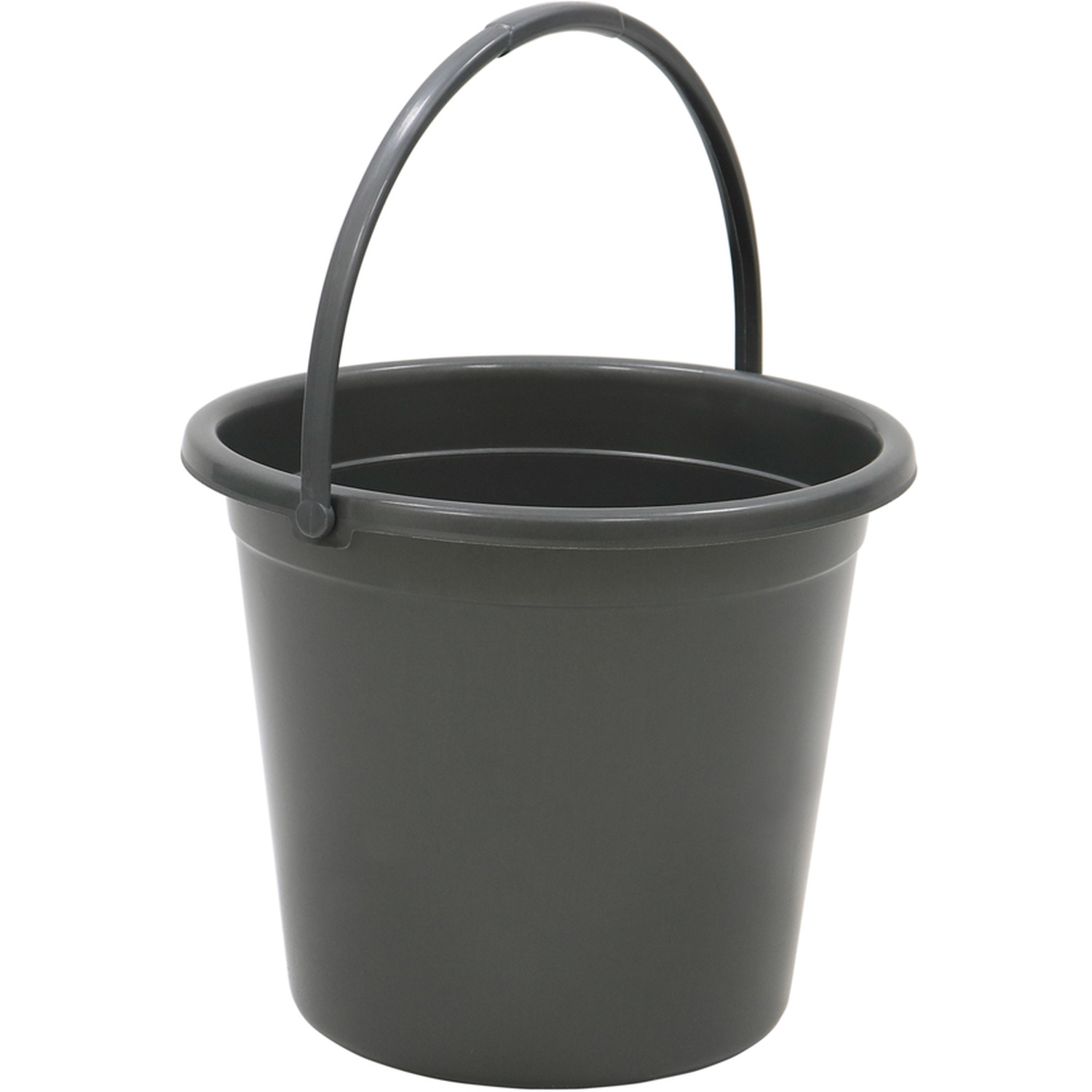
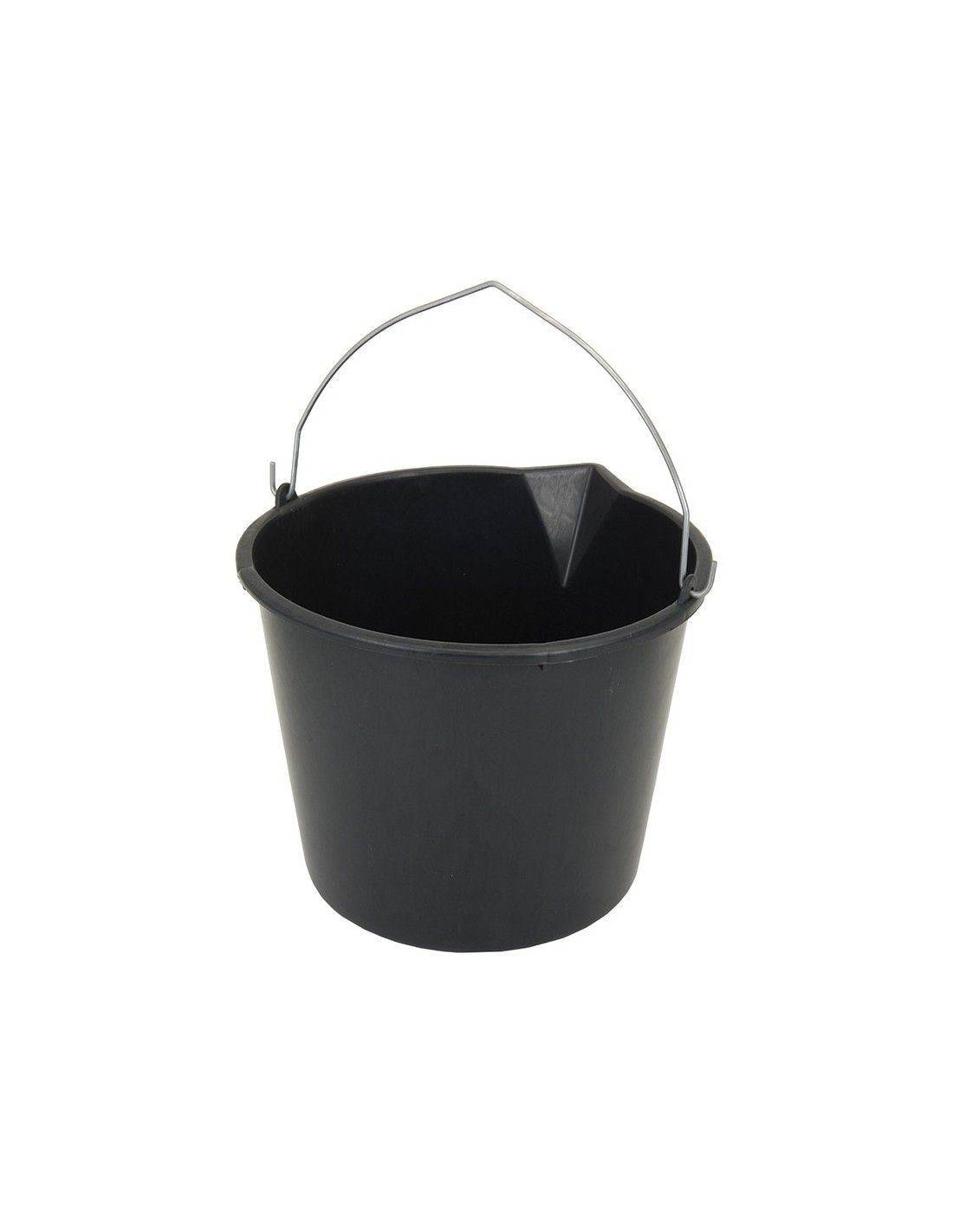
- Plastic builders buckets under Household Cleaning Supplies stay light when full, making them easy to carry between rooms.
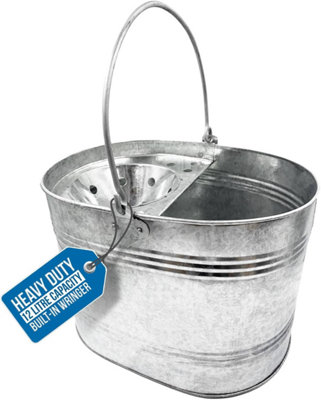
- Stainless steel and steel options in Household Supplies resist heat and rough treatment, suiting workshops and stables.
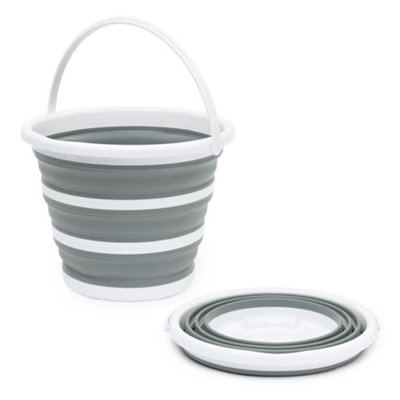
- Large flexi tubs in plastic or polypropylene hold garden waste without adding much weight, and they flex for compact storage.
- Rubber or silicone buckets give a secure grip and reduce clatter compared with metal, useful in quiet homes.
- Sets of two buckets let you split dirty and clean water, cutting cross-contamination during chores.
Things to watch
- Thin plastic buckets scratch and can split in frost, so they fail for leaving outside in winter.
- Metal and steel buckets are heavier to lift and need drying to avoid rust, wrong for those with limited strength.
- Flexi tubs lack a rigid rim, meaning they can buckle if used to carry sharp tools or on a ladder.
- Silicone builds can warp under heavy rubble, making them poor for building debris.
- Bright red or yellow colours show dirt faster than black or grey, requiring more frequent washing.
Care & maintenance
Rinse after harsh contents
Rinse plastic and polypropylene buckets after cement or fertiliser contact to stop residue setting.
Dry metal promptly
Dry steel and iron buckets thoroughly after use to prevent rust spots.
Clean soft seams
Wipe rubber and silicone seams to clear grit that might cause small tears.
Store nested and dry
Nest empty flexi tubs in a dry spot to keep their shape.
Frequently Asked Questions
What should I look for when buying buckets?
When shopping for buckets, consider factors such as quality, price, brand reputation, and customer reviews. Compare prices across multiple retailers to ensure you're getting the best deal. Look for products that match your specific needs and budget.
How do I choose the right buckets?
Choosing the right buckets depends on your individual needs, budget, and preferences. Research different options, read customer reviews, and compare specifications. Consider what features are most important to you and look for products that offer the best value for money.
Where can I find the best deals on buckets?
You can find the best deals on buckets by comparing prices across multiple retailers. Our price comparison tool helps you find the lowest prices from trusted UK retailers including Amazon, eBay, and other major online stores. Check regularly as prices and deals change frequently.
Are buckets products worth the investment?
The value of buckets products depends on your specific needs and how you plan to use them. Quality products from reputable brands often provide better long-term value, even if they cost more initially. Consider your budget and requirements when making your decision.
What's the difference between different types of buckets?
Different types of buckets vary in features, quality, price, and intended use. Some may offer premium features while others focus on affordability. Research the specific differences between models or brands to find the option that best suits your needs and budget.