Roasting Pans
How to choose roasting pans
Material and build
Material sets weight and heat: cast iron retains, aluminium lightens, steel adds durability.
Colour and finish
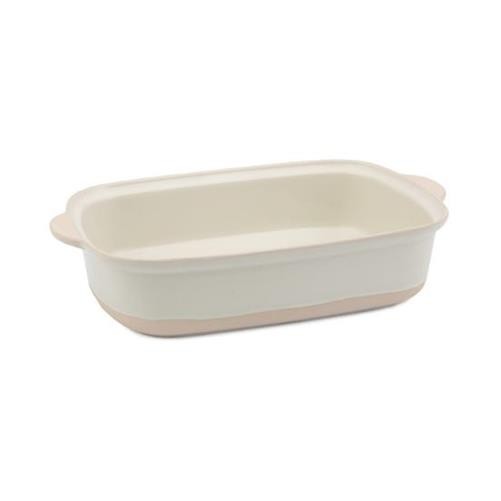
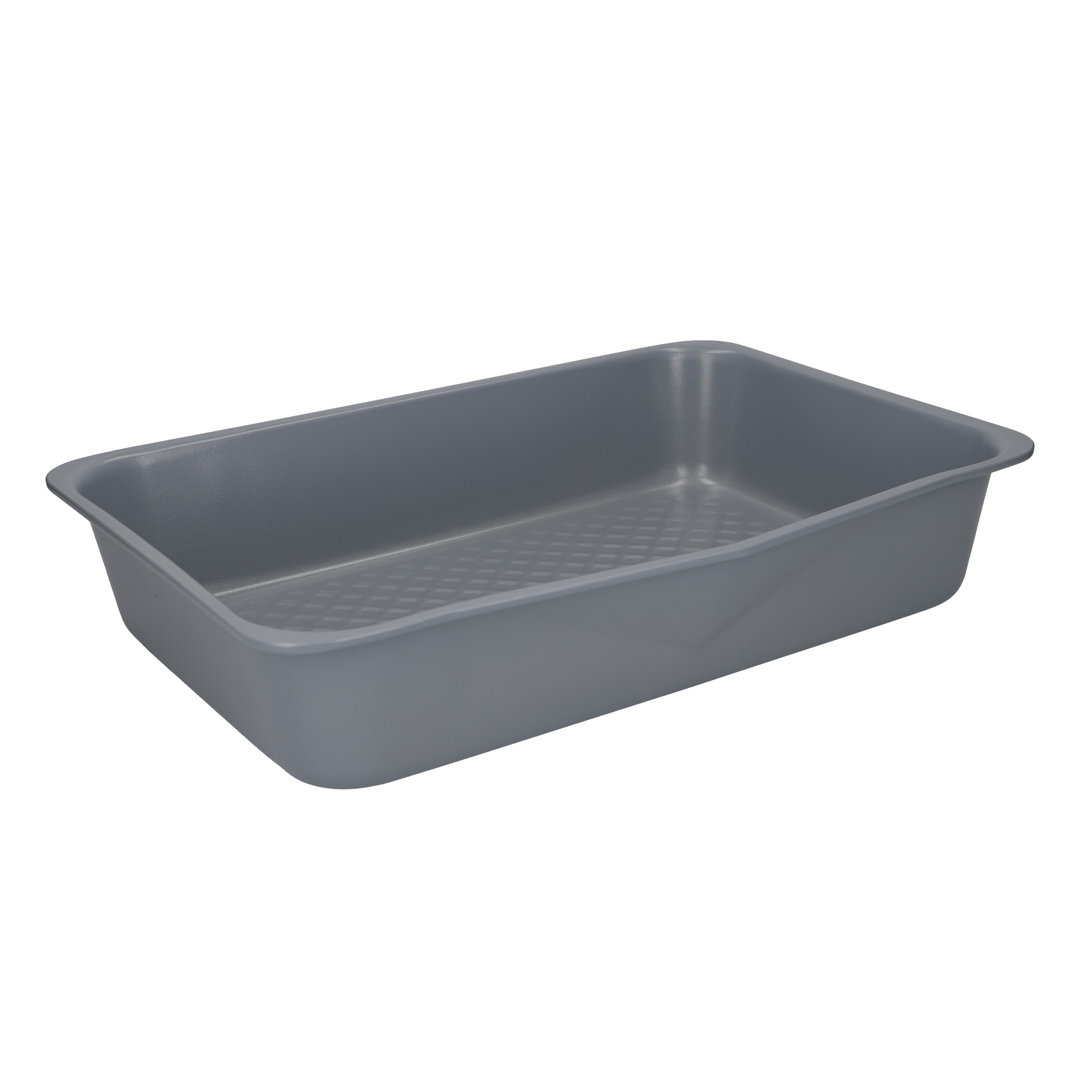
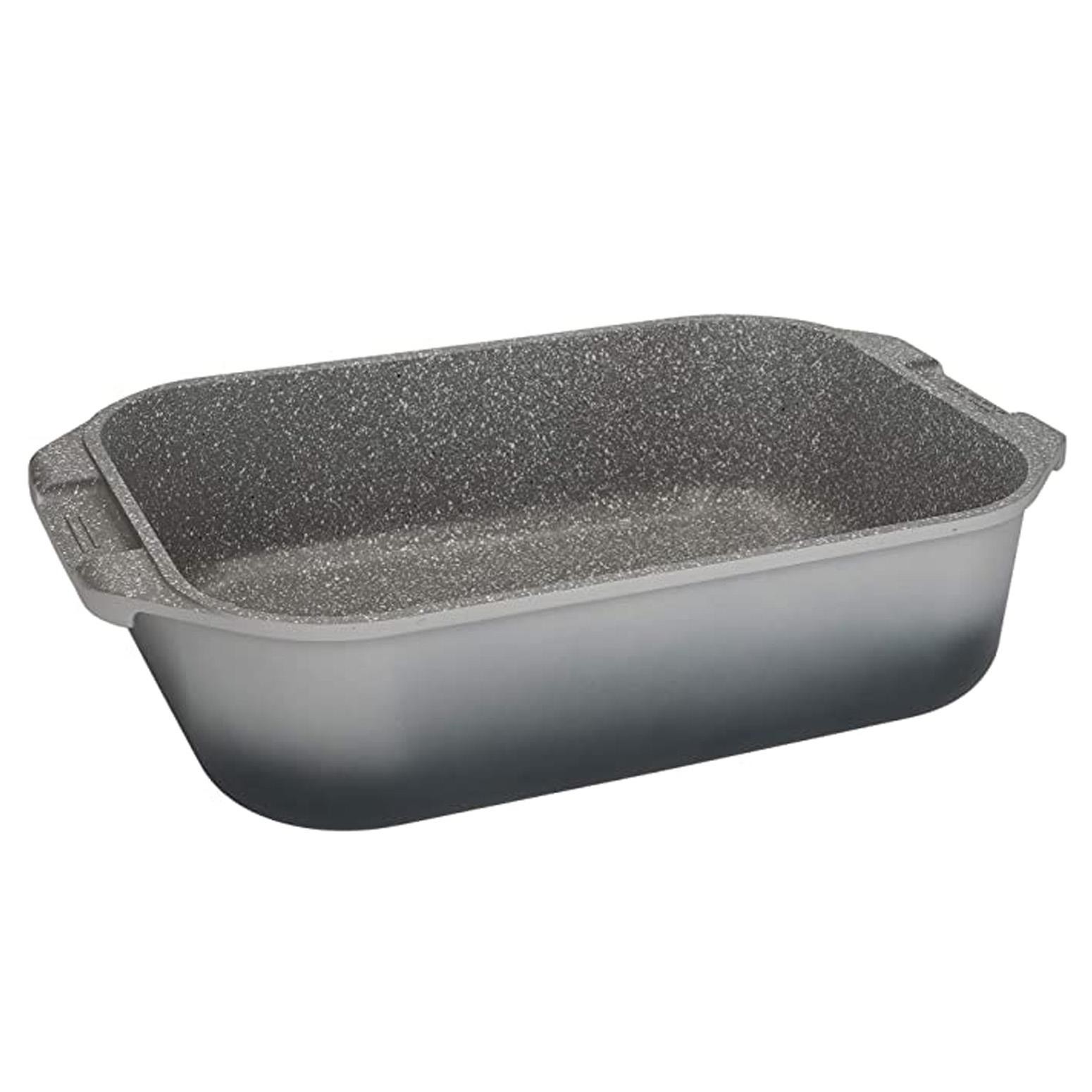
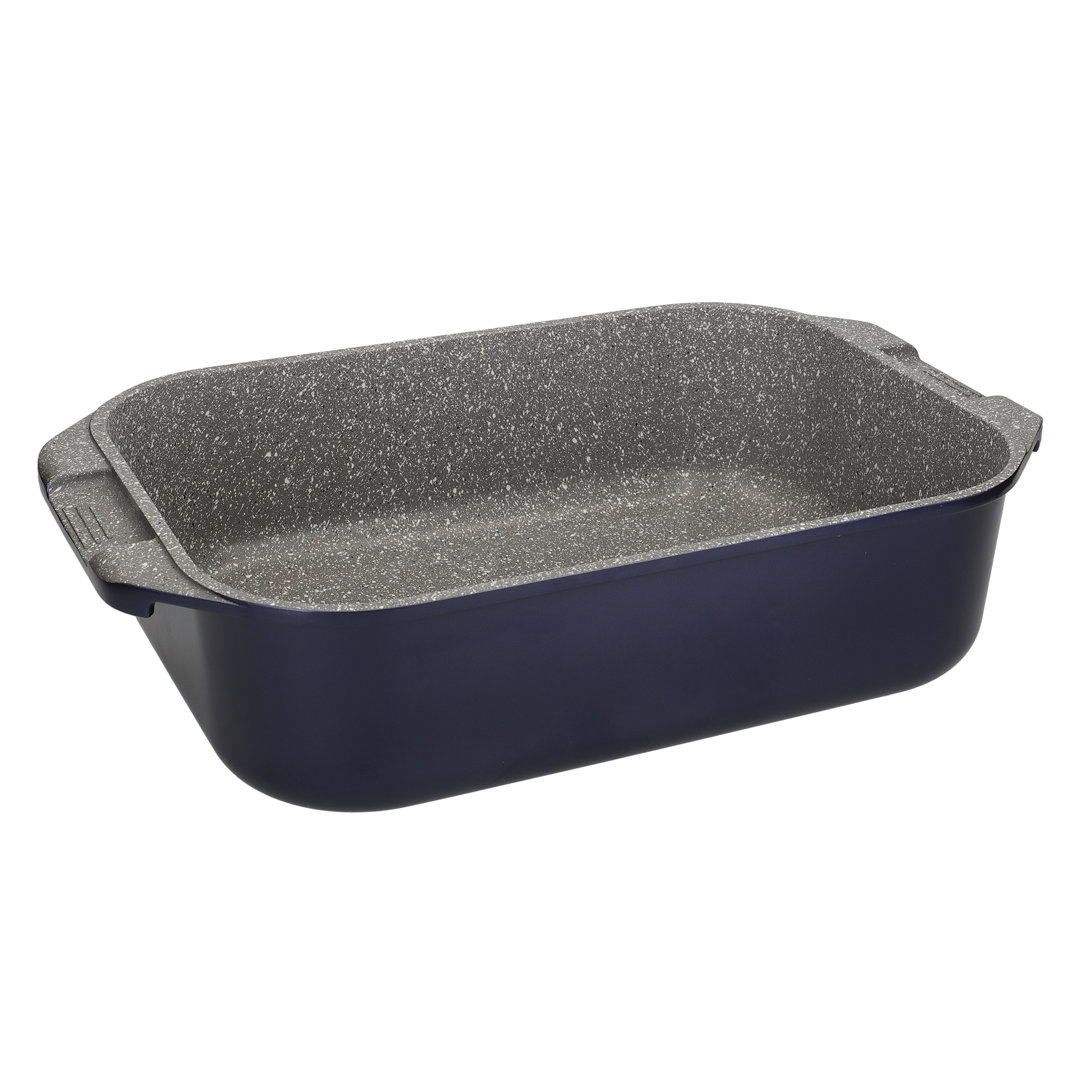
Colour runs black to cream, dark greys hide stains better than white.
Sub-type scope
Sub-type matters: Bakeware and Cookware & Bakeware listings include rigid tins and flexible foil, pick rigid for stability.
Use case
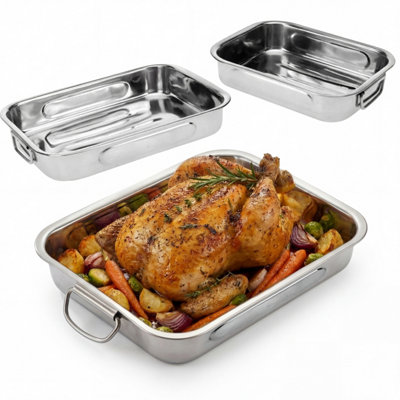
Large hosts gain from disposable aluminium oval trays, but Sunday dinner wants a stainless steel roaster.
Gift vs utility
Engraved trays suit gifts, plain steel tins suit constant roasting.
What's good
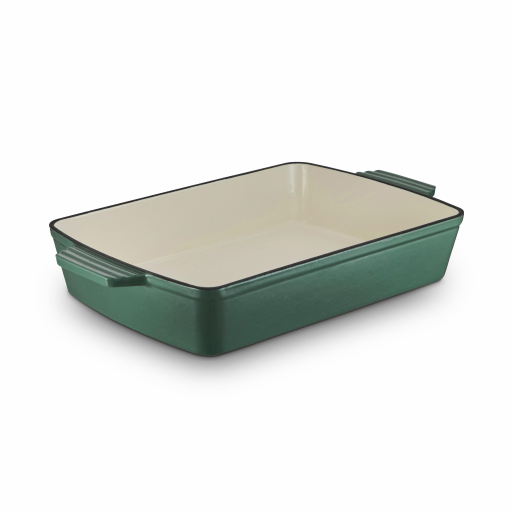
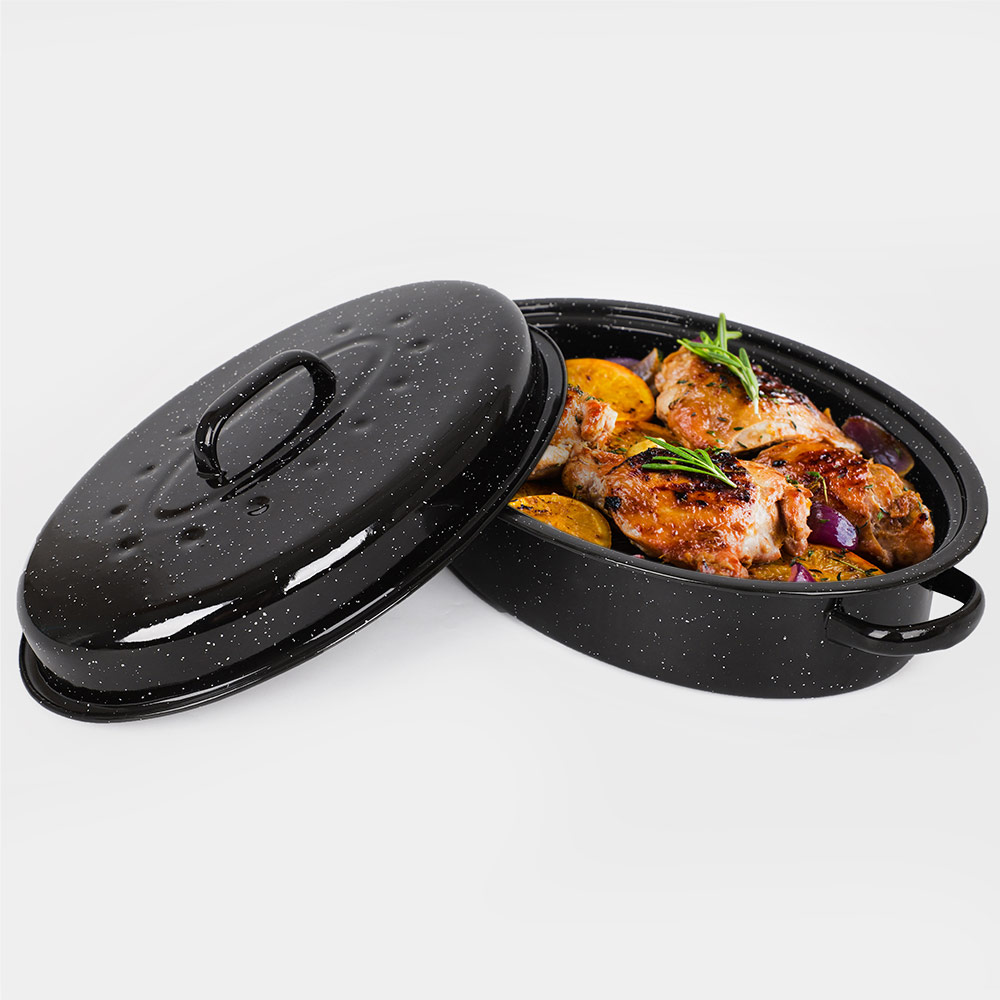
- Cast iron and enamel roasters hold heat well, suiting slow joint cooks.
- Aluminium foil trays cut cleanup after parties or batch baking.
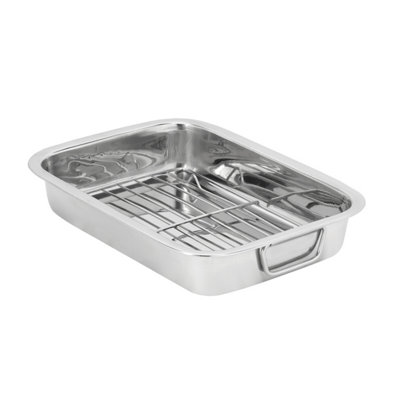
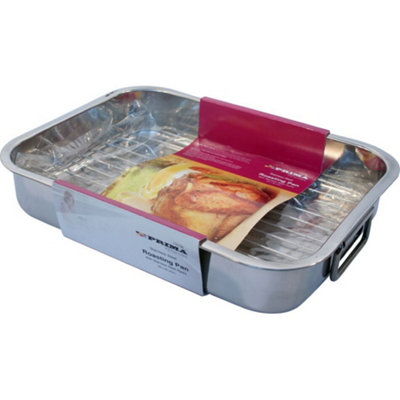
- Stainless steel tins resist staining and give a rigid weekly-use base.
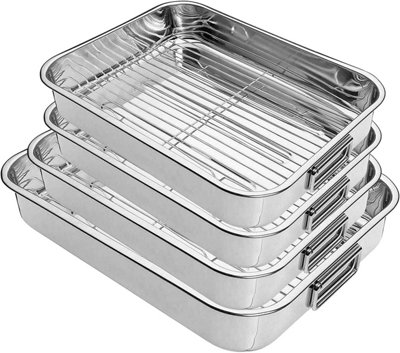
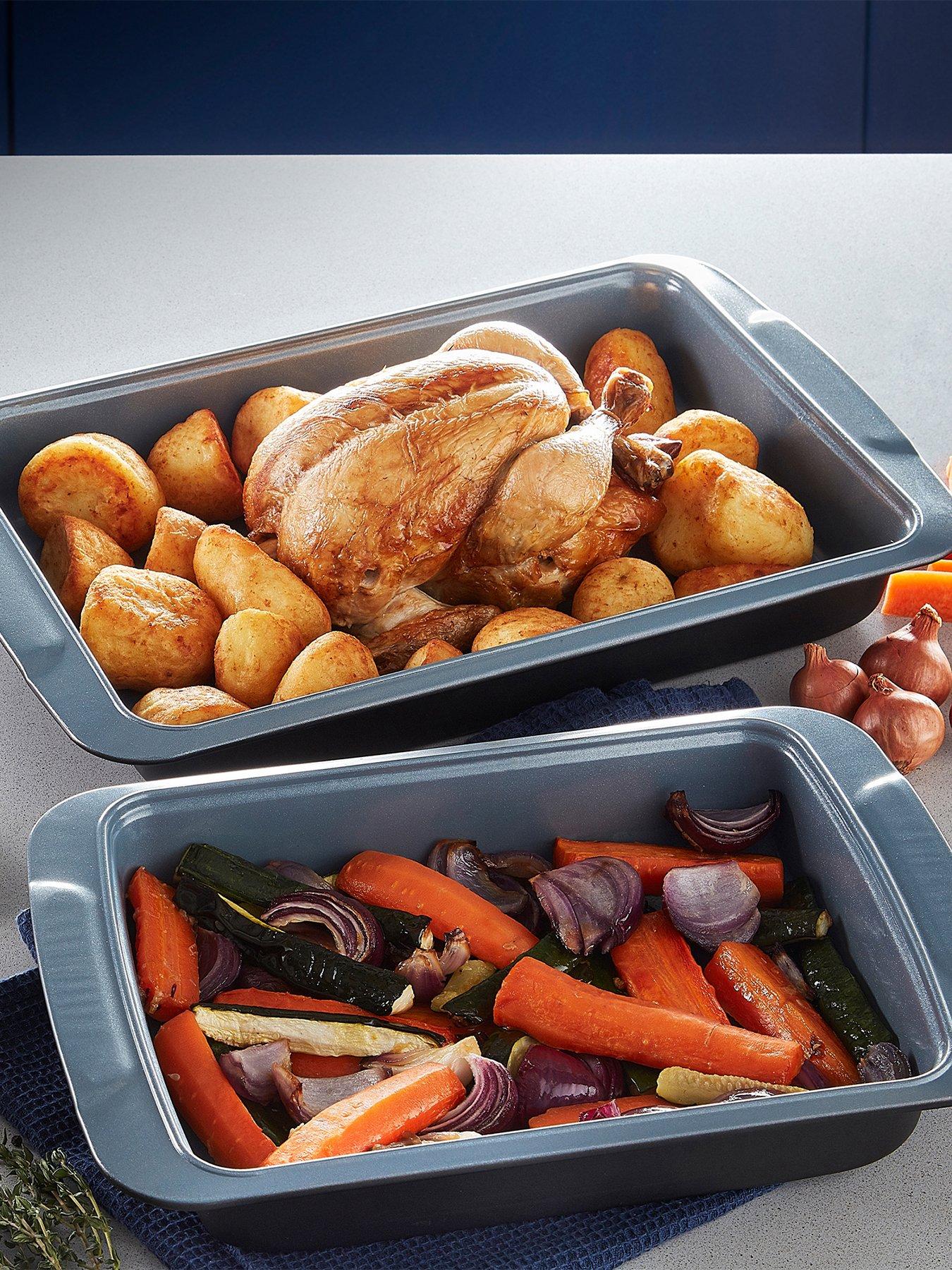
- Multi-piece roaster sets offer several sizes for meat and veg together.
- Engraved baking trays add a gift message standard ware lacks.
Things to watch
- Cast iron roasters are heavy, hard for anyone with limited grip strength.
- Foil trays bend easily, poor for everyday oven stability.
- Iron pans with wooden handles need hand washing, not dishwasher ease.
- Dark colours like black or graphite grey show scratches more than cream.
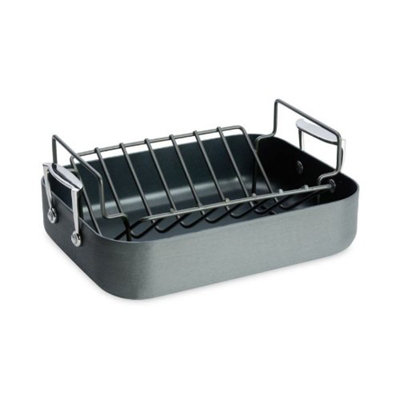
- Non-stick deep pans need gentle tools, wrong for those using metal spatulas.
Care & maintenance
Iron care
Hand wash cast iron and pure iron pans, then dry fully to avoid rust.
Steel care
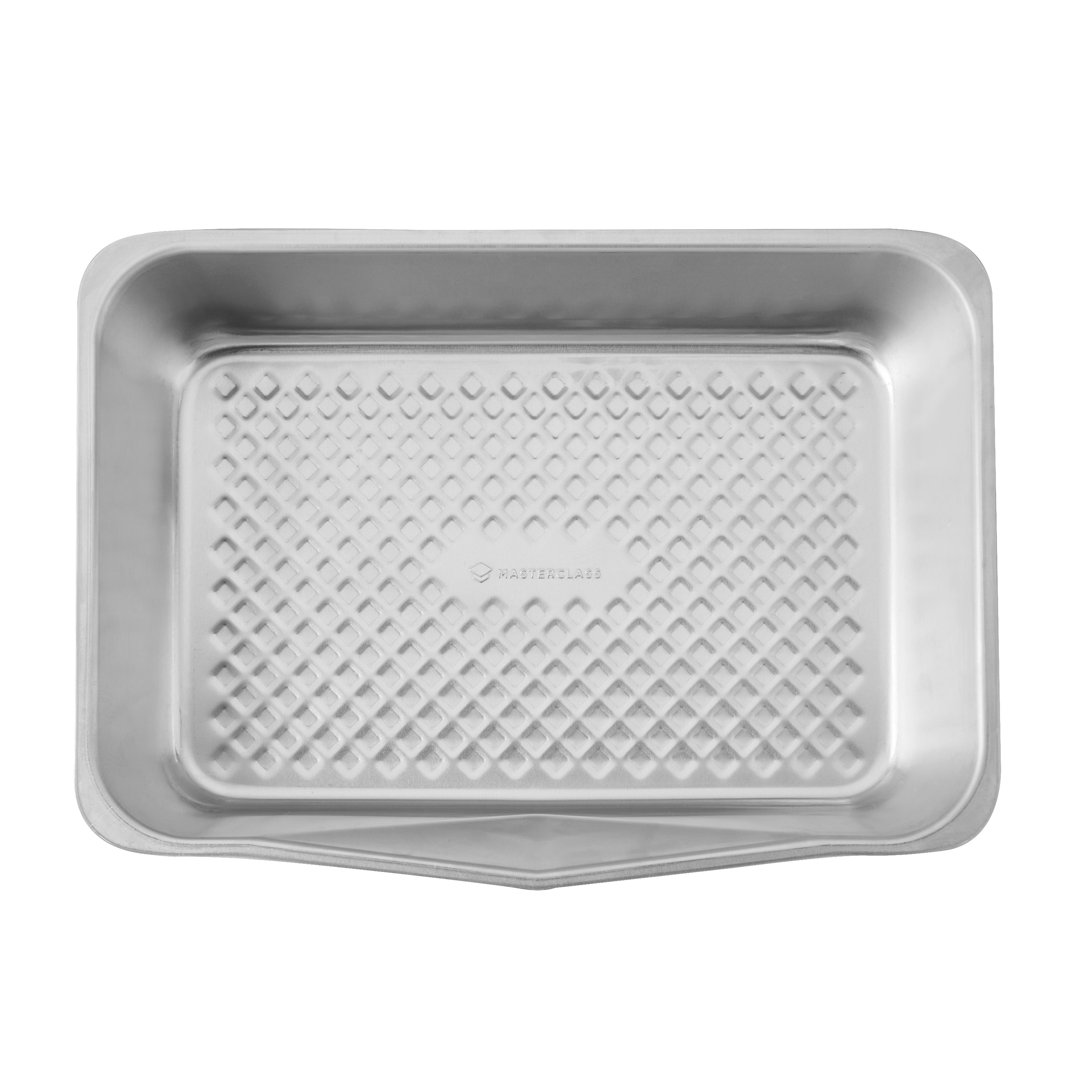
Skip steel wool on stainless steel or tin/steel tins to keep surfaces smooth.
Disposables
Bin aluminium foil trays after use, they are built for a single trip.
Enamel care
Wipe enamel roasting dishes with a soft cloth, harsh scrubbers dull the finish.
Frequently Asked Questions
What should I look for when buying roasting pans?
When shopping for roasting pans, consider factors such as quality, price, brand reputation, and customer reviews. Compare prices across multiple retailers to ensure you're getting the best deal. Look for products that match your specific needs and budget.
How do I choose the right roasting pans?
Choosing the right roasting pans depends on your individual needs, budget, and preferences. Research different options, read customer reviews, and compare specifications. Consider what features are most important to you and look for products that offer the best value for money.
Where can I find the best deals on roasting pans?
You can find the best deals on roasting pans by comparing prices across multiple retailers. Our price comparison tool helps you find the lowest prices from trusted UK retailers including Amazon, eBay, and other major online stores. Check regularly as prices and deals change frequently.
Are roasting pans products worth the investment?
The value of roasting pans products depends on your specific needs and how you plan to use them. Quality products from reputable brands often provide better long-term value, even if they cost more initially. Consider your budget and requirements when making your decision.
What's the difference between different types of roasting pans?
Different types of roasting pans vary in features, quality, price, and intended use. Some may offer premium features while others focus on affordability. Research the specific differences between models or brands to find the option that best suits your needs and budget.