Power Over Ethernet Adapters
How to choose power over ethernet adapters
Sub-type fit
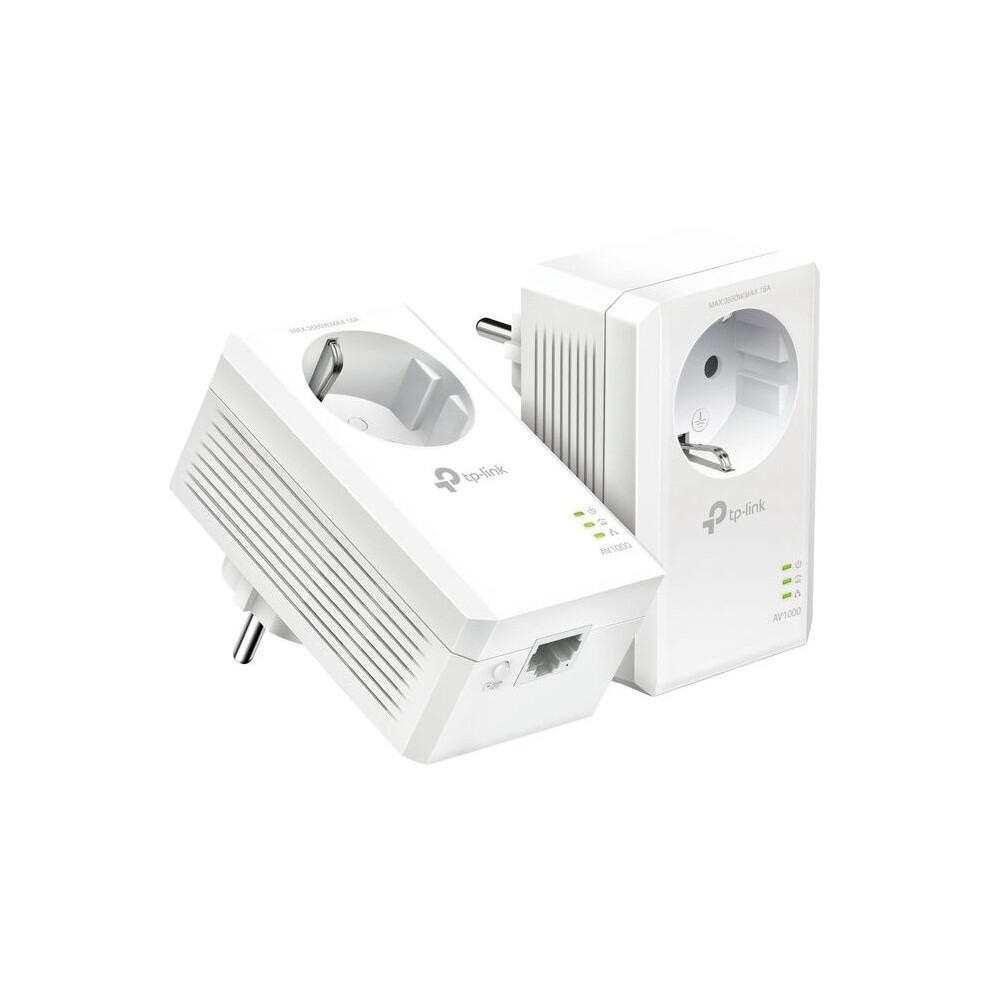
Decide between Electronics powerline kits and Networking PoE gear based on existing wires.
Build material
Pick metal or steel housing for rack converters, plastic keeps a desk unit light.
Power tier
Match injector class: 802.3af gives 15.4W, PoE+ covers heavier devices.
Colour choice
Color rarely affects function, but black hides in server rows, white/light suits living rooms.
Spec priority
Material blends like copper/mode appear, yet speed and port type matter more for daily use.
What's good
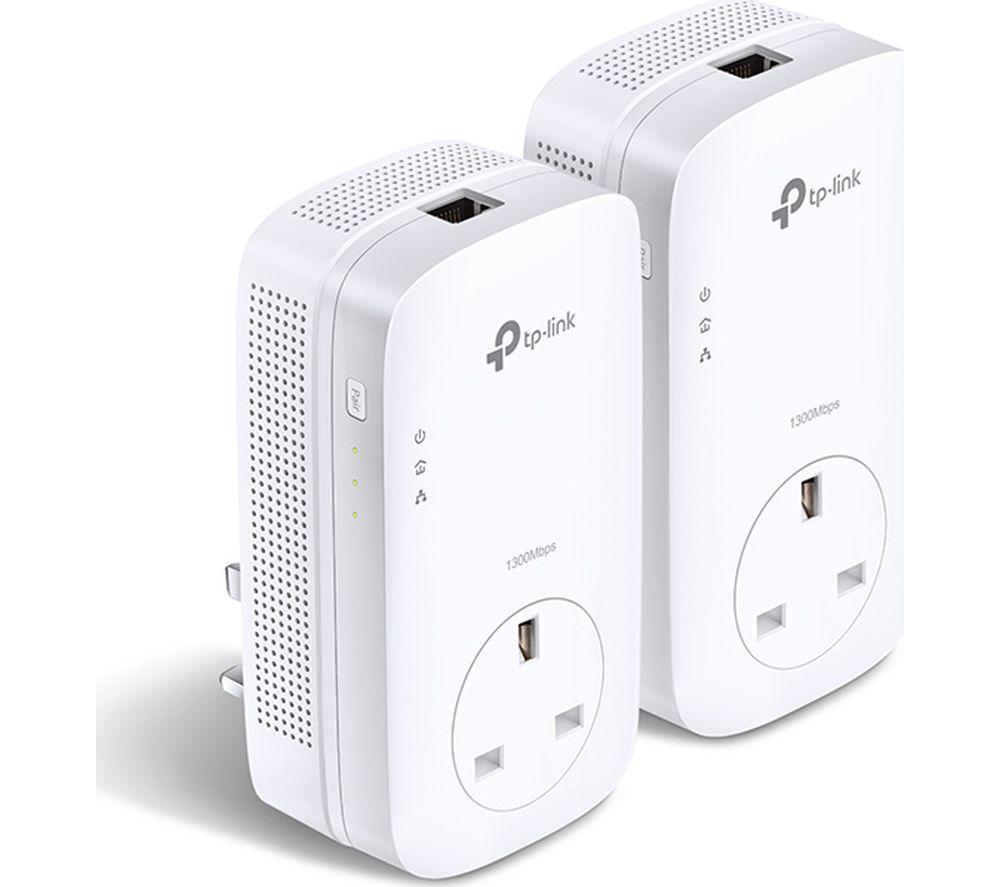
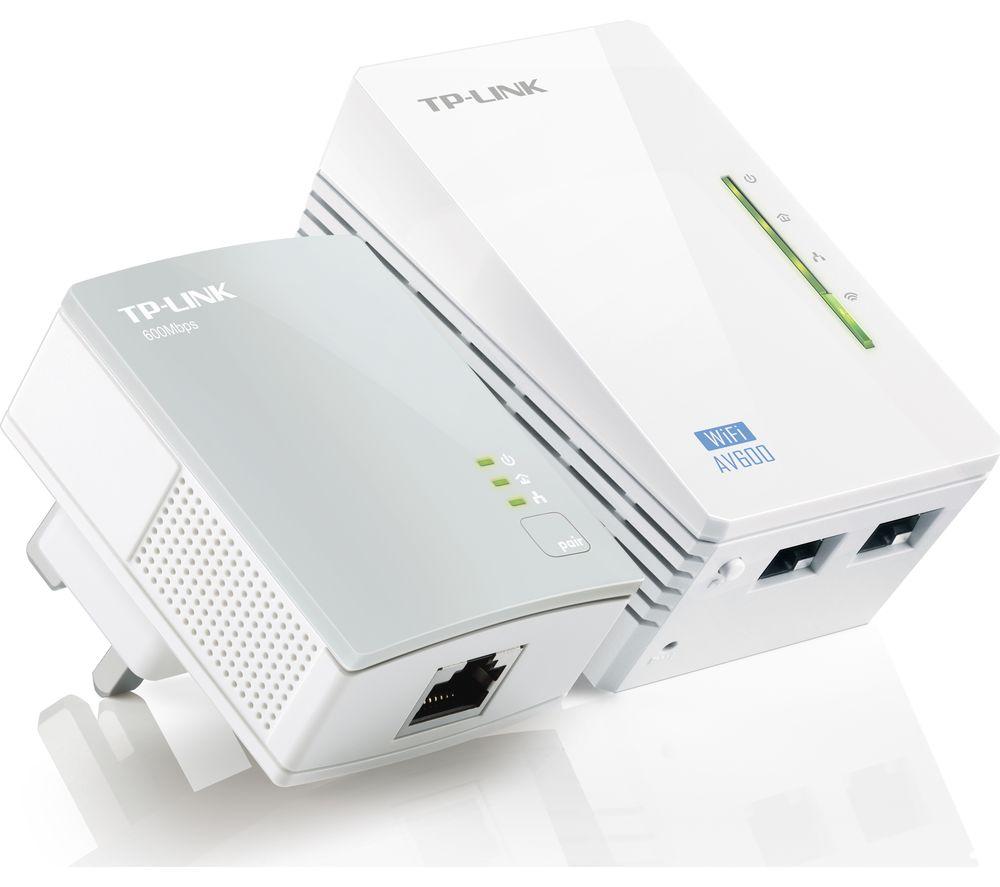
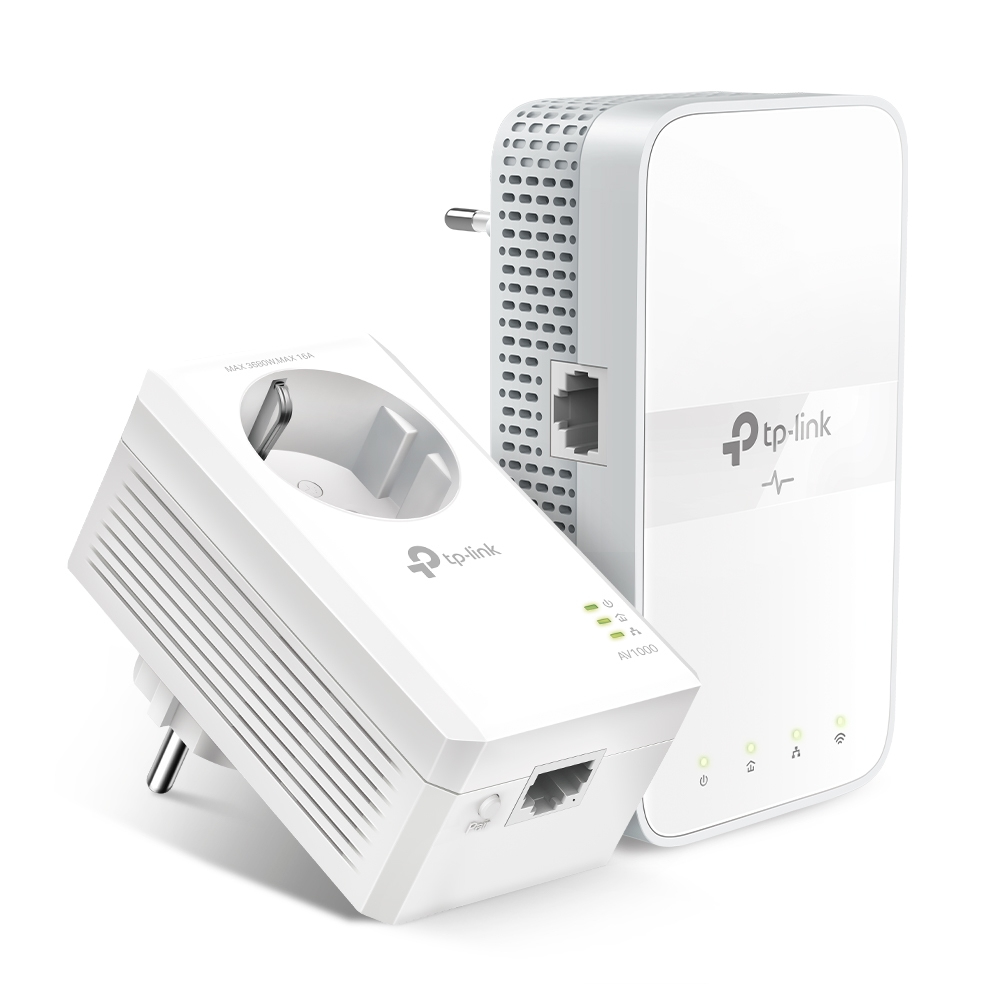
- Powerline kits let you extend a network using existing electrical wiring, handy for thick walls.
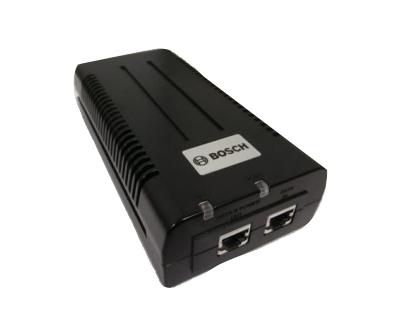
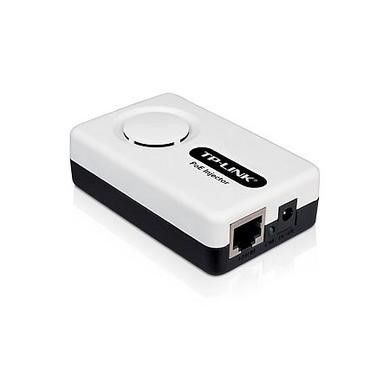
- PoE injectors feed both data and power over one cable, so you skip a local power socket.
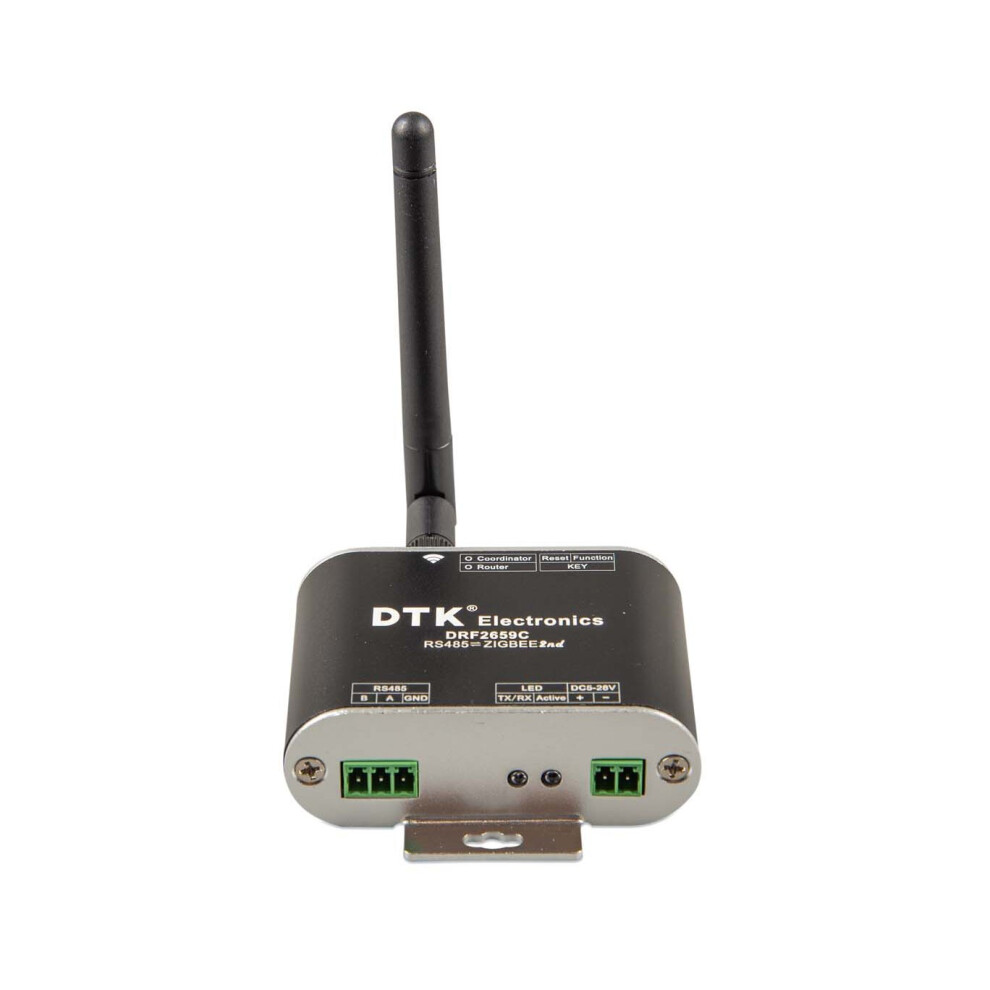
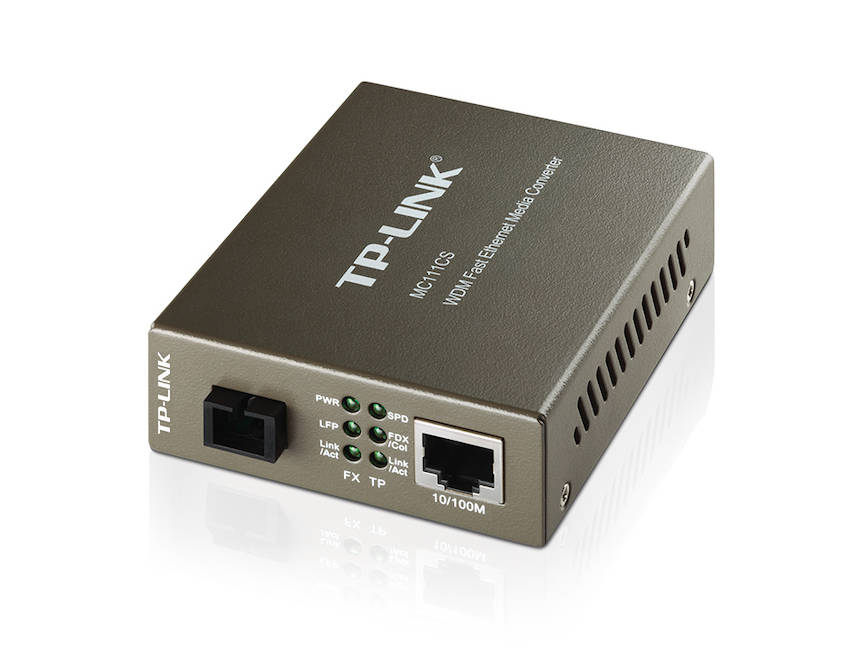
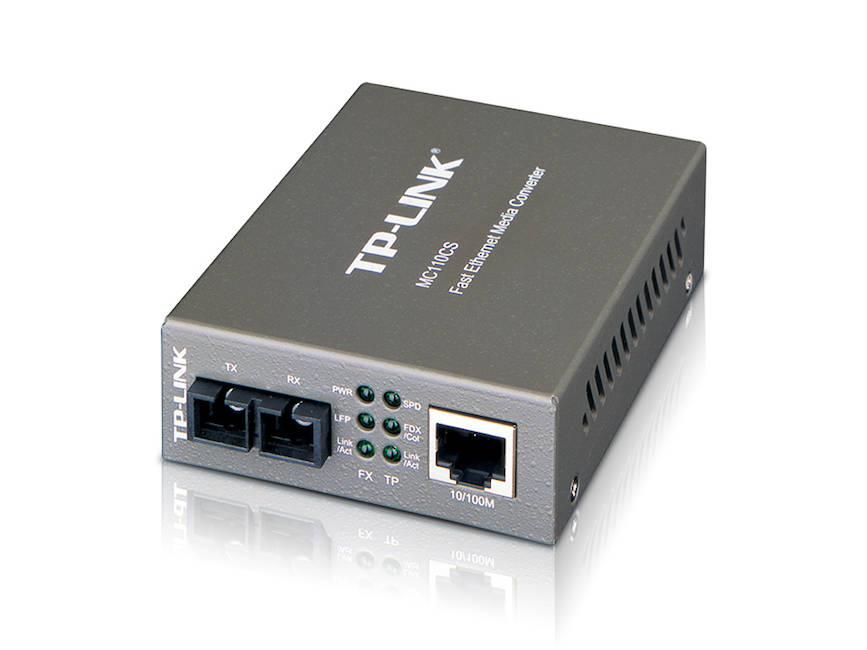
- Media converters bridge copper ports to multi-mode fiber, pushing links far beyond copper limits.
- Active splitters drop 48V to 5V USB, running small devices straight from a PoE line.
- Gigabit models in this range handle 1000 Mbit/s, enough for most office backbones.
Things to watch
- 10/100 media converters cap at older speeds, wrong for gigabit uplinks.
- Plastic-bodied units warm up faster than metal housings under steady load.
- Powerline throughput swings with your home circuit age, not just the adapter rating.
- PoE splitters only supply low current, so they cannot drive high-wattage equipment.
- Fiber converters need the right wavelength and mode, mismatches leave links dark.
Care & maintenance
Dust control
Wipe dust from metal vents on always-on converters to keep heat down.
Connector care
Inspect RJ45 clips; plastic tabs crack if you swap cables daily.
Dry storage
Keep adapters away from damp, as few here claim sealed enclosures.
Socket use
For powerline pairs, plug straight into wall sockets, not multi-way surge strips.
Frequently Asked Questions
What should I look for when buying power over ethernet adapters?
When shopping for power over ethernet adapters, consider factors such as quality, price, brand reputation, and customer reviews. Compare prices across multiple retailers to ensure you're getting the best deal. Look for products that match your specific needs and budget.
How do I choose the right power over ethernet adapters?
Choosing the right power over ethernet adapters depends on your individual needs, budget, and preferences. Research different options, read customer reviews, and compare specifications. Consider what features are most important to you and look for products that offer the best value for money.
Where can I find the best deals on power over ethernet adapters?
You can find the best deals on power over ethernet adapters by comparing prices across multiple retailers. Our price comparison tool helps you find the lowest prices from trusted UK retailers including Amazon, eBay, and other major online stores. Check regularly as prices and deals change frequently.
Are power over ethernet adapters products worth the investment?
The value of power over ethernet adapters products depends on your specific needs and how you plan to use them. Quality products from reputable brands often provide better long-term value, even if they cost more initially. Consider your budget and requirements when making your decision.
What's the difference between different types of power over ethernet adapters?
Different types of power over ethernet adapters vary in features, quality, price, and intended use. Some may offer premium features while others focus on affordability. Research the specific differences between models or brands to find the option that best suits your needs and budget.