Cooktops
How to choose cooktops
Shelf label
Department tag matters less than build. Items sit under Home & Garden, Kitchen & Dining, Hobs, or Kitchen Appliances, yet the hob type is the real decision.
Colour
Colour sets the tone. The range includes black, white, cream, silver, grey, ivory, black glass, and dark/grey. Black glass looks smart but marks easily, while cream or ivory hides dust in light kitchens.
Material
Material changes upkeep. Stainless steel, cast iron, ceramic, glass, and iron mixes appear. Cast iron on gas hobs is sturdy yet heavy; glass needs gentle cleaning.
Fuel type
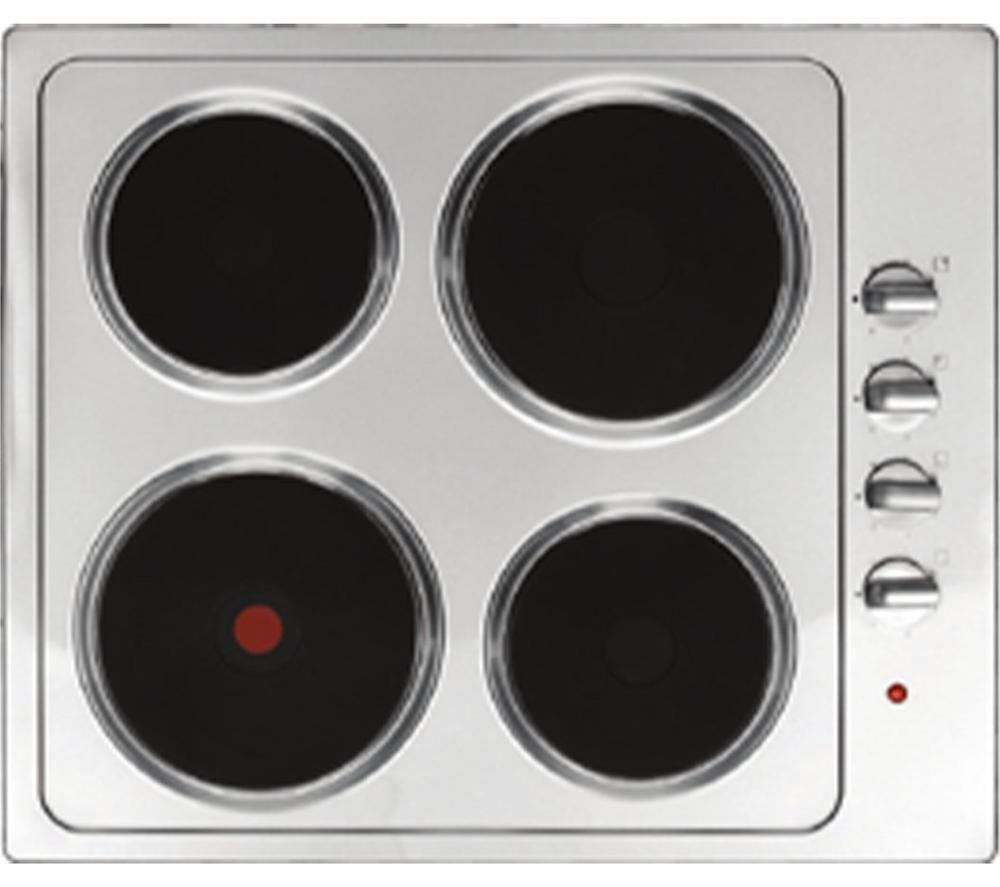
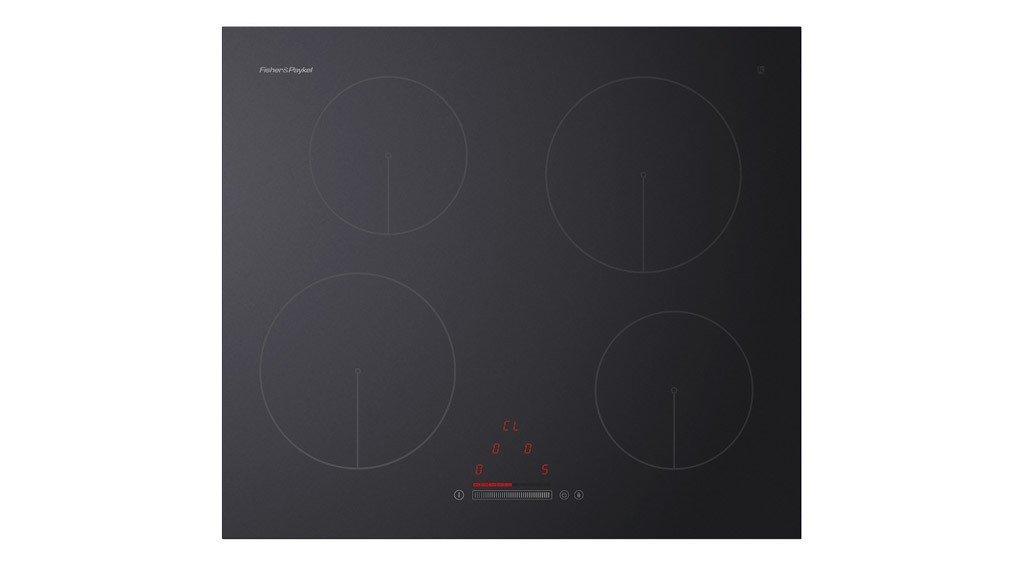
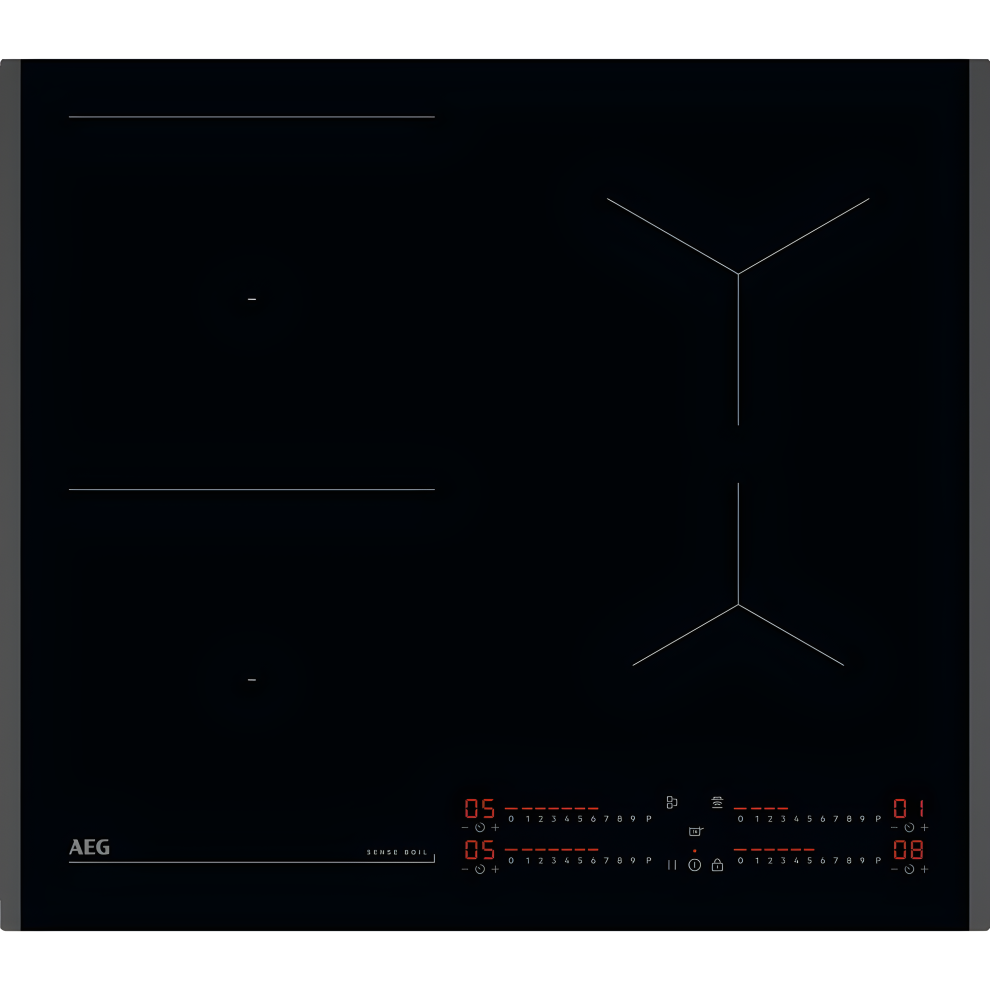
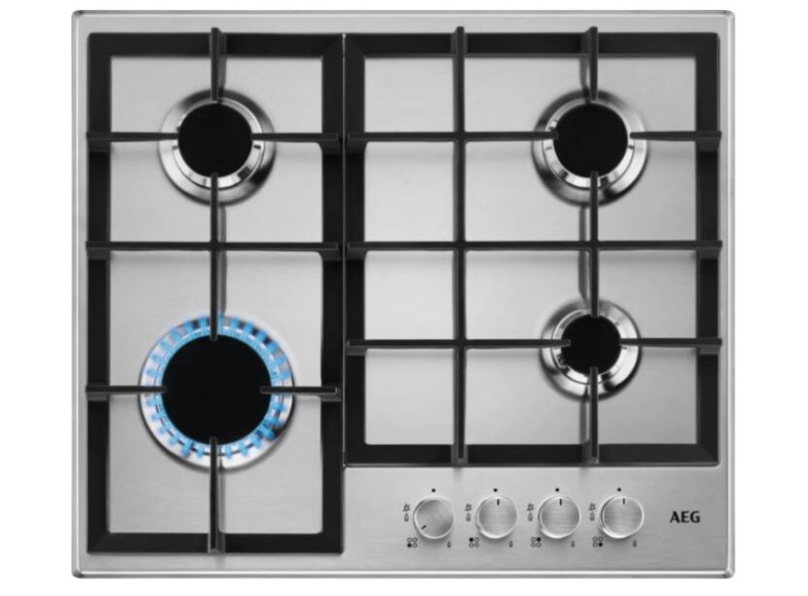
Fuel sits under the Hobs label. Gas gives flame control, induction needs magnetic pans, sealed plate is basic but slow to heat.
Size and finish
Finish, width and colour combine. A 60cm to 90cm hob comes in black glass or stainless steel. Measure the slot, then pick the shade that matches cabinets.
What's good
- Gas hobs with cast iron supports give quick flame control. They accept any pan, including iron or cast iron cookware.
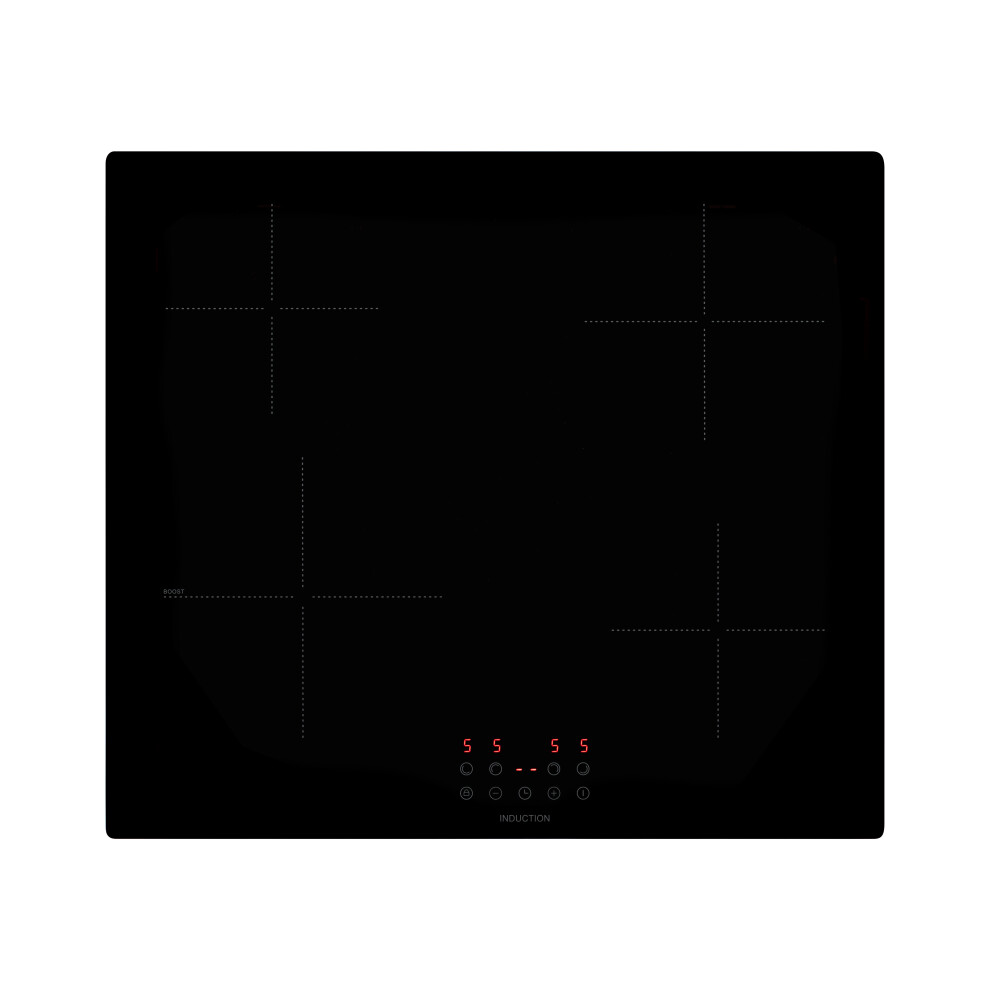
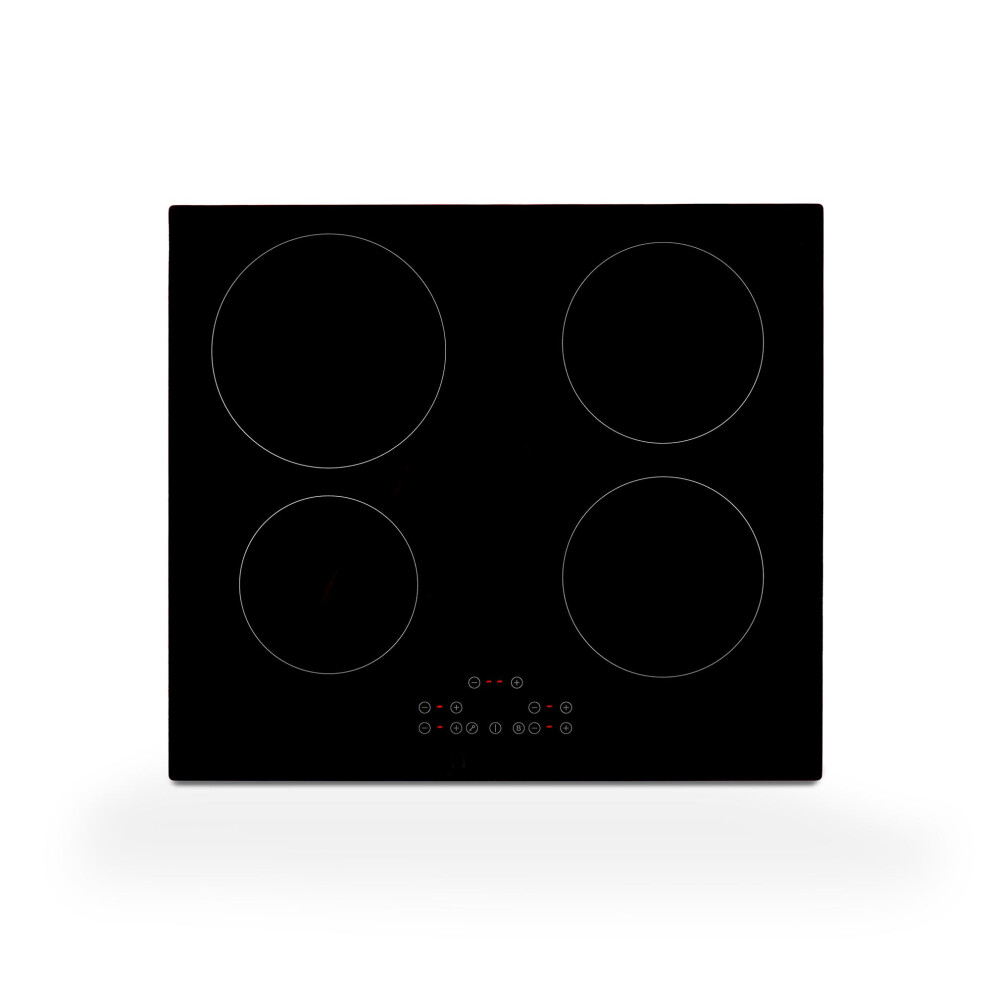
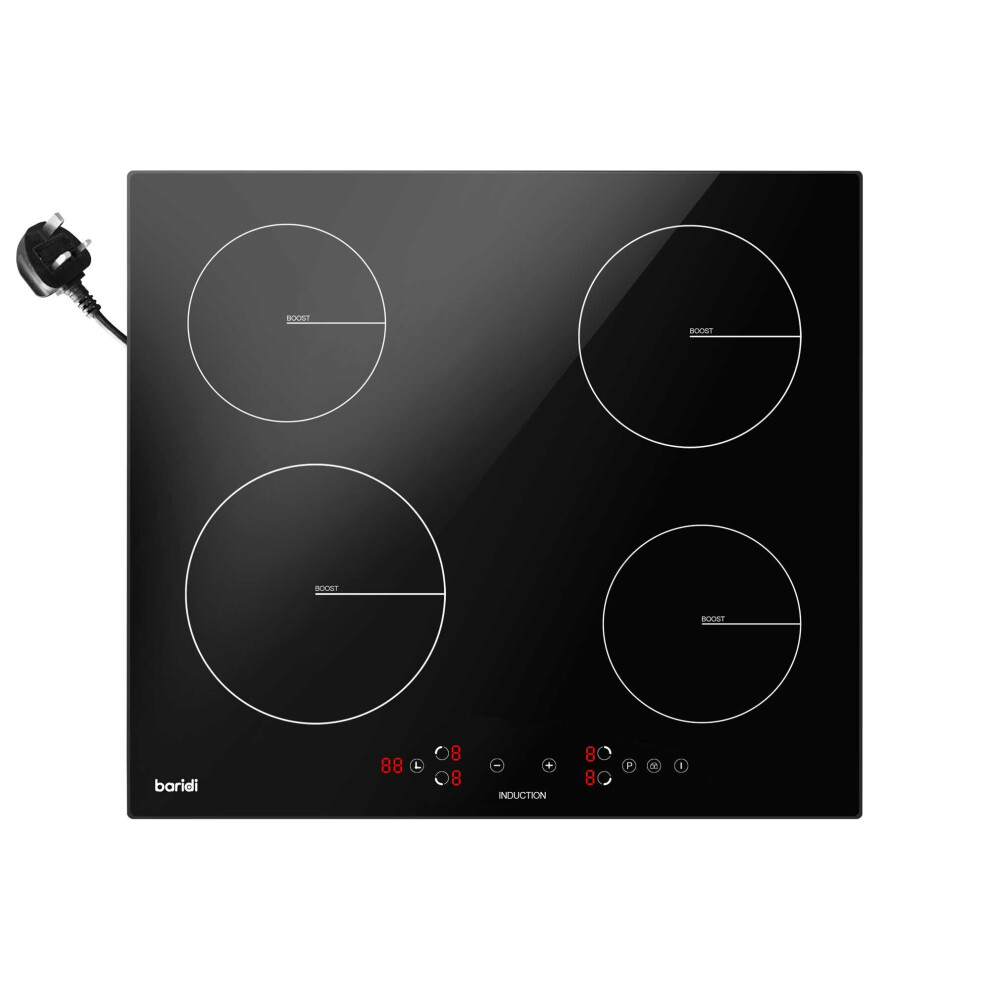
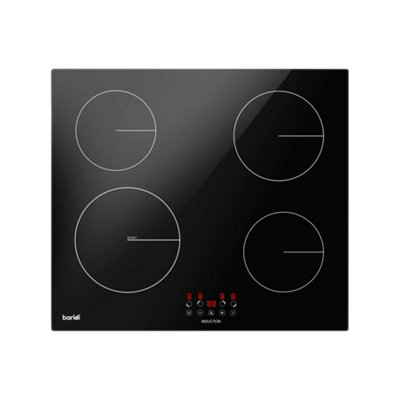
- Induction hobs with black glass tops heat only the pan. The surface stays cooler, so wipedowns are fast.
- Sealed plate hobs in stainless steel use simple electric elements. They suit homes without a gas connection.
- Wide 75cm or 90cm gas hobs offer up to five burners. That helps when cooking for a family.
Things to watch
- Gas hobs need a live gas supply and create an open flame. They are wrong for anyone avoiding gas in the home.
- Induction hobs work only with magnetic cookware. Owners of aluminium or copper pans must swap their pots.
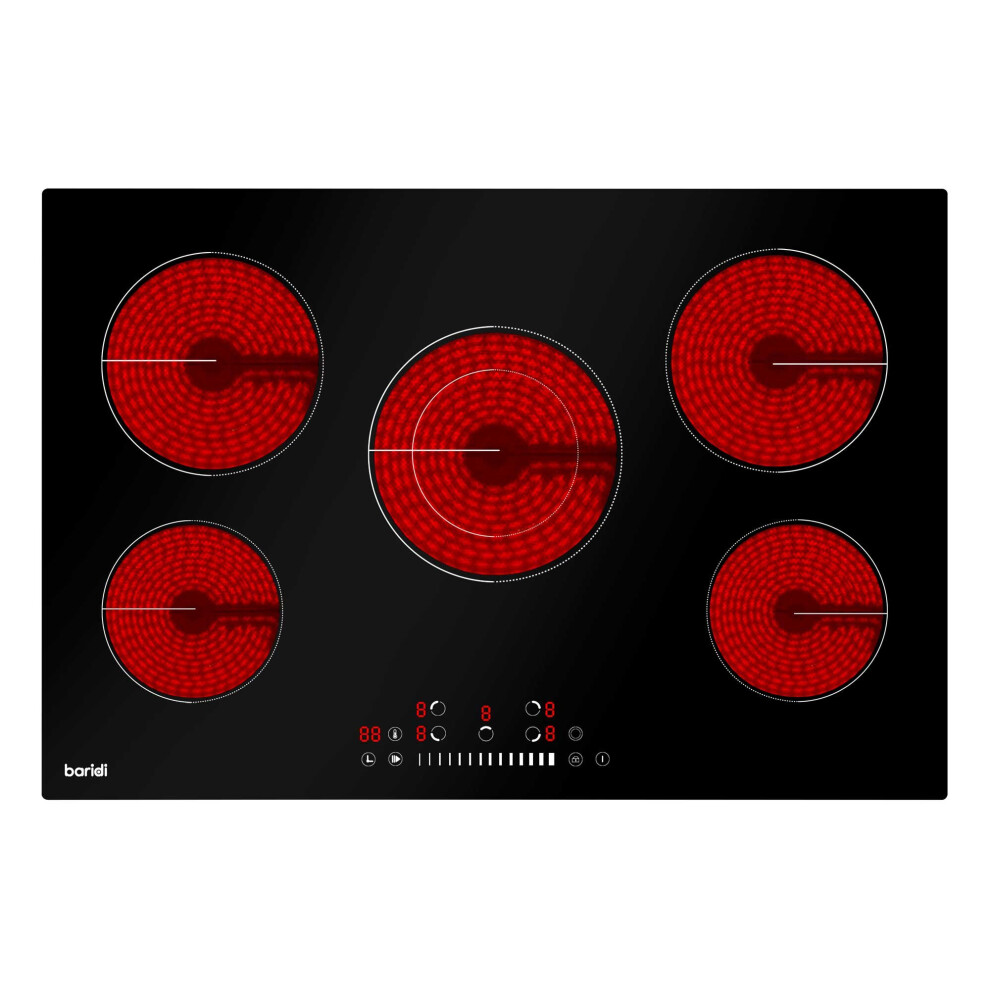
- Sealed plate hobs warm up slowly and hold heat after switch-off. Fine for boiling, less so for precise simmering.
- Black glass finishes show fingerprints and light scratches. Stainless steel hides these better but shows smears.
- Large 90cm hobs need a bigger cut-out than a 60cm slot. Not every worktop can take the width.
Care & maintenance
Steel care
Let stainless steel surfaces cool, then wipe with mild soap. This stops grease settling into the steel.
Cast iron
Lift cast iron pan supports off gas hobs for separate washing. Dry them well to keep rust away.
Glass care
Use a soft cloth on black glass induction tops. Abrasive pads will scar the glass.
Sealed plate
Check sealed plate rims after cooking. Food can bake onto the cast iron plates if left.
Frequently Asked Questions
What should I look for when buying cooktops?
When shopping for cooktops, consider factors such as quality, price, brand reputation, and customer reviews. Compare prices across multiple retailers to ensure you're getting the best deal. Look for products that match your specific needs and budget.
How do I choose the right cooktops?
Choosing the right cooktops depends on your individual needs, budget, and preferences. Research different options, read customer reviews, and compare specifications. Consider what features are most important to you and look for products that offer the best value for money.
Where can I find the best deals on cooktops?
You can find the best deals on cooktops by comparing prices across multiple retailers. Our price comparison tool helps you find the lowest prices from trusted UK retailers including Amazon, eBay, and other major online stores. Check regularly as prices and deals change frequently.
Are cooktops products worth the investment?
The value of cooktops products depends on your specific needs and how you plan to use them. Quality products from reputable brands often provide better long-term value, even if they cost more initially. Consider your budget and requirements when making your decision.
What's the difference between different types of cooktops?
Different types of cooktops vary in features, quality, price, and intended use. Some may offer premium features while others focus on affordability. Research the specific differences between models or brands to find the option that best suits your needs and budget.