Table Tops
How to choose table tops
Sub-type
Decide between Furniture for a real work surface and Table Accessories for decoration only.
Material
Material choice matters: wood/oak for daily use, stone for toughness, pottery or velvet for accent.
Colour
Colour tradeoff: light brown or grey lifts a room but marks, black or dark/brown hides dirt.
Weight
pine or wood/pine/oak suits frequent movers, stone stays put.
Finish
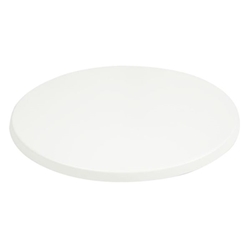
grain and brown/grain add character but clash with a plain white scheme.
What's good
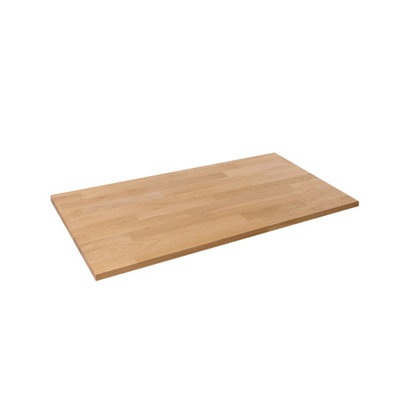
- Furniture tops in wood, oak or pine give a solid surface for meals, desks or craft work.
- Stone material within Furniture shrugs off heat and knife marks better than soft timber.
- Table Accessories in pottery or velvet let you refresh a room without replacing the whole table.
- The colour axis spans brown, grey, white and black, so matching existing furniture is simple.
- Pine and wood/pine/oak builds are lighter than stone, making them easier to carry upstairs.
Things to watch
- Stone tops are heavy and demand a sturdy base, so they are wrong for slim legs.
- Pottery and velvet accessory tops scratch and stain easily, they suit show not use.
- Light brown and light tan wood shows scuffs faster than dark/brown or black finishes.
- Wood and pine can warp in a damp kitchen, unlike inert stone.
- Grain and brown/grain patterns differ per item, so buying two separately may not match.
Care & maintenance
Wood care
Oil wood and oak tops every few months to stop the grain cracking.
Stone care
Wipe stone with a damp cloth, skip vinegar or lemon based cleaners.
Accessory care
Dust pottery and velvet accessory tops with a soft brush, never soak them.
Pine care
Keep pine out of direct sun to protect light tan shades from fading.
Frequently Asked Questions
What should I look for when buying table tops?
When shopping for table tops, consider factors such as quality, price, brand reputation, and customer reviews. Compare prices across multiple retailers to ensure you're getting the best deal. Look for products that match your specific needs and budget.
How do I choose the right table tops?
Choosing the right table tops depends on your individual needs, budget, and preferences. Research different options, read customer reviews, and compare specifications. Consider what features are most important to you and look for products that offer the best value for money.
Where can I find the best deals on table tops?
You can find the best deals on table tops by comparing prices across multiple retailers. Our price comparison tool helps you find the lowest prices from trusted UK retailers including Amazon, eBay, and other major online stores. Check regularly as prices and deals change frequently.
Are table tops products worth the investment?
The value of table tops products depends on your specific needs and how you plan to use them. Quality products from reputable brands often provide better long-term value, even if they cost more initially. Consider your budget and requirements when making your decision.
What's the difference between different types of table tops?
Different types of table tops vary in features, quality, price, and intended use. Some may offer premium features while others focus on affordability. Research the specific differences between models or brands to find the option that best suits your needs and budget.