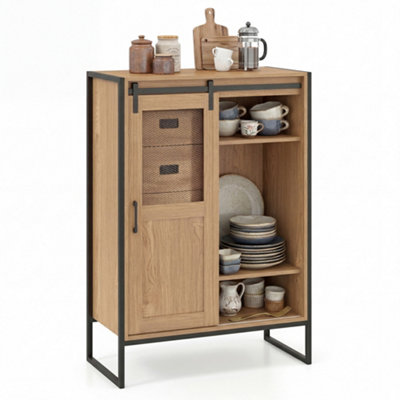
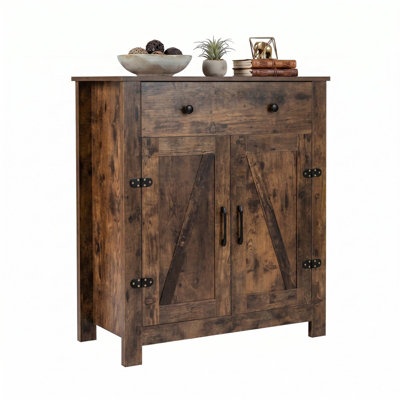
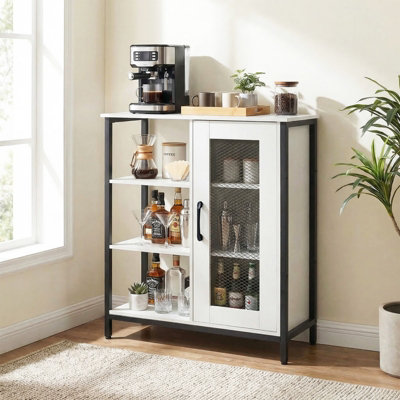
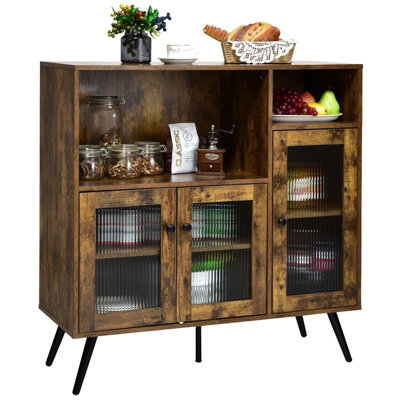
Kitchen Cabinets
How to choose kitchen cabinets
Sub-type
Pick Furniture if you rent or reshuffle often, but choose Cabinets & Storage for a fitted look.
Material
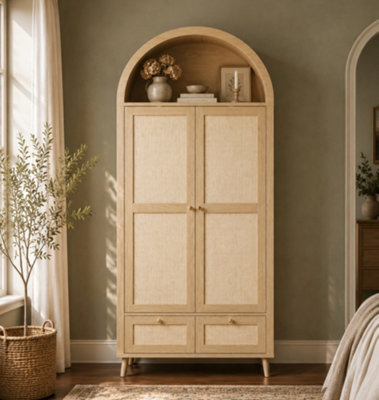
Oak or wood/pine suits a cottage feel and accepts repairs, while metal or steel suits a spill-prone utility area.
Colour
Colour splits the range: white and light grey sit neutral, but green or blue become the room's statement.
Shape
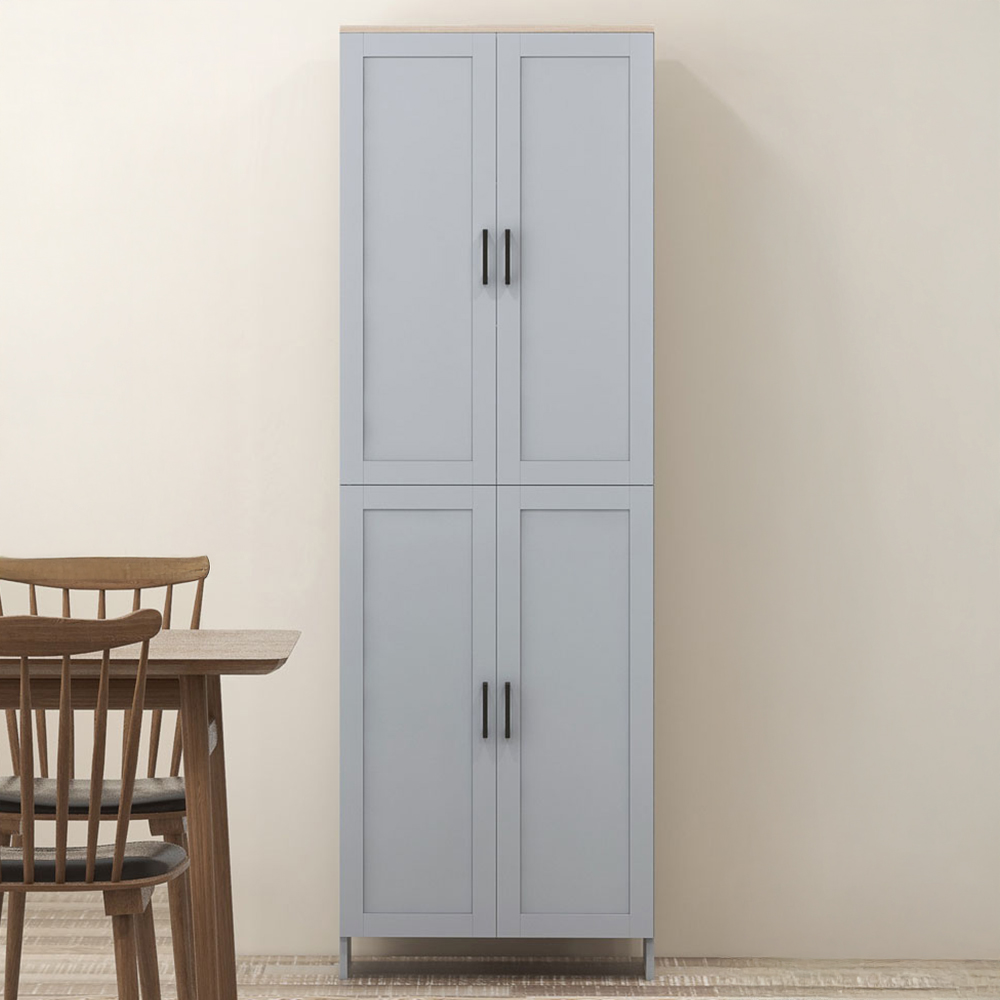
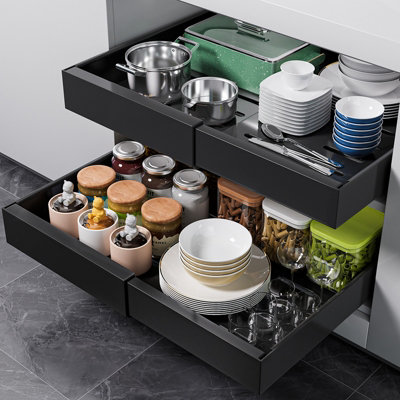
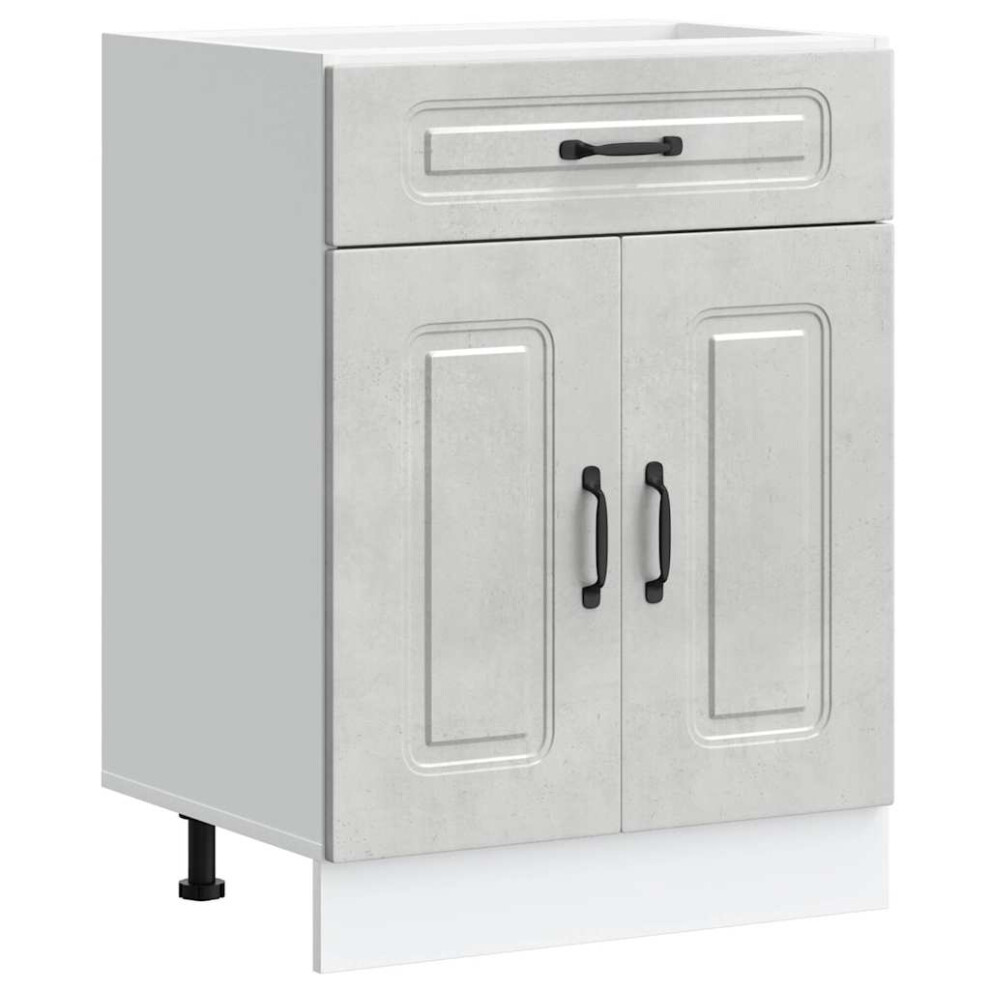
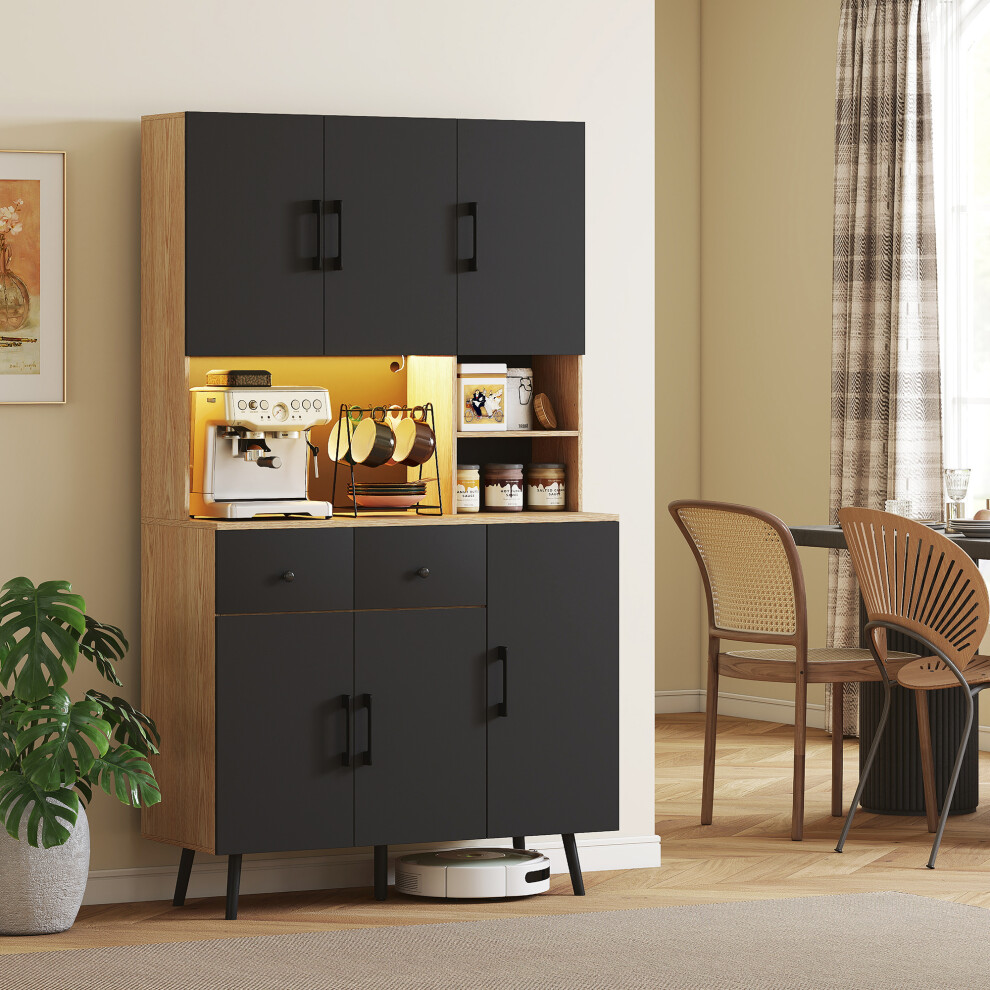
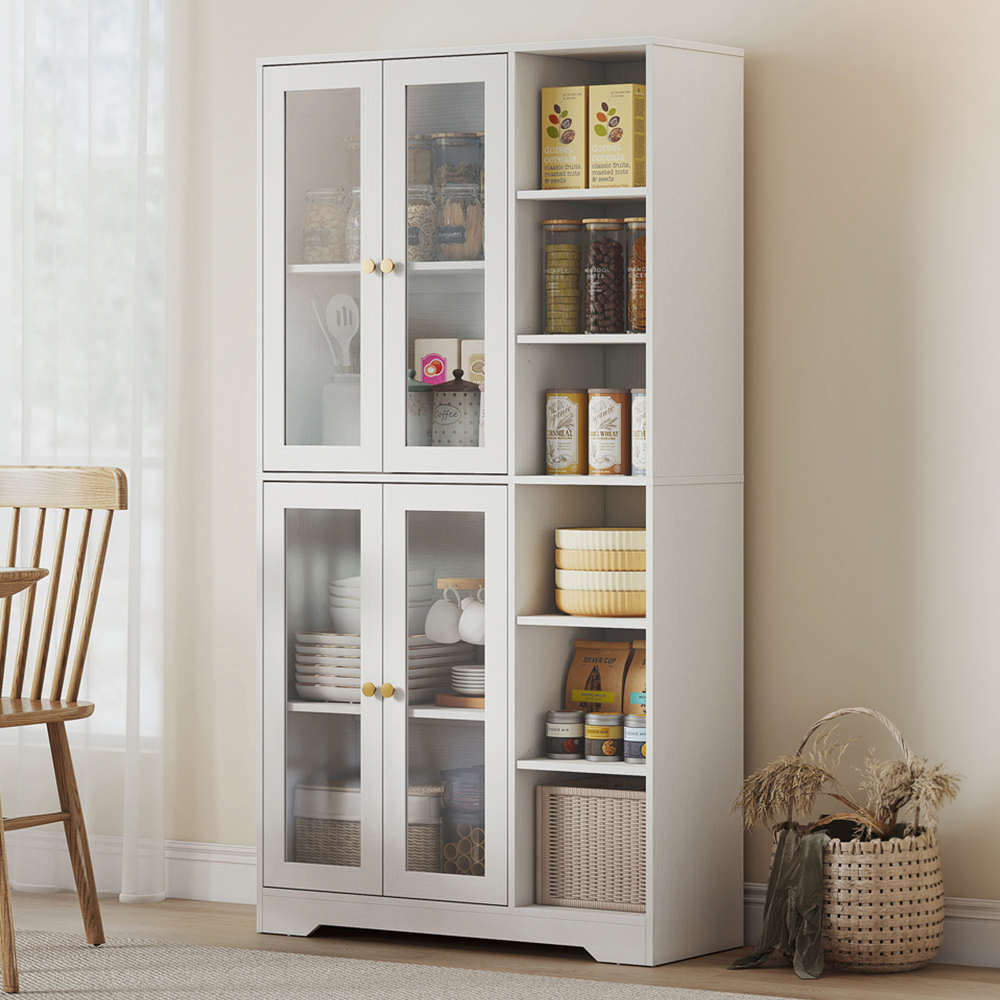
A tall larder stores brooms and cereal boxes, whereas a drawerline base cabinet sorts pans in shallow space.
Finish
Bare wood can be sanded and repainted later, while chipboard arrives in one fixed colour.
What's good
- Freestanding larder cupboards in the Furniture sub-type need no wall fixing, so you can move them between rooms.
- Slab cabinets from the Cabinets & Storage sub-type appear in fixed widths such as 500mm or 600mm, lining up with standard kitchen runs.
- Solid wood and oak builds shrug off knocks better than chipboard and can be sanded if scratched.
- Painted finishes in green, blue or cashmere bring a strong colour point without redecorating the whole space.
- Soft-close doors feature on several freestanding pantry units, keeping early mornings quiet.
Things to watch
- Freestanding pieces take floor area, a poor match for a tight galley where a wall cabinet would use empty air.
- Chipboard cabinets weigh less but dent under a dropped mug, unlike steel or oak frontages.
- Hand-painted pine cupboards carry character yet need more careful cleaning than a stainless steel sink unit.
- Gold or cashmere accents on drawerline fronts show dust and prints faster than a plain white slab.
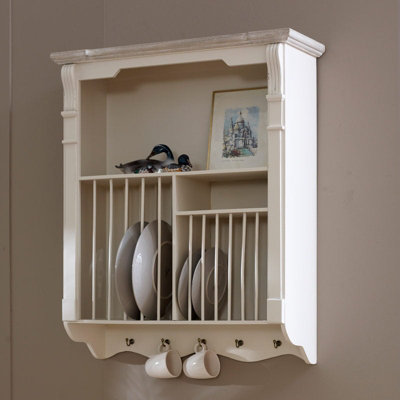
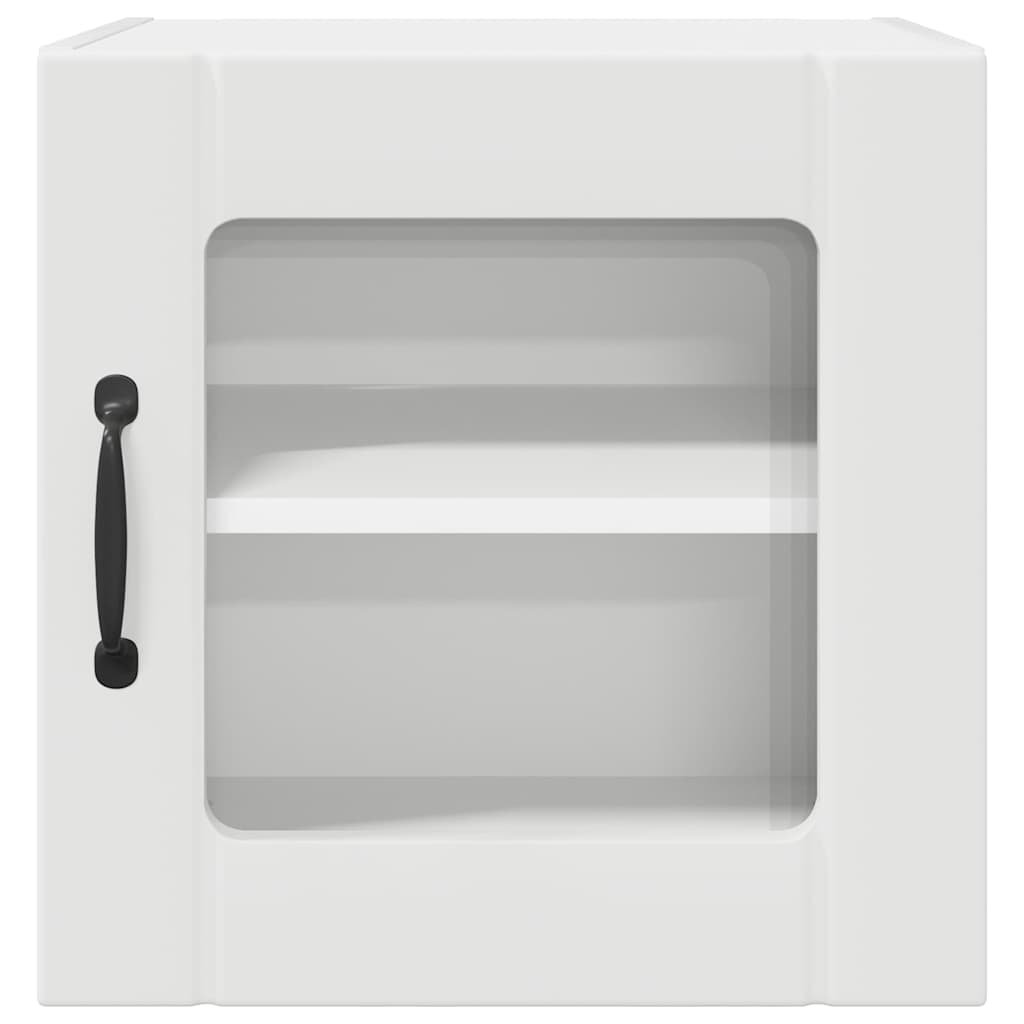
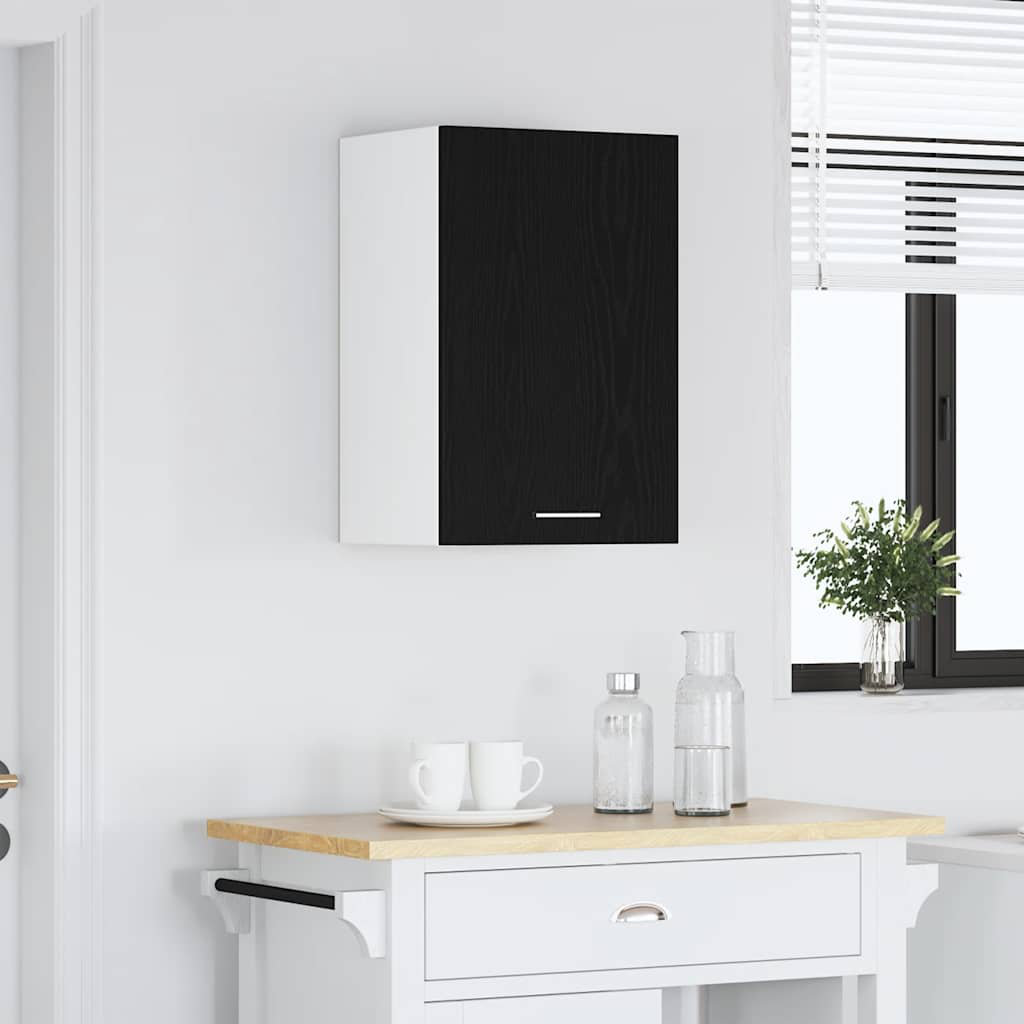
- Wall-hung cabinets require solid fixing, a hassle versus a free-standing linen press that simply stands.
Care & maintenance
Wood care
Wipe wood and oak with a damp cloth then dry, and apply furniture wax once a year to protect the grain.
Painted care
Clean painted fronts with warm soapy water, touching up chips so bare material does not show.
Metal care
Stainless steel and metal parts look best with a dedicated polish to prevent streaking.
Floor contact
Check the base of freestanding units after mopping, as chipboard will swell if left damp.
Frequently Asked Questions
What should I look for when buying kitchen cabinets?
When shopping for kitchen cabinets, consider factors such as quality, price, brand reputation, and customer reviews. Compare prices across multiple retailers to ensure you're getting the best deal. Look for products that match your specific needs and budget.
How do I choose the right kitchen cabinets?
Choosing the right kitchen cabinets depends on your individual needs, budget, and preferences. Research different options, read customer reviews, and compare specifications. Consider what features are most important to you and look for products that offer the best value for money.
Where can I find the best deals on kitchen cabinets?
You can find the best deals on kitchen cabinets by comparing prices across multiple retailers. Our price comparison tool helps you find the lowest prices from trusted UK retailers including Amazon, eBay, and other major online stores. Check regularly as prices and deals change frequently.
Are kitchen cabinets products worth the investment?
The value of kitchen cabinets products depends on your specific needs and how you plan to use them. Quality products from reputable brands often provide better long-term value, even if they cost more initially. Consider your budget and requirements when making your decision.
What's the difference between different types of kitchen cabinets?
Different types of kitchen cabinets vary in features, quality, price, and intended use. Some may offer premium features while others focus on affordability. Research the specific differences between models or brands to find the option that best suits your needs and budget.