Conveyors
How to choose conveyors
Sub-type first
Start with sub-type: Material Handling for moving items, Business & Industrial for replacing machine parts.
Pick the material
Roller material drives the job. Latex for floor prep, polyurethane/stainless steel for gentle handling, steel or nylon for tough wear.
Colour match
Colour options (grey, silver, yellow/green) let you match site safety marks or existing kit.
Manual vs powered
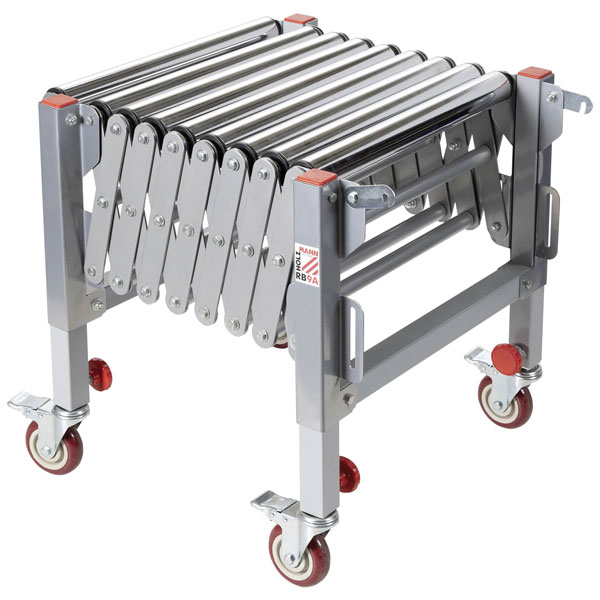
Weigh manual roller tables (six rolls at 700kg, nine rolls at 200kg) against automatic mini conveyor belts based on labour and power.
Check dimensions
Confirm the exact roller dimensions, including custom sizes, against your current frame before you choose. The grid below lists live UK stocks for each type.
What's good
- Universal roller tables (Material Handling) let one person shift loads up to 700kg without powered kit. They suit bench sorting, not long aisles.
- Polyurethane-coated stainless steel conveyor rollers protect fragile boxes with a grippy surface. They are wrong for buyers needing bare steel for heat resistance.
- Business & Industrial platen rollers and conveyor tubes renew worn machinery parts without full replacement. They only work if you already own the compatible equipment.
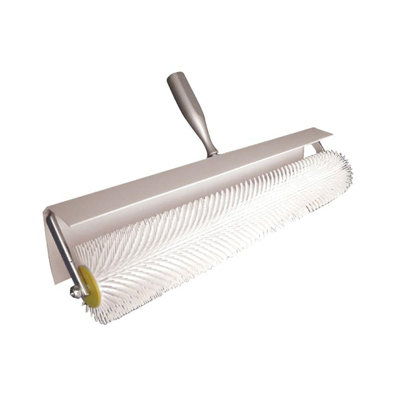
- Spiked latex rollers aerate self-levelling compound in a single pass. Smooth rollers in this range cannot do that task.
Things to watch
- Manual roller tables need pushing, so they fatigue users over long distances. Powered mini conveyors avoid that but need a power socket and floor space.
- Latex spiked rollers are single-purpose. They sit idle outside flooring prep jobs.
- Stainless steel tubes and platen rollers are components, not standalone systems. New builders must source frames elsewhere.
- Custom-size polyurethane rollers (such as 60x500mm) demand exact frame measurements. A few millimetres out means a useless part.
Care & maintenance
Clean steel tubes
Clear dust from stainless steel conveyor tubes after woodworking use to keep them turning freely.
Rinse latex rollers
Rinse latex spiked rollers straight after screeding so compound does not set in the spikes.
Inspect coatings
Check polyurethane-coated rollers for coating tears. Exposed steel cores risk marking your goods.
Wipe plastic parts
Wipe nylon or plastic rollers with a damp cloth to stop debris building on the belt.
Frequently Asked Questions
What should I look for when buying conveyors?
When shopping for conveyors, consider factors such as quality, price, brand reputation, and customer reviews. Compare prices across multiple retailers to ensure you're getting the best deal. Look for products that match your specific needs and budget.
How do I choose the right conveyors?
Choosing the right conveyors depends on your individual needs, budget, and preferences. Research different options, read customer reviews, and compare specifications. Consider what features are most important to you and look for products that offer the best value for money.
Where can I find the best deals on conveyors?
You can find the best deals on conveyors by comparing prices across multiple retailers. Our price comparison tool helps you find the lowest prices from trusted UK retailers including Amazon, eBay, and other major online stores. Check regularly as prices and deals change frequently.
Are conveyors products worth the investment?
The value of conveyors products depends on your specific needs and how you plan to use them. Quality products from reputable brands often provide better long-term value, even if they cost more initially. Consider your budget and requirements when making your decision.
What's the difference between different types of conveyors?
Different types of conveyors vary in features, quality, price, and intended use. Some may offer premium features while others focus on affordability. Research the specific differences between models or brands to find the option that best suits your needs and budget.