Log Splitters
How to choose log splitters
Type and volume
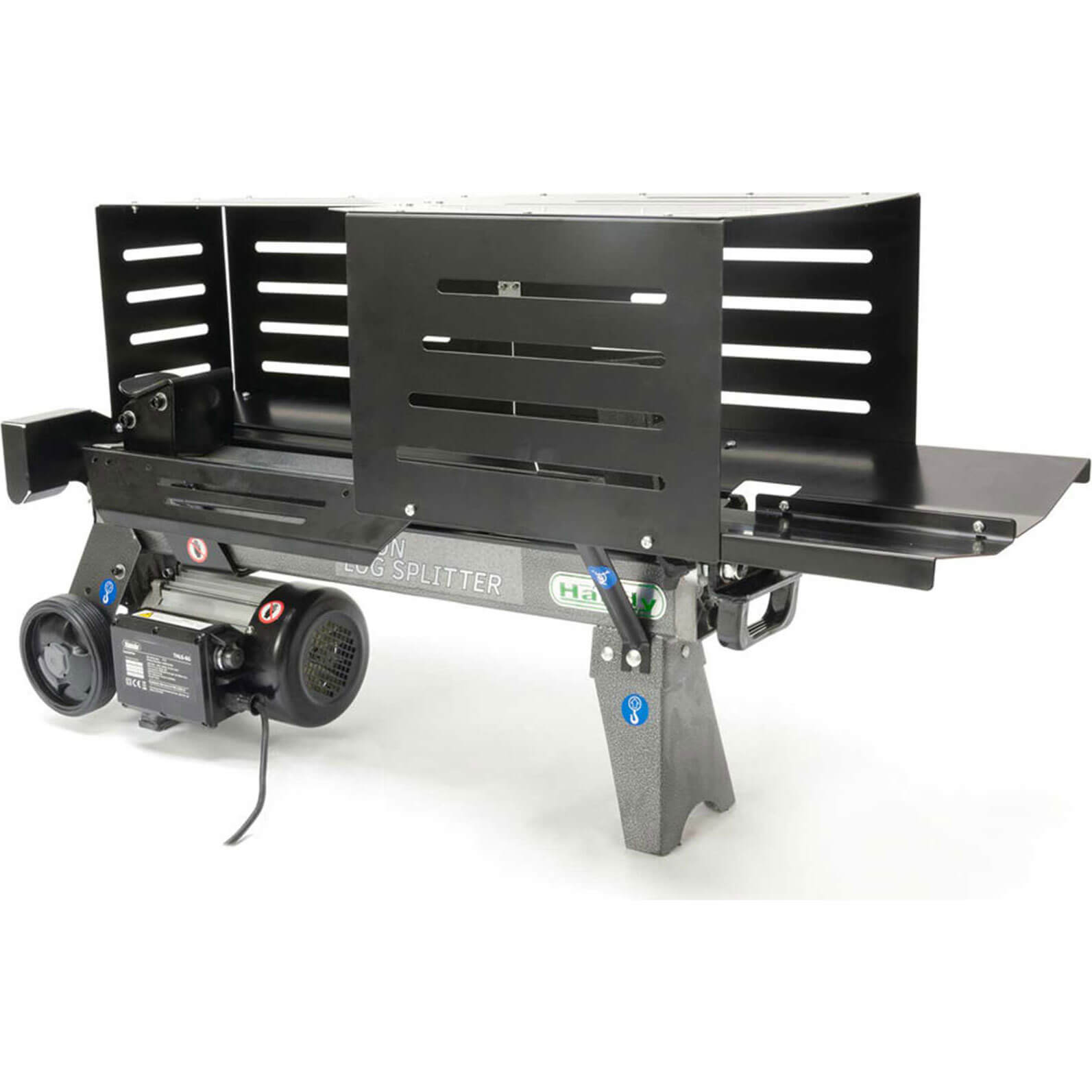
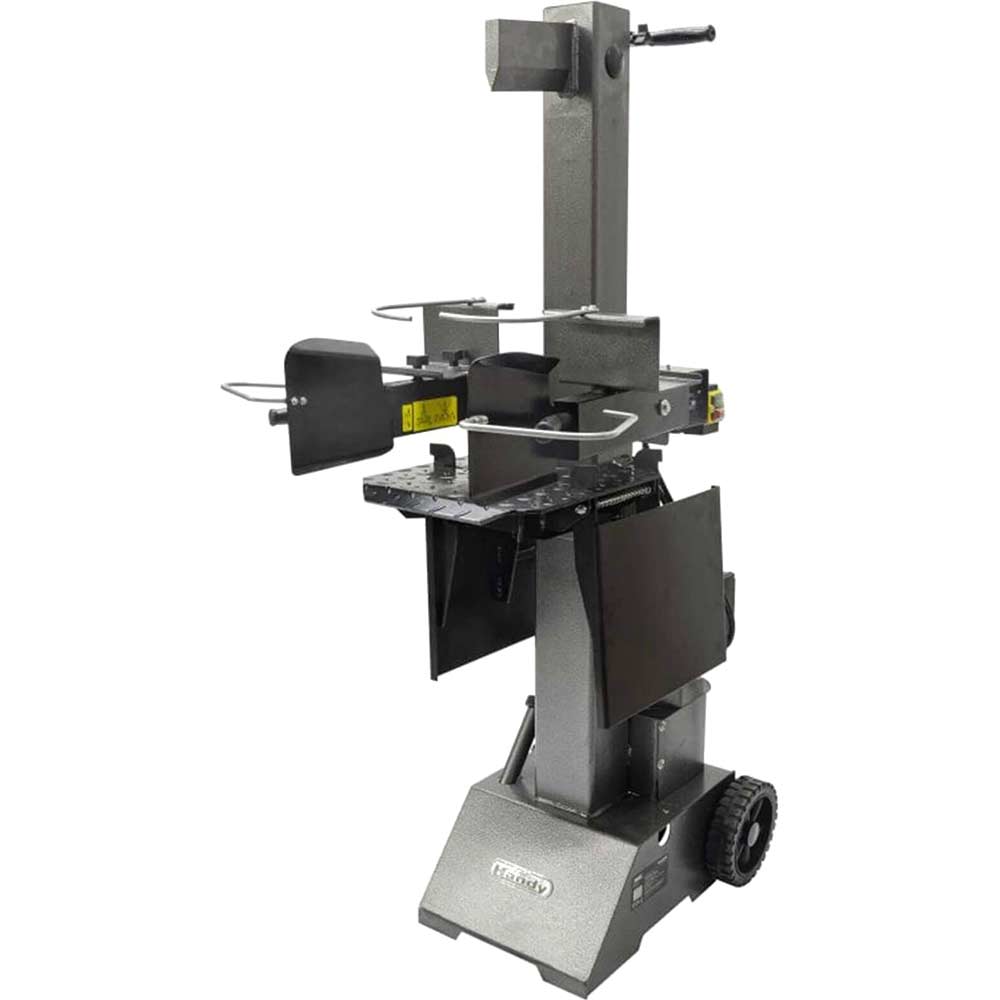
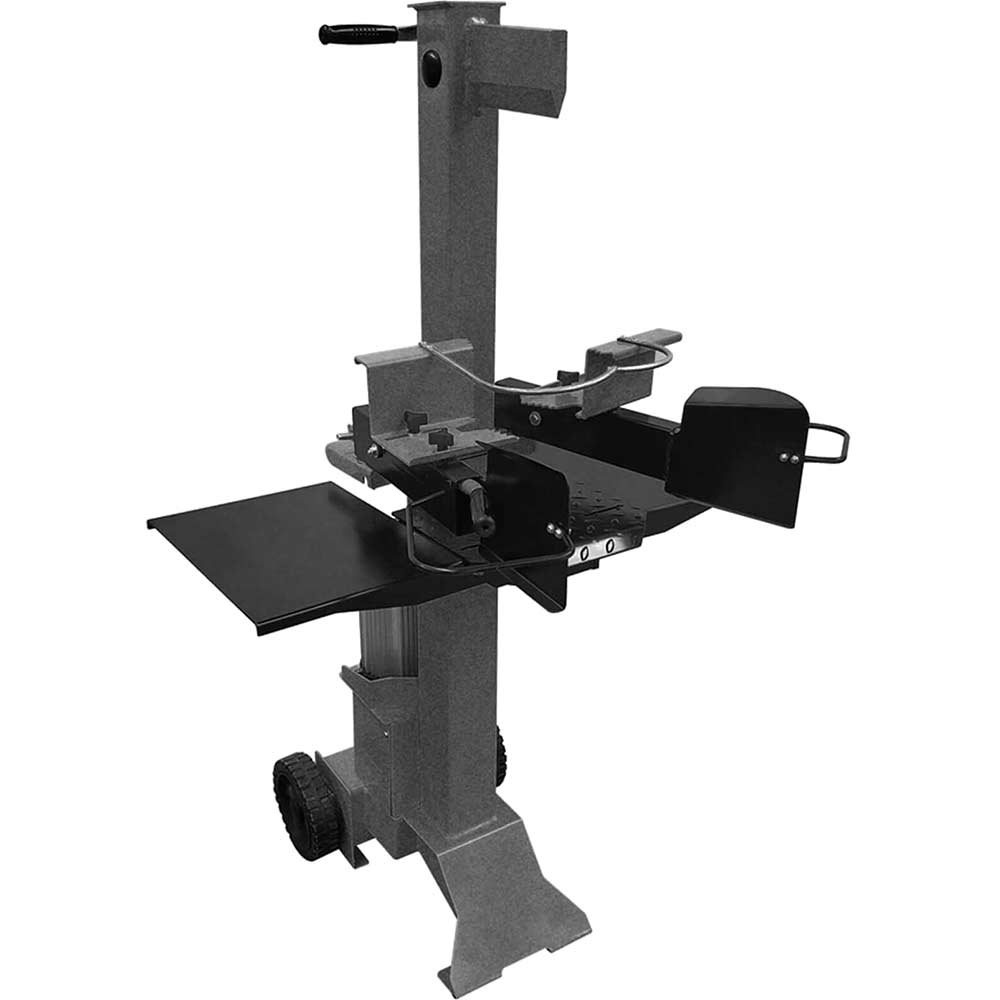
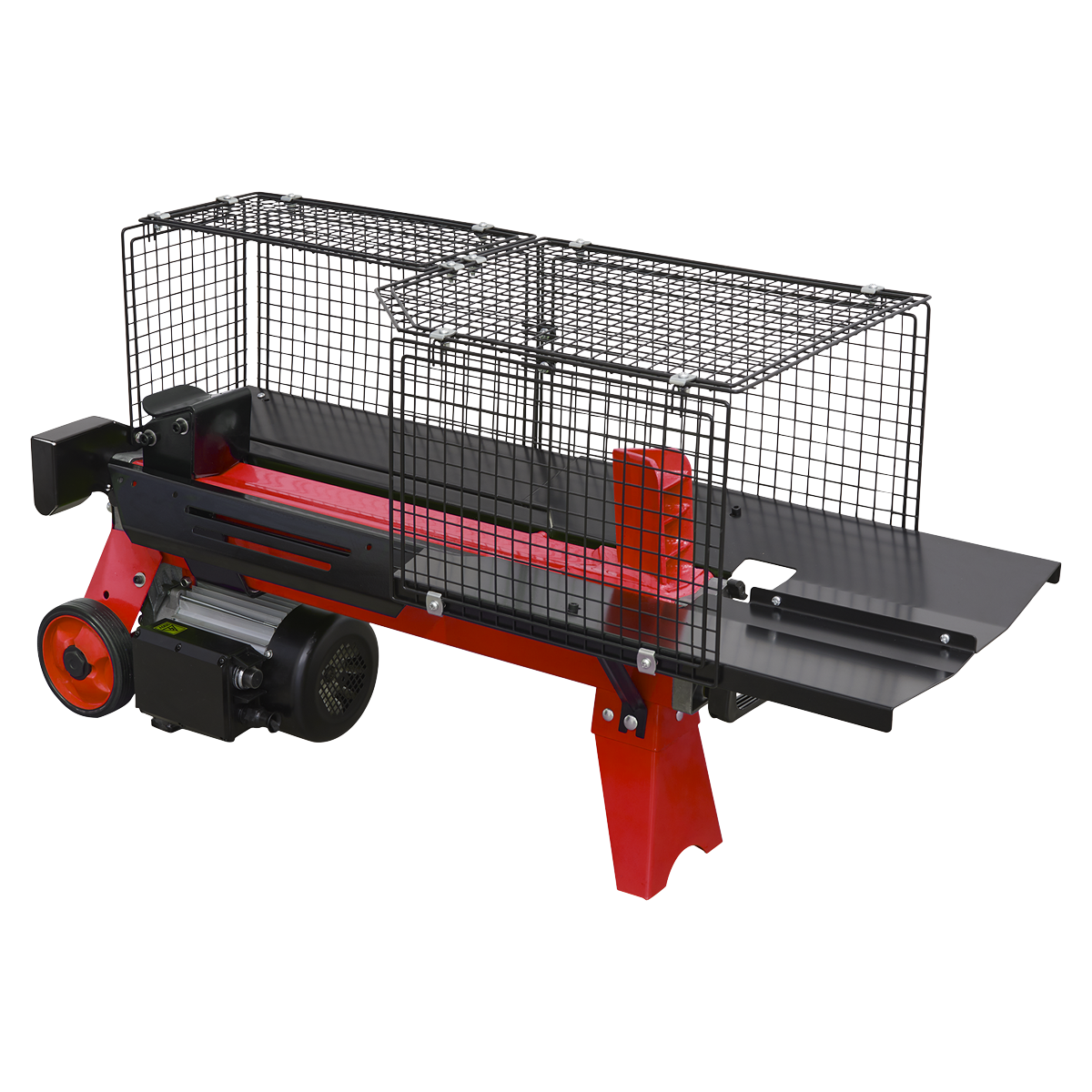
Pick Tools (manual, foot operated) if you only need kindling or small branches. Choose Hardware (electric or petrol hydraulic) for full logs and high volume.
Build material
Material affects weight and care. Steel and cast iron/wood are sturdy but heavy, bamboo/steel is lighter but needs dryness.
Colour option
Colour is a personal choice from black, orange, green, red, blue, grey, silver. It does not change splitting power.
Log size
Split capacity varies by model tier. Match the rated gap to your typical log diameter before you commit.
Workspace
Powered hardware suits buyers with outdoor space and many logs. Manual tools suit those who want a quick, quiet job by the fire.
What's good
- Manual tools in the Tools sub-type are light and need no power. They suit anyone splitting kindling for a fire pit.
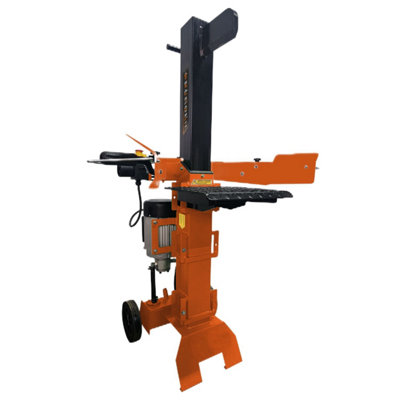
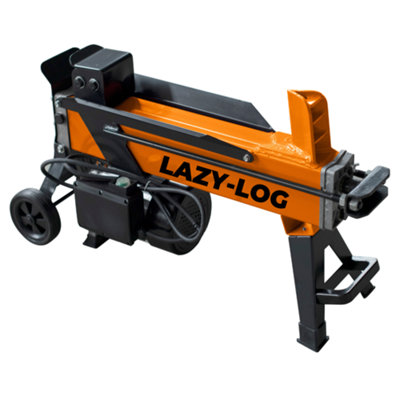
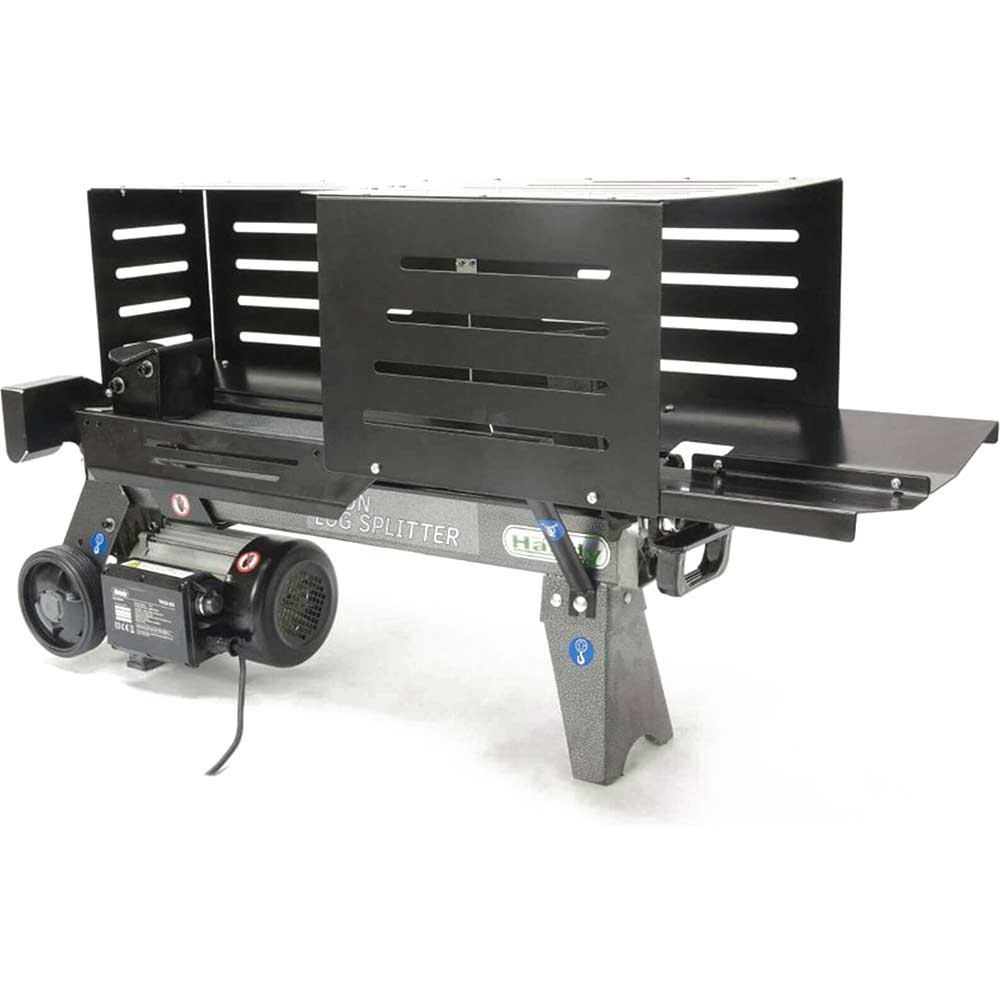
- Hydraulic hardware delivers strong force through a steel ram. It handles thick logs that would stall a handheld cracker.
- Electric powered hardware starts with a switch and avoids petrol fumes. Good for regular use near the house.
- Foot operated tools keep both hands on the log. They give steady splits without a heavy frame.
- Many units use steel or cast iron/wood builds. These shrug off knocks and last through many winters.
Things to watch
- Manual tools demand real arm strength. They are wrong for anyone with a large pile of big logs.
- Petrol hardware needs fuel and oil upkeep. It is heavier and louder than electric or manual options.
- Powered units need space to store the steel frame and ram. Small sheds may not fit them.
- Bamboo/steel or wood handled tools can weaken if left in the rain. They need shelter when not in use.
- A bright orange or red colour looks smart but shows scuffs faster than grey or black.
Care & maintenance
Steel care
Wipe steel parts dry after use and apply light oil to metal/wood/steel joints.
Shelter
Store manual tools with wood or bamboo components under a roof to avoid rot.
Hydraulic check
Check hydraulic oil on powered hardware before each session to keep the ram smooth.
Blade upkeep
Clear blade edges on cross blade manual splitters so they stay safe and efficient.
Frequently Asked Questions
What should I look for when buying log splitters?
When shopping for log splitters, consider factors such as quality, price, brand reputation, and customer reviews. Compare prices across multiple retailers to ensure you're getting the best deal. Look for products that match your specific needs and budget.
How do I choose the right log splitters?
Choosing the right log splitters depends on your individual needs, budget, and preferences. Research different options, read customer reviews, and compare specifications. Consider what features are most important to you and look for products that offer the best value for money.
Where can I find the best deals on log splitters?
You can find the best deals on log splitters by comparing prices across multiple retailers. Our price comparison tool helps you find the lowest prices from trusted UK retailers including Amazon, eBay, and other major online stores. Check regularly as prices and deals change frequently.
Are log splitters products worth the investment?
The value of log splitters products depends on your specific needs and how you plan to use them. Quality products from reputable brands often provide better long-term value, even if they cost more initially. Consider your budget and requirements when making your decision.
What's the difference between different types of log splitters?
Different types of log splitters vary in features, quality, price, and intended use. Some may offer premium features while others focus on affordability. Research the specific differences between models or brands to find the option that best suits your needs and budget.