Molding
How to choose molding
Considerations
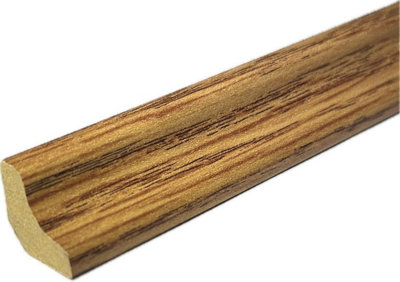
Pick Building Materials in wood/oak/pine if you want to stain natural grain, but choose Moulding in white polyurethane for a ready finished trim.
Considerations
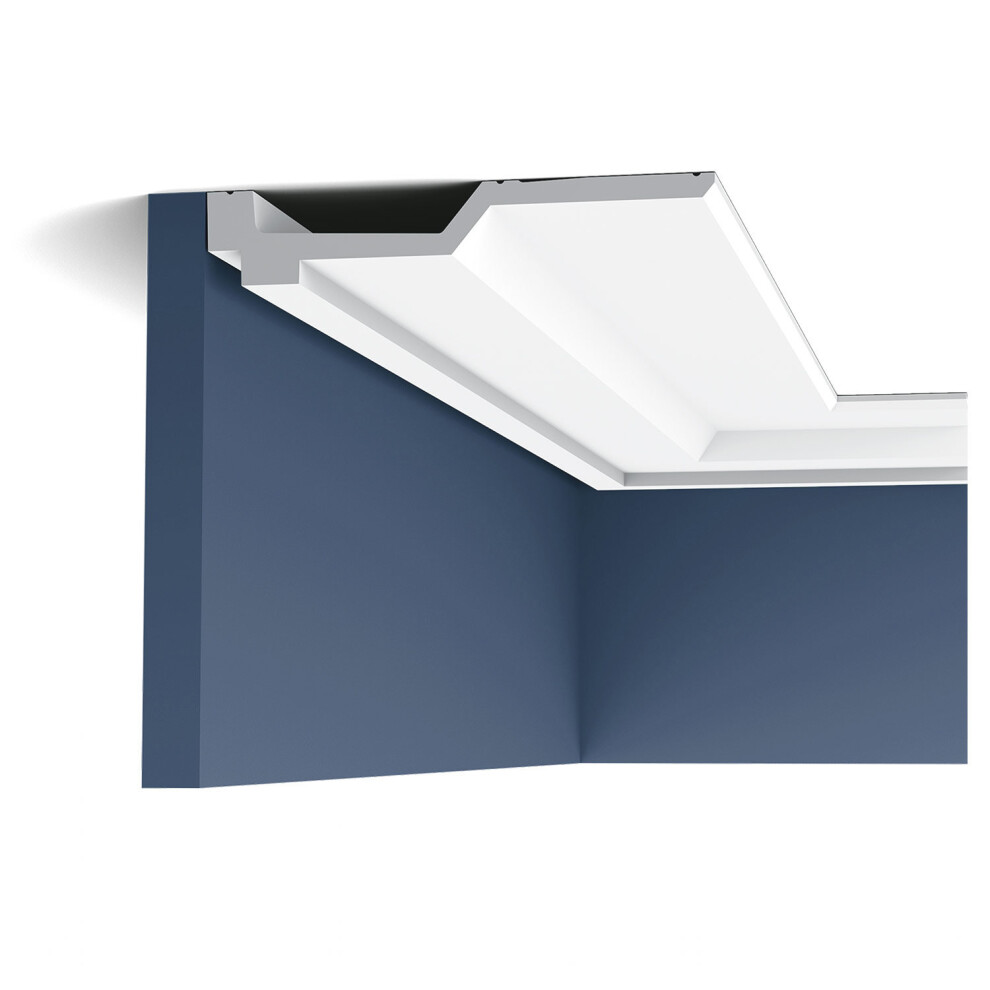
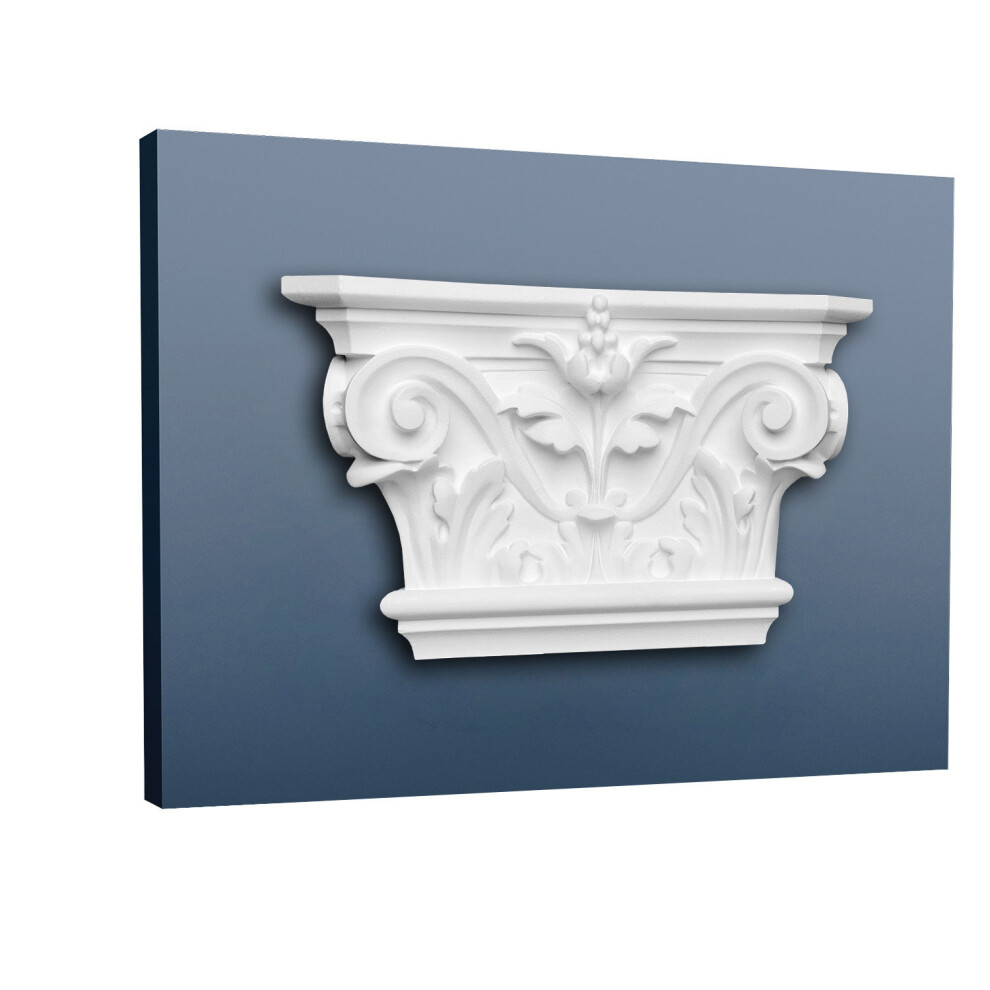
Hardware sub-type suits recessed lighting jobs, while Moulding sub-type fits decorative walls or furniture upgrades.
Considerations
Colour choice matters: brown or grain blends with traditional rooms, while silver or anthracite/grey suits contemporary spaces.
Considerations
Material tradeoff: redwood corbels give real timber heft but need finishing, plastic pediments save time but feel lighter.
Considerations
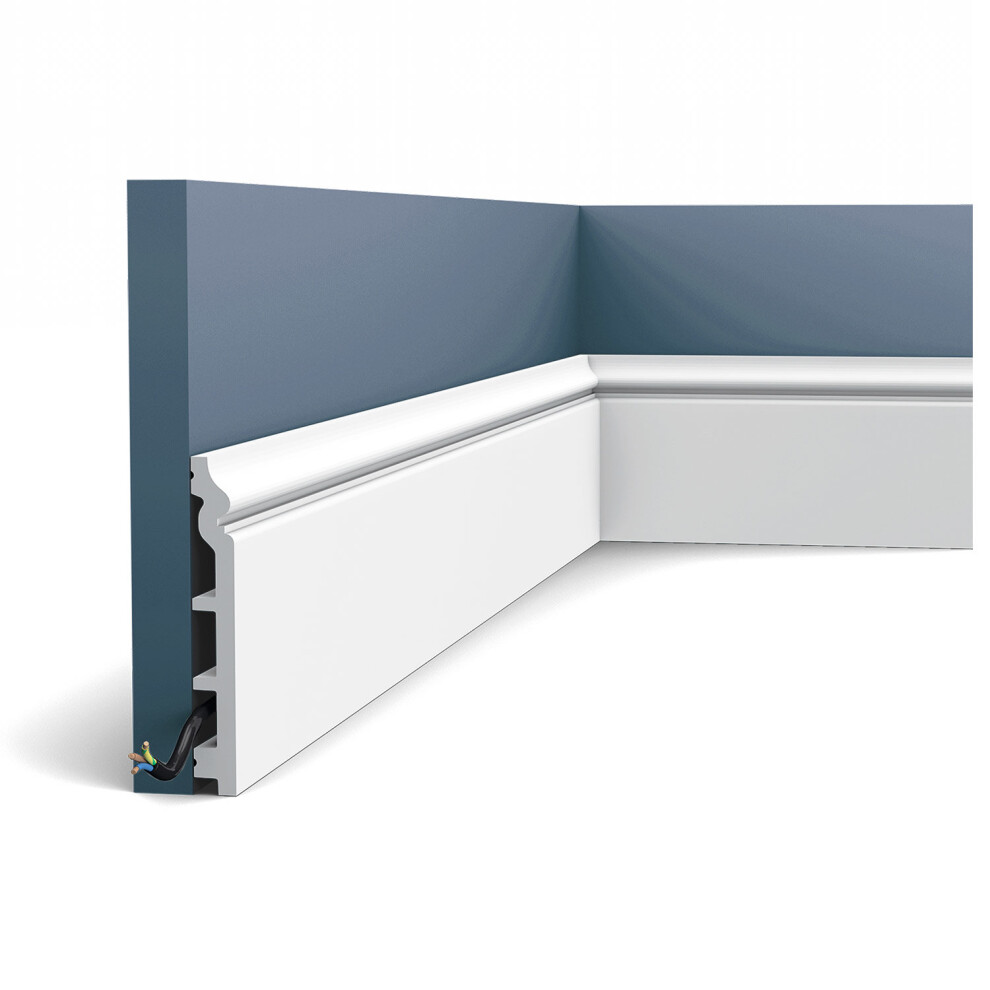
Decide between structural skirting (Building Materials) and purely ornamental appliques (Moulding) before measuring.
What's good
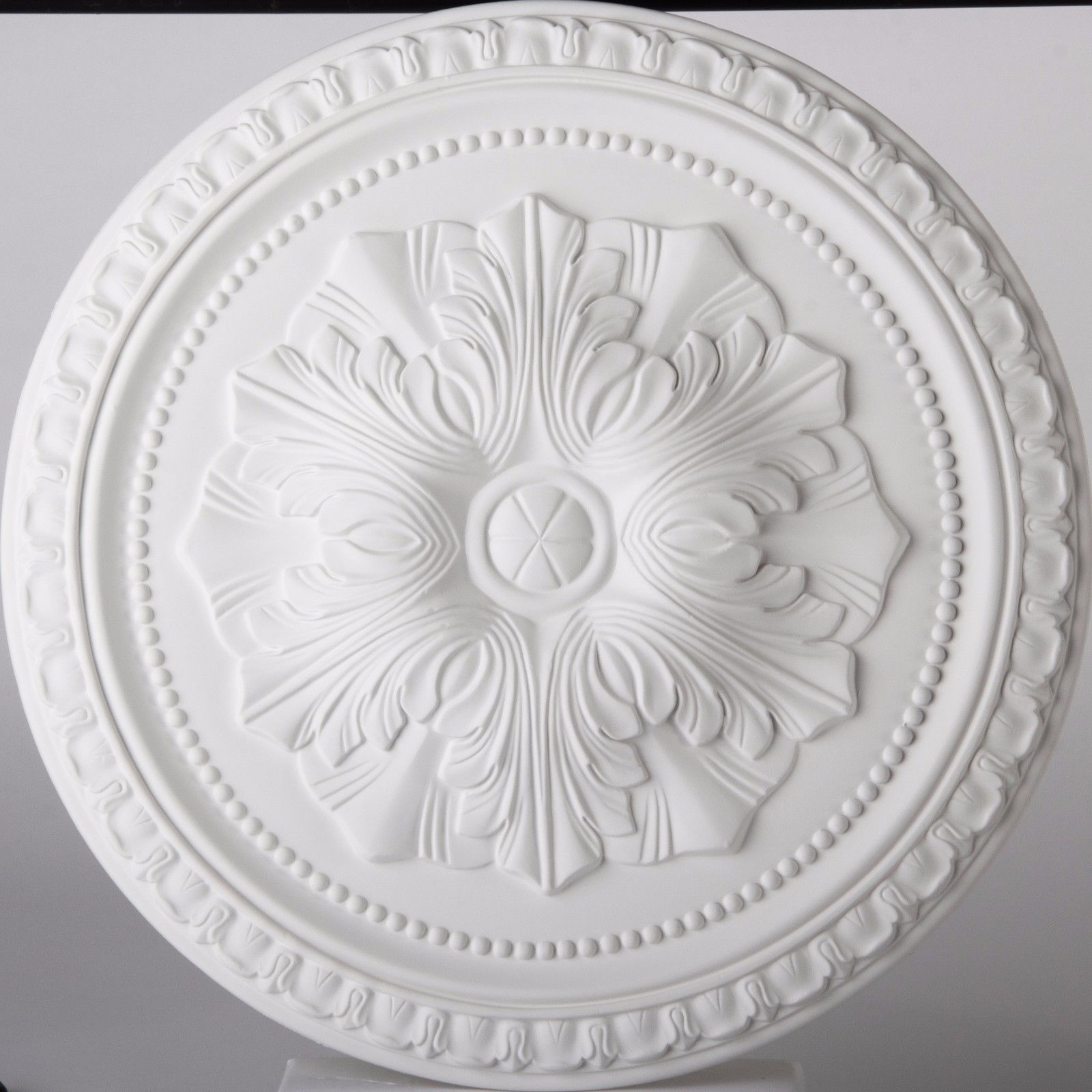
- Polyurethane mouldings from the Moulding sub-type are light and often bendable, handy for curved furniture makeovers.
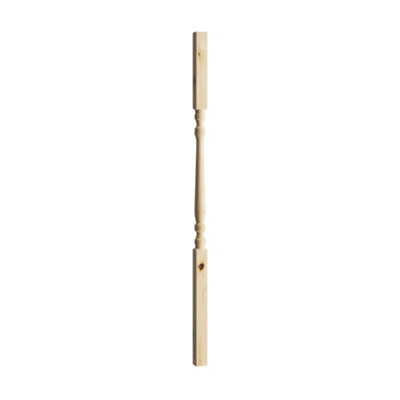
- Solid wood options in Building Materials, such as pine or oak, take stain or paint for a tailored joinery look.
- Hardware pieces in aluminium or silver let you mount LED strips flush, a clean finish wood alone cannot give.
- The wide colour axis, from white to olive to anthracite/grey, means you can match existing trim without extra painting.
Things to watch
- Raw timber corbels and rosettes in redwood or pine arrive bare, so you must sand and seal before fitting.
- Plastic and polyurethane decorative pieces lack real wood grain, a poor fit for period homes needing authentic timber.
- Silver or gold coloured hardware shows scuffs more readily than matte white or brown profiles.
- Olive or gold accents in the Moulding range limit later redecoration, as they clash with neutral palettes.
Care & maintenance
Maintenance
Wipe painted polyurethane mouldings with a damp cloth, avoiding abrasive cleaners that strip colour.
Maintenance
Apply wax or varnish to bare wood Building Materials once a year to stop cracking.
Maintenance
Dry aluminium mounting kits after cleaning in bathrooms to prevent corrosion.
Maintenance
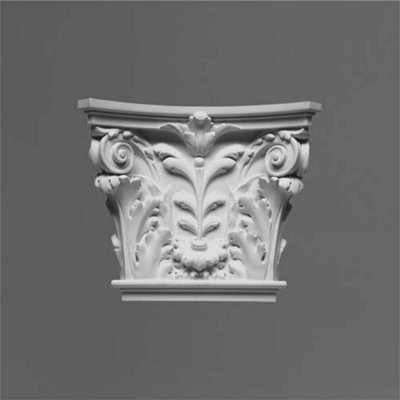
Dust furniture appliques regularly, as carved details trap lint.
Frequently Asked Questions
What should I look for when buying molding?
When shopping for molding, consider factors such as quality, price, brand reputation, and customer reviews. Compare prices across multiple retailers to ensure you're getting the best deal. Look for products that match your specific needs and budget.
How do I choose the right molding?
Choosing the right molding depends on your individual needs, budget, and preferences. Research different options, read customer reviews, and compare specifications. Consider what features are most important to you and look for products that offer the best value for money.
Where can I find the best deals on molding?
You can find the best deals on molding by comparing prices across multiple retailers. Our price comparison tool helps you find the lowest prices from trusted UK retailers including Amazon, eBay, and other major online stores. Check regularly as prices and deals change frequently.
Are molding products worth the investment?
The value of molding products depends on your specific needs and how you plan to use them. Quality products from reputable brands often provide better long-term value, even if they cost more initially. Consider your budget and requirements when making your decision.
What's the difference between different types of molding?
Different types of molding vary in features, quality, price, and intended use. Some may offer premium features while others focus on affordability. Research the specific differences between models or brands to find the option that best suits your needs and budget.