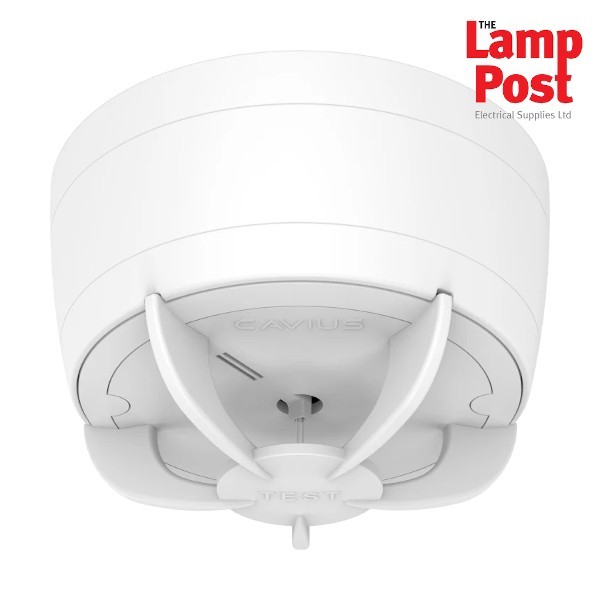
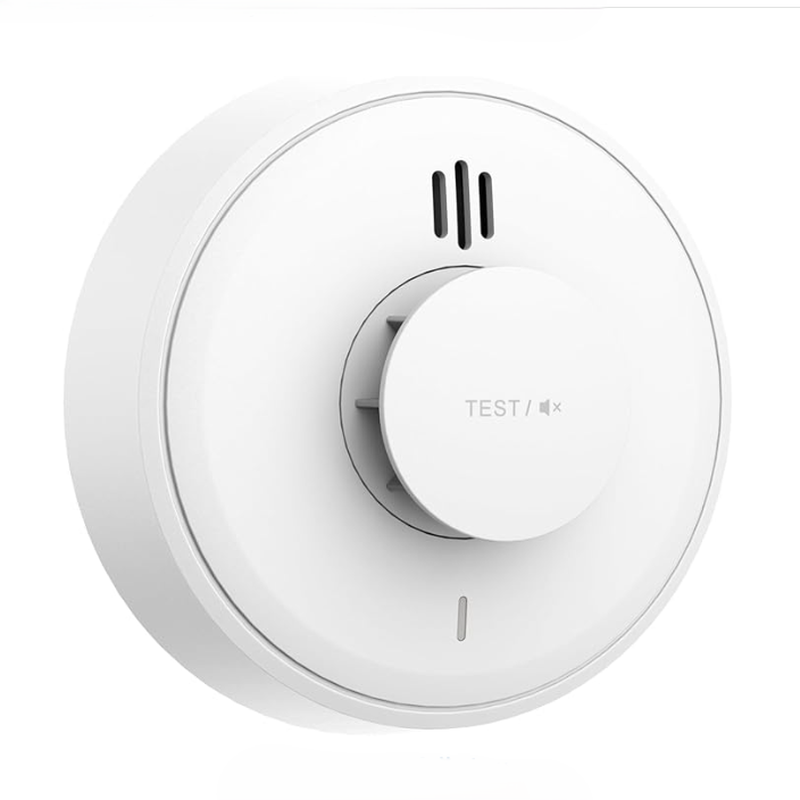
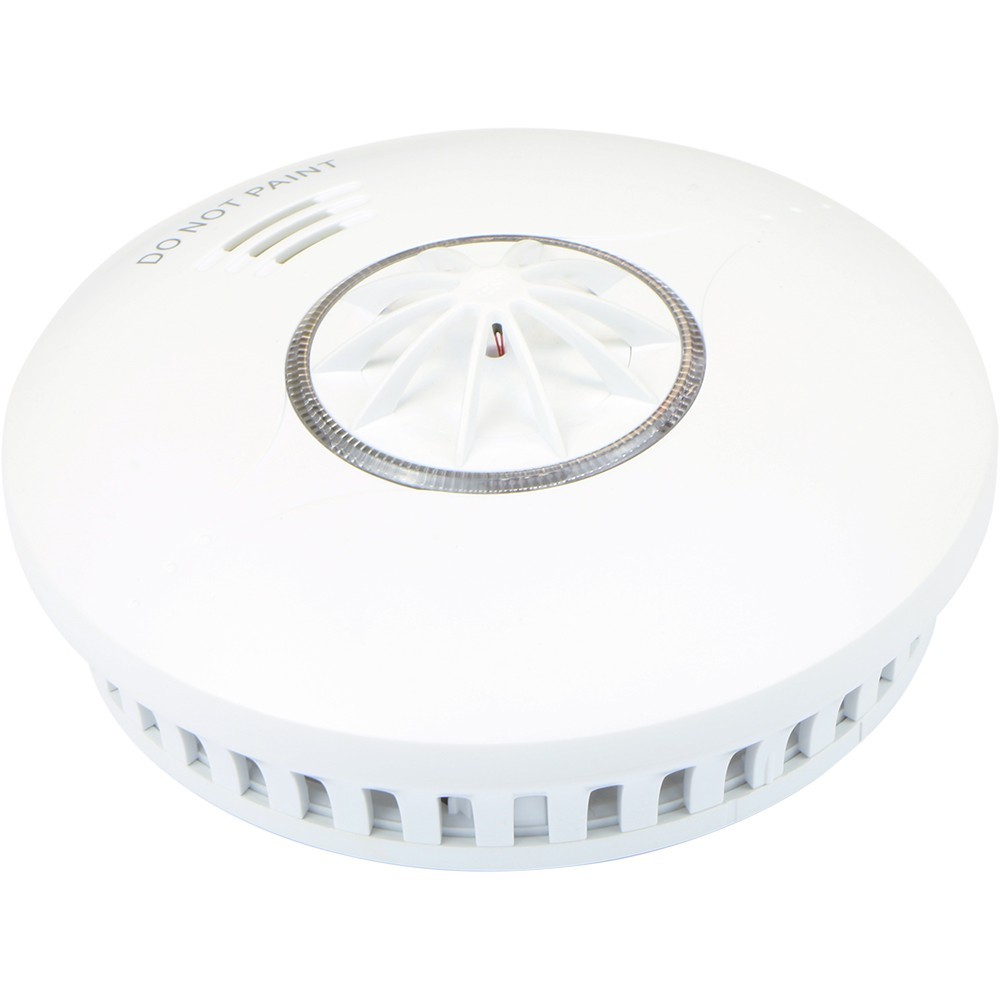
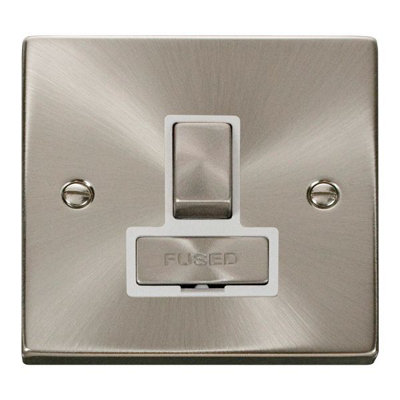
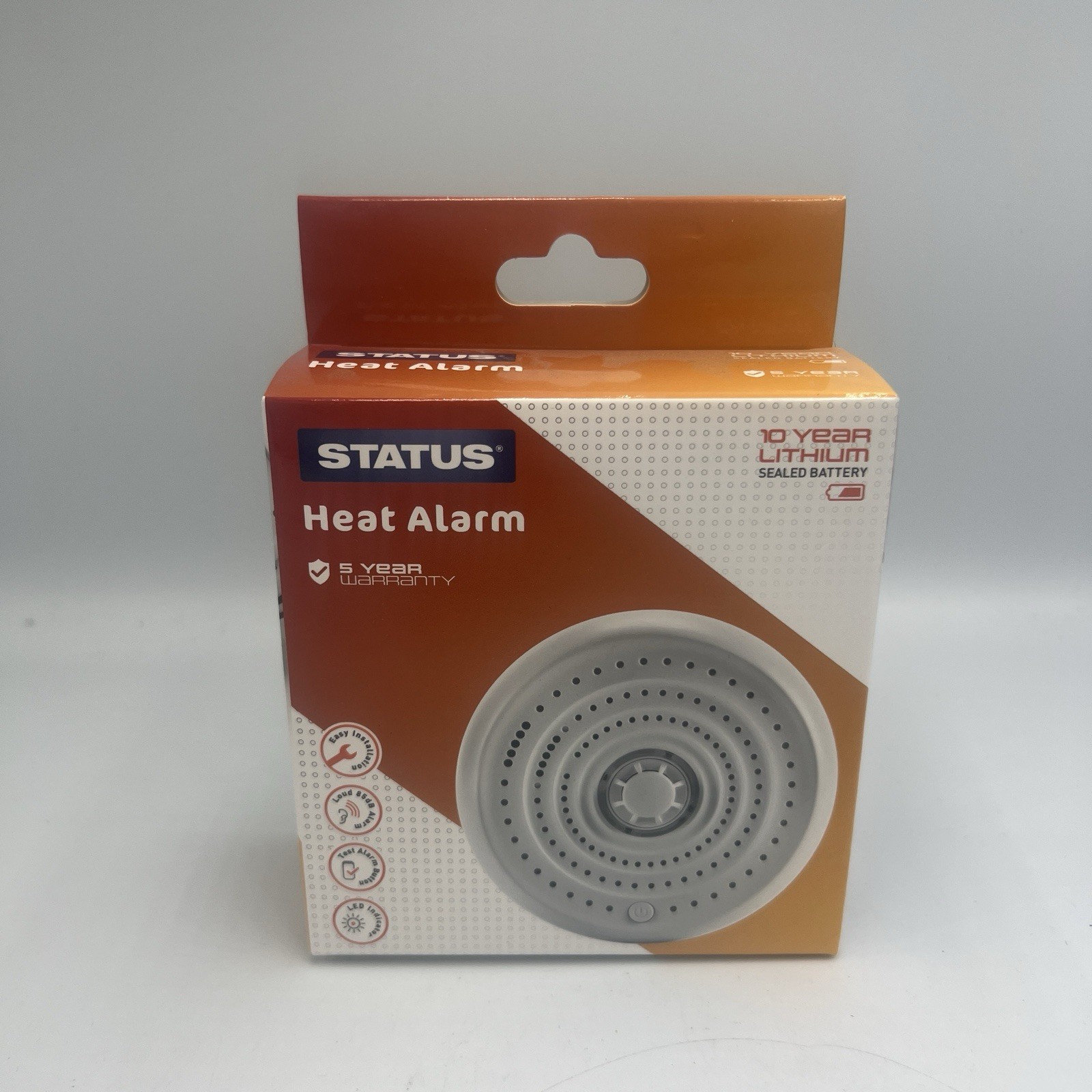
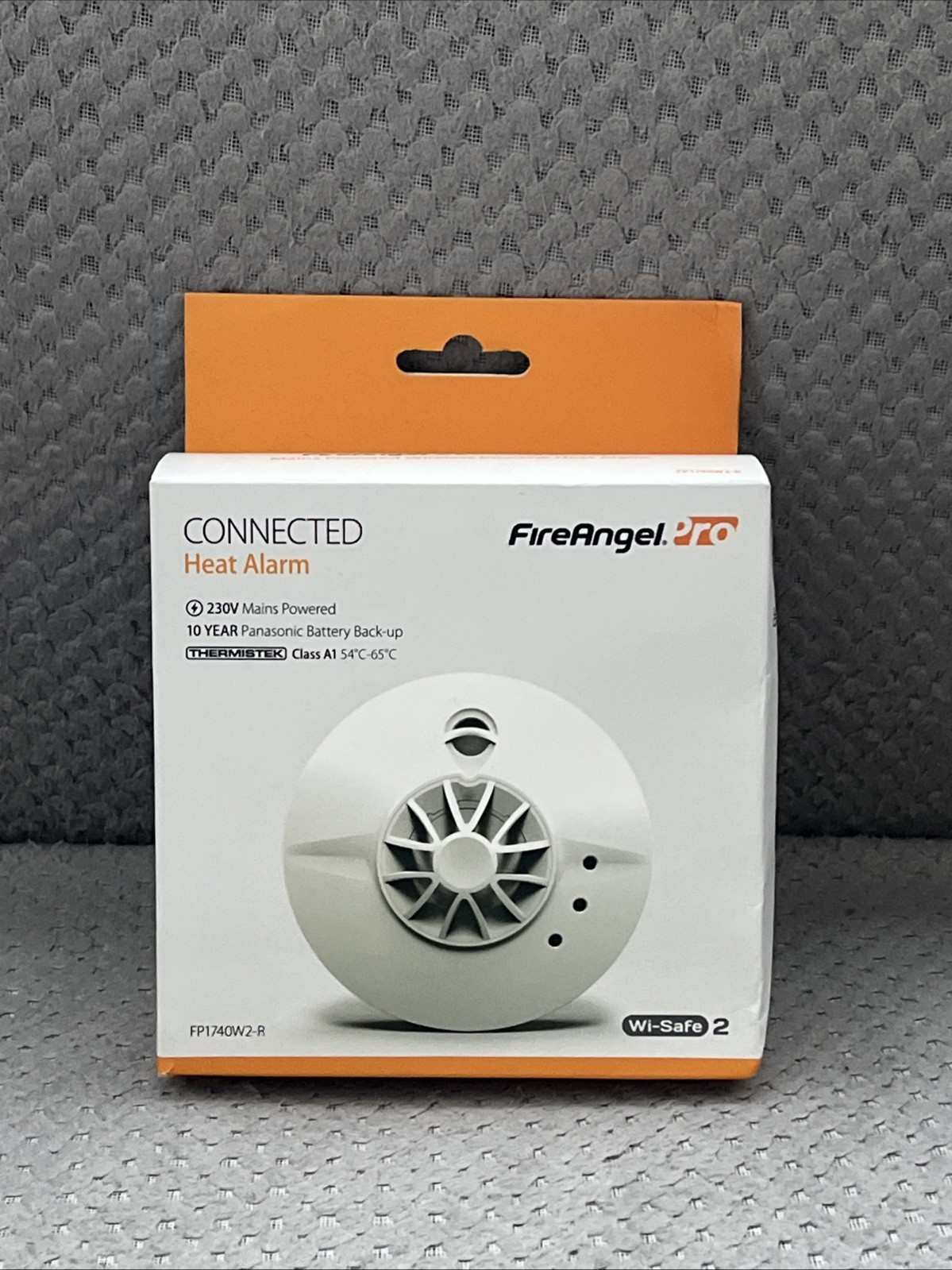
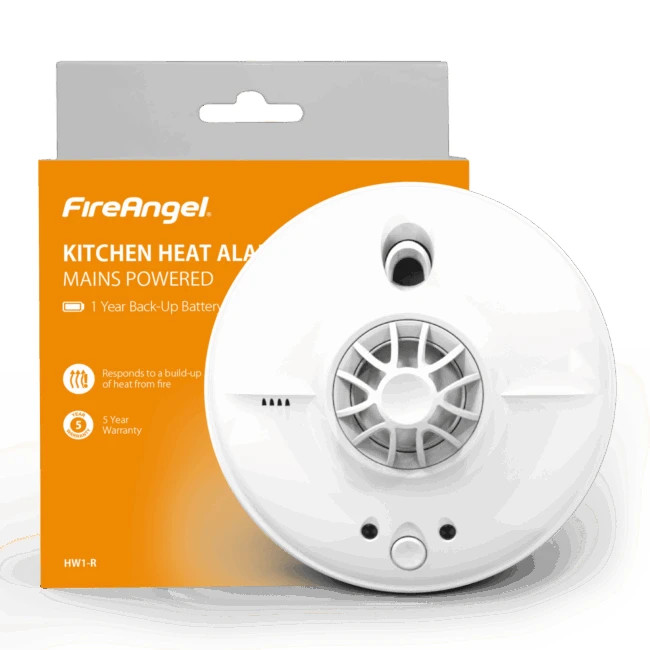
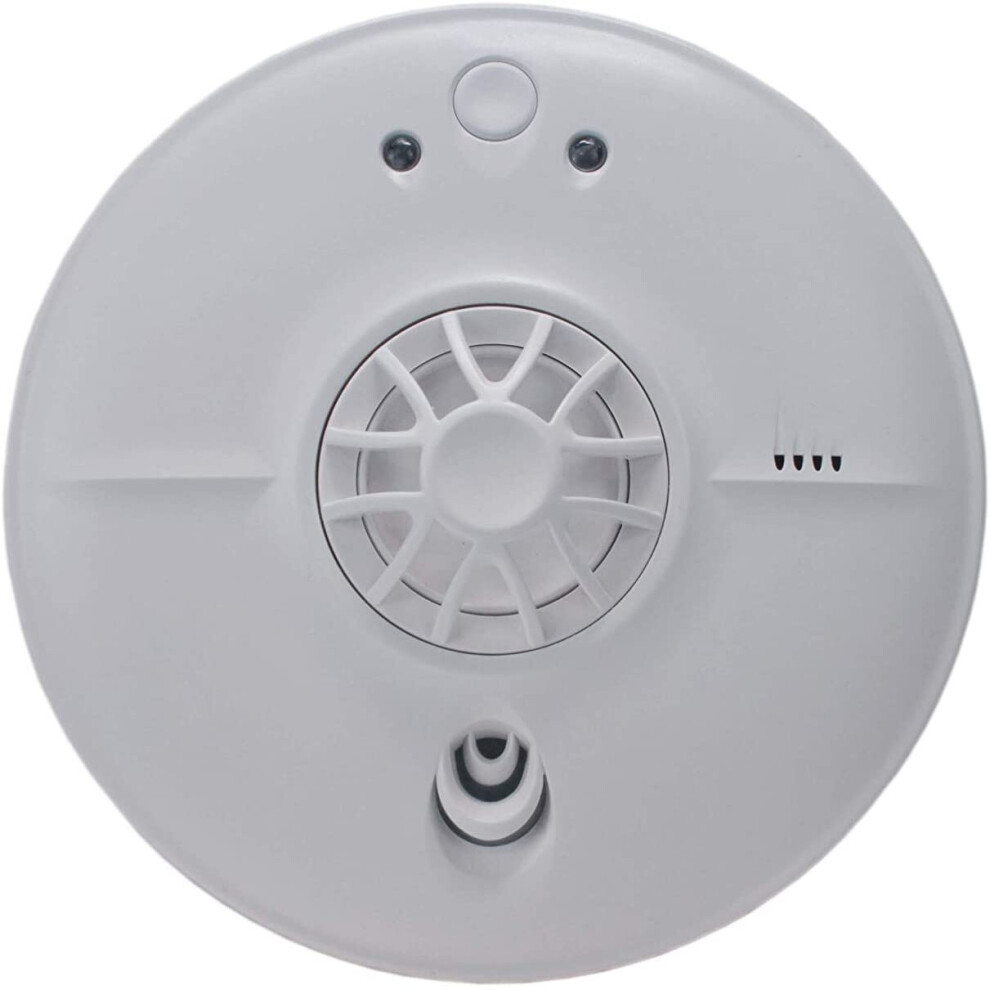
Heat Detectors
How to choose heat detectors
Sub-type and placement
Choose Fire & Gas Safety for a warehouse or corridor, but pick Home & Garden for a shed where colour match matters.
Housing material
Material: plastic suits a quick fit, while metal or steel suits humid or rough spaces.
Visibility vs decor
Colour: red or green/red aids safety checks, while white, black or silver disappears into decor.
Unit type
Some listings are sensor modules or transmitters, not standalone alarms, so match them to your existing system.
Power connection
Decide between a mains-linked unit and a self-contained module based on your building's wiring.
What's good
- Fire & Gas Safety tagged units include heat and smoke detectors built for corridors and warehouses, giving focused fire cover.
- Home & Garden listings often use plastic or plastic/wood bodies in white or black, so they blend into a room.
- Metal and steel housed options resist knocks better than pure plastic ones.
- The colour range (red, green/red, silver) lets you pick a visible safety marker or a discreet fitting.
Things to watch
- Plastic bodies keep weight low, but they can soften in a hot loft where metal or steel would hold shape.
- Mains-powered detectors in the Fire & Gas Safety group need fixed wiring, unlike clip-on modules.
- Copper or metal/plastic mixes add mass, so ceiling fixings must be stronger.
- Home & Garden styles may favour looks over alarm volume, which can fall short in a commercial set-up.
Care & maintenance
Clean vents
Dust the vents on plastic and plastic/wood units so heat sensing stays clear.
Exercise alarms
Test resettable manual call points and buzzers every few months to confirm they still sound.
Watch for rust
Check metal or steel housings for corrosion if used in damp garden spots.
Verify sensors
For modules with over-temperature alarms, verify the trigger with warm air once a year.
Frequently Asked Questions
What should I look for when buying heat detectors?
When shopping for heat detectors, consider factors such as quality, price, brand reputation, and customer reviews. Compare prices across multiple retailers to ensure you're getting the best deal. Look for products that match your specific needs and budget.
How do I choose the right heat detectors?
Choosing the right heat detectors depends on your individual needs, budget, and preferences. Research different options, read customer reviews, and compare specifications. Consider what features are most important to you and look for products that offer the best value for money.
Where can I find the best deals on heat detectors?
You can find the best deals on heat detectors by comparing prices across multiple retailers. Our price comparison tool helps you find the lowest prices from trusted UK retailers including Amazon, eBay, and other major online stores. Check regularly as prices and deals change frequently.
Are heat detectors products worth the investment?
The value of heat detectors products depends on your specific needs and how you plan to use them. Quality products from reputable brands often provide better long-term value, even if they cost more initially. Consider your budget and requirements when making your decision.
What's the difference between different types of heat detectors?
Different types of heat detectors vary in features, quality, price, and intended use. Some may offer premium features while others focus on affordability. Research the specific differences between models or brands to find the option that best suits your needs and budget.