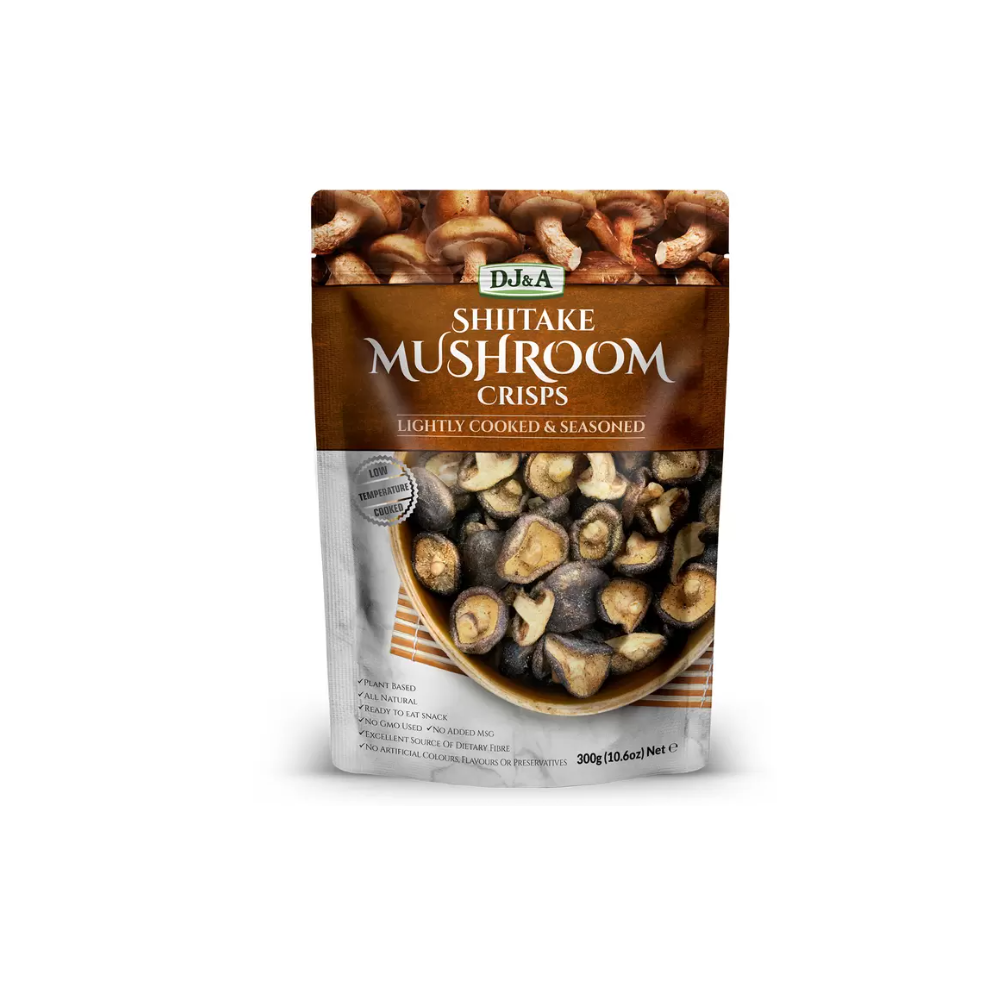
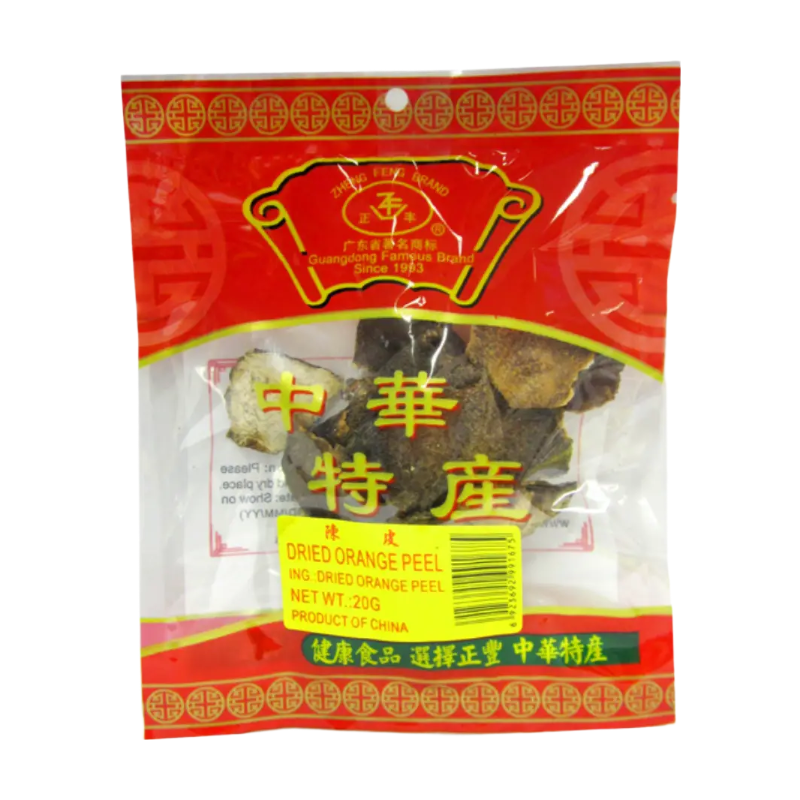
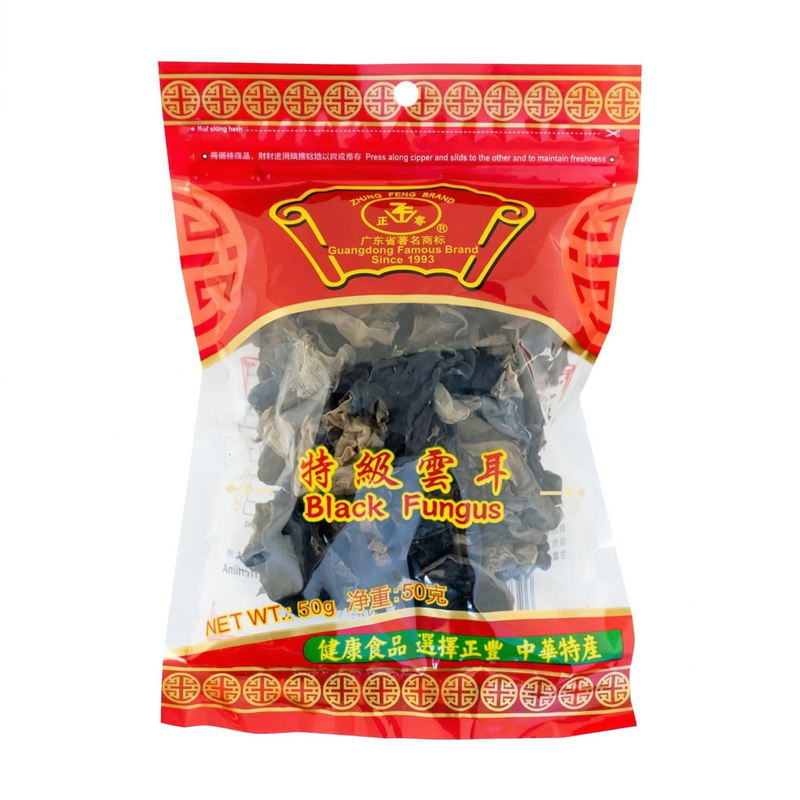
Dried Vegetables
How to choose dried vegetables
Form and function
Choose edible sub types (Fruit & Vegetables, Food Items) for the plate, or wood and beeswax types for display.
Heat level
Heat tier matters: green peas suit gentle meals, while red or orange habanero and ghost peppers suit spice lovers.
Material check
Material tells you use: silver, natural, herbs and mugwort are botanical, blackened beeswax and bamboo are decorative.
Colour match
Colour guides mood: golden and grey for harvest decor, brown and red/dark for cooking chillies.
Prep effort
Prep time varies: whole dried chillies need crushing, silver ear needs soaking, so match effort to your plan.
What's good
- Dried whole habanero chillies and ghost peppers (material axis) keep their heat for months, giving your cooking a steady supply of spice.
- Blackened beeswax and wood pieces, like corn husk decor, offer ready made autumn displays without watering or wilting.
- Silver ear and natural lily bulbs store in a small jar and rehydrate for soups when you need them.
- Herbs and mugwort provide dried botanical stock for infusions, suited to those avoiding fresh spoilage.
Things to watch
- Whole habanero and ghost pepper types bring fierce heat that overwhelms mild eaters and delicate recipes.
- Beeswax, bamboo and pine items look festive yet are not edible, so they waste cupboard space if bought by mistake.
- Silver ear and daylily buds need soaking and prep, unlike ready to eat veg from the Food Items sub type.
- Dark olive or grey decorative colours signal craft use, but mixing them with red culinary chillies causes confusion at a glance.
Care & maintenance
Dry storage
Keep dried chillies, herbs and silver ear in airtight containers away from sunlight to hold flavour.
Decor care
Brush blackened beeswax or wood decor with a soft dry cloth; water will damage the finish.
Humidity control
Store bamboo and pine pieces at steady humidity to stop splitting.
Rehydration
Soak lily bulbs and daylily buds in warm water, then drain, before adding to dishes.
Frequently Asked Questions
What should I look for when buying dried vegetables?
When shopping for dried vegetables, consider factors such as quality, price, brand reputation, and customer reviews. Compare prices across multiple retailers to ensure you're getting the best deal. Look for products that match your specific needs and budget.
How do I choose the right dried vegetables?
Choosing the right dried vegetables depends on your individual needs, budget, and preferences. Research different options, read customer reviews, and compare specifications. Consider what features are most important to you and look for products that offer the best value for money.
Where can I find the best deals on dried vegetables?
You can find the best deals on dried vegetables by comparing prices across multiple retailers. Our price comparison tool helps you find the lowest prices from trusted UK retailers including Amazon, eBay, and other major online stores. Check regularly as prices and deals change frequently.
Are dried vegetables products worth the investment?
The value of dried vegetables products depends on your specific needs and how you plan to use them. Quality products from reputable brands often provide better long-term value, even if they cost more initially. Consider your budget and requirements when making your decision.
What's the difference between different types of dried vegetables?
Different types of dried vegetables vary in features, quality, price, and intended use. Some may offer premium features while others focus on affordability. Research the specific differences between models or brands to find the option that best suits your needs and budget.