Percussion
How to choose percussion
Sub-type
hand percussion is grab and play. Musical instruments may need extra kit like stands.
Material
wood and leather look classic but demand upkeep. Aluminium or plastic shrug off neglect.
Colour
black, red, gold, and brown finishes appear across types. Choose for your room, not the sound.
Size
compact steel tongue drums hide on a shelf. Tall djembes command floor space.
Purpose
arts & entertainment suits showpieces. Hobbies & creative arts fits relaxed noise making.
What's good
- Hand percussion such as djembes and bodhrans needs no electricity. You can play them anywhere.
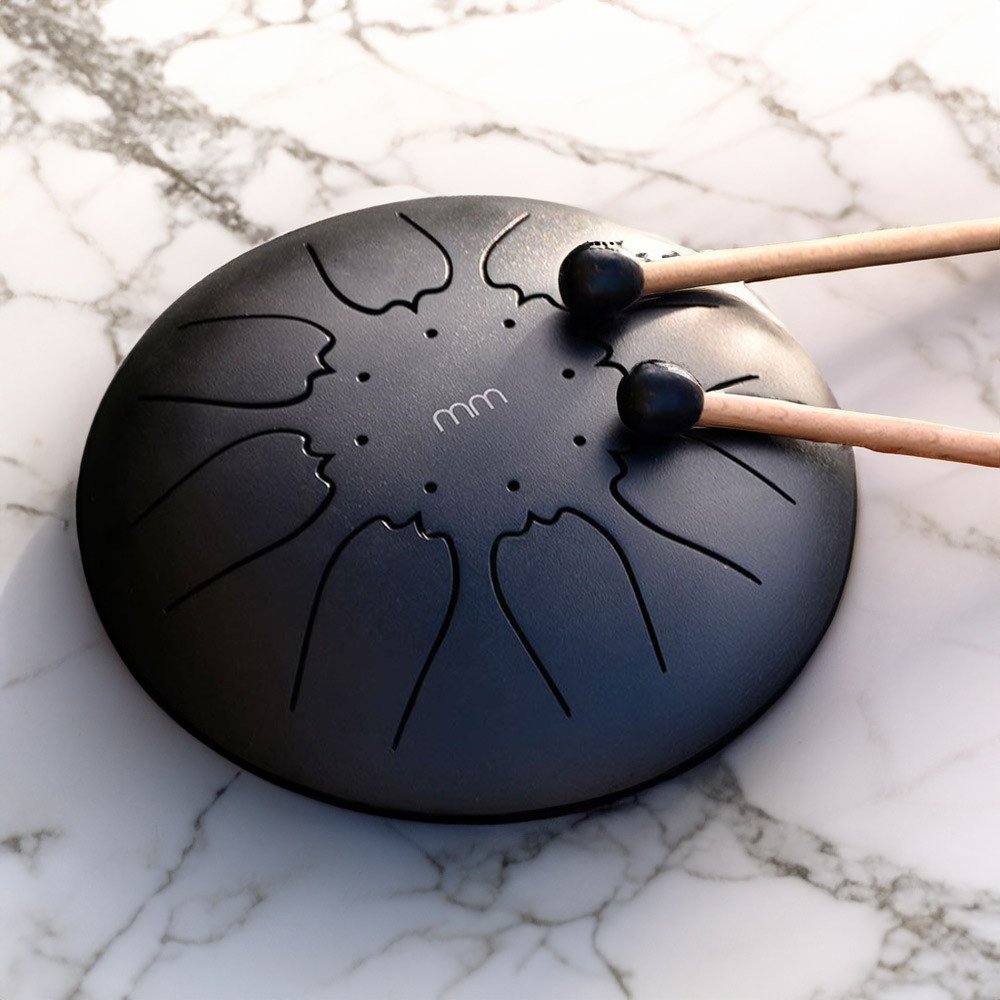
- Steel and metal tongue drums give a fixed set of tones. Beginners get results without lessons.
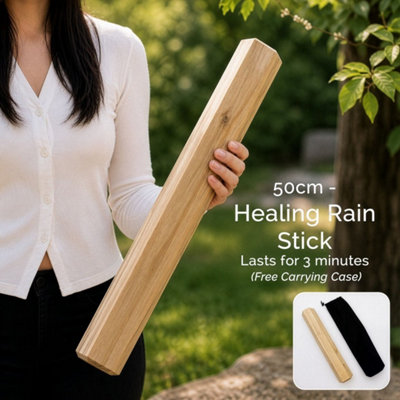
- Wooden items in arts & entertainment work as decor. They sound fine for casual use.
- Rubber or plastic practice pads from musical instruments cut noise. Flat dwellers avoid complaints.
Things to watch
- Large hand percussion drums are heavy and awkward. They suit houses more than small flats.
- Rawhide rattles and gourd shakers (leather, wood) crack in dry UK winters. Metal versions need less care.
- Painted totem pieces in hobbies & creative arts favour looks. Their volume is low for gigging players.
- Copper or steel drums show fingerprints. They need wiping that plastic avoids.
Care & maintenance
Metal care
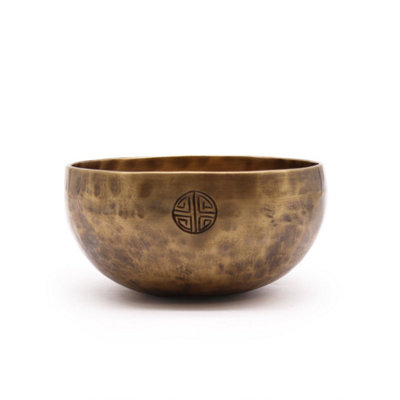
Wipe steel, stainless steel, and copper drums dry after play. Sweat speeds corrosion.
Wood and leather
Keep wooden drums away from direct heat. Condition leather skins if they stiffen.
Natural skins
Store gourd or rawhide items at steady humidity. A cupboard beats a shed.
Synthetic pads
Plastic and rubber pads wipe with a damp cloth. They need no special routine.
Frequently Asked Questions
What should I look for when buying percussion?
When shopping for percussion, consider factors such as quality, price, brand reputation, and customer reviews. Compare prices across multiple retailers to ensure you're getting the best deal. Look for products that match your specific needs and budget.
How do I choose the right percussion?
Choosing the right percussion depends on your individual needs, budget, and preferences. Research different options, read customer reviews, and compare specifications. Consider what features are most important to you and look for products that offer the best value for money.
Where can I find the best deals on percussion?
You can find the best deals on percussion by comparing prices across multiple retailers. Our price comparison tool helps you find the lowest prices from trusted UK retailers including Amazon, eBay, and other major online stores. Check regularly as prices and deals change frequently.
Are percussion products worth the investment?
The value of percussion products depends on your specific needs and how you plan to use them. Quality products from reputable brands often provide better long-term value, even if they cost more initially. Consider your budget and requirements when making your decision.
What's the difference between different types of percussion?
Different types of percussion vary in features, quality, price, and intended use. Some may offer premium features while others focus on affordability. Research the specific differences between models or brands to find the option that best suits your needs and budget.